
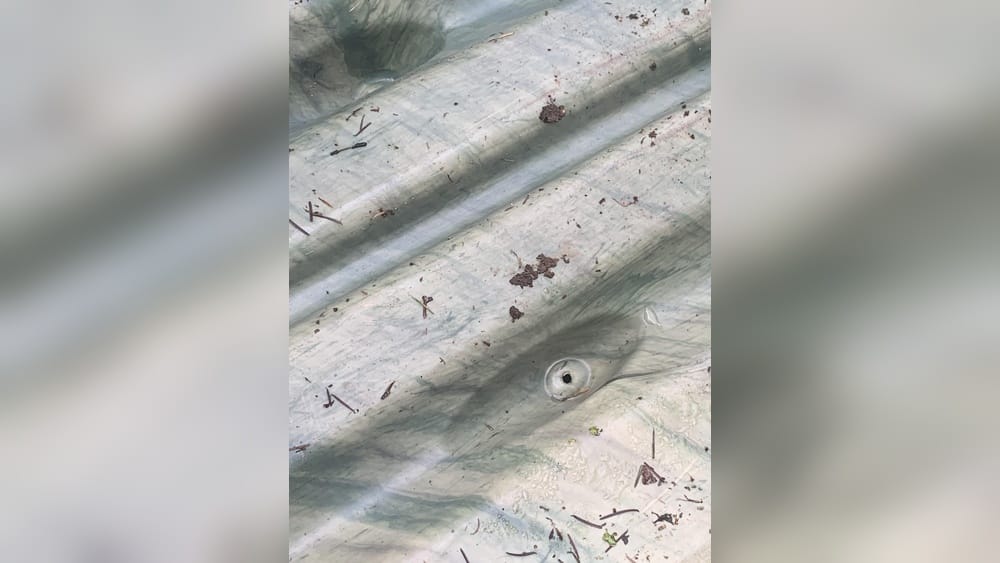
Are Kayaks Supposed To Have Holes In The Bottom?
Many people notice something unexpected when they first look at a kayak: there may be holes in the bottom of the boat. For beginners, this can seem like a mistake in the design or even a sign of damage. After all, boats are supposed to keep water out, not let it in. But are kayaks supposed to have holes in the bottom? The answer is more interesting than most people expect, and knowing the reason behind these holes can help you use your kayak more safely and effectively.
Understanding Kayak Design: Why Holes Exist
Kayaks are designed for different environments and activities. Some are made for calm lakes, others for rough ocean waves or fast-moving rivers. The presence or absence of holes in the bottom is not random. In fact, many kayaks—especially sit-on-top kayaks—have holes called scupper holes. These are not manufacturing errors; they are a purposeful part of the design.
Scupper holes allow water that splashes into the kayak to drain out naturally. Without them, water would collect and stay in the kayak, making it heavier and harder to paddle. In contrast, sit-inside kayaks usually do not have these holes because the paddler’s legs are inside the hull, protected from most splashes.
What Are Scupper Holes?
Scupper holes are small, round openings found in the hull (bottom) of sit-on-top kayaks. They let water flow out of the kayak as you paddle, especially when water comes in from waves or rain. These holes are usually located in the seating area, foot wells, and sometimes in the storage compartments.
Think of scupper holes as a kind of automatic drainage system. When water enters the kayak, it does not pool around your feet. Instead, it flows back out through the holes. This keeps your kayak lighter and safer.
How Scupper Holes Work
When you are on the water, especially in rough conditions, some water will almost always get into your kayak. Scupper holes use simple physics: gravity pulls the water down, and it escapes through the holes. As long as the kayak’s weight is balanced and you do not overload it, water will continue to drain out instead of in.
In rare cases, if you are carrying too much weight, water can rise up through the scupper holes and collect in the kayak. That is why it is important to pay attention to the maximum weight capacity of your kayak.
Types Of Kayaks And Scupper Holes
Not all kayaks are the same. The presence or absence of holes depends on the type:
| Kayak Type | Has Scupper Holes? | Main Use |
|---|---|---|
| Sit-on-Top | Yes | Recreation, Fishing |
| Sit-Inside | No | Touring, Whitewater |
| Inflatable | Rarely | Recreation |
| Sea Kayak | No | Ocean Touring |
Sit-on-top kayaks are popular for beginners and casual paddlers because they are stable, easy to enter, and self-draining. The scupper holes make them safe for use in places where water often splashes into the boat.
Sit-inside kayaks protect your legs from the elements and are better for cold water, but if water gets inside, you need to use a pump or sponge to remove it.
Are All Holes In Kayaks Normal?
It is important to know the difference between scupper holes and accidental holes (like cracks or damage). Scupper holes are round, smooth, and found in specific places. Damage, on the other hand, can be any shape and may have rough edges.
If you see a hole in your kayak that is not round, is not in the same spot as other kayaks of the same type, or looks broken, it is likely damage. Damaged kayaks can take on water and become unsafe.
Always check the hull for cracks, splits, or gouges before using your kayak.
Benefits Of Scupper Holes
Some people worry that holes in the bottom will make their kayak sink. However, for sit-on-top kayaks, scupper holes offer several benefits:
- Self-Draining: Water flows out naturally, reducing the need for manual bailing.
- Safety: Less water in the kayak means better balance and less risk of capsizing.
- Weight Control: Excess water adds weight, making paddling harder. Scupper holes prevent this.
- Maintenance: Less water sitting in the kayak means less chance for mold or mildew.
These advantages are especially important for fishing, where you may be sitting still and water can collect more easily.
Can Water Enter From The Bottom?
It is normal for a small amount of water to come up through the scupper holes, especially if you are heavy or carrying a lot of gear. This does not mean your kayak is unsafe. The kayak is designed to float even with some water in the cockpit area.
If you want to keep your feet dry, you can use scupper plugs. These are rubber or plastic stoppers that fit into the holes. Some people use them on calm days or when paddling in cold water. However, plugging all the holes means water that does get in will not drain out, so use them carefully.
When Should You Plug Scupper Holes?
The decision to plug scupper holes depends on your needs and the environment. Here are some common reasons for using plugs:
- Cold Water: To keep your feet dry and warm
- Calm Conditions: Less risk of water entering, so plugs can help comfort
- Heavy Loads: If your kayak sits lower in the water, plugs can keep water from splashing in
But remember, if you plug the scupper holes and water gets inside, it will stay there unless you empty it manually.
What If You Find A Crack Or Damage?
If you notice water coming in from somewhere other than a scupper hole, inspect your kayak for damage. Common signs of damage include:
- Jagged holes or cracks
- Leaking at the seams
- Water inside the hull after paddling
Small cracks can sometimes be fixed with a kayak repair kit or waterproof tape. For larger holes, you may need professional help. Never paddle a kayak with an unpatched hole, as it can fill with water and sink.

Credit: www.reddit.com
Common Myths About Kayak Holes
Many people believe that any hole in a kayak is bad or that scupper holes will make the kayak sink. Let’s clear up some common myths:
- Myth 1: Kayaks with holes are defective.
Fact: Scupper holes are part of the design for many kayaks.
- Myth 2: Scupper holes let in too much water.
Fact: While some water may enter, it quickly drains out as long as you are within the kayak’s weight limit.
- Myth 3: Plugging all holes is always best.
Fact: Plugging scupper holes can keep your feet dry, but it also means water that does get in will stay inside.
Understanding these facts can help you enjoy kayaking more and avoid unnecessary worry.
Real-world Example: Kayak Performance With And Without Scupper Holes
To see the difference scupper holes make, consider two paddlers on a lake. One uses a sit-on-top kayak with scupper holes open, while the other plugs all the holes.
| Paddler | Scupper Holes | Water Accumulation | Comfort |
|---|---|---|---|
| A | Open | Minimal (drains out) | Feet may be damp, but kayak is light |
| B | Plugged | Builds up if water splashes in | Feet stay dry at first, but kayak may get heavy |
Paddler A may get a little wet, but the kayak stays light and safe. Paddler B stays dry at first, but if water comes in, it has nowhere to go.
Safety Tips For Kayaks With Holes
Using a kayak with scupper holes is safe if you follow some basic tips:
- Always check for damage before launching.
- Stay within the weight limit listed by the manufacturer.
- Use scupper plugs only when needed and remove them if water starts to collect.
- Wear a personal flotation device at all times.
- If using a sit-inside kayak, bring a pump or sponge to remove water.
Sometimes, beginners worry when they see water under their seat. Remember that a little water is normal, but too much means you may need to unplug a scupper or check for leaks.
Non-obvious Insights Most Beginners Miss
- Kayaks do not sink easily even if some water enters through the scupper holes. The plastic hull has built-in buoyancy, so it keeps floating.
- Scupper holes help with stability. Allowing water to drain keeps your center of gravity low, making the kayak less likely to tip over.
- Plugging all holes can backfire. If you forget about the plugs and water starts to collect, your kayak can become dangerously heavy and unstable.
- Customizing scupper plug use for different conditions (for example, plugging only the holes under your seat on a cold day) can give you the best balance of comfort and safety.
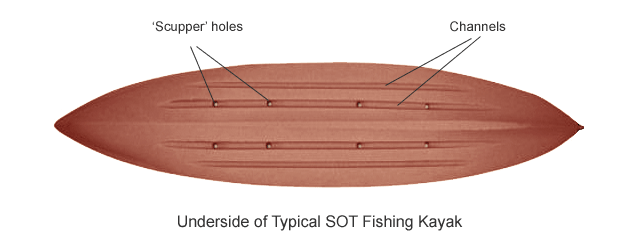
Credit: wavewalk.com
How To Care For Your Kayak’s Holes
Proper care keeps your kayak working well. Here’s what to do:
- Rinse your kayak after use, especially if paddling in salt water.
- Check scupper holes regularly for blockages like sand or leaves.
- Inspect for damage around the holes; even small cracks can get bigger with time.
- Store your kayak upside down or on its side to avoid pressure on the scupper holes.
Taking care of your kayak means you can trust it, whether you’re paddling on a calm lake or in ocean surf.
The Science Behind Scupper Holes
Kayaks float because of displacement—they push water aside, and the water pushes back, keeping the kayak afloat. Scupper holes do not affect this principle. The kayak’s plastic hull is sealed except for the designed holes, so as long as the holes are above the waterline when loaded, water stays out.
When waves splash over the deck, the water drains out through the holes instead of collecting. This is especially important in fast-moving rivers or the sea, where waves are bigger.
For more on boat design and physics, you can see this detailed guide from Wikipedia.

Credit: www.bendingbranches.com
Frequently Asked Questions
Why Do Some Kayaks Have Holes In The Bottom?
Some kayaks, mainly sit-on-top models, have scupper holes to let water drain out. This keeps the kayak lighter and safer, especially in rough water.
Can A Kayak Sink Because Of Scupper Holes?
No, as long as the kayak is used within its weight limit and the holes are not plugged when water is coming in, it will not sink. The hull is sealed and designed to stay afloat even with some water in the seating area.
Should I Always Use Scupper Plugs?
Not always. Use them if you want to keep your feet dry or in cold water, but be ready to remove them if water collects inside the kayak.
How Can I Tell If A Hole Is A Scupper Hole Or Damage?
Scupper holes are round, smooth, and in the same spot on every kayak of that model. Damage looks rough, uneven, or is found in random spots. If in doubt, check your kayak’s manual or ask the seller.
What Should I Do If My Kayak Has A Crack?
Stop using it right away. Small cracks can sometimes be fixed with special tape or a patch kit, but larger damage may need professional repair. Never paddle a kayak with an open crack or hole.
Kayaking is a fun and safe activity when you understand your equipment. Knowing why some kayaks have holes in the bottom—and how to use them correctly—can make your time on the water more enjoyable and stress-free. Whether you are a beginner or an experienced paddler, paying attention to these details will help you get the most out of every trip.