
When you look at a kayak, you might notice it comes in many shapes and sizes. But one measurement often surprises new paddlers: how wide is a kayak, really? This simple number can change everything, from how stable you feel on the water to how fast you can paddle. If you’re thinking about buying a kayak or just want to learn more, understanding kayak width is a smart move. Let’s explore what kayak width means, why it matters, and how to choose the right one for your needs.
What Does Kayak Width Mean?
Kayak width—also called “beam”—is the distance from one side of the kayak to the other at its widest point. Usually, this is measured in inches or centimeters. Most kayaks are between 22 inches and 36 inches wide. A few special types are even wider or narrower.
Kayak width is different from length. While length affects speed and tracking (how straight the kayak goes), width mostly affects stability and how easy it is to move the kayak through water. If you’re new to kayaking, width can be even more important than length.
Typical Kayak Widths By Type
Not every kayak is the same, and the width often depends on what the kayak is made for. Here’s a quick look at the average widths for different types of kayaks:
| Kayak Type | Average Width (inches) | Purpose |
|---|---|---|
| Recreational | 28-34 | Casual paddling, lakes, slow rivers |
| Touring (Sea) | 21-25 | Long trips, open water, speed |
| Whitewater | 23-28 | Rapids, fast rivers, maneuverability |
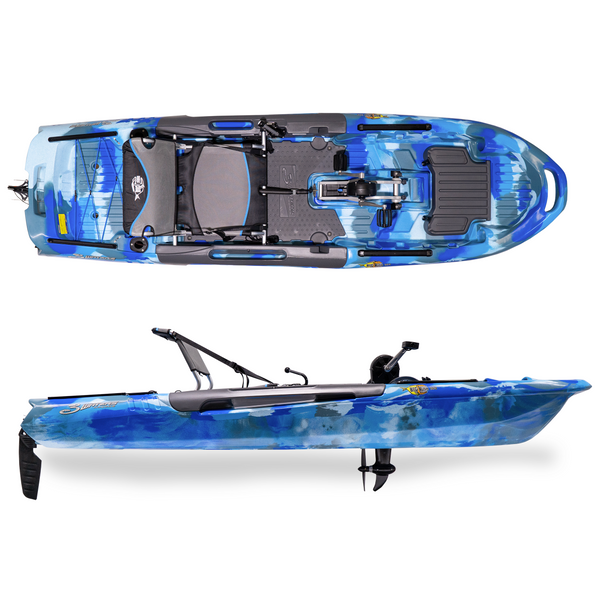
| Fishing | 32-36 | Stability for standing, gear storage |
| Inflatable | 30-36 | Portable, casual use |
| Racing | 17-22 | Speed, competitive events |
As you can see, the widest kayaks are often for fishing or casual use. The narrowest kayaks are designed for speed and racing.
Why Kayak Width Matters
Many beginners think “wider is better” because wide kayaks feel stable. But that’s not always true for everyone. Here are the main ways kayak width changes your experience:
1. Stability
Wider kayaks are more stable. If you stand up to fish, or if you are nervous about tipping over, a wide kayak is comforting. Narrow kayaks feel “tippier,” but they can be stable in a different way (called secondary stability, which is important for turning or rough water).
2. Speed
Wide kayaks are slower. They push more water as you paddle, so you need more energy. Narrow kayaks slice through the water quickly. If you want to paddle long distances or go fast, choose a narrow kayak.
3. Maneuverability
Narrow kayaks turn faster and easier. This is why whitewater and sea kayaks are not very wide. Wide kayaks can feel slow to turn, especially in tight places.
4. Comfort And Fit
If you have long legs or a big body, a wider kayak gives you more room. But if you are short or have small hands, a narrow kayak might feel better.
Measuring Kayak Width: What To Know
When you read kayak specs online or in a store, the width is usually the “maximum beam. ” This means the widest point of the kayak, not the seat or the cockpit. Sometimes, the width at the seat area is less than the maximum.
Always check if the seat is wide enough for you, not just the kayak’s widest part.
Some kayaks have flared sides that make them wider above the water but not at the waterline. This design can improve both stability and speed, but it’s not obvious from the specs alone. Trying out the kayak before you buy is the best way to know if the width feels right for you.

Credit: www.sportsmans.com
Kayak Width Vs. Length: Finding The Balance
It’s easy to focus only on width. But kayak length and width work together to change how a kayak behaves. Here’s how they interact:
- Short and wide: Super stable, easy to turn, but slow and not great for long distances.
- Long and narrow: Fast, tracks straight, but less stable for beginners.
- Long and wide: Stable and good for heavy loads, but still slower than narrow kayaks.
- Short and narrow: Quick and agile, but only for experienced paddlers.
If you are a beginner, you might want a kayak that is wide but not too short. Intermediate paddlers often prefer a mix—a kayak that’s not the widest or the longest, but balanced for their skills.
Here’s a simple comparison of kayak size combinations:
| Length | Width | Main Benefit | Main Drawback |
|---|---|---|---|
| Short | Wide | Very stable | Slow |
| Long | Narrow | Fast | Less stable |
| Long | Wide | Stable, good for gear | Heavy, not agile |
| Short | Narrow | Turns quickly | Unstable for beginners |
Factors That Affect How Wide A Kayak Feels
Sometimes two kayaks have the same width, but one feels much more stable or roomy. Why? Here are some less obvious factors:
- Hull shape: The bottom of the kayak (called the hull) can be flat, rounded, or V-shaped. Flat hulls feel stable but are slow. Rounded hulls are faster but feel “tippier.”
- Deck height: If the sides of the kayak are tall, it can feel roomier, even if the width is the same.
- Cockpit size: A wide cockpit makes it easier to get in and out.
- Side flare and chine design: Some kayaks have sides that slope out or have sharp angles. These features can add secondary stability, especially in rough water.
Credit: waterwaysusa.com
How To Choose The Right Kayak Width For You
Choosing the right width depends on your body size, skill level, and what you want to do with the kayak.
1. Consider Your Experience
- Beginner: Start with a wider kayak (at least 28 inches). It feels more stable while you learn.
- Intermediate/Advanced: You may want a narrower kayak (21–25 inches) for speed and challenge.
2. Think About Your Main Activity
- Fishing: Go wide (32–36 inches). Stability is key, especially if you stand up.
- Touring or sea kayaking: Choose narrow (21–25 inches). You’ll paddle faster and farther.
- Whitewater: Medium width (23–28 inches). You need quick turns and some stability.
- Recreational use: In the middle (28–32 inches) is usually best.
3. Match Your Body Size
If you are tall, heavy, or have broad hips, a wider kayak will feel more comfortable and stable. If you are small or light, a narrow kayak is easier to control.
4. Test Before You Buy
Specs can be confusing. The best way to know if a kayak’s width works for you is to try it. Many stores and clubs offer demo days. Even a short paddle can help you feel the difference between a 24-inch and a 32-inch kayak.
5. Don’t Ignore Transport And Storage
Wider kayaks are heavier and harder to carry. If you need to lift your kayak onto a car or store it in a small space, width matters.
Common Kayak Width Mistakes
Many first-time buyers make errors when choosing kayak width. Here are some to avoid:
- Assuming wider is always better: Too much width can make the kayak slow and hard to paddle.
- Ignoring your own size: A kayak that’s too narrow or too wide can be uncomfortable, even unsafe.
- Not considering the water type: Calm lakes are fine for wide kayaks, but ocean waves or fast rivers need a different shape and width.
- Overlooking cockpit size: Especially important if you have limited mobility or want easy access.
- Forgetting about group use: If you share your kayak with family, pick a width that suits the largest or least experienced user.
Real-world Examples
Let’s look at a few popular kayaks and their widths:
- Old Town Vapor 10 (recreational): 28.5 inches wide. Very stable, good for beginners.
- Perception Pescador Pro 12 (fishing): 32.5 inches wide. Stable enough to stand.
- Dagger Mamba 8.6 (whitewater): 26.75 inches wide. Balanced for quick turns.
- Wilderness Systems Tempest 165 (touring): 22 inches wide. Fast, tracks well, less stable for new paddlers.
These real numbers show how the purpose of the kayak changes its width.
Kayak Width And Paddle Choice
One thing beginners often miss: kayak width affects paddle length. If your kayak is wide, you’ll need a longer paddle to reach the water comfortably. If you use a paddle that’s too short for a wide kayak, you might hit your knuckles on the sides or tire out your arms quickly.
Most paddle makers have charts to help you pick the right length. Make sure to consider both your height and the kayak’s width.

Credit: kayakdave.wordpress.com
Kayak Width And Weight Capacity
Wider kayaks usually hold more weight. If you plan to carry camping gear, fishing tackle, or a child or pet, a wider kayak can help. But don’t just look at width—check the official weight capacity from the manufacturer.
Some paddlers make the mistake of thinking “more capacity is always better. ” But a kayak that’s much bigger than you need will feel sluggish and less fun. Try to choose a kayak with a weight limit that’s 100–150 pounds above your total load (you plus your gear).
Innovations In Kayak Width
In recent years, kayak makers have experimented with new hull shapes and materials. Some inflatable kayaks are now as stiff and fast as hard-shell models, even at a wide width. Other designs use “tunnel hulls” or catamaran shapes for extra stability without extra drag.
One smart feature to look for: adjustable foot braces. These let you fit a wider kayak to your body, making paddling easier even if the kayak itself is big.
For more detailed information about kayak design and how width affects performance, visit the Wikipedia Kayak Page.
Frequently Asked Questions
How Wide Is A Standard Kayak?
A standard recreational kayak is usually 28 to 32 inches wide. Touring or sea kayaks are narrower, around 21 to 25 inches. Fishing and inflatable kayaks are often the widest, at 32 inches or more.
Does A Wider Kayak Mean Better Stability?
Yes, wider kayaks are generally more stable, especially when sitting still or moving slowly. But some “secondary stability” in narrower kayaks helps in rough water or when leaning into turns.
Can I Use A Narrow Kayak If I’m A Beginner?
You can, but it might feel less stable at first. Most beginners prefer a kayak at least 28 inches wide to build confidence. As your skills improve, you can try narrower models for more speed.
Is Kayak Width Important For Tall Or Heavy Paddlers?
Absolutely. Tall or heavy paddlers need a kayak that is wide enough for comfort and stability. Too narrow, and you’ll feel cramped or unstable. Always check both the width and the cockpit size.
How Does Kayak Width Affect Speed?
The wider the kayak, the more water it must push aside. This makes it slower and harder to paddle over long distances. Narrow kayaks are faster and track straighter, but they require more balance and skill.
Choosing the right kayak width is about more than just a number. It’s about your comfort, safety, and enjoyment on the water. Take the time to test different widths, and you’ll find the perfect fit for your paddling adventures.