
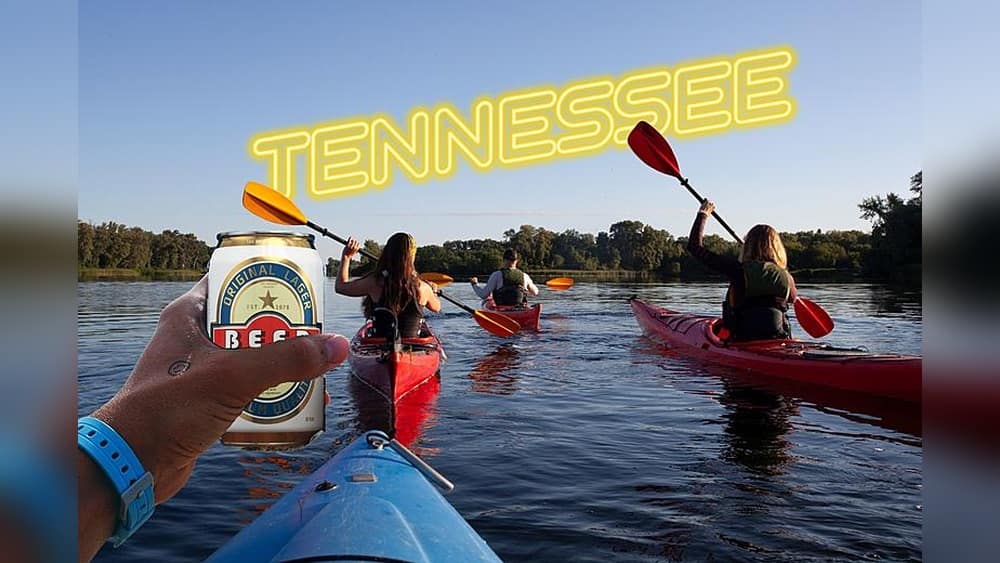
Kayaking is a sport that attracts adventure lovers and nature fans alike. Paddling on a calm lake, a fast-moving river, or along the coastline lets you connect with the outdoors in a unique way. But a question often comes up, especially during social paddling trips: Can you drink while kayaking? The answer is more complex than a simple yes or no. It depends on laws, safety, and smart choices. If you are planning to kayak and wonder about bringing alcohol or other drinks, this guide will explain everything you need to know.
Legal Rules About Drinking And Kayaking
Many people are surprised to learn that boating under the influence (BUI) laws often apply to kayaks, not just motorboats. In most regions, a kayak is considered a vessel, so the same drinking rules for boats apply to kayaks.
Is It Illegal To Drink Alcohol While Kayaking?
In the United States, nearly every state has laws that make it illegal to operate any vessel—including kayaks—while under the influence of alcohol or drugs. The legal blood alcohol concentration (BAC) for boating is usually 0. 08%, just like for driving a car.
If you are caught above this limit, you can face heavy fines, lose your boating license, or even go to jail.
Other countries, like Canada and the United Kingdom, have similar laws. In some places, even open containers of alcohol on your kayak are not allowed, whether or not you are drinking.
Penalties For Drinking While Kayaking
The penalties for being caught under the influence while kayaking are serious. Here’s a quick comparison of BUI penalties in a few regions:
| Country/State | First Offense Penalty | Notes |
|---|---|---|
| USA (most states) | Fines up to $2,500 and/or jail | Criminal record possible |
| Canada | Fines, boat seizure, possible jail | Open container often illegal |
| UK | Fines, possible ban from waterways | Applies to all vessels |
If you plan to kayak outside your home country, check local laws before bringing alcohol.
Safety Risks Of Drinking While Kayaking
Even if drinking while kayaking is technically allowed in your area, it’s not a good idea. Alcohol and water are a risky mix.
How Alcohol Affects Kayaking Ability
Alcohol slows your reaction time, makes your balance worse, and weakens your decision-making. These are all critical skills for kayaking. One small mistake on the water can lead to tipping over, hitting rocks, or getting lost.
- Balance problems: Even one drink can make it harder to keep your kayak steady.
- Slower reflexes: You may not react quickly if you hit a wave or need to avoid an obstacle.
- Poor judgment: Alcohol can make you overconfident, leading to risky choices.
Drowning Risk Increases
According to the U. S. Coast Guard, alcohol is a factor in about 18% of all boating deaths. Most deaths happen because someone fell overboard or capsized and could not swim well enough to survive. Cold water, strong currents, or lack of a life jacket make the risk even higher.
Hidden Dangers Beginners Miss
Many new kayakers do not realize:
- You can become dehydrated faster when drinking alcohol and being active in the sun.
- Alcohol can make hypothermia set in sooner, even on warm days, if you fall into the water.
Social Kayaking And Alcohol
Kayaking is often a social activity. People want to relax and have fun, so alcohol sometimes becomes part of the plan. Understanding how to enjoy your time safely is important.
Group Responsibility
If you are kayaking with friends, remember that one person’s poor decision can put the whole group at risk. If someone is drinking heavily, they may need help if they tip over, which could put you in danger too.
Alternatives To Alcohol
There are many ways to enjoy a group kayaking trip without alcohol. Try bringing along:
- Flavored water or sports drinks
- Non-alcoholic beers or mocktails
- Light snacks and easy-to-pack meals
These choices keep everyone hydrated and reduce the risk of accidents.
Comparing Kayaking To Other Water Sports
Some people think kayaking is different from boating or jet skiing because it is “just a paddle sport. ” However, the risks are similar.
| Activity | Main Risk When Drinking | Common Legal Limit (BAC) |
|---|---|---|
| Kayaking | Capsizing, drowning, poor navigation | 0.08% |
| Motor Boating | Collisions, speeding, loss of control | 0.08% |
| Jet Skiing | High-speed crashes, falls | 0.08% |
No matter the watercraft, alcohol increases the chance of an accident.
How To Stay Safe When Kayaking
If you want to have the best experience on the water, follow these smart safety steps.
1. Avoid Alcohol Before And During Kayaking
The safest choice is not to drink before or during your kayaking trip. Wait until you’re back on shore for your first drink.
2. Always Wear A Life Jacket
A personal flotation device (PFD) is your best protection if you end up in the water. Make sure it fits well and is approved for kayaking.
3. Plan Your Route And Know The Weather
Check the weather forecast and water conditions. Alcohol can make you underestimate risks like strong currents or approaching storms.
4. Paddle With A Buddy
Never kayak alone, especially if there’s a chance someone in your group may drink. A buddy system can be a lifesaver.
5. Bring Water And Snacks
Pack enough water and snacks to stay hydrated and keep your energy up. Avoid drinks that make you lose more water, like alcohol or strong coffee.
6. Know The Signs Of Trouble
Learn to spot hypothermia, dehydration, and alcohol poisoning. If someone feels confused, dizzy, or acts strangely, get them off the water quickly.
7. Have An Emergency Plan
Carry a whistle, a charged phone in a waterproof case, and know how to call for help. Let someone on land know your plans.
Myths About Drinking And Kayaking
There are many myths about alcohol and kayaking. Clearing up these ideas can save lives.
Myth 1: “it’s Just One Beer—what’s The Harm?”
Even a single beer can affect your balance and decision-making, especially on the water where conditions change quickly.
Myth 2: “kayaks Are Slow, So It’s Safe”
Kayaks can tip easily, and strong currents can move you into dangerous areas faster than you think.
Myth 3: “i’m Experienced, So I Can Handle It”
Accidents can happen to anyone, no matter how skilled they are. Alcohol reduces everyone’s ability to react, not just beginners.
Real-world Examples
Hearing about real accidents helps you understand the risks. In 2022, a group in California went kayaking after a few drinks. One member capsized and could not get back in his kayak. His friends were not able to help fast enough, and he nearly drowned before help arrived.
In Australia, a kayaker was fined over $1,000 for being over the legal limit, even though he thought the law did not apply to him. These examples show that both the law and nature do not give warnings.
What If You Drink After Kayaking?
Many people enjoy a drink after a long paddle. This is usually safe, but remember:
- Wait until you are off the water and your kayak is stored.
- Rehydrate with water first.
- Avoid driving home if you have been drinking.
The Best Approach: Enjoy Responsibly
If you want to make the most of your kayaking trip, the best choice is clear: paddle first, then celebrate. Save your drinks for after the adventure. This not only keeps you safe but also protects your friends and others sharing the water.
When Kayaking Events Serve Alcohol
Some organized kayaking events offer alcohol at the end. These events usually:
- Only serve alcohol on shore after paddling is over.
- Check IDs and limit how much is served.
- Remind guests not to drive home if they have been drinking.
If you attend these events, follow the rules and pace yourself.

Credit: www.youtube.com
What About Non-alcoholic Drinks?
Non-alcoholic beers and mocktails are growing in popularity. These let you join the fun without the risks of alcohol. Just make sure your drinks are in sealed, non-glass containers to avoid littering or injury.
Practical Tips For Kayak-friendly Drinks
If you want to bring drinks on your kayak, keep these rules in mind:
- Use reusable bottles—they are better for the environment and less likely to break.
- Avoid glass—broken glass is dangerous if you capsize.
- Keep drinks secure—use a small cooler or dry bag to prevent spills.
- Stay hydrated with water—drink before you feel thirsty.
Credit: georgia4h.org
International Laws At A Glance
Here is a quick look at how some countries handle drinking while kayaking:
| Country | Alcohol Limit (BAC) | Open Container Law |
|---|---|---|
| USA | 0.08% | Varies by state |
| Canada | 0.08% | Often banned |
| Australia | 0.05% | Allowed in some states |
| UK | No specific limit, unsafe operation illegal | Not allowed on many waterways |
Always check local rules before you go out.
Frequently Asked Questions
Can You Get A Dui For Kayaking While Drunk?
Yes, in most places you can be charged with a boating under the influence (BUI) or even a DUI if you operate a kayak while drunk. The penalties can include fines, losing your boating license, or even jail time.
Is It Safe To Drink A Small Amount Of Alcohol While Kayaking?
Even small amounts of alcohol can affect your balance and reaction time, which increases the risk of accidents. The safest choice is to avoid alcohol until you are finished paddling.
Do Open Container Laws Apply To Kayaks?
In many regions, open container laws do apply to kayaks. This means you can be fined for having an open bottle or can, even if you are not drinking. Check local laws before bringing alcohol.
What Drinks Are Best For Kayaking?
The best drinks for kayaking are water, sports drinks, and non-alcoholic beverages. They help you stay hydrated and alert. Avoid alcohol, energy drinks, and very sugary drinks.
Can You Drink After Kayaking?
Yes, it is usually safe to enjoy a drink after you are off the water and your kayak is stored. Make sure to hydrate with water first and avoid driving if you have been drinking.
Kayaking is a wonderful way to explore and enjoy nature. By staying smart about drinking, you protect yourself and others. If you want to learn more about water safety laws, visit the Wikipedia page on Boating Under the Influence. Paddle safely and make every trip a good memory.

Credit: 103gbfrocks.com