
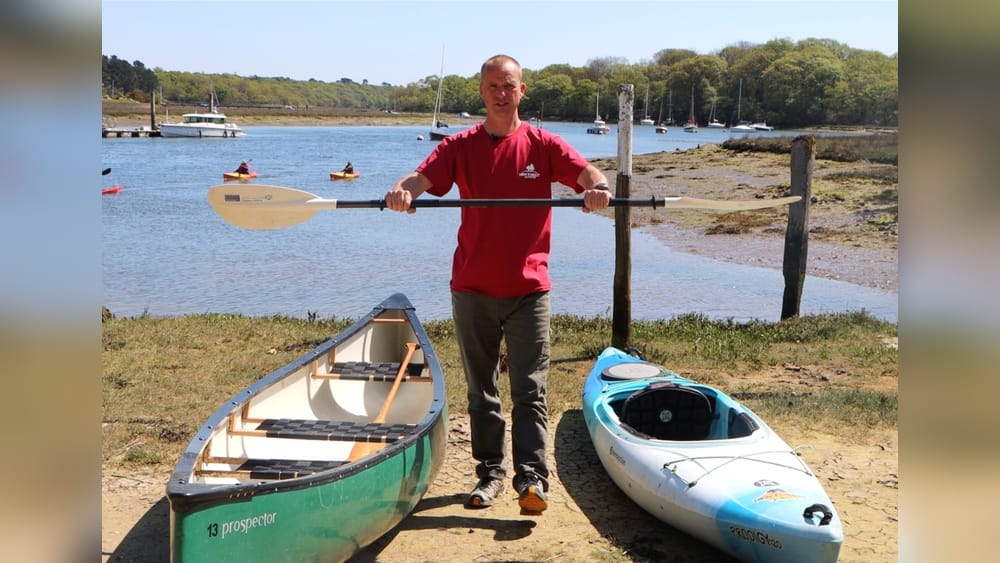
Kayaking and boating are two exciting ways to enjoy the water, connect with nature, and experience adventure. Both activities offer unique benefits, challenges, and experiences. Yet, many people wonder which one is right for them. Should you grab a paddle and set out in a kayak, or fire up the engine and cruise in a boat? The answer depends on your goals, skills, budget, and what kind of adventure you want. This article explores every key difference, advantage, and challenge between kayaking and boating. You’ll also find practical advice, real-world examples, and insights that help you make a confident choice.
What Is Kayaking?
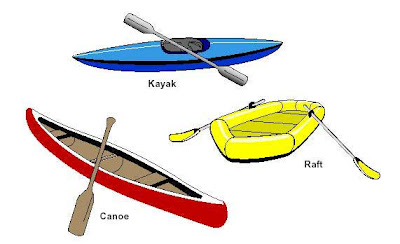
Kayaking involves paddling a small, narrow watercraft called a kayak. You sit facing forward with your legs in front, using a double-bladed paddle to move. Kayaks come in many shapes and sizes, from short, agile whitewater models to long, sleek sea kayaks.
Kayaking is often seen as both a sport and a relaxing outdoor activity. Some people paddle for fitness or competition, while others seek the peace of gliding across a quiet lake. Kayaking is accessible to beginners, but skilled paddlers can take on challenging rivers, open seas, or multi-day expeditions.
What Is Boating?
Boating refers to traveling on water in a larger watercraft, usually powered by an engine, sails, or sometimes oars. Boats range from small rowboats to luxurious yachts. Most people think of motorboats when they hear “boating,” but the category includes sailboats, fishing boats, pontoons, and more.
Boating is often a social activity. Families and friends gather for day trips, fishing, water sports, or simply relaxing on the water. Boating can be as simple as a quiet row on a pond or as complex as navigating a large vessel through busy waterways.
Comparing Kayaking And Boating: Key Differences
To choose between kayaking and boating, you need to understand how they differ in terms of experience, cost, accessibility, skill requirements, safety, and more.
Watercraft Design And Operation
Kayaks are typically light, narrow, and designed for one or two people. You propel and steer them using a paddle. Kayaks sit low in the water, making you feel very close to the surface. This gives a sense of connection with the water, but you’re more exposed to splashes and weather.
Boats are larger and can carry several people. Most are powered by engines or sails, so you don’t need to paddle. Many boats have comfortable seating, storage, and sometimes shelter. You’re higher above the water, which can feel safer and drier, but you lose some of the direct contact with nature that kayaking offers.
Physical Effort And Fitness
Kayaking is a full-body workout. Paddling builds upper body strength, core stability, and cardiovascular health. Even slow paddling burns calories—about 280-450 calories per hour for a 150-pound person. It’s a great way to combine exercise with adventure.
Boating requires much less physical effort, especially if you use a motorboat or sailboat. You may need to lift equipment, pull lines, or steer, but most of the time you’re sitting. Boating is better for people who want to relax, socialize, or have mobility limitations.
Cost And Affordability
Kayaking is usually much cheaper than boating. A good beginner kayak costs $300–$800. Add a paddle, life jacket, and transport accessories, and you can start for under $1,000. Many kayaks fit on car roofs, so you don’t need a trailer or special storage.
Boating can be much more expensive. Even a small used motorboat may cost $3,000–$10,000, and new models can be $20,000 or more. You need insurance, registration, maintenance, fuel, and sometimes a marina slip. Storage and transportation are also more complex and costly.
Table: Typical Cost Comparison
| Item | Kayaking | Boating (Motorboat) |
|---|---|---|
| Starter Watercraft | $300–$800 | $3,000–$10,000 (used) |
| Essential Gear | $100–$300 | $500–$2,000 |
| Yearly Maintenance | $50–$200 | $500–$2,000 |
| Transport/Storage | Car roof or garage | Trailer/marina slip |
| Fuel | None (human-powered) | $300–$2,000/year |
Learning Curve And Skills Needed
Kayaking is easy to learn at a basic level. Most people can paddle and steer after a short lesson. But advanced skills—like rolling, whitewater navigation, or sea kayaking—take practice. Safety training is important, especially for rough water or remote trips.
Boating can require more learning, especially for larger vessels. You need to understand navigation, rules of the water, engine operation, docking, and sometimes radio communication. In some places, you need a boating license or safety certificate.
Safety Considerations
Both kayaking and boating involve risk. Weather changes, waves, collisions, and capsizing can happen. But the risks are different.
- In a kayak, you can capsize and need to know how to recover or swim to shore.
- In a boat, engine failure or running aground can leave you stranded.
Kayaking is generally safer on calm, close-to-shore waters. Boating is safer for long distances, rough weather, or when you want to carry more safety equipment.
Table: Common Safety Risks
| Risk | Kayaking | Boating |
|---|---|---|
| Capsizing | High in rough water | Low, but possible |
| Engine Failure | None (no engine) | Possible, requires plan |
| Getting Lost | Possible, less likely | Possible, especially offshore |
| Weather Changes | Dangerous, less shelter | Can seek shelter or return faster |
Social And Family Aspects
Kayaking is often a solo or small-group activity. Most kayaks hold 1–2 people, though some tandem and family models exist. Kayaking is quiet, peaceful, and good for those who enjoy solitude or close conversation.
Boating is ideal for groups, parties, and family trips. Larger boats can carry 4–10 people or more. You can bring pets, picnic supplies, fishing gear, or even tow water toys. Boating is often a social centerpiece—think barbecues on a pontoon, or fishing trips with friends.
Access To Water
Kayaks can launch almost anywhere: lakeshores, rivers, beaches, or even small creeks. You don’t need a ramp or dock. This makes it easy to find uncrowded spots and hidden places.
Boats usually need a launch ramp or marina. You may be limited to larger bodies of water, and launching can be crowded or require a fee. But once launched, boats can travel farther and faster, reaching distant islands or fishing spots.
Environmental Impact
Kayaking is a low-impact activity. It doesn’t require fuel, makes little noise, and disturbs wildlife less. Kayaks can access shallow, sensitive areas without damage.
Boating, especially with engines, uses fuel and can cause water pollution. Noise can scare fish and birds. Responsible boating, using clean engines and following local rules, can reduce impact.
When Kayaking Is The Better Choice
Kayaking is ideal for people who want:
- Exercise with adventure: You’ll get fit while enjoying the outdoors.
- Low cost: Entry and ongoing costs are much lower than boating.
- Quiet and solitude: Kayaks are nearly silent, perfect for wildlife watching or meditation.
- Easy access: Launch almost anywhere, even on small rivers or ponds.
- Minimal gear: No need for trailers or gas.
Kayaking is especially good for exploring narrow rivers, small lakes, and coastal areas. You can get close to wildlife, visit spots no boat can reach, and enjoy a simple, direct connection with the water.
Non-obvious insight: Many beginners miss that kayaks are also great for fishing. Specialized fishing kayaks exist, offering stability and access to shallow waters where big boats can’t go. Another overlooked benefit is that inflatable kayaks allow people with limited storage or no roof racks to enjoy paddling—these pack down into a small bag for easy transport.

Credit: www.shutterstock.com
When Boating Is The Better Choice
Boating is best if you want:
- Group outings: Bring family, friends, or pets with comfort.
- Long distances: Travel farther and faster than you could paddle.
- Fishing or water sports: Tow water skiers, tubes, or fish offshore.
- Comfort and shelter: Stay dry, bring coolers, or even sleep onboard.
- Safety in rough water: Larger boats handle waves and weather better.
Boating is perfect for big lakes, open seas, or when you need to carry a lot of gear. It’s also the choice if you want to host events or enjoy luxury features.
Non-obvious insight: Many people don’t realize that licensing and regulations can vary widely by region. In some areas, even small motorboats require registration, safety checks, and a boating license. Another overlooked factor is that boat ownership often comes with community—marinas and clubs offer social events, shared knowledge, and even help with maintenance.
Pros And Cons: A Side-by-side View
Here’s a clear summary to help you compare:
Kayaking Pros
- Affordable to buy and maintain
- Great exercise and health benefits
- Easy to transport and store
- Connects you closely with nature
- Quiet and environmentally friendly
- Launch almost anywhere
Kayaking Cons
- Limited passenger/cargo space
- Exposed to weather and water
- Slower travel, limited range
- Not ideal for large groups
Boating Pros
- Comfort and shelter for groups
- Fast, long-distance travel possible
- Good for fishing, water sports, picnics
- Can carry heavy gear
- Safer in rough water
Boating Cons
- High costs: Purchase, fuel, insurance
- Needs launch ramp, marina, or dock
- More complex operation and maintenance
- Louder, less environmentally friendly
Real-world Scenarios
A Solo Nature Explorer
Maria loves birds and quiet mornings. She puts her 30-pound kayak on her car, drives to a hidden lake, and spends sunrise paddling among reeds. She sees herons up close, hears nothing but water, and gets exercise at the same time.
A Family Weekend On The Lake
The Johnson family loads their 18-foot motorboat with snacks, fishing rods, and floaties. They spend the day cruising, swimming, and towing the kids on a tube. There’s shade, music, and everyone can join.
A Group Fishing Adventure
Three friends want to catch big fish offshore. They rent a boat, travel 10 miles out, and anchor for the day. They have space for gear, a cooler for their catch, and shelter from the sun.
A Couple’s Peaceful Afternoon
Jin and Li rent a tandem kayak and explore a slow river. They paddle gently, stop for photos, and enjoy a picnic on the bank. They appreciate the simplicity and quiet.
Skill-building Tips
If you’re new to either activity, start small and learn from others.
- Take a lesson: Many outdoor shops and clubs offer beginner kayaking or boating lessons.
- Practice safety: Always wear a life jacket. Learn basic rescue techniques and what to do if you fall in.
- Check local laws: Some regions require a safety course or license for boating, and some have kayak-specific rules.
- Join a group: Local paddling or boating clubs offer trips, advice, and equipment help.
A common beginner mistake is underestimating the weather. Check forecasts, and avoid strong winds, storms, or fast-moving water until you have more experience.
Environmental And Social Responsibility
Whether you choose kayaking or boating, follow Leave No Trace principles:
- Pack out all trash and gear.
- Stay off sensitive wildlife areas.
- Use eco-friendly products (fuel, cleaners).
- Respect noise limits and other users.
Being responsible protects the water for everyone.
Kayaking And Boating For Special Needs
Both activities can be adapted for people with disabilities or limited mobility. There are adaptive kayaks with extra stability and custom seating, and many boating clubs offer accessible docks or lifts. It’s important to contact local organizations for advice and support.

Credit: www.youtube.com
How To Decide: Questions To Ask Yourself
Choosing between kayaking and boating is personal. Here are some helpful questions:
- Do I want exercise or relaxation?
- Will I go alone or with others?
- What’s my budget for gear and ongoing costs?
- How much time do I have for setup and maintenance?
- Where will I store my watercraft?
- What kind of water will I use—small lakes, rivers, or the sea?
- Am I comfortable learning new skills or safety rules?
- How important is being close to nature or wildlife?
Your answers will point toward the best option for your lifestyle.
Key Trends And Future Outlook
Kayaking is growing fast, especially among young people and those living near water. Inflatable and foldable kayaks make it even more accessible. The American Canoe Association reports millions of new kayakers in recent years, and sales of beginner-friendly kayaks are rising.
Boating is also changing. Electric and hybrid engines, better safety tech, and eco-friendly designs are more common. Shared boating (like car-sharing) is growing, making it easier to rent a boat for a day instead of owning one.
Both activities are becoming more inclusive, with more options for all ages, abilities, and interests.
Popular Destinations For Kayaking And Boating
Some areas are famous for one or both activities:
- Kayaking: The Boundary Waters in Minnesota, Lake Tahoe, the Florida Everglades, and Norway’s fjords are world-class spots for paddlers.
- Boating: The Great Lakes, Lake Powell, the Mediterranean Sea, and the Caribbean are favorites for boaters seeking long journeys and group fun.
Research local rules and conditions before planning a trip. Some places require special permits or have limits on boat size or engine type.
For more detailed resources and safety tips, visit the American Canoe Association.
Frequently Asked Questions
What Is The Main Difference Between Kayaking And Boating?
The main difference is how you move and experience the water. Kayaking uses a paddle and your own strength, while boating usually means using an engine or sails. Kayaking feels more direct and close to nature; boating offers more comfort and the ability to carry groups and gear.
Do I Need A License For Kayaking Or Boating?
In most places, you do not need a license for recreational kayaking. However, some areas may require registration for certain types of kayaks or for safety. Boating often requires a license or safety certificate, especially for larger or motorized boats.
Always check local laws before you start.
Which Is Safer: Kayaking Or Boating?
Both can be safe if you follow rules and use the right gear. Kayaking is usually safer on calm, close-to-shore waters, but capsizing is a risk. Boating is safer for longer trips, rough water, or when you need shelter, but engine failure or navigation mistakes can be dangerous.
Training and preparation are key for both.
Can I Fish From A Kayak Or A Boat?
Yes, you can fish from both. Fishing kayaks are stable and great for shallow or quiet waters. Boats let you carry more gear, travel farther, and even fish offshore. Choose based on where you want to fish and how much equipment you need.
What Is Better For Families With Children?
Boating is usually better for families, especially with young children, because of the space, comfort, and safety. You can bring food, toys, and supplies. However, kayaking can be fun for older kids or small groups, and tandem kayaks are available for parents and children.
Kayaking and boating both open a world of adventure. By understanding the differences, considering your goals, and preparing well, you can enjoy the water in the way that suits you best.
Credit: www.outyourbackdoor.com