
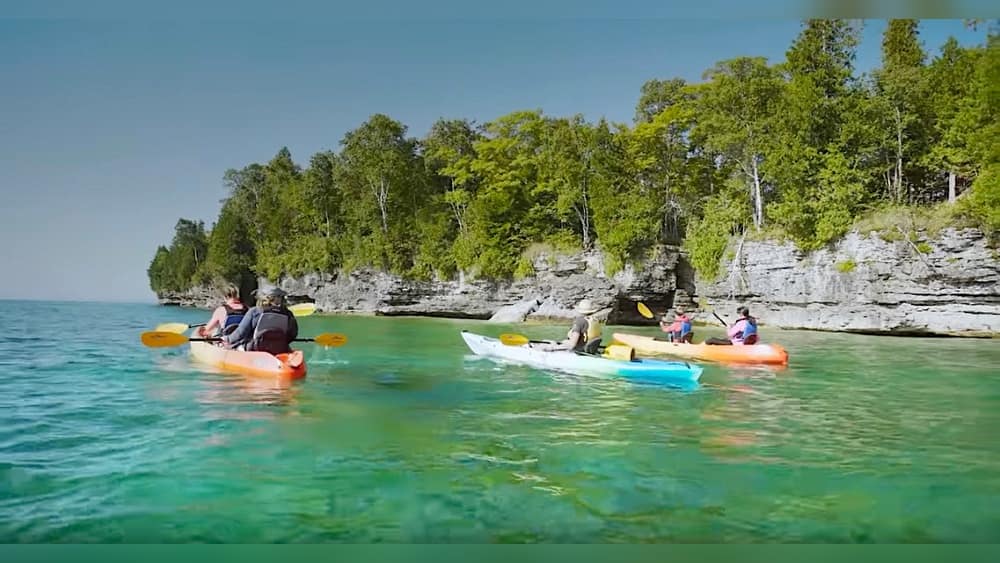
Kayaking is becoming more popular every year, and for many people, lakes are the first place they think about paddling. If you’re wondering whether kayaks are good for lakes, you’re not alone. This question is important for beginners, families, and even those who are considering buying their first kayak.
Let’s take a closer look at why kayaks are a great choice for lake adventures, what types of kayaks work best, and how to make your lake kayaking experience safe and enjoyable.
Why Kayaks Are A Great Choice For Lakes
Lakes offer calm water, beautiful scenery, and a peaceful environment. Kayaks are designed to be stable and easy to control, which makes them ideal for these conditions. Unlike rivers or oceans, lakes usually don’t have strong currents or big waves. This means even beginners can paddle with confidence.
One of the main reasons kayaks are perfect for lakes is their versatility. You can use a kayak for exercise, sightseeing, fishing, or just relaxing. Kayaks are also quiet, so you won’t scare away wildlife or disturb other people. Compared to motorboats, they are better for the environment and cost much less to maintain.
Advantages Of Using Kayaks On Lakes
Kayaks have several advantages over other types of boats when used on lakes:
- Easy to Transport: Most kayaks are lightweight and can fit on a car roof rack. You don’t need a trailer or special equipment.
- Simple Launching: You can launch a kayak from almost any shore. There’s no need for a boat ramp or dock.
- Quiet Operation: Kayaks don’t use motors, so you can enjoy the sounds of nature.
- Close to Water: Sitting near the surface gives you a unique view of the lake and its wildlife.
- Affordable: Entry-level kayaks are often much cheaper than canoes or motorboats.
- Exercise Benefits: Paddling is a great workout for your arms, back, and core.
Data: Comparing Kayaks, Canoes, And Motorboats On Lakes
To see how kayaks compare to other watercraft for lakes, consider these factors:
| Feature | Kayak | Canoe | Motorboat |
|---|---|---|---|
| Cost (average) | $300–$1200 | $500–$1500 | $5000–$20,000+ |
| Transport | Car roof rack | Car roof rack/trailer | Trailer only |
| Noise | Very quiet | Quiet | Loud |
| Skill required | Beginner-friendly | Beginner to intermediate | Intermediate to advanced |
| Maintenance | Low | Low | High |
Kayaks are clearly the simplest and most cost-effective option for most lake users.
Credit: jackpinepaddle.com
Types Of Kayaks For Lake Use
Not all kayaks are the same. The best type for a lake depends on your goals, your size, and your experience.
Recreational Kayaks
Recreational kayaks are made for calm water. They are stable, easy to paddle, and often have a wide body. Most are 9–12 feet long, which makes them easy to turn. These are perfect for beginners, families, and anyone who wants a relaxing day on the lake.
Touring Kayaks
Touring kayaks are longer (12–17 feet) and narrower. They are built for speed and straight-line tracking. If you want to explore a large lake or paddle long distances, a touring kayak is a good choice. They often have more storage space for gear, which is useful for day trips or overnight camping.
Sit-on-top Kayaks
Sit-on-top kayaks have an open deck, so you sit on top of the boat instead of inside. These are very stable and easy to get in and out of, even if you tip over. They are a popular choice for fishing, swimming, or families with kids.
Inflatable Kayaks
Inflatable kayaks are made of strong, air-filled material. They are lightweight and easy to store. You can pack them in the trunk of a car or even carry them on public transport. While they are not as fast as hard-shell kayaks, they are great for casual paddling.
Fishing Kayaks
Fishing kayaks are designed with anglers in mind. They are usually wider for stability and have features like rod holders, gear mounts, and extra storage. If you enjoy fishing, these kayaks let you reach spots that are hard to get to from shore.
Tandem Kayaks
If you want to paddle with a friend, tandem kayaks are a good solution. They are longer and built for two people. Some can even be converted to solo use if needed.
Table: Types Of Kayaks And Their Best Lake Use
| Kayak Type | Best For | Typical Length | Stability |
|---|---|---|---|
| Recreational | Casual paddling, beginners | 9–12 ft | High |
| Touring | Long distance, speed | 12–17 ft | Medium |
| Sit-on-top | Fishing, families, swimming | 10–14 ft | Very High |
| Inflatable | Easy transport/storage | 8–12 ft | Medium |
| Fishing | Anglers | 10–14 ft | Very High |
| Tandem | Two paddlers | 12–18 ft | High |
What To Consider When Choosing A Lake Kayak
Choosing the right kayak for a lake is not only about type. Here are some factors to help you decide:
- Weight: Lighter kayaks are easier to carry and launch.
- Length and width: Longer kayaks are faster, but shorter ones are easier to turn. Wider kayaks feel more stable.
- Material: Plastic kayaks are tough and cheap. Fiberglass and composite kayaks are lighter and faster but more expensive.
- Storage space: If you want to bring food, cameras, or fishing gear, look for dry storage areas.
- Seat comfort: Make sure the seat is comfortable, especially for longer trips.
- Budget: Set a realistic budget, but remember that the cheapest options may not last as long.
One thing beginners often miss is the importance of paddle quality. A heavy or poorly made paddle can make your trip tiring. Invest in a lightweight, comfortable paddle—it makes a real difference.

Credit: www.visitutah.com
Kayak Safety On Lakes
While lakes are usually safer than rivers or the ocean, you still need to be careful. Here are some safety tips:
- Always wear a life jacket. Even if you are a good swimmer, accidents happen.
- Check the weather before you go. Wind can make paddling difficult or dangerous.
- Tell someone your plan. Let someone know where you’re going and when you’ll be back.
- Bring water and snacks. Paddling is exercise, so stay hydrated.
- Stay close to shore if you’re a beginner. It’s easier to get back if you get tired.
- Avoid alcohol while kayaking.
- Watch for boats. Some lakes have motorboats or jet skis, which can create waves.
Data: Most Common Kayak Accidents On Lakes
Studies show that the most common kayak accidents on lakes are:
- Capsizing due to standing or rough weather
- Collisions with larger boats
- Getting lost in large or unfamiliar lakes
- Sunburn or dehydration
Wearing a PFD (personal flotation device) cuts drowning risk by over 80%, according to the U.S. Coast Guard.
Kayak Activities Perfect For Lakes
Kayaks are not just for paddling in circles. Here are some fun things you can do with a kayak on a lake:
- Fishing: Many lakes are full of fish, and a kayak lets you reach quiet spots.
- Photography: Get close to birds, turtles, or beautiful scenery.
- Wildlife watching: Kayaks are silent, so you can sneak up on animals.
- Swimming: Paddle to a quiet spot, anchor your kayak, and jump in.
- Picnics: Pack a lunch and enjoy it on a remote shore.
- Exploring islands: Some lakes have small islands you can only reach by water.
A non-obvious tip: In the early morning, lakes are usually calm and empty. This is the best time for wildlife and sunrise photos. In the afternoon, winds often pick up, making paddling harder.
Common Mistakes People Make
Many beginners make the same mistakes. Here’s what to avoid:
- Ignoring weather forecasts: Even a small wind can make paddling hard.
- Buying a kayak that’s too cheap or too short: It may feel unstable or track poorly.
- Not wearing a life jacket: Safety is always more important than comfort.
- Bringing too much gear: Kayaks have limited space. Pack light.
- Not learning basic paddling skills: Take a lesson or watch videos before your first trip.
- Launching from steep or rocky shores: Choose a gentle, sandy spot.
Another thing beginners often miss: Practice getting in and out of the kayak near the shore. This builds confidence and helps avoid falls.
Environmental Impact Of Kayaks On Lakes
Kayaks are much better for the environment than motorboats. They don’t spill fuel or oil, and they don’t create noise pollution. This protects fish, birds, and plants. However, remember to:
- Clean your kayak between trips to avoid spreading invasive plants.
- Don’t disturb wildlife or nesting areas.
- Pack out all your trash.
For more about kayak conservation and best practices, check out the National Park Service guidelines.
Maintenance And Storage Tips
Taking care of your kayak will keep it in good shape for years. Here’s how:
- Rinse off dirt and sand after each trip, especially if you paddle in saltwater.
- Store in a cool, dry place out of the sun. UV rays can damage plastic.
- Check for cracks or leaks before and after each outing.
- Don’t drag your kayak on rocks or concrete.
- Store it upside down on racks or sawhorses.
If you have an inflatable kayak, make sure it is completely dry before storing to prevent mold.
Who Should Try Kayaking On Lakes?
Lake kayaking is for everyone—kids, adults, and older paddlers. If you have limited mobility, look for a sit-on-top kayak or wider models for extra stability. Kayaking is a low-impact sport that improves strength, balance, and mental health.
Families can enjoy short trips close to shore. Solo paddlers can enjoy the peace and quiet. Even fishing lovers and photographers find new adventures.

Credit: www.aquabound.com
Frequently Asked Questions
Is It Safe To Kayak On A Lake Alone?
Kayaking alone is possible, but it’s safer to paddle with a friend, especially if you are new. Always wear a life jacket and tell someone your plan before you go.
What Is The Best Time Of Day To Kayak On A Lake?
The best time is usually early morning or late afternoon. The water is calm, and there are fewer people. Avoid paddling during strong winds or thunderstorms.
Do I Need A Special License To Use A Kayak On A Lake?
In most places, you do not need a license for a kayak. However, some lakes require a permit or fee. Check local rules before you go.
How Do I Transport A Kayak To The Lake?
Most kayaks fit on a car roof rack. Make sure you use proper straps. Inflatable kayaks can fit in your trunk. Tandem or very heavy kayaks may need a trailer.
Can I Bring My Dog Or Child In A Kayak On A Lake?
Yes, many people kayak with pets or kids. Choose a stable, wide kayak. Make sure everyone wears a life jacket, including your dog.
Kayaks are a fantastic way to explore lakes, enjoy nature, and stay active. With the right kayak and some basic safety steps, you can have many great adventures on the water. Whether you paddle for exercise, fun, or fishing, lakes are the perfect place to start your kayaking journey.