
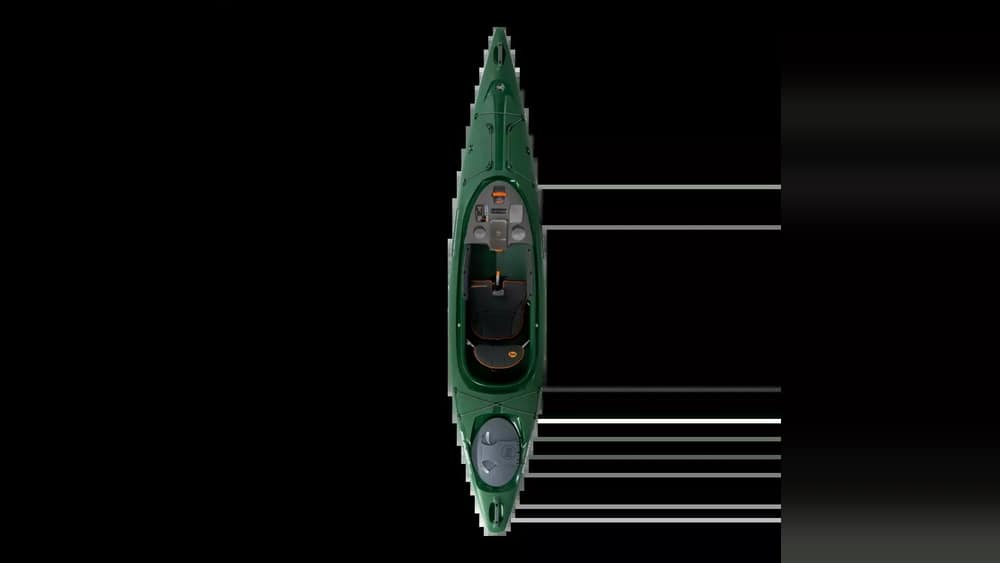
Choosing the right kayak can feel overwhelming, especially when comparing leading brands like Perception and Wilderness Systems. Both are respected names in the kayaking world, each with a long history and thousands of dedicated users. But which one is better for you? The answer depends on your needs, paddling style, and what you value most in a kayak. This guide will break down the real differences, strengths, and weaknesses of Perception and Wilderness Systems kayaks. You’ll find clear explanations, practical tips, and honest insights to help you make a confident choice, whether you’re a beginner or a seasoned kayaker.
Brand Backgrounds And Philosophy
Understanding the roots of each company can help explain why their kayaks are designed the way they are.
Perception: Accessible Adventure For All
Perception Kayaks started in the 1970s and quickly became known for making kayaking more accessible. Their focus has always been on building reliable, affordable boats for beginners and casual paddlers. Many people try kayaking for the first time in a Perception boat because these kayaks are easy to handle and generally cost less than high-end models. Perception’s design philosophy is about stability, comfort, and making the water feel welcoming for everyone.
Wilderness Systems: Performance And Innovation
Wilderness Systems is also a trusted brand, but its roots are in performance and innovation. Founded in the mid-1980s, Wilderness Systems targets paddlers who want more from their boats—greater speed, better tracking, and advanced features. Many of their models win awards for design and are popular with experienced kayakers and anglers who demand a lot from their gear. Wilderness Systems kayaks often cost more, but they offer extra features and higher performance.
Key Kayak Types: What Each Brand Offers
Both companies sell a wide variety of kayaks, but the types and features differ. Here’s how their major categories compare:
Recreational Kayaks
Perception shines in this category. Their recreational kayaks, like the Perception Joyride or Sound, are known for being stable, forgiving, and easy to get in and out of. The cockpits are often larger, which helps beginners feel less trapped. These kayaks are great for lakes, slow rivers, or even calm ocean bays.
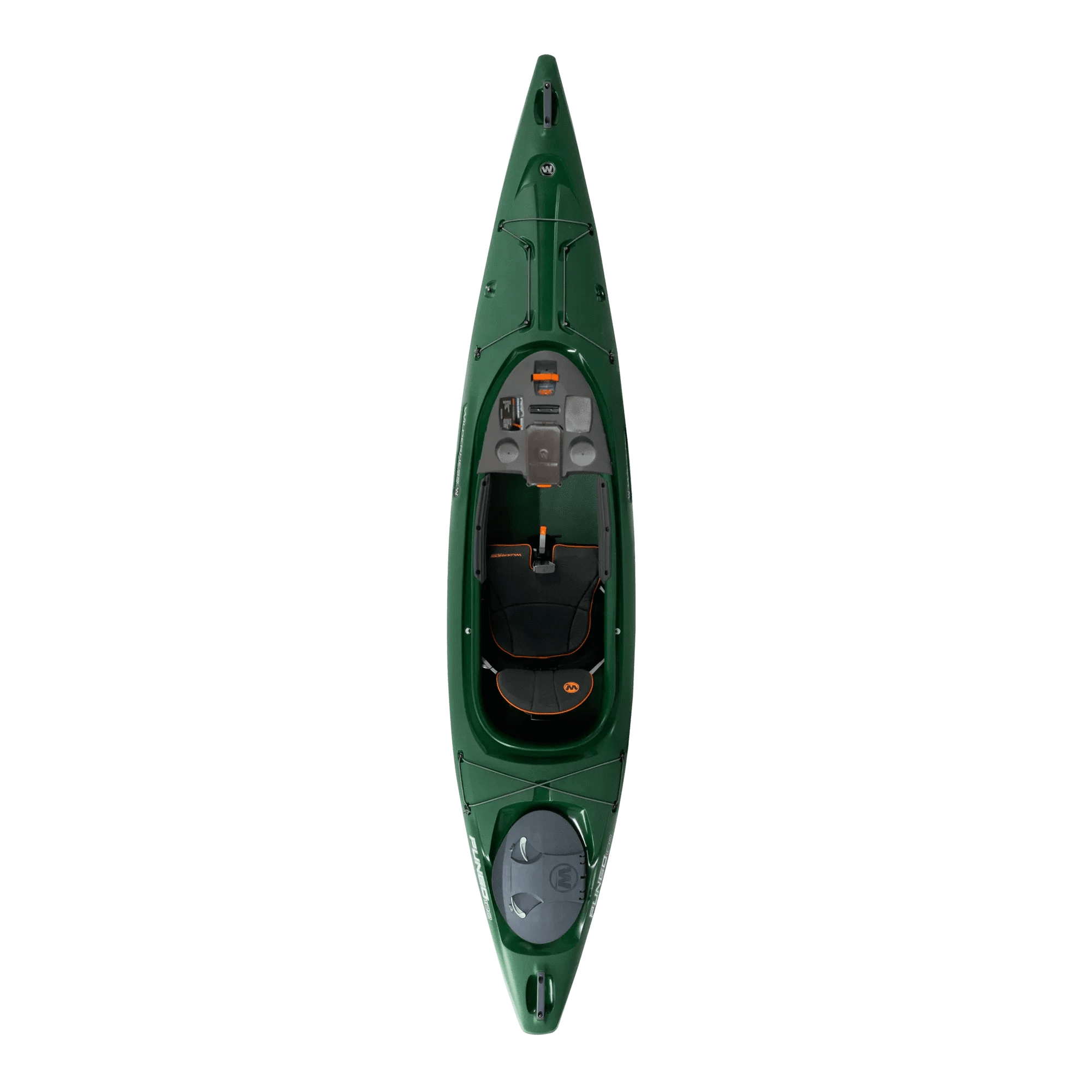
Wilderness Systems also offers recreational models, but with a twist. Their Pungo series, for example, blends comfort with better speed and tracking. The cockpits are still roomy, but you get more advanced seating and adjustability.
Touring And Expedition Kayaks
Wilderness Systems dominates this area. If you want to paddle long distances or explore rougher waters, their Tsunami and Tempest series are legendary. These kayaks have sleeker hulls, more storage, and features for serious journeys. Perception’s touring models exist but are usually simpler and aimed at shorter trips or lighter touring.
Sit-on-top Kayaks
Both brands make sit-on-top models, but the focus is different. Perception’s Tribe and Hi Life kayaks are all about fun and versatility. They’re great for swimming, fishing, or family trips.
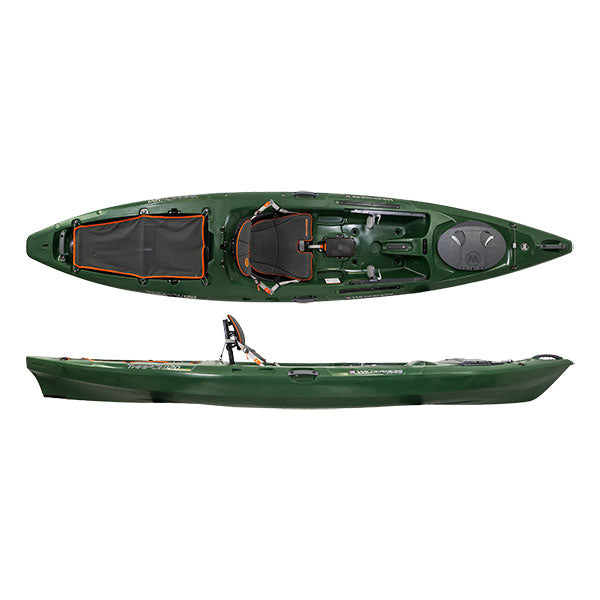
Wilderness Systems’ Tarpon line is more performance-oriented. These kayaks offer better tracking and comfort for longer outings or fishing trips, with extra features like adjustable seats and gear mounts.
Fishing Kayaks
Both companies are strong in fishing kayaks, but again, their styles differ. Wilderness Systems’ ATAK and Radar series are popular with serious anglers, offering more stability, weight capacity, and advanced options like pedal drives. Perception’s Outlaw and Pescador Pro are simpler but still very capable for casual and intermediate fishing.
Credit: ecofishingshop.com
Design And Build Quality
Materials And Durability
Both brands mainly use rotomolded polyethylene plastic for their hulls. This material is impact-resistant and affordable. Wilderness Systems sometimes uses higher-grade plastic, making their boats a bit stiffer and lighter, which can be felt on the water. Perception kayaks are tough but may feel heavier or less rigid in some cases.
A common mistake is thinking all plastic kayaks are the same. In reality, small differences in material quality and molding technique can change how the kayak handles, how long it lasts, and how much it weighs.
Comfort And Fit
Wilderness Systems leads the way in kayak comfort, especially with their Phase 3 AirPro seating system. These seats have more padding, better lumbar support, and multiple adjustment points. If you plan to paddle for hours, this can make a huge difference.
Perception’s seats are simpler but still comfortable for short trips. Most models have adjustable footrests and backrests but not as many fine-tuning options.
Storage And Outfitting
Wilderness Systems kayaks tend to have more hatches, gear tracks, and bungee storage. Anglers especially appreciate the extra mounting points for rods, cameras, or GPS units. Perception keeps things simpler—less to adjust, but fewer options for customization.
Here’s a quick side-by-side look at a popular recreational model from each brand:
| Feature | Perception Joyride 10.0 | Wilderness Systems Pungo 120 |
|---|---|---|
| Length | 10′ 0″ | 12′ 2″ |
| Width | 29.5″ | 29″ |
| Weight | 50 lbs | 49 lbs |
| Max Capacity | 275 lbs | 325 lbs |
| Seat Comfort | Basic padding, adjustable backrest | AirPro Phase 3, highly adjustable |
| Storage | 1 hatch, rear tankwell | 2 hatches, deck rigging, console |
Performance On The Water
Stability Vs. Speed
Perception kayaks are built for stability. Their hulls are wider and flatter, which makes the boat less likely to tip over. This is ideal for new paddlers or families with kids. However, wider kayaks are usually slower and harder to keep moving in a straight line.
Wilderness Systems often designs kayaks with a sharper keel and narrower shape. This means better tracking (holding a straight course) and higher speeds, but they can feel tippier until you get used to them. For long trips or windy conditions, this extra performance pays off.
Maneuverability And Tracking
Shorter, wider kayaks (like most Perception models) turn easily but don’t glide as far per stroke. Wilderness Systems’ longer models require more skill to turn, but once you’re moving, they keep their direction much better.
A common beginner mistake is choosing a kayak that feels “super stable” but is slow and hard to paddle on open water. If you plan to paddle more than an hour or in varied conditions, consider a model with more balance between stability and tracking.
Comfort In Different Conditions
Perception kayaks handle calm lakes and slow rivers very well. They’re less suited for rough, windy, or open water because the hulls ride higher and can get pushed around. Wilderness Systems kayaks, especially touring models, cut through waves and wind with less effort.
If you want to explore bigger water or paddle all day, their designs have a real advantage.
Price And Value
Entry-level Pricing
Perception kayaks are usually more affordable. Most recreational models cost between $400 and $900. This makes them a great choice for beginners or families who want to have fun on the water without a big investment.
Mid-range And Premium Models
Wilderness Systems kayaks start around $800 and can go well above $2,000 for high-end touring or fishing models. You’re paying for extra features, better materials, and more refined performance. For serious paddlers, the price can be worth it, but casual users might not need these extras.
Here’s a typical price range comparison:
| Type | Perception (Typical Price) | Wilderness Systems (Typical Price) |
|---|---|---|
| Recreational | $400–$900 | $900–$1,350 |
| Touring/Expedition | $700–$1,200 | $1,200–$2,500 |
| Fishing | $600–$1,200 | $1,200–$2,500 |
| Sit-on-Top | $500–$900 | $950–$1,500 |
Resale Value
Wilderness Systems kayaks often keep their value better on the used market. This is because they are seen as premium boats and have a strong reputation among experienced paddlers. Perception kayaks are easy to sell, but you may not recover as much of your investment.
Model Comparisons: Popular Choices Head-to-head
Let’s look at some of the most popular models from each brand and how they stack up.
Recreational: Perception Sound 10.6 Vs Wilderness Systems Pungo 105
- Perception Sound 10.6: Very stable, lightweight (about 46 lbs), and easy to transport. Basic seat, minimal outfitting, and one rear storage area. Great for calm lakes and short outings.
- Wilderness Systems Pungo 105: Slightly heavier but offers better seat comfort, more storage, and a sleeker hull for faster paddling. Handles a wider range of conditions.
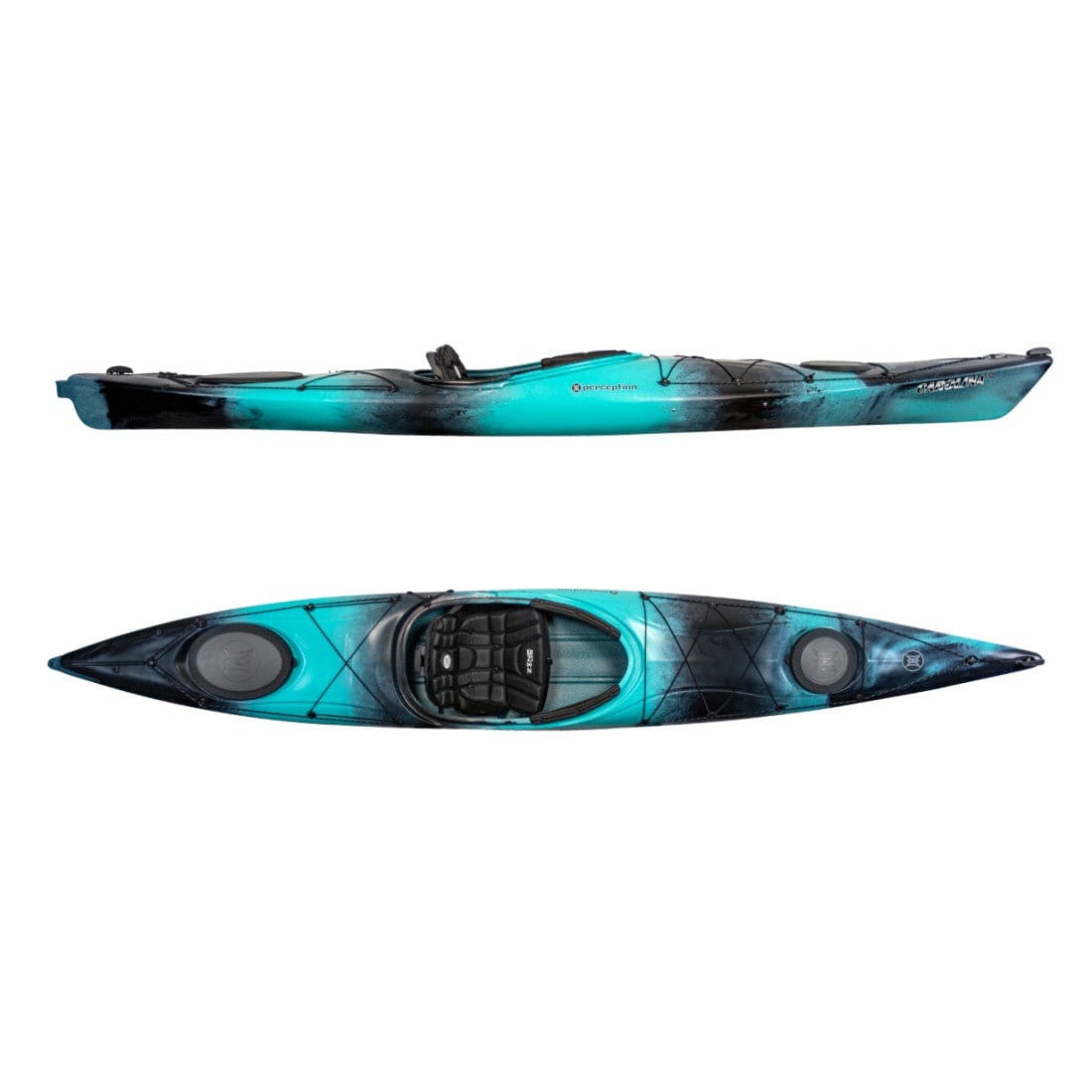
Touring: Perception Carolina 14 Vs Wilderness Systems Tsunami 140
- Perception Carolina 14: Good for beginners who want to try longer trips. Tracks well, with enough storage for overnight gear, but not as fast as high-end touring boats.
- Wilderness Systems Tsunami 140: Advanced hull design for speed and efficiency. Multiple hatches, premium seating, and better handling in wind and waves. Costs more but delivers extra performance.
Fishing: Perception Outlaw 11.5 Vs Wilderness Systems Atak 120
- Perception Outlaw 11.5: Stable, open deck for easy standing. Good weight capacity (425 lbs), three rod holders, and a simple seat. Affordable and tough.
- Wilderness Systems ATAK 120: Super stable, with more mounting options, adjustable AirPro Max seat, and the ability to add a pedal drive. Higher price, but much more customization for serious anglers.
Credit: festivewater.com
Where Each Brand Excels
Why Choose Perception Kayaks?
- Affordability: Lower price, good value for money
- Beginner-friendly: Wide, stable hulls that boost confidence
- Low maintenance: Simple outfitting means less to break or adjust
- Family use: Great for kids, pets, and casual outings
- Lightweight models: Easier to carry and store
Why Choose Wilderness Systems Kayaks?
- Performance: Faster, better tracking, more efficient paddling
- Comfort: Best-in-class seating and adjustability
- Advanced features: More storage, gear tracks, and customization options
- Durability: Slightly higher build quality and materials
- Resale value: Holds value better for upgrades later
Practical Buying Tips And Common Mistakes
- Assess your real needs. Many beginners buy the cheapest or most stable kayak, then outgrow it quickly. Think about where you want to paddle in the next few years.
- Test paddle if possible. Even small differences in seat comfort or hull shape can matter a lot. Try before you buy, especially if you’re between brands.
- Consider transportation and storage. A 12-foot kayak can be hard to fit on a small car or in a garage. Perception’s shorter models are easier to handle.
- Don’t ignore comfort. A better seat (like those in Wilderness Systems) can mean more time on the water with less fatigue.
- Look at accessories. If you want to fish, camp, or mount cameras, Wilderness Systems’ gear tracks and mounts are valuable. If you just want to paddle, Perception’s simplicity is a plus.
Two non-obvious insights:
- Kayak weight matters more than you think. A lighter kayak is much easier to carry to the water, especially if you paddle alone. This is a top reason many people stop paddling—moving heavy boats is hard work.
- Hull shape affects safety. A kayak with a flatter bottom (like most Perceptions) is stable but can be pushed off course by wind or current. For windy lakes or rivers, a slightly deeper hull (like most Wilderness Systems models) keeps you safer by tracking better.
Credit: festivewater.com
User Experience And Customer Support
Both companies are owned by Confluence Outdoor, but they operate separately and have unique support teams. Perception has a reputation for fast, friendly customer service, especially for warranty issues. Wilderness Systems offers more technical support for advanced users, with detailed manuals and a strong online community.
A small but important tip: join online forums or social media groups for each brand before buying. Real users often share tips, fixes, and honest reviews that go beyond what you find on company websites.
Long-term Ownership: Maintenance And Upgrades
Perception kayaks have fewer moving parts and simpler outfitting, so they are easy to clean, repair, and maintain. Most problems can be fixed with basic tools and replacement parts.
Wilderness Systems kayaks, with their adjustable seats and extra hatches, may need more care but offer more upgrade options. For example, you can add a rudder, more gear tracks, or even a pedal drive system (on some models).
Here’s a quick look at upgrade options:
| Upgrade Option | Perception | Wilderness Systems |
|---|---|---|
| Rudder Kit | Limited models | Available on many models |
| Seat Upgrade | Some, basic | Wide range, advanced |
| Gear Tracks | Few | Many |
| Pedal Drive | No | On select models |
Environmental Commitment
Both brands focus on sustainable manufacturing. They use recyclable materials and work to reduce waste. Wilderness Systems has won awards for environmental leadership, while Perception’s factories meet high safety and environmental standards. If eco-friendliness is important to you, both are solid choices, but Wilderness Systems has a slight edge for innovation in this area.
For more on kayak brands and history, you can visit the Wikipedia Kayak page.
Frequently Asked Questions
Which Brand Is Better For Beginners, Perception Or Wilderness Systems?
Perception is usually the better choice for most beginners. Their kayaks are stable, easy to control, and cost less. Wilderness Systems offers more performance, but the extra features may not matter if you’re just starting out.
Are Wilderness Systems Kayaks Worth The Higher Price?
If you plan to paddle often, cover longer distances, or want advanced features, Wilderness Systems kayaks are worth the investment. The comfort and performance upgrades are especially noticeable on longer outings.
Can I Use A Perception Kayak For Fishing?
Yes, many Perception kayaks are designed for fishing, like the Outlaw and Pescador series. They are stable and have rod holders. For advanced fishing setups, Wilderness Systems offers more features.
How Do I Transport A Long Kayak?
Longer kayaks (over 12 feet) can be heavy and awkward. Use a kayak cart, roof rack with proper straps, or get help from a friend. Perception’s shorter models are easier for solo transport.
Do Both Brands Offer Warranties?
Yes, both Perception and Wilderness Systems offer warranties (usually 5 years on hulls, 1 year on parts). Register your kayak and keep your receipt for faster service.
—
Choosing between Perception and Wilderness Systems kayaks comes down to your budget, paddling plans, and what you value most. Perception offers affordable, reliable fun for families and beginners. Wilderness Systems delivers advanced design, comfort, and performance for those ready to invest more in their kayaking journey. Test paddle if you can, ask real users for advice, and remember that the best kayak is the one you’ll use often. Happy paddling!