
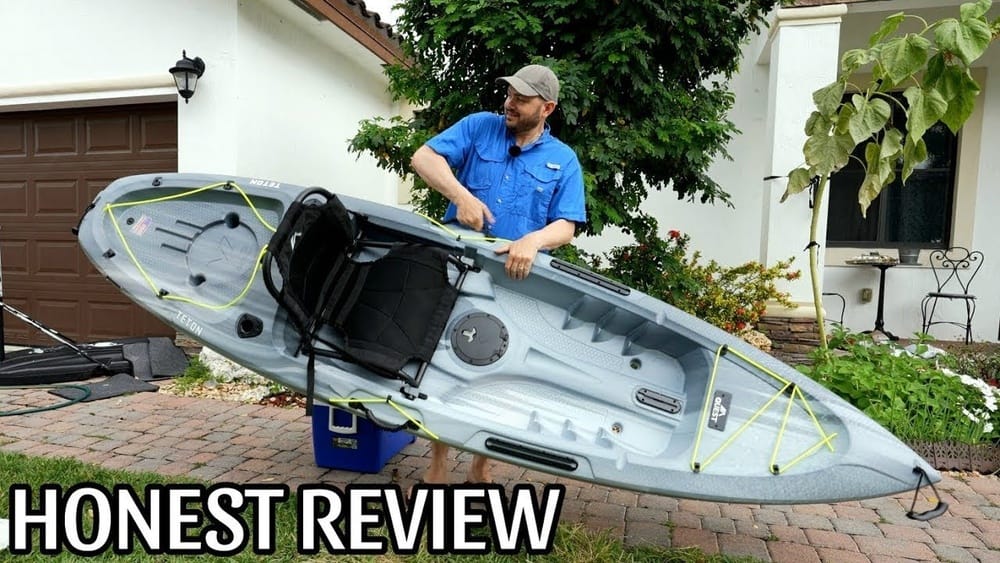
Are Quest Kayaks Good? A Complete Review For Buyers
Choosing a kayak can feel overwhelming, especially if you’re new to paddling or if English isn’t your first language. There are many brands, types, and features to consider. If you’re looking at Quest kayaks, you probably want to know: are they good? Are they safe, comfortable, and worth the price? This article will give you a clear, honest answer, so you can make a confident choice.
We’ll explore Quest’s range, quality, performance, safety, and how they compare to similar brands. You’ll also learn some key things many beginners miss when shopping for a kayak. By the end, you’ll know if a Quest kayak is right for you.
What Are Quest Kayaks?
Quest is a brand known for making recreational kayaks. Their models are often found in big sporting goods stores, and sometimes as house-brand products. Quest kayaks are designed for easy use, making them a popular choice for beginners or casual paddlers.
You’ll often see these kayaks made from rotomolded polyethylene plastic. This material is strong and impact-resistant, which is helpful if you’re starting out and might bump into rocks or branches. Most Quest models are sit-on-top kayaks, though some sit-inside options are also available.
Key Features Of Quest Kayaks
Understanding the main features of Quest kayaks will help you decide if they meet your needs.
1. Material And Build
Most Quest kayaks use polyethylene plastic. This material is:
- Durable against impacts and rough use
- Easy to clean
- Heavier than some more expensive kayaks (like fiberglass or carbon fiber)
The build quality is generally good for the price, with simple, sturdy construction. You won’t find luxury touches, but you will get a kayak that can handle regular use.
2. Comfort And Seating
Quest kayaks focus on basic comfort:
- Padded seats are common, but not always highly adjustable
- Legroom is usually enough for most adults
- Footrests are molded into the kayak’s body
If you plan to paddle for many hours, you might wish for more seat adjustment or padding. For shorter trips, the comfort level is generally acceptable.
3. Storage And Capacity
Most Quest models come with:
- One or two storage hatches (small, not watertight)
- Open cargo areas with bungee cords
- Weight capacity between 250–325 lbs (113–147 kg)
These storage options are good for day trips but not enough for long camping journeys or carrying lots of gear.
4. Stability And Handling
Quest kayaks are designed for stability. The hull shape is wide and flat, making the kayak hard to tip over. This is great for beginners and families. However, these kayaks are usually slower and less agile than longer, narrower models.
You can expect easy handling in calm lakes, ponds, and slow rivers. They are not built for rough waves or fast-moving water.
5. Price Range
A big advantage of Quest kayaks is their affordable price. Most new Quest kayaks cost between $250–$450 USD. Used models can be even cheaper.
This low price makes Quest a common pick for first-time buyers, budget shoppers, or families who want multiple kayaks.
Popular Quest Kayak Models
Let’s look at a few popular models to understand what you get.
| Model | Type | Length | Weight | Capacity | Best For |
|---|---|---|---|---|---|
| Quest 10 | Sit-in | 10 ft | 44 lbs | 275 lbs | Recreational lakes & rivers |
| Quest 9.5 | Sit-on-top | 9.5 ft | 42 lbs | 250 lbs | Beginner/family fun |
| Quest Angler | Sit-on-top | 10 ft | 49 lbs | 325 lbs | Fishing/day trips |
You’ll notice the lengths are around 9–10 feet, which is short and easy to transport. These kayaks are light enough for one person to carry, but not as light as high-end models.
Performance On The Water
How do Quest kayaks really feel when you paddle them? Here’s what you can expect:
- Stability: Very good for calm water. Even beginners feel safe.
- Speed: Not fast. The wide hull creates drag. Great for leisure, not for racing.
- Tracking: Decent. The kayak generally goes straight, but wind or current can push it off course.
- Turning: Easy to turn thanks to the short length.
For most new paddlers, these strengths are more important than speed or advanced maneuverability. If you’re paddling on lakes, slow rivers, or calm bays, Quest kayaks perform well.
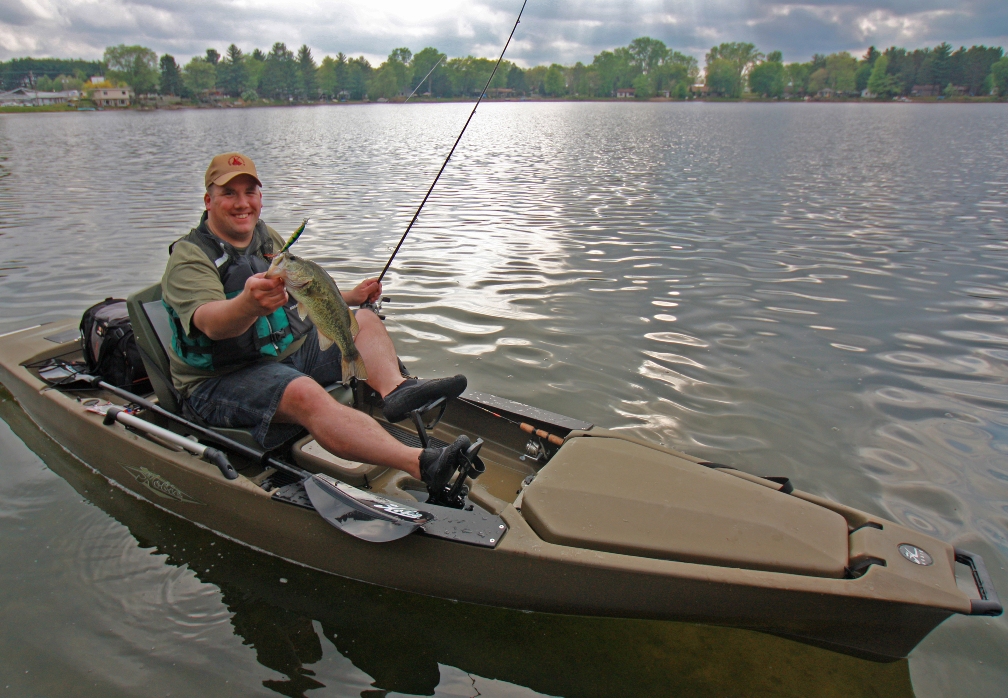
One thing many beginners miss: a lighter kayak is easier to carry and load onto a car, but it may drift more in strong wind. Heavier kayaks like Quest models are a bit more stable in wind, though you’ll need more effort to move them.
Credit: www.questwatersports.com
Comparing Quest To Other Brands
Is Quest the best choice? That depends on your needs and budget. Here’s a comparison with some other well-known brands:
| Brand | Price Range | Main Material | Stability | Performance | Target User |
|---|---|---|---|---|---|
| Quest | $250–$450 | Polyethylene | High | Basic | Beginner/Budget |
| Pelican | $300–$700 | RAM-X Polyethylene | High | Moderate | Beginner |
| Perception | $400–$1200 | Polyethylene | Medium | Good | All levels |
| Old Town | $700–$1600 | Polyethylene/Fiberglass | Medium | Excellent | Intermediate+ |
Quest offers the best price for casual use, but you give up some advanced features. Brands like Pelican and Perception offer lighter kayaks and more comfort options, but at a higher cost. Old Town is for serious paddlers who need top performance.
Durability And Maintenance
One thing Quest kayaks do well is handle rough use. Their thick plastic bodies resist dents and cracks. You can drag them on sand or small rocks with less worry.
Maintenance is simple:
- Rinse with clean water after use, especially in saltwater
- Store out of direct sunlight to prevent fading or warping
- Check for leaks or damage before each trip
Beginners often forget to check the drain plug (if present) before launching. Always make sure it’s tight, or water can fill the hull.
Credit: sea-quest-kayak.com
Safety And User Confidence
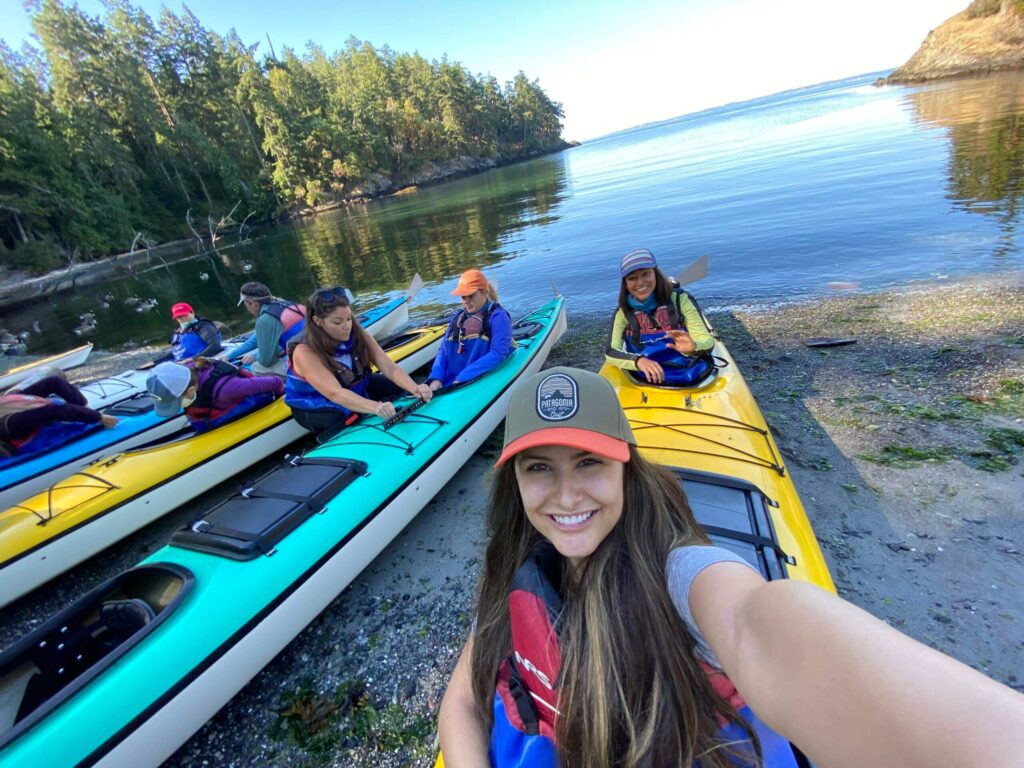
Safety is a key reason many people choose Quest kayaks. The wide hull and open cockpit make it easy to get in and out, even if you tip over. These kayaks are hard to flip, which builds confidence.
However, no kayak is perfectly safe. Always wear a life jacket, and don’t paddle alone in bad weather or strong currents. Quest kayaks are not designed for fast-moving rivers, surf, or open sea.
A common beginner mistake: thinking a stable kayak means you don’t need to learn paddling skills. Basic training in how to steer, stop, and recover from a tip-over is always important.
Value For Money
For the price, Quest kayaks offer strong value. They’re perfect for:
- Learning basic kayaking skills
- Short, casual trips
- Family fun on calm water
They are not ideal if you want to:
- Paddle long distances
- Explore rough or open water
- Enter kayak races
If you want a simple, reliable kayak for easy use, Quest is a solid choice. If you expect to grow into more advanced paddling, you may want to invest in a higher-end model.
Common Buyer Mistakes
Many first-time buyers make these errors:
- Ignoring weight capacity: Always check if the kayak supports your weight plus any gear.
- Overestimating performance: Don’t expect Quest kayaks to perform like racing or touring kayaks.
- Forgetting transport needs: These kayaks are lighter than canoes, but still may be heavy for some people to lift alone.
- Skipping comfort checks: Sit in the kayak before buying, if possible. Make sure your legs and back feel okay.
- Not planning for storage: You’ll need space at home for the kayak. Avoid leaving it in direct sun for long periods.
Real User Reviews
Online reviews and user feedback are generally positive, with users highlighting:
- Stability and feeling safe
- Easy to use for kids and adults
- Affordable price
Some users wish for:
- More comfort in the seat
- Lighter weight for easier carrying
- Better tracking in windy conditions
A few mention minor issues with small parts (like handles or bungees) but rarely with the main hull.
For more insights from real users, you can check platforms like Paddling.com.

Credit: vibekayaks.com
Who Should Buy A Quest Kayak?
Consider a Quest kayak if you:
- Want to try kayaking without spending a lot
- Plan to paddle on calm water
- Need a simple, low-maintenance kayak
- Prefer stability and ease of use over speed
You may want to look at other brands if you:
- Want to paddle long distances or in rough water
- Need more comfort or adjustable features
- Plan to fish with lots of gear or go on overnight trips
Frequently Asked Questions
Is A Quest Kayak Safe For Beginners?
Yes, Quest kayaks are very stable and easy to use, which makes them a good choice for beginners. Always wear a life jacket for safety.
How Heavy Are Quest Kayaks?
Most models weigh between 42 and 50 lbs (19–23 kg). This is light enough for many adults to carry but may be hard for some people to lift onto a car alone.
Can I Use A Quest Kayak In The Ocean?
Quest kayaks are designed for calm lakes and slow rivers. They are not suitable for open ocean or rough surf. For sea kayaking, look for a kayak made for that purpose.
Do Quest Kayaks Come With Paddles?
Some Quest kayaks are sold as packages that include a paddle and seat. Others are kayak-only. Check the product details before buying.
How Long Do Quest Kayaks Last?
With normal care, a Quest kayak can last 5–10 years or more. Store it out of the sun and clean it after each use to make it last longer.
A Quest kayak can be a smart buy for anyone looking for an affordable, safe, and easy way to enjoy the water. While they aren’t the top choice for every type of paddler, they deliver solid value for most beginners and families.
Take time to check your needs and try a kayak in person if you can—good luck on your next adventure!