
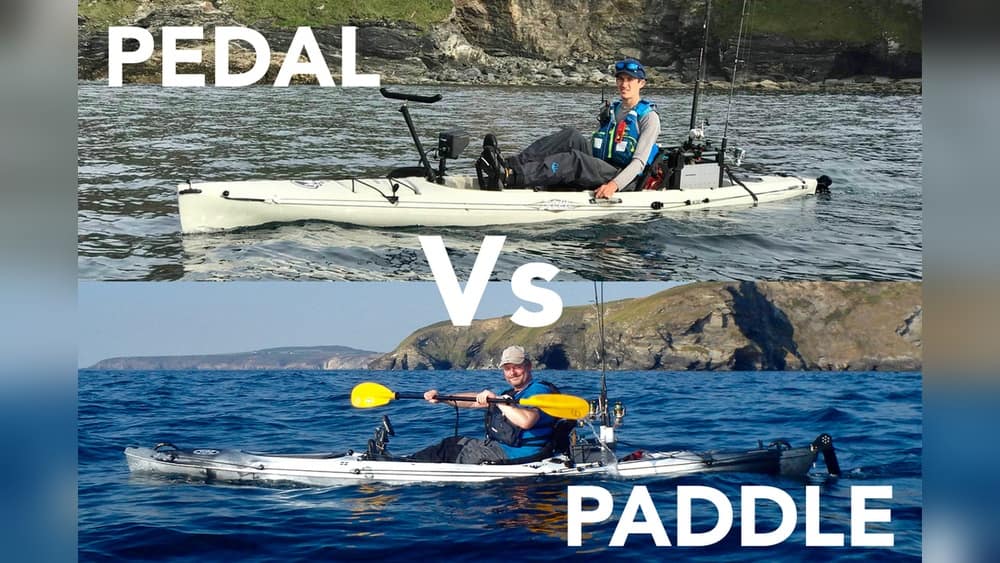
Kayaking is not just a sport; for many, it’s a way to experience nature, challenge oneself, or simply escape from daily routines. But before you glide across the water, you must choose the right type of kayak propulsion: pedal or paddle. This choice shapes your entire kayaking experience, influencing speed, comfort, distance, and even the kind of water you can explore. If you’re new to kayaking, this decision can feel confusing. Both pedal and paddle kayaks have passionate supporters, and each type offers unique strengths (and some weaknesses). Understanding these differences can help you avoid buyer’s regret and maximize your time on the water.
This guide breaks down everything you need to know about pedal vs paddle kayak options. You’ll learn how each system works, what they’re best for, their costs, maintenance needs, and the real-world advantages and disadvantages. Whether you’re fishing, touring, or just want a relaxing weekend float, you’ll find clear advice to help you choose confidently.
What Is A Paddle Kayak?
Paddle kayaks are the traditional choice, powered by the kayaker using a double-bladed paddle. You dip each side of the paddle in the water, alternating strokes to move forward or steer. This simple design has been used for thousands of years, from Arctic explorers to modern-day adventurers.
Most paddle kayaks are lightweight, easy to transport, and require minimal maintenance. They’re available in many shapes and sizes, from narrow racing models to wide, stable recreational versions. Because they don’t have complex moving parts, they’re also less expensive than pedal models.
One thing beginners often miss: paddle kayaks give you full control over maneuvering. You can turn quickly, reverse easily, and navigate in shallow or rocky water without worrying about damaging a drive system. Learning proper paddle techniques also builds upper body strength and coordination, which can be rewarding in itself.
What Is A Pedal Kayak?
Pedal kayaks use a mechanical drive system that lets you propel the kayak with your legs, not your arms. These systems usually feature foot pedals connected to fins or a propeller under the kayak. As you pedal, the fins or propeller push you forward—much like riding a bike on water.
Pedal kayaks are a newer innovation, becoming popular in the last two decades, especially among anglers and long-distance kayakers. The biggest advantage is that your hands stay free, which is extremely helpful for fishing, photography, or holding binoculars.
Most pedal systems can go forward and, in some models, backward. However, they are heavier than paddle kayaks and often more expensive. The drive system also needs regular cleaning and can be sensitive to sand or weeds.
A non-obvious insight: pedal kayaks allow longer outings with less fatigue. Your leg muscles are stronger than your arms, so you can cover more distance with less effort. This makes pedal kayaks ideal for bigger lakes or coastal waters where you need to travel far.
Key Differences Between Pedal And Paddle Kayaks
Choosing between pedal and paddle kayaks comes down to several factors—speed, cost, maintenance, water type, and how you plan to use the kayak. Here’s a detailed comparison to make things clear:
| Feature | Pedal Kayak | Paddle Kayak |
|---|---|---|
| Power Source | Legs (Pedals) | Arms (Paddle) |
| Speed | Faster on open water | Slower, but agile |
| Hands-Free Operation | Yes | No |
| Weight | Heavier (70–120 lbs) | Lighter (35–60 lbs) |
| Cost | Higher ($1,200+) | Lower ($300+) |
| Maintenance | More (mechanical parts) | Minimal |
| Shallow Water Use | Limited | Excellent |
| Transport & Storage | Challenging | Easy |
Performance: Speed And Efficiency
Pedal Kayak Speed
Pedal kayaks are usually faster over longer distances. This is because your leg muscles are bigger and can handle more work than your arms. On flat water, a pedal kayak can reach speeds of 3–5 mph with steady effort. Some advanced models can even go up to 6 mph in short bursts.
If you need to cross a large lake or travel several miles to your fishing spot, pedal kayaks save time and energy. You can also maintain a steady pace without tiring your arms, which is a big advantage for long trips.
Paddle Kayak Speed
Paddle kayaks are not slow, especially in the hands of an experienced user. However, they rely on upper body strength and technique. Average speed is usually 2–4 mph. In windy or rough conditions, paddle kayaks offer more control and agility, allowing you to react quickly.
One detail many overlook: in narrow rivers or twisty creeks, paddle kayaks can actually move faster because they turn more easily and don’t have to worry about hitting submerged objects with a drive unit.
Efficiency Over Time
Pedal kayaks allow you to cover more distance without as much fatigue. After an hour of steady movement, most users find their legs are less tired than their arms would be after paddling. This means you can enjoy longer outings, explore bigger areas, or just relax and enjoy the scenery without feeling worn out.
Credit: oldtownwatercraft.johnsonoutdoors.com
Comfort And Ergonomics
Pedal Kayak Comfort
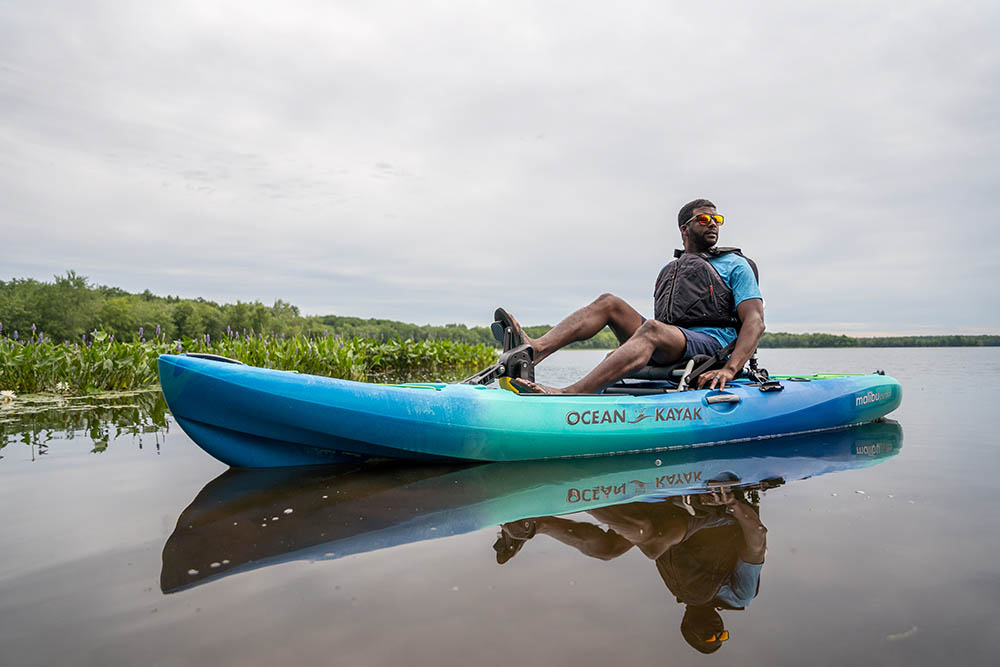
Most pedal kayaks come with adjustable seats and good back support. Because you’re sitting and pedaling, the motion feels natural, like riding a recumbent bicycle. This is easier on the back and shoulders, especially for people with joint problems or limited arm strength.
Pedal systems also let you shift your legs, helping prevent cramps or discomfort on longer trips. Many users say they feel less sore after a day in a pedal kayak compared to a paddle model.
Paddle Kayak Comfort
Paddle kayaks vary widely in seat comfort. Some have simple molded plastic seats, while others offer padded, adjustable options. Extended paddling can cause arm, shoulder, and upper back fatigue, especially if you’re new or using poor technique.
However, paddle kayaks allow you to switch sides, stretch, or even stand in some wide models. If you like a more active workout, paddling keeps your whole upper body moving.
Non-obvious Insight
If you have knee or hip issues, pedal kayaks may be less comfortable, especially if you can’t pedal for long periods. Always try both types if possible, and consider your body’s unique needs before buying.
Hands-free Use And Activities
One of the biggest advantages of pedal kayaks is hands-free operation. This allows you to:
- Fish while moving
- Take photos without stopping
- Use binoculars or a GPS
- Eat or drink while paddling
For anglers, this is a game-changer. You can adjust your position, troll lures, or fight a fish without having to put down your paddle.
Paddle kayaks require you to use both hands to move and steer. If you want to do something else, you must stop paddling and drift. This is fine for relaxing or sightseeing, but less practical for activities that require multitasking.
Maneuverability And Water Types
Paddle Kayak Agility
Paddle kayaks excel in tight spaces. They can turn quickly, back up easily, and handle narrow rivers or winding creeks with no trouble. If you want to explore shallow streams, rocky shorelines, or marshy areas, paddle kayaks are safer—there’s no mechanical drive to damage on rocks or logs.
Pedal Kayak Turning
Pedal kayaks are less nimble. They turn using a rudder, which is controlled by a small lever or handle next to the seat. While this works well on open water, it’s harder to make sharp turns or navigate obstacles quickly.
In shallow water, you may need to pull up the drive system and use a paddle anyway.
Water Depth Matters
Pedal drives often need at least 12–18 inches of water to work properly. In shallower spots, you must stop pedaling and use a paddle. If you spend lots of time in creeks, rivers, or areas with fallen trees, a paddle kayak is a safer choice.
Transport And Storage
Weight And Portability
Pedal kayaks are much heavier. Most weigh between 70 and 120 pounds, especially after adding the drive system and seat. This makes them harder to lift onto a car roof, drag to the water, or store in a garage.
Paddle kayaks are lighter, often between 35 and 60 pounds. You can easily carry them with one person or use a simple cart. If you have limited storage space or need to carry your kayak by yourself, a paddle kayak is more practical.
Transporting Both Types
If you have a truck or trailer, either type is possible. But if you live in an apartment or need to carry your kayak up stairs, consider the weight carefully. Don’t forget to check the size—pedal kayaks are often longer and wider to support the drive system.

Credit: www.youtube.com
Cost And Value
Price Range
Pedal kayaks are more expensive. Entry-level models start around $1,200, with high-end fishing or touring versions reaching $3,000 or more. The drive system, rudder, and stronger hull materials all add to the price.
Paddle kayaks are much more affordable. You can find good recreational models for $300–$800, and even specialized fishing or touring kayaks rarely cost more than $1,200.
Long-term Value
Pedal kayaks keep their value well, especially among anglers. However, their higher price means more upfront investment. Paddle kayaks lose value slower, but you may eventually want to upgrade for better features.
Rental And Demo Costs
If you’re unsure, try renting both types before you buy. Many kayak shops offer demo days where you can test paddle and pedal models side by side. This small investment can save you thousands in the long run.
Maintenance And Durability
Pedal Kayak Maintenance
Pedal drives have moving parts—gears, chains, and fins or propellers. These need regular cleaning, especially after saltwater use. Sand, weeds, or debris can jam the system. Most brands recommend rinsing the drive after every trip and checking for wear once a season.
Repairs can be costly, and some parts may not be available locally. However, modern pedal kayaks are durable and can last for years with proper care.
Paddle Kayak Maintenance
Paddle kayaks are nearly maintenance-free. Rinse off dirt or salt, check for cracks, and store out of direct sunlight. That’s usually all you need. Replacement parts (like paddles or seats) are easy to find and inexpensive.
Common Mistakes
Many first-time pedal kayak owners forget to remove and rinse the drive after every trip. Leaving it in place can lead to rust or clogs, especially in saltwater regions.
Fishing: Pedal Vs Paddle Kayaks
Fishing is one of the biggest reasons people choose pedal kayaks. The hands-free movement, stable platform, and ability to cover water quickly are major advantages.
Pedal Kayak Fishing Advantages
- Move while casting or trolling
- Hold your position in wind or current
- Use both hands for gear and fish
- Stay comfortable for long hours
Paddle Kayak Fishing Advantages
- Access shallow or weedy areas
- Move quietly (less noise spooks fish)
- Lower cost to start
- Easier to transport to remote spots
Experienced anglers often choose pedal kayaks for open lakes or coastal fishing, while paddle kayaks win for small ponds, creeks, and backcountry spots.
Touring And Long-distance Use
Touring kayaks are built for covering distance. In this role, pedal kayaks offer a clear advantage. You can cruise for hours using your strongest muscles, giving you more time to enjoy the scenery and less time fighting fatigue.
However, for trips with lots of portages (carrying your kayak over land) or shallow rivers, a paddle kayak is lighter and easier to manage. Think carefully about your typical route before choosing.
Safety Considerations
Both pedal and paddle kayaks are safe if used responsibly. Always wear a life jacket, check the weather, and let someone know your plans.
Pedal Kayak Safety
- Pedal drive can be damaged by hidden rocks or logs. Always check water depth.
- If the drive jams, you need to know how to use a backup paddle.
- Heavier weight may make self-rescue harder if you capsize.
Paddle Kayak Safety
- Lighter weight is easier to handle if you need to swim or re-enter.
- More responsive in fast-moving water.
A non-obvious detail: In cold water, paddle kayaks allow you to keep moving your upper body, which helps you stay warm. Pedal users sometimes get cold arms and hands on chilly days.
Environmental Impact
Both types of kayaks are eco-friendly compared to gas-powered boats. However, pedal kayaks can disturb the bottom in shallow water if the fins or propellers hit mud or plants. Paddle kayaks have less impact in sensitive areas, making them a better choice for wildlife viewing or nature preserves.
Popular Brands And Models
Some of the best-known pedal kayak brands include Hobie, Old Town, and Native Watercraft. These companies offer reliable drive systems and strong warranties.
Top paddle kayak brands include Perception, Wilderness Systems, and Dagger. Each offers models for recreation, fishing, and touring.
Before buying, check for local dealers and service options. A good warranty and easy access to parts are worth more than a fancy paint job.
Real-world Examples
Example 1: The Weekend Fisher
Maria loves fishing on big lakes. She chose a Hobie Mirage Outback pedal kayak. Now she can move while casting, cover more water, and doesn’t get sore arms after a long day. The higher price was worth it for her favorite hobby.
Example 2: The River Explorer
Jake likes exploring narrow rivers and creeks. He uses a Perception Sound 10.5 paddle kayak. It’s light enough to carry solo, turns quickly, and slides over logs that would stop a pedal drive. He saved money and gets a better workout.
Example 3: The Casual Paddler
Sarah just wants to relax on calm water. She rented both types and found the paddle kayak more peaceful and easier to store in her small apartment. She enjoys the simplicity and doesn’t need extra speed.
Side-by-side Feature Comparison
For a quick reference, here’s a direct feature comparison between both types:
| Feature | Pedal Kayak | Paddle Kayak |
|---|---|---|
| Best For | Fishing, touring, open water | Rivers, creeks, all-around use |
| Learning Curve | Easy | Moderate (learn paddle strokes) |
| Noise Level | Moderate (some noise from drive) | Very quiet |
| Upgrade Potential | High (add electronics, mounts) | Medium (add seats, storage) |
| Resale Value | Strong | Good |
Making Your Decision: Key Questions
Before you choose, ask yourself these questions:
- Where will you use your kayak most—lakes, rivers, ocean?
- How important is speed and distance to you?
- Do you plan to fish, take photos, or do other hands-free activities?
- Can you transport and store a heavier kayak?
- What is your budget?
Also, try both types if possible. Your body type, strength, and local water conditions matter more than any marketing claim.
Credit: oldtownwatercraft.johnsonoutdoors.com
Frequently Asked Questions
Is A Pedal Kayak Worth The Extra Cost?
For those who fish often, cover long distances, or have arm/shoulder pain, the extra cost of a pedal kayak is usually worth it. The hands-free operation and reduced fatigue make a big difference. If you mostly paddle short distances or want a simple, affordable boat, a paddle kayak is a better value.
Can You Use A Pedal Kayak In Shallow Water?
Most pedal kayaks need at least 12–18 inches of water for the drive system to work. In shallower areas, you must remove the drive and use a paddle. If your local waters are very shallow or full of obstacles, a paddle kayak is safer and easier to use.
Are Pedal Kayaks Harder To Transport?
Yes, pedal kayaks are heavier and bulkier because of the drive system and reinforced hull. You’ll likely need help lifting one onto a car or trailer. Paddle kayaks are lighter and easier for one person to carry, especially over longer distances.
Which Is Better For Beginners: Pedal Or Paddle Kayak?
Both can be good for beginners, but pedal kayaks are easier to learn for those who don’t want to master paddle strokes. Paddle kayaks teach important water skills and are more affordable for first-time buyers. Try both if possible to see which feels more comfortable.
How Long Do Pedal Kayak Drive Systems Last?
With proper cleaning and care, most pedal drives last for many years. Saltwater, sand, or neglect can shorten their lifespan. Always rinse after each trip and check for wear as recommended by the manufacturer. For more details, check resources like Wikipedia.
Choosing between a pedal vs paddle kayak is a personal decision, shaped by where you paddle, what you do, and how much you want to spend. Take the time to test both, consider your goals, and you’ll find the right kayak for your adventures on the water.