
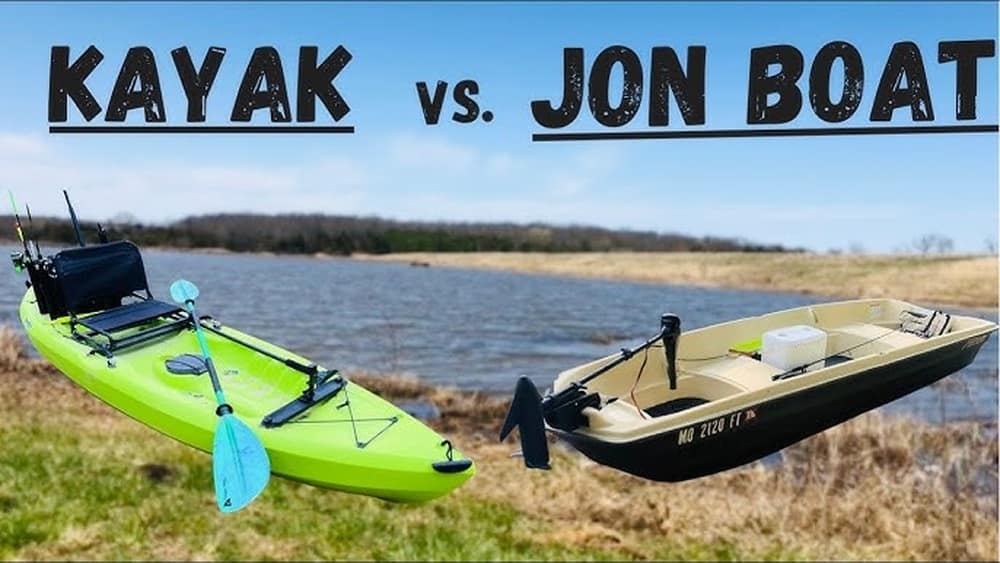
Are you trying to decide between a dinghy and a kayak for your next water adventure? Choosing the right small boat can make all the difference in how much fun and comfort you experience on the water.
Whether you want to explore calm lakes, paddle through rivers, or just relax by the shore, understanding the key differences will help you pick the perfect fit for your needs. Keep reading, and you’ll discover which option suits your style, budget, and goals best.
Your ideal water companion is closer than you think!
Dinghy Basics
Dinghies are small boats that serve many purposes on the water. They can be your first step into boating or a handy tool for bigger vessels. Knowing the basics of dinghies helps you decide if they fit your needs better than a kayak or other watercraft.
Types Of Dinghies
Dinghies come in various types, each designed for specific activities. You’ll find inflatable dinghies, hard-hulled dinghies, and rowing dinghies among the popular options.
Inflatable dinghies are lightweight and easy to carry. Hard-hulled dinghies offer more durability and stability. Rowing dinghies give you control and exercise, perfect for calm waters.
Materials Used
Most dinghies are made from materials like PVC, Hypalon, or fiberglass. PVC is affordable but less durable over time. Hypalon is more expensive but stands up well to sun and rough water.
Fiberglass dinghies are sturdy and rigid, usually found in hard-hulled models. Choosing the right material affects how long your dinghy lasts and how easy it is to maintain.
Common Uses
Dinghies serve many purposes. They can be tender boats to reach shore from a larger yacht or used for fishing in shallow waters.
You might also use a dinghy for short trips, exploring calm lakes, or as a safety craft. Have you thought about how often you’ll use your boat and where? That can guide your choice between a dinghy and a kayak.

Credit: www.youtube.com
Kayak Basics
Kayaks are small boats designed for one or two people. They use a double-bladed paddle to move through water. Kayaking is popular for exercise, fun, and exploring nature. Understanding the basics helps you choose the right kayak and enjoy your time safely.
Kayaks come in many shapes and sizes. Each type suits different water conditions and activities. Knowing the main types can guide your decision and improve your experience on the water.
Types Of Kayaks
Recreational kayaks are stable and easy to use. They work well on calm waters like lakes and slow rivers. Touring kayaks are longer and faster. They are made for long trips and open water. Whitewater kayaks are short and agile. They help navigate rough rivers and rapids. Sit-on-top kayaks are open on top. They are good for warm weather and easy access.
Materials And Design
Most kayaks use plastic, fiberglass, or composite materials. Plastic kayaks are tough and affordable. Fiberglass kayaks are lighter but cost more. Composite kayaks mix materials for strength and lightness. Designs focus on stability, speed, and control. The shape of the hull affects how the kayak moves in water. Wider kayaks offer better balance. Narrow kayaks are faster but need more skill.
Popular Activities
Kayaking suits many activities. Touring offers long trips on lakes and oceans. Whitewater kayaking challenges paddlers on fast rivers. Fishing kayaks have space for gear and stability. Sea kayaking explores coastlines and islands. Some use kayaks for fitness or relaxing paddling. Each activity needs different kayak features and skills.
Performance Comparison
Comparing the performance of dinghies and kayaks helps you choose the right boat. Each type excels in different ways. Understanding their strengths guides your decision for fun and safety on water.
Speed And Maneuverability
Dinghies usually have more powerful engines or sails. This allows them to reach higher speeds quickly. Kayaks are lighter and narrower, making them easier to paddle fast. Kayaks turn sharply and weave through tight spaces. Dinghies need more space to change direction.
Stability On Water
Dinghies offer strong stability, especially in calm waters. Their wider shape helps prevent tipping. Kayaks are slimmer and less stable at rest. Skilled paddlers keep kayaks balanced in moving water. Rough waves challenge both but dinghies handle rocking better.
Handling In Different Conditions
Dinghies perform well in lakes and calm seas. They can carry more weight safely. Kayaks work best in rivers and coastal waters. They can maneuver through narrow or rocky areas easily. Wind and waves affect dinghies and kayaks differently. Kayaks offer more control in choppy water.
Capacity And Comfort
Capacity and comfort are important for choosing between a dinghy and a kayak. They affect how many people can ride and how pleasant the trip feels. Understanding these factors helps pick the right boat for your needs.
Seating And Space
Dinghies usually have more seats and open space. They fit two or more people easily. Kayaks have narrow seats made for one or two riders. Space inside kayaks is limited and more snug.
Weight Limits
Dinghies hold heavier loads. They support people plus gear with ease. Kayaks have lower weight limits. Overloading can affect balance and safety.
Comfort Features
Dinghies often include padded seats and backrests. Some models have room to stretch legs. Kayaks focus on a close fit for better control. They rarely have extra padding or room to move.
Portability And Storage
Portability and storage are key factors when choosing between a dinghy and a kayak. Both watercraft have different needs for moving and storing. Understanding these differences helps you pick the best option for your lifestyle.
Size And Weight
Dinghies are usually bigger and heavier than kayaks. They often need more space in your car or garage. Kayaks are smaller and lighter. This makes them easier to carry and move around. Weight affects how easy it is to lift and load your boat.
Ease Of Transport
Kayaks are easier to transport because of their size. Many kayaks fit on car roofs with a simple rack. Dinghies may require trailers or bigger vehicles. Some dinghies can be deflated for easier transport. This depends on the model and design.
Storage Options
Kayaks need less storage space. They can hang on wall racks or fit in small sheds. Dinghies require more room due to their bulk. Some inflatable dinghies fold down for compact storage. Proper storage protects your boat from damage and weather.
Safety Considerations
Safety is a key concern when choosing between a dinghy and a kayak. Both boats offer fun and adventure, but understanding safety helps keep you secure on the water.
Each type has its own safety features and risks. Knowing these can help you prepare better and avoid accidents.
Safety Features
Dinghies often have inflatable sides that provide extra buoyancy. This helps them stay afloat even if they take on water. Many dinghies come with grab ropes and sturdy seats for stability. Kayaks are usually narrow and sit low in the water. This design helps with balance and control. Most kayaks have sealed compartments to prevent sinking. Both boats can carry life jackets and safety gear easily.
Risk Factors
Dinghies can tip over if overloaded or hit by strong waves. Their lightweight build makes them sensitive to wind. Kayaks can capsize due to their slim shape, especially in rough water. Paddling skill affects the chance of tipping. Both boats face risks from changing weather and water currents. Lack of safety gear increases dangers in any water craft.
Best Practices
Always wear a life jacket on the water. Check weather conditions before heading out. Carry a whistle or signaling device for emergencies. Keep your boat balanced and avoid sudden moves. Learn basic paddling and rescue skills. Inform someone about your trip plans and return time. Regularly inspect your boat for damage or leaks.
Cost And Maintenance
Cost and maintenance are key factors when choosing between a dinghy and a kayak. Both have different price points and upkeep needs. Understanding these differences helps you pick the right watercraft for your budget and lifestyle.
Initial Investment
Dinghies usually cost more than kayaks. They are bigger and made from heavier materials. Kayaks are smaller and often made from plastic or lightweight materials. You can find kayaks at lower prices, good for beginners or casual paddlers.
Upkeep And Repairs
Dinghies need regular checks for leaks and motor care if equipped. Repairing a dinghy can be costly due to its size and parts. Kayaks require less maintenance. Most repairs involve simple patches or fixing small cracks. You can often do these repairs yourself.
Longevity
Dinghies tend to last longer with proper care. They are built to withstand rougher use and water conditions. Kayaks can also last many years but may wear faster in harsh environments. Storing both properly extends their life significantly.
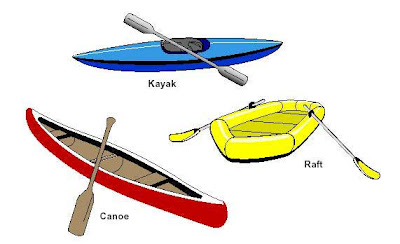
Credit: www.outyourbackdoor.com
Choosing Based On Activity
Choosing between a dinghy and a kayak depends mostly on what you want to do on the water. Both have their strengths for different activities. Understanding these can help you pick the right one for your needs.
Recreational Use
Dinghies offer more space and stability for casual outings. They are good for calm lakes and slow rivers. Kayaks are smaller and easier to paddle alone. They work well on narrow streams and quiet waters. Kayaks give more control and a closer feel to the water. Dinghies allow carrying more gear and friends.
Fishing And Hunting
Dinghies provide a stable platform to cast and move around. They hold more fishing equipment and coolers. Kayaks are quieter and help approach fish without scaring them. Their narrow shape allows access to tight spots. Both boats work, but choice depends on your fishing style. Dinghies suit group trips; kayaks favor solo hunters.
Racing And Adventure
Kayaks are fast and easy to maneuver. They excel in whitewater and long-distance races. Dinghies are slower but better in rough water and carrying loads. Kayaks demand more skill and fitness for racing. Dinghies offer a safer option for adventurous trips with gear. Consider your skill level and trip type before choosing.
Environmental Impact
Choosing between a dinghy and a kayak involves thinking about their impact on nature. Both boats affect the environment differently. Understanding these effects helps protect water and wildlife. Small choices can make a big difference.
Eco-friendly Materials
Dinghies often use heavy plastics and metals. These materials take long to break down in nature. Kayaks sometimes come in lighter plastics or wood. Wood is better for the environment if sourced well. Look for boats made with recycled or natural materials. These options reduce pollution and waste.
Noise And Water Disturbance
Dinghies usually have motors that create loud noise. Noise can scare animals and disturb fish habitats. Kayaks move quietly with paddles. They cause less water splash and wave action. This gentle movement protects fragile plants and animals. Quiet boats help keep water areas calm and clean.
Sustainability Tips
Use a kayak or dinghy with care to avoid harming nature. Clean your boat to stop spreading invasive species. Avoid busy wildlife spots during nesting or breeding seasons. Choose non-toxic paints and cleaners for maintenance. Store your boat properly to extend its life. Small efforts keep waters safe and beautiful for everyone.

Credit: www.shutterstock.com
Frequently Asked Questions
What Are The Main Differences Between A Dinghy And A Kayak?
A dinghy is a small, open boat often used as a tender. A kayak is a narrow, enclosed boat powered by paddles. Dinghies are usually wider and stable, while kayaks are streamlined for speed and agility.
Which Is Better For Beginners: Dinghy Or Kayak?
Dinghies are generally easier for beginners due to their stability and size. Kayaks require more balance and paddling skills. Beginners should choose dinghies for calm waters and kayaks for adventure and exercise.
Can Dinghies And Kayaks Be Used In Rough Water?
Dinghies are better suited for calm to moderate waters. Kayaks, especially sea kayaks, are designed for rougher waters and waves. Choosing depends on water conditions and the user’s skill level.
How Do Storage And Transport Differ For Dinghies And Kayaks?
Kayaks are lighter and easier to carry or store on car racks. Dinghies are bulkier and often require trailers or larger vehicles for transport. Kayaks are more convenient for solo trips.
Conclusion
Choosing between a dinghy and a kayak depends on your needs. Dinghies offer more space and stability. Kayaks provide speed and easy handling. Both have unique features for different water activities. Think about where you will go and what you want to do.
Safety and comfort matter a lot. Whichever you pick, enjoy your time on the water. Adventure awaits, so make the best choice for you.