
Kayaking Vs Canoeing Vs Rowing: Which Water Sport Is Right For You?
When you see people gliding across water in slim boats, it’s easy to think kayaking, canoeing, and rowing are all the same. But each sport has unique skills, equipment, and experiences. If you want to enjoy the outdoors, get fit, or try a new hobby, choosing the right one matters. Let’s break down the differences, benefits, challenges, and key facts about kayaking, canoeing, and rowing so you can decide which is best for you.
What Are Kayaking, Canoeing, And Rowing?
At first glance, all three sports involve a boat and a paddle or oar. But the similarities stop there. Each one offers a different way to interact with water, nature, and even other people.
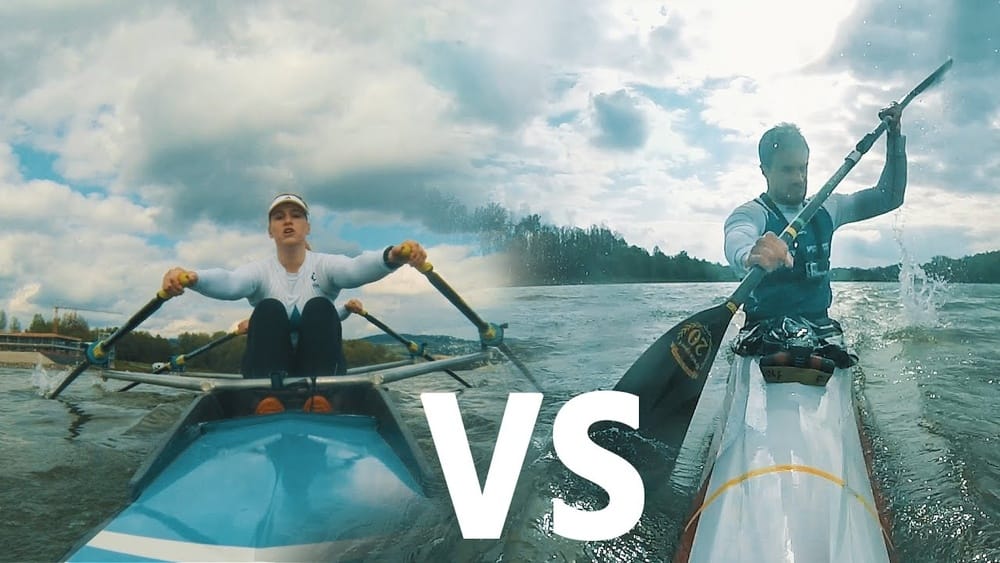
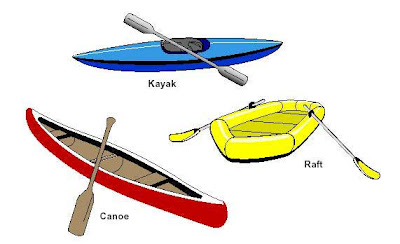
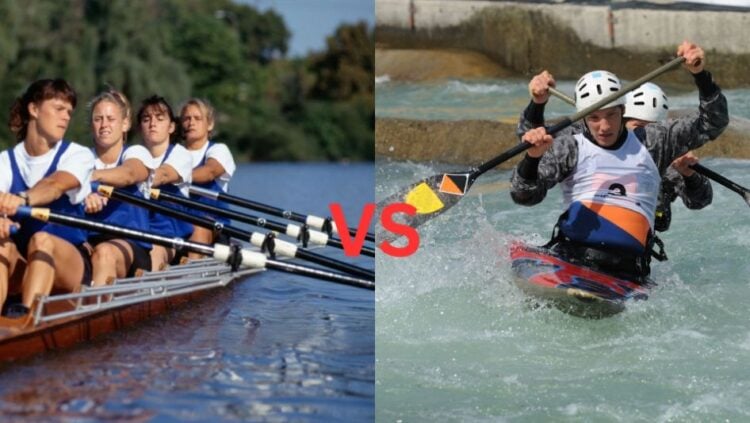
Kayaking uses a small, closed-deck boat. The paddler sits with legs forward and uses a double-bladed paddle. Kayaks are often quick and agile. People use them for recreation, racing, touring, or whitewater adventures.
Canoeing uses an open boat with a seat or kneeling position. The paddle has a single blade. Canoes are stable and good for carrying gear or extra people. Many families use canoes for calm lakes or slow rivers, but there are also racing and whitewater canoes.
Rowing uses a long, narrow boat called a shell. The rower sits facing backward and uses two oars fixed to the boat. Rowing is famous as a competitive sport but also offers great fitness benefits.
Key Differences At A Glance
Here’s a simple overview of the main differences:
| Feature | Kayaking | Canoeing | Rowing |
|---|---|---|---|
| Sitting Position | Seated, legs forward | Seated or kneeling | Seated, facing backward |
| Paddle/Oar Type | Double-bladed paddle | Single-bladed paddle | Pair of oars (fixed) |
| Boat Type | Closed or sit-on-top kayak | Open canoe | Long, narrow shell |
| Direction of Travel | Face forward | Face forward | Face backward |
| Main Use | Recreation, sport, touring | Recreation, family, sport | Sport, racing, fitness |
Equipment: What You Need For Each Sport
Kayaking
- Kayak: Comes in many shapes. Recreational kayaks are stable and short. Touring kayaks are longer for speed and tracking. Whitewater kayaks are tough and agile.
- Paddle: Double-bladed, usually lightweight.
- Personal Flotation Device (PFD): Always wear one.
- Spray skirt: Optional, used to keep water out in rough conditions.
- Helmet: Needed for whitewater kayaking.
Canoeing
- Canoe: Open-top, often longer and wider than a kayak. Some canoes can carry two or three people.
- Paddle: Single-bladed, straight or slightly curved.
- PFD: Essential for safety.
- Dry bags: Useful for keeping gear safe on longer trips.
Rowing
- Rowing shell: Long, slim boat. Racing shells can be over 8 meters (26 feet).
- Oars: Long, fixed to the boat with oarlocks.
- Sliding seat: Lets you use leg power for a stronger stroke.
- PFD: Sometimes used for beginners or on open water.
- Rowing shoes: Fixed in the boat for grip.
Tip: Beginners often overlook the importance of a well-fitted PFD. Comfort is key for longer sessions, so always try before you buy.
Skills And Technique
Kayaking
Kayakers use a rhythmic, alternating stroke. The paddle enters the water near the feet and exits near the hips. Good technique relies on core rotation, not just arm strength. Kayaking is great for learning to maneuver, as you can turn quickly and stop easily.
Non-obvious insight: Many new kayakers grip the paddle too tightly, causing fatigue. Relaxed hands improve control and reduce tiredness.
Canoeing
Canoeists usually paddle on one side, switching sides or using special strokes (like the J-stroke) to keep straight. Kneeling gives more stability in rough water. Canoeing is slower than kayaking but offers a relaxed pace and is easier to learn for groups or families.
Rowing
Rowers sit with their backs to the direction of travel. The stroke starts with straight arms and bent knees (“catch” position), then legs push first, followed by the back and arms. Timing and teamwork are critical, especially in multi-person boats.
Rowing is hard to master but very rewarding.
Non-obvious insight: In rowing, beginners often forget to use their legs. Leg drive is much more important than arm strength.
Physical Demands And Fitness Benefits
All three sports offer excellent workouts, but the muscles used and fitness benefits differ.
- Kayaking: Works shoulders, arms, core, and back. Improves balance and endurance.
- Canoeing: Focuses on shoulders, arms, and core. Kneeling uses leg muscles for support.
- Rowing: Full-body exercise. Legs, back, arms, and core all work together. One hour of rowing can burn 400–800 calories, depending on effort.
Rowing is one of the most efficient aerobic exercises. Elite rowers have some of the highest recorded VO2 max values (a measure of cardiovascular fitness). Kayaking and canoeing also boost heart health but with less leg involvement.
Types Of Water And Environments
Where you paddle matters. Here’s a quick comparison:
| Sport | Best Water Types | Common Environments |
|---|---|---|
| Kayaking | Lakes, rivers, sea, whitewater | Calm water, rapids, ocean, expeditions |
| Canoeing | Lakes, slow rivers | Family trips, camping, gentle rivers |
| Rowing | Calm lakes, rivers | Racing courses, fitness, clubs |
Example: Kayakers can explore sea caves or surf waves, while canoeists enjoy peaceful camping trips. Rowers often train on flat lakes or rivers, focusing on speed and efficiency.
Solo Or Team: How Many People?
- Kayaking: Solo or tandem (two people). Some kayaks fit three, but rarely.
- Canoeing: Solo, tandem, or family-sized (up to four).
- Rowing: Solo (“single scull”), pairs, fours, or eights (with a coxswain who steers).
Team rowing is the most synchronized. Canoeing is best for small groups. Kayaking offers both solo adventure and shared fun.
Speed And Performance
Which is fastest? Here’s a rough idea:
- Rowing shells are the fastest human-powered boats on water. An eight-person racing shell can reach speeds over 23 km/h (14 mph).
- Kayaks are generally faster than canoes, especially over long distances.
- Canoes are slower but stable and can carry more gear.
In Olympic competition, rowing times over 2000 meters are often under 6 minutes for an eight. Kayak races (K1 1000m) take around 3. 5–4 minutes, while canoes are a bit slower.
Learning Curve And Accessibility
- Kayaking: Quick to learn on calm water. Whitewater and sea kayaking require more skill.
- Canoeing: Easy for beginners, especially on flat water. Harder to paddle straight solo.
- Rowing: Steepest learning curve. Balance is tricky at first, and technique takes time.
Pro tip: Many cities have rowing or paddling clubs that offer beginner sessions, making entry easier.
Safety Considerations
Water sports carry risks, but each discipline has unique safety points.
- Kayaking: Risk of capsizing, especially in whitewater or open sea. Learn to do a “wet exit” (leave the kayak if upside down). Always wear a PFD.
- Canoeing: Canoes are stable, but swamping (filling with water) is possible in waves or rapids. Keep gear packed low and balanced.
- Rowing: Racing shells are narrow and can flip easily. Safety boats and coaches are common in clubs. Rowers should know how to re-enter or swim with the boat.
Weather, water temperature, and currents are important for all. Cold water shock is a serious danger—dress appropriately and avoid paddling alone in risky conditions.
Credit: www.outyourbackdoor.com
Cost And Gear Investment
Kayaking and canoeing can start with a used boat, paddle, and PFD for $300–$700. High-end gear can cost thousands. Renting is a good way to try before you buy.
Rowing is more expensive for individuals. New racing shells can cost $5,000–$15,000. However, most people join clubs, which provide equipment and coaching for a fee (often $30–$100 per month).
Hidden cost: Transport and storage are often overlooked. Kayaks and canoes need roof racks or trailers, and rowing shells need special racks.
Popularity And Culture
- Kayaking: Very popular worldwide, especially for adventure tourism. Famous in places like Norway, Canada, and New Zealand.
- Canoeing: Deep roots in North America and Scandinavia. Used for exploration and transport for centuries.
- Rowing: Associated with universities and elite clubs. Famous events include the Oxford-Cambridge Boat Race and the Olympics.
More people kayak for fun, but rowing has a strong competitive scene. Canoeing remains a favorite for family trips and wilderness adventures.
Credit: gamerules.com
Which Is Best For You?
Choosing between kayaking, canoeing, and rowing depends on your goals, location, and interests. Here are some practical questions to help you decide:
- Do you want speed and teamwork? Rowing offers the most speed, especially in teams.
- Prefer solo or group trips? Kayaking and canoeing both work for solo or shared journeys. Rowing is rarely solo except in “single sculls.”
- Value stability and gear space? Canoes are best for carrying loads or kids.
- Want adventure and challenge? Kayaking is the top pick for whitewater, sea, or multi-day trips.
- Looking for fitness? All three sports are great, but rowing gives the most complete workout.
- Is cost a concern? Kayaking or canoeing usually have lower start-up costs.
- Need easy learning? Canoeing and recreational kayaking are best for beginners.
Environmental Impact
All three sports have a low carbon footprint, but there are differences:
- Kayaking and canoeing can reach remote areas, so always practice Leave No Trace principles. Avoid disturbing wildlife and use existing launch sites.
- Rowing is often club-based and stays on set courses, minimizing impact.
Insight: Plastic and composite boats last long but are hard to recycle. Buying used gear or renting reduces environmental impact.
Competitive And Recreational Scenes
Kayaking
- Racing: Sprint and marathon kayak races are Olympic events.
- Whitewater: Slalom and freestyle kayaking test agility and skill.
- Touring: Popular for exploring coastlines or rivers.
Canoeing
- Racing: Canoe sprint and slalom are also Olympic sports.
- Recreational: Family outings, fishing, and camping are common.
- Expeditions: Canoes can travel long distances with heavy loads.
Rowing
- Competitive: Regattas and head races are major events worldwide.
- Indoor rowing: Rowing machines (ergometers) are used for training and fitness.
- Recreational: Some clubs offer relaxed, non-competitive sessions.
Weather, Seasons, And Accessibility
- Kayaking: Can be done year-round in warm climates. Cold water paddling needs special gear (dry suits, wetsuits).
- Canoeing: Best in spring to early fall, depending on location.
- Rowing: Racing season is usually spring and summer. Indoor rowing keeps fitness up in winter.
Beginner mistake: Ignoring wind can make paddling much harder. Always check forecasts and plan routes accordingly.
Essential Safety And Preparation Tips
- Wear a PFD at all times.
- Check weather and water conditions before heading out.
- Tell someone your plan if going alone.
- Carry a whistle or signaling device in case of emergency.
- Bring water, snacks, and sun protection for longer outings.
Noteworthy Records And Events
- The fastest rowing eight set a world record at the 2012 London Olympics, finishing 2000 meters in 5: 18.68.
- Kayak circumnavigation: Freya Hoffmeister kayaked around Australia, covering over 13,000 km (8,000 miles) solo.
- Canoe journeys: The Canadian Canoe Museum shares epic stories of multi-week wilderness expeditions.
For more on global paddling and rowing history, check the Wikipedia Paddling page.

Credit: www.shutterstock.com
Frequently Asked Questions
What Is The Main Difference Between Kayaking, Canoeing, And Rowing?
The main difference is in the boat design, paddle type, and technique. Kayaking uses a double-bladed paddle and a closed boat, canoeing uses a single-bladed paddle and an open boat, and rowing uses two oars fixed to the boat with the rower facing backward.
Which Sport Is Easiest For Beginners?
Canoeing and recreational kayaking are easiest for most beginners. Rowing has a steeper learning curve due to balance and technique. However, all three can be learned safely with instruction.
Is Rowing Better Exercise Than Kayaking Or Canoeing?
Rowing offers a more complete full-body workout because it engages both the upper and lower body. Kayaking and canoeing focus more on arms, shoulders, and core.
Can I Use A Kayak Or Canoe On The Ocean?
Yes, sea kayaks are designed for ocean use and can handle waves and wind. Canoes can be used on calm coastal waters but are less stable in rough conditions. Safety training is important for both.
What Is The Cost To Start Kayaking, Canoeing, Or Rowing?
Kayaking and canoeing can start at $300–$700 for used gear. Rowing is often done through clubs, which charge monthly fees. Buying a personal rowing shell is expensive, but club memberships make it more affordable.
Final Thoughts
Kayaking, canoeing, and rowing each offer a unique way to connect with water, nature, and your own fitness. Whether you seek quiet exploration, family fun, or competitive sport, there’s a paddle or oar waiting for you. The best sport is the one that matches your interests, skills, and local opportunities.
Try each if you can—many people find a lifelong passion after just one trip on the water.