
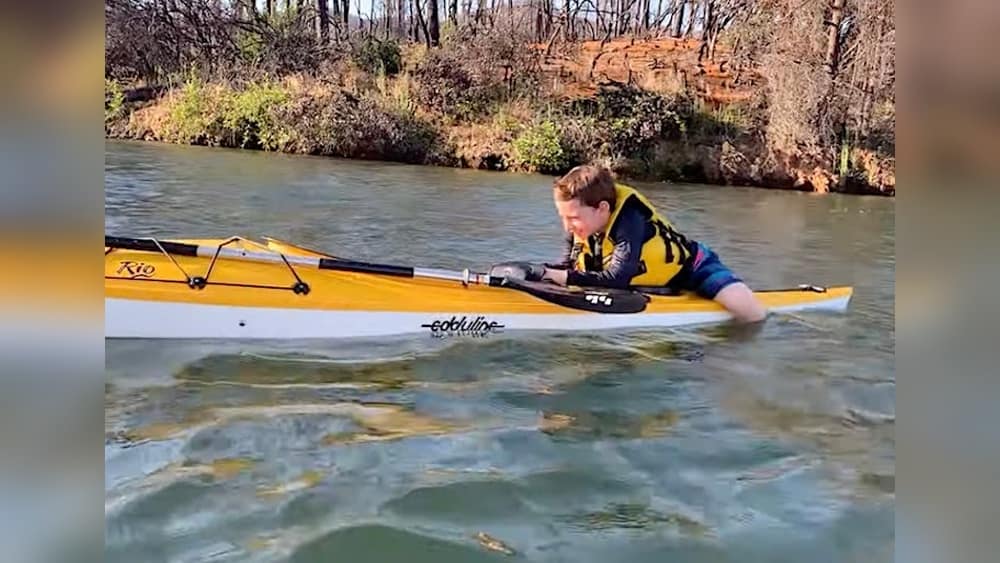
Getting into a kayak from the water might look simple, but for many beginners, it’s a real challenge. Maybe you’ve fallen out, or you’ve just taken a swim and need to get back in. The process is different from launching from a dock or beach.
From balancing your kayak to using your paddle for support, every step counts. If you don’t know the right technique, you can flip the kayak again, struggle to climb back, or even get tired easily. Understanding how to re-enter your kayak safely can make your time on the water safer and much more enjoyable.
This guide will take you through each part of the process, from preparing in the water to the final steps of sitting back in your kayak. You’ll find practical advice, common mistakes, tips for solo and assisted entries, and even some safety information you might not expect.
Whether you’re kayaking on a calm lake or in the open sea, these techniques will help you regain your seat with confidence.
Why You Might Need To Get Into A Kayak From The Water
Falling out of a kayak is more common than many think. Even experienced kayakers sometimes end up in the water due to waves, wind, or sudden movements. Some paddlers even practice capsizing on purpose to prepare for emergencies. Being able to get back into your kayak is a key skill for anyone who spends time on the water.
It’s not just about comfort—it’s about your safety and the safety of those with you.
Essential Preparations Before Re-entry
Before you try to get into your kayak from the water, take a moment to get ready. Here’s what you should consider:
- Check Your PFD: Always wear your personal flotation device (PFD). It keeps you afloat and reduces fatigue.
- Gather Your Gear: Secure your paddle and any loose gear. Many paddlers use a paddle leash for this reason.
- Assess Your Kayak: Make sure your kayak hasn’t taken on too much water. If it’s full, use a bilge pump to empty it.
- Position Yourself: Try to get to the side of the kayak, near the cockpit area.
A common mistake is to rush this step. Take a deep breath and make sure you’re calm and ready.
Core Techniques For Getting Back Into A Kayak
There are several ways to re-enter a kayak from the water. The right method depends on your kayak type (sit-in or sit-on-top), your body strength, and whether you have help. Below are the most reliable techniques, with detailed steps for each.
1. The Solo Re-entry (sit-on-top Kayak)
Sit-on-top kayaks are the easiest for water re-entry. They’re stable and don’t fill with water.
Steps:
- Position yourself at the center of the kayak, near the seat.
- Hold the kayak with both hands. Kick your legs up to the surface, lying flat in the water.
- With a strong kick, pull yourself up and across the kayak so your chest is above the seat.
- Roll your body over so you’re lying flat on your stomach, facing the kayak.
- Swing your legs up onto the kayak, one at a time.
- Carefully turn and sit down, keeping your weight centered.
Pro Tip: Practice this move in calm water before heading into rougher conditions.
2. The Paddle Float Re-entry (sit-in Kayak)
A paddle float is an inflatable device you attach to one end of your paddle. It acts like an outrigger for stability.
Steps:
- Attach the paddle float to one blade of your paddle and inflate it.
- Place the paddle behind the cockpit, with the float end out to the side.
- Secure the paddle to the kayak using deck lines or bungees.
- Hold the paddle shaft and the cockpit rim together.
- Kick your legs up, then pull yourself onto the kayak, using the paddle float for balance.
- Slide your hips into the cockpit while keeping low.
- Bring your legs in last, and use a bilge pump to remove any water inside.
Common Mistake: Not inflating the paddle float enough, which reduces stability.
3. The Cowboy Scramble (sit-in Kayak)
This method is quick but needs good balance. It works well for recreational sit-in kayaks.
Steps:
- Approach the stern (rear) of the kayak.
- Grab both sides of the kayak.
- Pull your chest onto the stern and kick your legs behind you.
- Straddle the kayak and “crawl” forward toward the seat, keeping your body low.
- Slide your legs into the cockpit and sit down.
Insight: Many beginners try to climb in too quickly and flip the kayak again. Move slowly and keep your weight centered.
4. Assisted Re-entry (t-rescue)
If you’re with another kayaker, the T-rescue is the safest and easiest option.
Steps:
- Your partner positions their kayak perpendicular (in a “T” shape) to yours.
- You hold onto the bow (front) or stern (back) of your partner’s kayak for extra support.
- Use the same steps as the solo scramble or paddle float, using the partner’s kayak for stability.
- Your partner can help steady your kayak as you climb in.
Non-obvious Tip: Practicing this rescue with your paddling partner builds teamwork and trust.
Comparing Kayak Types For Water Re-entry
Kayak design affects how easy it is to get back in from the water. Here’s a quick comparison:
| Kayak Type | Re-entry Difficulty | Common Use |
|---|---|---|
| Sit-on-top | Easy | Recreational, Fishing |
| Sit-in (Recreational) | Moderate | Lakes, Calm Rivers |
| Sit-in (Sea/Touring) | Hard | Sea, Expedition |
Insight: Sit-on-top kayaks are best for beginners who worry about falling in.
Gear That Makes Re-entry Easier
Having the right equipment can make a big difference:
- Paddle float: Helps stabilize the kayak.
- Bilge pump: Removes water from the cockpit.
- Paddle leash: Keeps your paddle close.
- Wet suit or dry suit: Keeps you warm in cold water.
Some kayakers also use stirrups—straps you can step into for extra leverage.
Step-by-step: Solo Re-entry For Sit-on-top Kayaks
Let’s break down the solo re-entry for sit-on-top kayaks in more detail:
- Swim to the side of the kayak, just behind the seat.
- Reach across to the far side and grab the edge.
- Kick your legs behind you and use your arms to pull your chest onto the kayak.
- Roll your body so your belly is on the seat.
- Lift one leg, then the other, onto the kayak.
- Slowly turn yourself upright and sit down, keeping your center of gravity low.
| Step | Tip |
|---|---|
| 1-2 | Keep your paddle nearby (tuck under arm or attach with leash) |
| 3-4 | Use a strong kick to help lift your body |
| 5-6 | Move slowly to avoid flipping the kayak again |
Credit: paddlingmag.com
Step-by-step: Paddle Float Re-entry For Sit-in Kayaks
For sit-in kayaks, especially if you’re alone, the paddle float is essential. Here’s a practical walkthrough:
- Inflate the paddle float and attach it to one end of your paddle.
- Place the paddle behind your cockpit, with the float out to the side.
- Secure the paddle shaft under the deck lines for stability.
- With your chest in the water, hold the paddle and the kayak together.
- Kick your legs up, then pull your chest onto the rear deck.
- Use the paddle float as an outrigger to keep the kayak steady.
- Slide your hips into the seat, keeping weight low.
- Pull your legs in, one at a time.
- Pump out any water inside the cockpit.
Pro Insight: Many beginners forget to secure the paddle under the deck lines, causing it to slip away.
Common Mistakes And How To Avoid Them
Many new kayakers face the same problems when trying to re-enter from the water:
- Trying to rush: Moving too fast can flip the kayak again.
- Poor paddle float inflation: Leads to less stability.
- Not keeping weight low: Raises your center of gravity and makes tipping likely.
- Losing your paddle: Always secure it with a leash or hold it tightly.
- Ignoring water in the kayak: Too much water makes the kayak unstable.
If you find yourself making any of these mistakes, take a moment to reset and try again. Practicing in shallow water first can help build confidence.

Credit: www.youtube.com
Important Safety Tips
Getting into a kayak from the water isn’t just about technique—it’s about safety, too.
- Always wear a PFD: Even strong swimmers get tired or cold.
- Practice with friends: Don’t try new techniques alone, especially in open water.
- Know your limits: If you’re tired or cold, call for help instead of risking injury.
- Check weather conditions: Wind and waves make re-entry much harder.
- Stay near shore: Especially when practicing new skills.
According to the American Canoe Association, most kayak accidents happen because paddlers are not prepared for capsizing. Practicing re-entry regularly can help you stay safer on every trip.
Non-obvious Insights For Easier Re-entry
- Use your legs, not just arms: Many beginners rely only on their arms to pull up. A strong flutter kick can boost your body onto the kayak with less effort.
- Check cockpit fit: If you have a tight cockpit (common in touring kayaks), practice “wet exits” and re-entries so you don’t get stuck in emergencies.
- Test your gear in real conditions: Your paddle float or bilge pump may work differently in cold water or rough waves. Try them out before you need them.
Practice Makes Perfect
The best way to master kayak re-entry is to practice. Start in calm, shallow water with a friend nearby. Try each technique a few times until you feel comfortable. Over time, you’ll build muscle memory and confidence. Remember: even experienced paddlers practice these skills regularly.
If you want more detailed information and training videos, the American Canoe Association offers excellent safety guides.
Frequently Asked Questions
How Do I Get Into A Kayak From Deep Water If I’m Tired?
Try to rest on your back and float for a minute first. Use your PFD for support. Approach the kayak calmly, and use a paddle float or ask for help if possible. Conserve energy by using your legs to kick and support your climb.
Is It Possible To Re-enter A Kayak If I’m Alone?
Yes, it is possible. The paddle float re-entry is designed for solo kayakers. Practice in calm water before going out alone, and always carry a paddle float and bilge pump.
What Do I Do If My Kayak Is Full Of Water After Capsizing?
Use a bilge pump or sponge to remove as much water as possible before trying to get back in. A water-filled kayak is unstable and makes re-entry much harder.
Can Children Or Smaller Paddlers Get Back Into A Kayak From The Water?
Yes, but they may need extra help. A buddy system works best for kids. Smaller paddlers should practice with adult supervision and may benefit from lighter or wider kayaks for stability.
How Can I Avoid Losing My Paddle During A Capsize?
Use a paddle leash to attach your paddle to the kayak. If you don’t have a leash, try to keep the paddle under your arm or tucked across the kayak while you re-enter.
Getting back into a kayak from the water is a skill every paddler should practice. With patience and the right technique, you can turn a tricky situation into just another part of your kayaking adventure. Remember, preparation and practice are the keys to confidence on the water.

Credit: www.youtube.com