
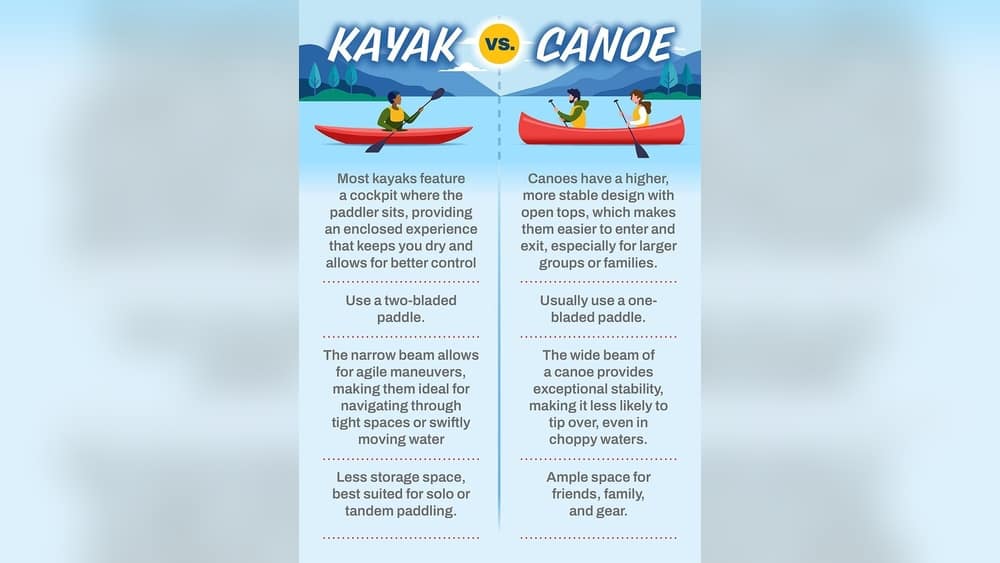
When you decide to paddle on a lake or river, you face a simple question: canoe or kayak? Many people worry about stability, especially if they are new to water sports. Which is more stable—a canoe or a kayak? The answer depends on several factors: boat design, your skill level, and the conditions you face. This article will look deeply at stability, compare both types of boats, and help you choose the right one for your needs.
Understanding Stability In Canoes And Kayaks
Stability means how hard it is to tip the boat over. For beginners, this is very important. If the boat feels shaky, you might lose confidence or even fall into the water. There are two types of stability:
- Primary stability: How steady the boat feels when you sit still.
- Secondary stability: How well the boat resists tipping when you lean or turn.
Both canoes and kayaks have different designs, which affect these types of stability. Let’s break down what makes each boat stable.
Canoe Stability: What Makes Canoes Steady?
Canoes are known for their wide, open shape. Most canoes are:
- 33–40 inches wide
- 14–17 feet long
This wide shape makes them feel steady when you sit down. You usually sit higher, on a seat or bench, and paddle with a single-blade paddle.
Primary Stability In Canoes
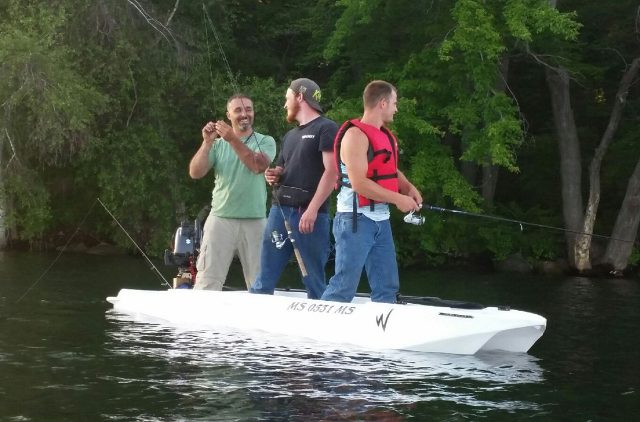
The wide hull (bottom) gives canoes strong primary stability. If you sit in a canoe on calm water, it barely moves. You can shift your weight without tipping easily. This is why families, fishing lovers, and photographers often prefer canoes. You can stand up in many canoes without falling.
Secondary Stability In Canoes
When you lean the canoe or turn sharply, the rounded sides help keep it from tipping suddenly. However, if you lean too far, it can tip quickly because of the high center of gravity. Canoes are better on calm lakes, slow rivers, and gentle waters.
Real-life Example
If you go fishing with a friend, you can both sit and move around freely in a canoe. You can even bring your dog or gear. The boat stays steady unless you make sudden, big movements.

Credit: www.bendingbranches.com
Kayak Stability: How Kayak Design Changes The Game
Kayaks are narrower and lower to the water. Most kayaks are:
- 24–30 inches wide
- 8–14 feet long
You sit lower, often inside a cockpit, and use a double-bladed paddle. This changes how the boat reacts to movement.
Primary Stability In Kayaks
Most kayaks feel less stable at first. If you are new, you might notice the boat wobbles more than a canoe. However, not all kayaks are the same. Some types, like recreational kayaks and sit-on-top kayaks, are designed to be wider and more steady.
Secondary Stability In Kayaks
Kayaks shine when you lean or turn. The rounded hull lets you tilt the boat far before it tips over. Experienced kayakers use this to turn quickly or paddle in rough waters. Sea kayaks and touring kayaks are made for this kind of movement.
Real-life Example
If you paddle in waves or fast rivers, a kayak lets you lean and turn without flipping. You can use your body and paddle to keep balance. This makes kayaks popular for adventure sports and whitewater.
Comparing Canoe Vs Kayak Stability
To see the differences clearly, let’s look at a simple comparison:
| Feature | Canoe | Kayak |
|---|---|---|
| Primary Stability | High | Medium to High (varies) |
| Secondary Stability | Medium | High |
| Width | 33–40 inches | 24–30 inches |
| Typical Use | Calm water, fishing, family trips | Adventure, rough water, solo trips |
| Standing Up | Often possible | Rarely possible |
Credit: wavewalk.com
Types Of Canoes And Kayaks: How Design Affects Stability
Not all canoes and kayaks are the same. Some are made for speed, some for stability.
Canoe Types
- Recreational Canoes: Wide, stable, made for beginners and families.
- Fishing Canoes: Extra width, flat bottom, high primary stability.
- River Canoes: Rounded hull, better secondary stability for turns.
- Touring Canoes: Longer, less wide, made for speed and long trips.
Kayak Types
- Recreational Kayaks: Wide, short, made for calm water and beginners.
- Sit-on-Top Kayaks: Very stable, easy to get in/out, popular for fishing.
- Touring/Sea Kayaks: Narrow, long, high secondary stability, made for rough water.
- Whitewater Kayaks: Small, rounded hull, made for fast turns and leaning.
Here’s another comparison for stability based on boat type:
| Boat Type | Primary Stability | Secondary Stability |
|---|---|---|
| Recreational Canoe | Very High | Medium |
| Fishing Canoe | Very High | Low |
| Touring Canoe | Medium | Medium |
| Recreational Kayak | High | Medium |
| Sit-on-Top Kayak | Very High | Medium |
| Sea Kayak | Low | Very High |
| Whitewater Kayak | Low | Very High |
Factors That Affect Stability
Hull Shape
The hull is the boat’s bottom. Flat hulls are more stable when sitting still. Rounded or V-shaped hulls are less stable at rest, but better when leaning.
Weight Distribution
Where you sit matters. Canoes have seats higher up, which can make tipping easier if you lean too far. Kayaks have seats lower, which keeps the center of gravity near the water.
Load And Gear
Too much weight or uneven gear can make any boat less stable. In canoes, standing up or moving gear quickly can cause tipping. In kayaks, heavy loads should be balanced front and back.
Water Conditions
Calm lakes make both boats stable. Rough water favors kayaks, especially those made for adventure. Canoes can struggle in wind and waves.
Skill Level
A beginner will feel safer in a wide canoe or sit-on-top kayak. Experienced paddlers can use narrow boats and take advantage of secondary stability.
Common Misconceptions About Stability
Some people think all canoes are stable and all kayaks are unstable. That is not true. Here are two insights beginners often miss:
- Wide kayaks can be as stable as canoes: A sit-on-top kayak, 34 inches wide, feels as steady as a fishing canoe.
- Secondary stability is more important in rough water: If you plan to paddle in rivers or sea, a kayak’s ability to lean is safer than a canoe’s flat stability.
Safety Tips For Staying Stable
Even the most stable boat can tip if you make mistakes. Here are important tips:
- Enter and exit slowly: Sudden movements cause tipping.
- Keep weight low and balanced: Avoid standing up in kayaks, and spread gear evenly.
- Practice leaning: Try moving your body and see how the boat reacts.
- Wear a life jacket: Always keep safety first.
- Check water conditions: Wind and waves can change stability fast.
Which Is Better For Beginners?
If you are new and worried about tipping, choose a recreational canoe or a sit-on-top kayak. Both are wide, easy to use, and forgiving. If you want to paddle alone, kayaks are easier to control. For group trips, canoes are better. Try both if you can, and see what feels right for you.
Advanced Stability: How Pros Use Their Boats
Experienced paddlers often choose kayaks for adventure. They learn to use secondary stability to stay upright in waves and rapids. Canoe experts pick boats with rounded hulls for river trips. If you plan to advance, learn how your boat reacts when you lean, turn, or paddle fast.
Data From Research And Real Users
Studies show that:
- Canoes have primary stability up to 60% higher than narrow kayaks.
- Sit-on-top kayaks are chosen by 70% of beginners for their stability.
- In competitive sports, kayaks are used for rough water because of their secondary stability.
A survey by the American Canoe Association found that 55% of families prefer canoes, while 65% of solo paddlers choose kayaks.
For more technical details, you can visit the Wikipedia Kayak page.
Practical Advice: Choosing The Right Boat For You
Think about your needs:
- Are you paddling with family or alone? Canoes fit more people.
- Do you want to stand up or move freely? Canoes allow standing.
- Will you paddle in rough water? Kayaks are safer in waves.
- Do you need easy entry and exit? Sit-on-top kayaks are best.
- Is fishing your goal? Fishing canoes and kayaks are both stable.
Try to test both types before buying. Rentals at local lakes often let you try different boats.

Credit: www.hobie.com
Frequently Asked Questions
Is A Canoe Or Kayak Easier To Balance For Beginners?
For most beginners, a recreational canoe or sit-on-top kayak is easier to balance. Both have wide hulls and steady feel on calm water.
Can You Stand Up In A Kayak Like You Can In A Canoe?
Standing up in most kayaks is risky. Only some wide, flat fishing kayaks allow standing. Canoes are better for standing and moving around.
Which Boat Tips Over More Easily In Waves?
Kayaks are safer in waves because of their secondary stability. Canoes can tip quickly if hit by big waves or wind.
Does The Shape Of The Boat Matter For Stability?
Yes. Flat-bottom boats have more primary stability. Rounded or V-shaped boats lean better and have more secondary stability.
Are Canoes Or Kayaks Safer For Children?
Both are safe if used properly. For young children, wide recreational canoes are best for group trips. Sit-on-top kayaks are safe for older kids who paddle alone.
Choosing between a canoe and kayak comes down to your goals, skill level, and the water you paddle. Both boats offer unique stability features. Try both, learn how they move, and pick the one that fits your adventure. With the right boat, you’ll enjoy paddling with confidence and safety.