
How Heavy Is A Kayak
Many people dream of paddling across a calm lake or along a quiet river. But before you can enjoy the water, you need to move your kayak. One of the first questions new paddlers ask is: How heavy is a kayak? The answer is not simple. Kayaks come in many types, sizes, and materials. Each choice affects the weight, which can change your whole kayaking experience.
If you plan to carry your kayak alone, transport it on a car, or store it in a small space, the weight becomes very important. Even if you have help, a heavy kayak can make things difficult. But a very light kayak might not be strong enough for rough water or big people.
Understanding kayak weight is not just about numbers; it’s about matching your kayak to your needs and abilities. Let’s look at what affects kayak weight, see some real examples, and learn how to choose the right one for you.
What Affects The Weight Of A Kayak?
Several things decide how heavy a kayak is. Knowing these factors will help you make a smart choice.
1. Kayak Type
Each type of kayak is built for a different activity. This changes the design, size, and materials—and the weight.
- Recreational kayaks are usually short, wide, and stable. They weigh 35 to 50 pounds (16–23 kg).
- Touring kayaks are longer and slimmer for speed and distance. They often weigh 45 to 65 pounds (20–30 kg).
- Fishing kayaks are wide and have extra features like rod holders, storage, and sometimes pedals. Many weigh 60 to 100 pounds (27–45 kg).
- Tandem kayaks fit two people, so they are longer and heavier—usually 60 to 90 pounds (27–41 kg), but some can be over 100 pounds (45 kg).
- Inflatable kayaks are made from rubberized fabric and are much lighter, about 20 to 40 pounds (9–18 kg).
- Whitewater kayaks are short and made for quick moves. They weigh 30 to 45 pounds (14–20 kg).
2. Kayak Material
The material is one of the biggest reasons for weight differences.
- Polyethylene plastic: Most common and affordable. Very durable, but heavy. Average weight: 40–80 pounds (18–36 kg).
- Composite materials (fiberglass, carbon fiber, Kevlar): Much lighter and stiffer. These kayaks weigh 35–55 pounds (16–25 kg), but cost more.
- Thermoformed plastic: Lighter than polyethylene, stronger than composite. Weight: 35–50 pounds (16–23 kg).
- Inflatable PVC or rubber: Very light and easy to transport. Weight: 20–40 pounds (9–18 kg).
- Wood: Rare, but some custom kayaks are made from wood. Weight can vary, but often 40–65 pounds (18–30 kg).
3. Kayak Length And Width
Longer kayaks weigh more because they use more material. Wider kayaks can also be heavier, especially if they are designed for stability (like fishing kayaks). For example, a 10-foot recreational kayak might weigh 40 pounds, while a 16-foot touring kayak can weigh over 60 pounds.
4. Additional Features
Things like pedal drives, extra seats, storage hatches, and fishing gear mounts can add significant weight. Pedal kayaks, for instance, can be 10–20 pounds heavier just from the drive system.
5. Accessories And Outfitting
Don’t forget the weight of seats, paddles, life jackets, and gear. While these are not part of the kayak itself, they affect how much you must carry to the water.
Average Kayak Weights By Type
To make things clearer, let’s compare the average weights for popular kayak types:
| Kayak Type | Average Weight (lbs) | Typical Length |
|---|---|---|
| Recreational | 35–50 | 9–12 ft |
| Touring | 45–65 | 12–17 ft |
| Fishing | 60–100 | 10–14 ft |
| Tandem | 60–90 | 12–16 ft |
| Inflatable | 20–40 | 8–15 ft |
| Whitewater | 30–45 | 6–9 ft |
You can see that inflatable kayaks are the lightest, while fishing and tandem kayaks are the heaviest.
Credit: cdkayak.com
Real-world Kayak Weight Examples
To give you a better idea, here are some real kayak models and their weights:
| Model | Type | Material | Weight (lbs) |
|---|---|---|---|
| Perception Joyride 10 | Recreational | Polyethylene | 50 |
| Wilderness Systems Tempest 170 | Touring | Composite | 57 |
| Old Town Sportsman 120 | Fishing | Polyethylene | 85 |
| Oru Kayak Bay ST | Folding | Polypropylene | 26 |
| Advanced Elements AdvancedFrame | Inflatable | PVC | 36 |
| Dagger Mamba 8.6 | Whitewater | Polyethylene | 46 |
Notice that folding and inflatable kayaks are much lighter. Fishing and touring kayaks are heavier, especially if made from plastic.
Why Kayak Weight Matters
Easier Transportation
The most obvious reason is carrying and loading. If you need to lift your kayak onto a car roof or walk to the water, every pound matters. A light kayak can be managed by one person. A heavy kayak might need two people or a special cart.
Storage
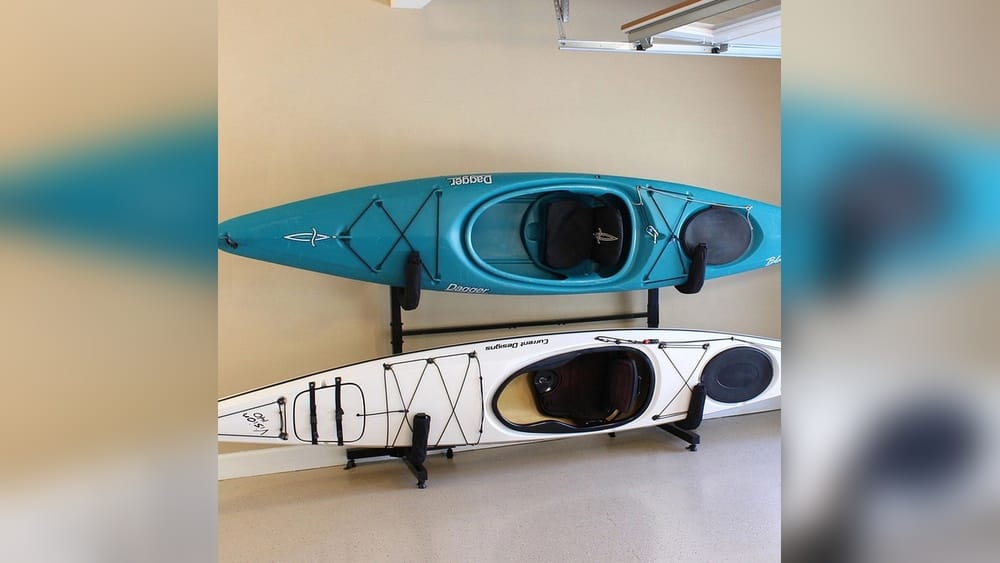
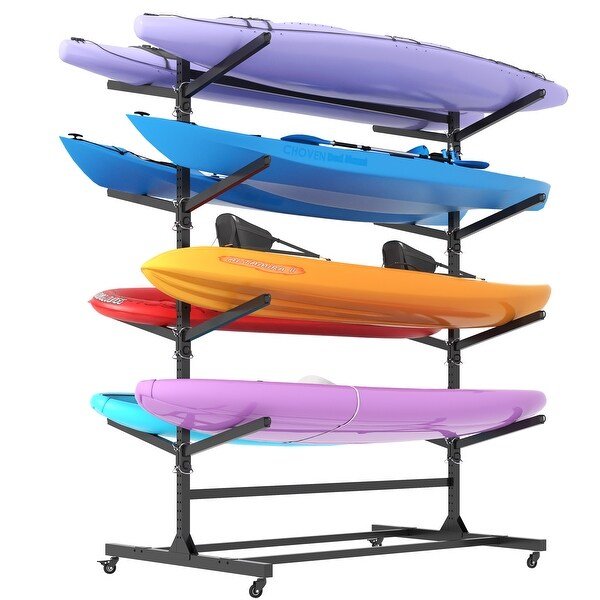
A heavy kayak is harder to move in and out of storage. If you need to store your kayak in an apartment, garage, or on a rack, consider the weight.
On-water Performance
Weight also affects how a kayak feels in the water. Heavier kayaks may feel more stable, especially in wind or waves. Lighter kayaks are easier to paddle and turn, but can be blown around more easily.
Durability
Heavier kayaks are often made from thick plastic, which is strong and tough. Lighter kayaks (like those made from carbon fiber or thin plastic) can be easier to damage if you hit rocks or drag them.
Legal And Safety Limits
Some public places or rental companies have weight limits for what you can launch or carry. Also, if you overload a kayak with gear, you can make it unsafe on the water.
How To Choose The Right Kayak Weight For You
Choosing the right kayak weight is about matching your needs, strength, and plans.
1. Think About Transport
- Can you lift 40–60 pounds by yourself?
- Will you need help from a friend or a cart?
- Is there space in your car or at home for a heavy kayak?
If you will often transport the kayak alone, consider an inflatable, folding, or lightweight composite kayak.
2. Match Weight To Usage
- For fishing or carrying a lot of gear, a heavier kayak is normal.
- For casual paddling or day trips, a lighter recreational kayak might be best.
- If you travel by plane or have limited space, an inflatable or folding kayak is ideal.
3. Test Different Kayaks
If possible, try lifting and carrying different kayaks before buying. Even kayaks with the same weight can feel different because of handles or shape.
4. Balance Weight And Durability
Ultra-light kayaks are easy to carry but can be expensive and less tough. If you often paddle in rocky areas, a heavier, more durable kayak is better.
5. Consider Extra Weight
Remember that gear, paddles, and seats add a few more pounds. Always check the full weight, not just the empty kayak.
Common Kayak Weight Mistakes (and How To Avoid Them)
Many beginners make these mistakes:
- Focusing only on the kayak’s weight: They forget to add the weight of gear, paddles, or accessories.
- Ignoring their own strength: Some people buy a heavy kayak and find they cannot load it alone.
- Forgetting about transportation: Heavy kayaks are hard to get on a car roof without help.
- Choosing too light: Some extra-light kayaks are not strong enough for rough use.
- Not checking manufacturer specs: Always check the real weight from the company, not just a guess.
Weight Limits: How Much Can A Kayak Carry?
Every kayak has a weight limit (also called capacity). This is the maximum safe load, including your body, clothes, gear, and anything else you bring. Exceeding this limit can make your kayak unstable or cause it to sink.
- Most solo recreational kayaks: 250–350 pounds (113–159 kg)
- Tandem kayaks: 400–600 pounds (181–272 kg)
- Fishing kayaks: 350–550 pounds (159–250 kg)
- Inflatable kayaks: 200–500 pounds (90–227 kg)
It’s smart to stay 20–30% below the maximum capacity for best performance. For example, if a kayak’s limit is 300 pounds, aim for a total load of 210–240 pounds.
Tips For Making Kayak Handling Easier
Even if your kayak is heavy, you can make things easier:
- Use a kayak cart: These small wheeled carts let you roll your kayak to the water.
- Get a roof rack with rollers: This helps you slide the kayak onto your car without lifting the full weight.
- Store your kayak at waist height: This makes it easier to lift.
- Carry with a friend: Tandem carrying splits the load.
Some paddlers also use a shoulder strap or special handles to make lifting safer.

Credit: www.amazon.com
Is A Lighter Kayak Always Better?
Not always. While lightweight kayaks are easier to carry, they might not be as stable or strong for every activity. Here are a few things to keep in mind:
- Very light kayaks can be harder to control in wind.
- Heavier kayaks often track better in rough water.
- Light materials (like carbon fiber) can be expensive and fragile.
- Plastic kayaks are heavier but last longer if you drag them on rocks or sand.
The best kayak is the one you can carry, store, and use safely—and that fits your budget.
Frequently Asked Questions
How Much Does A Typical Recreational Kayak Weigh?
Most recreational kayaks weigh between 35 and 50 pounds (16–23 kg). This makes them light enough for one person to carry, but still stable on the water.
Can One Person Lift A Kayak Onto A Car Roof?
Yes, many people can lift a light kayak (under 50 pounds) onto a car by themselves. But for heavier kayaks (over 60 pounds), it’s safer and easier with two people or a special roof rack.
Does Kayak Weight Affect Speed On The Water?
Yes. Lighter kayaks are easier to paddle and accelerate quickly. However, heavier kayaks can hold their speed and glide better, especially in wind or waves.
Are Inflatable Kayaks As Strong As Hard-shell Kayaks?
Modern inflatable kayaks are surprisingly tough, but they can be less durable than hard-shell kayaks if used in rocky areas. They are perfect for calm water and easy transport.
Where Can I Find More Information About Kayak Weights And Materials?
You can read detailed information about kayak materials and designs from the Wikipedia Kayak page.
Kayak weight is more than just a number—it affects every part of your paddling adventure. By understanding the factors, comparing real examples, and thinking about your own needs, you can pick a kayak that brings you fun instead of frustration.
With the right knowledge, your time on the water will be much more enjoyable, and you’ll never be surprised by how heavy your kayak really is.
Credit: www.bedbathandbeyond.com