
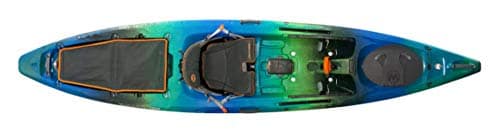
The Tarpon 120 is a strong choice for paddlers who want comfort, stability, storage, and easy handling.
You want a kayak for weekend trips, but you do not want a tiny boat that feels cramped or hard to control. You also want enough room for a dry bag, water, snacks, and basic gear.
That is where the Wilderness Systems Tarpon 120 gets interesting. It is a sit-on-top kayak made for relaxed paddling, day trips, and light fishing. Its 12-foot class gives it a useful balance of glide, stability, and easier transport than a much longer touring kayak.
Is Wilderness Systems Tarpon 120 Good?
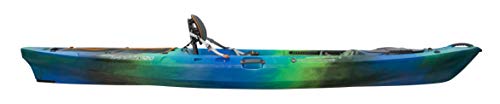
Yes, the Tarpon 120 is a well-rounded sit-on-top kayak for paddlers who want a comfortable boat for lakes, calm rivers, and other suitable flat-water trips. Its main strengths are the open layout, supportive seating, useful storage, and stable feel.
The 12-foot design also gives it more room and glide than many short recreational kayaks. That makes it useful for longer day trips without turning it into a large touring boat.
The main trade-off is simple: this is not a lightweight kayak. At around 63 pounds, moving it from a garage to the water can take some effort. A roof rack, kayak cart, or a second person can make transport much easier.
One practical observation is that the open sit-on-top layout makes getting in and out less intimidating for many new paddlers. Another is that the length gives it a useful mix of tracking and maneuverability for general recreation.
My First Impression of the Wilderness Systems Tarpon 120
The first thing to note is the size. The Tarpon 120 is large enough to feel like a serious recreational kayak, but it is still much easier to manage than a long touring boat.
The hull has a clean, purposeful shape. The sit-on-top design leaves the cockpit open, so there is no need to climb into a tight enclosed space. That can be useful when you stop often, swim, or need to get back on after entering the water.
There is little complex setup compared with kayaks that use pedal drives, motors, or large fishing systems. The basic job is to adjust the seat and foot support, secure your gear, and fit your paddle. Buyers should still inspect the kayak when it arrives and check all fittings before the first trip.
The build feels aimed at regular outdoor use rather than occasional pool use. Wilderness Systems uses a rotomolded polyethylene hull, which is a common choice for durable recreational kayaks. As with any hard-shell kayak, buyers should avoid dragging it over rough ground when possible.

What Makes It Stand Out / Key Features
- 12-Foot Class Hull: The Tarpon 120 uses a 12-foot-class hull that gives it a useful balance between straight-line tracking, glide, and easier handling than a much longer touring kayak.
- Sit-On-Top Layout: The open deck makes entry and exit simple and gives paddlers more freedom to move around. It also works well for trips where you may want to stop, swim, or get back on the kayak.
- AirPro Seating: The adjustable AirPro-style seating system is designed to provide better support than a basic molded kayak seat. A comfortable seat matters on longer outings because poor support can become tiring after a short time.
- Open Storage Space: The deck provides room for items such as a cooler, dry bag, water bottle, or fishing gear. The open layout makes commonly used gear easier to reach while paddling.
- Adjustable Foot Support: The adjustable foot system helps paddlers find a more comfortable leg position. Good foot support also gives you a better connection with the kayak while paddling.
- Gear-Friendly Deck: The Tarpon 120 includes mounting and storage features aimed at carrying useful accessories. This gives recreational paddlers and light anglers more ways to organize their equipment.
- Rotomolded Polyethylene Construction: The hard-shell polyethylene construction is suited to normal outdoor use and gives the kayak a solid feel. It is durable, but the hull should still be handled with care during transport and storage.

✅ What I Like
- ✔ The 12-foot-class hull gives a useful balance of stability, tracking, and glide for recreational paddling.
- ✔ The sit-on-top layout makes getting in and out easier than many enclosed recreational kayaks.
- ✔ The adjustable seat provides better support for longer paddling sessions than a basic molded seat.
- ✔ The open deck gives you practical space for water, dry bags, coolers, and other day-trip gear.
- ✔ The kayak can work for both general recreation and light fishing without needing a dedicated fishing-kayak layout.
- ✔ The adjustable foot support helps different paddlers find a more natural leg position.
- ✔ The design offers room for useful accessories without making the kayak dependent on a pedal drive or motor system.
⚠️ What Could Be Better
- ✖ At roughly 63 pounds, the kayak is not especially easy to carry alone over a long distance.
- ✖ Its hard-shell size can take up a fair amount of garage or storage space.
- ✖ The open sit-on-top design gives less protection from splashes and weather than a traditional enclosed recreational kayak.

My Recommendation
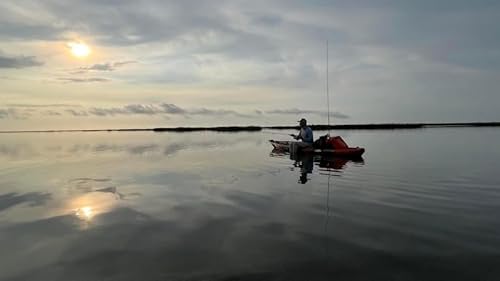
I would consider the Tarpon 120 for buyers who want one versatile kayak instead of a very specialized boat. It makes sense for calm-water recreation, day trips, casual exploring, and light fishing.
It is also a reasonable choice for people who value comfort. The seat and open cockpit matter when you plan to stay on the water for more than a quick paddle around the shoreline.
Before buying, think about transport. The kayak is manageable once it is at the launch point, but getting a roughly 63-pound hard-shell kayak from your home to the water is part of the ownership experience. If you often paddle alone, budget for a suitable cart or plan your loading system in advance.
This kayak is not the obvious choice for everyone. If you mainly want fast touring, a very light boat, or a fishing kayak with a pedal drive, a different design may fit your needs better.
| Best For | Why It Fits |
|---|---|
| Recreational paddlers | The stable sit-on-top layout and 12-foot-class hull work well for relaxed trips on suitable lakes and calm waterways. |
| Weekend adventurers | The deck offers useful room for basic day-trip gear, while the hull provides enough glide for longer outings. |
| Casual kayak anglers | The open deck and gear-friendly layout provide useful space for fishing equipment without requiring a dedicated pedal fishing kayak. |
| Paddlers who value comfort | The adjustable seating and foot support make the kayak better suited to longer sessions than many basic recreational models. |

Alternative Products You Can Consider
| Product | Best For | Key Difference |
|---|---|---|
| Wilderness Systems Tarpon 120 | General recreation and light fishing | Open sit-on-top layout with a versatile recreational focus. |
| Wilderness Systems Pungo 120 | Calm-water recreational paddling | Sit-inside design with a more enclosed cockpit. |
| Old Town Sportsman 120 | Dedicated kayak fishing | More fishing-focused design and equipment layout. |

Final Verdict: Which Should You Buy?
The Wilderness Systems Tarpon 120 is a strong option when your priority is a comfortable and versatile sit-on-top kayak. It gives recreational paddlers a useful mix of stability, glide, storage, and easy access.
The main reason to choose it is versatility. You can use it for relaxed lake trips, calm-water exploring, day outings, and casual fishing without buying a highly specialized kayak.
The biggest limitation is transport. A roughly 63-pound hard-shell kayak is not something every person will enjoy carrying from the car to the launch point. Storage space can also matter if you live in a small home or apartment.
Buy the Tarpon 120 if you want an open, comfortable kayak for general use and you have a practical plan for transport. Consider the Pungo 120 if you want a sit-inside design, or a fishing-focused model if fishing is your main goal.