
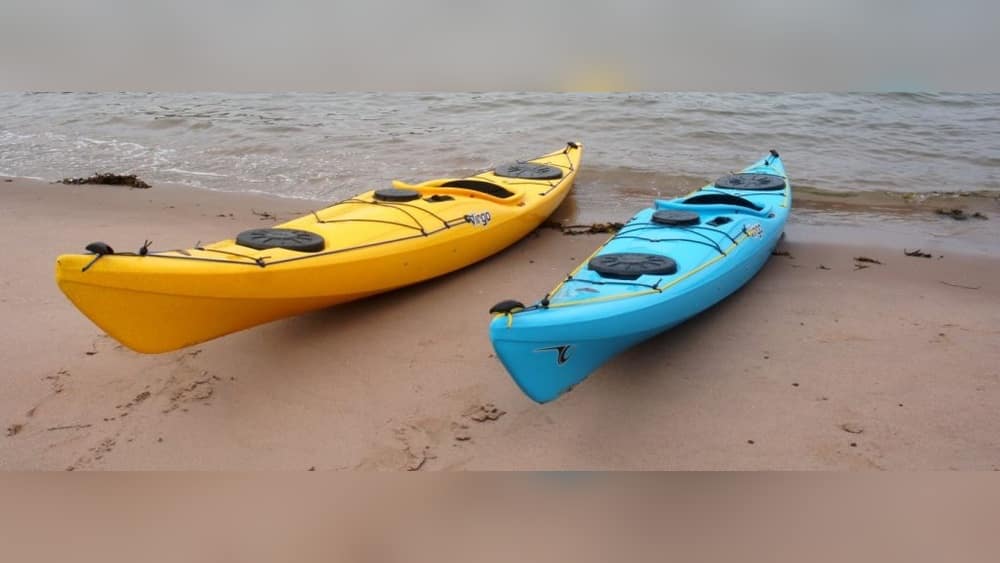
Kayaking is an exciting way to explore lakes, rivers, and coastlines while getting a full-body workout. For many paddlers—beginners and seasoned alike—a common question arises: how long does it take to kayak 5 miles? The answer is not as simple as a single number. Many factors can speed up or slow down your journey, such as your fitness, type of kayak, water conditions, and even the weather. Understanding these factors can help you plan better, stay safe, and enjoy your time on the water.
If you are new to kayaking or want to improve your skills, knowing how long a 5-mile trip might take is useful. It helps you estimate your energy needs, pack enough water or snacks, and avoid getting caught out after dark.
This guide will explain the main factors that affect your kayaking speed, offer real-world examples, and provide practical tips for making your 5-mile trip enjoyable and safe.
Average Time To Kayak 5 Miles
If you want a quick answer, most recreational kayakers can expect to paddle 5 miles in about 1.5 to 2.5 hours. This estimate assumes calm water, a basic recreational kayak, and a paddler with average fitness. Let’s break down the details:
- Average paddling speed: 2 to 3 miles per hour
- 5 miles at 2 mph: 2.5 hours
- 5 miles at 3 mph: 1 hour 40 minutes
These times can change based on the type of kayak, your paddling technique, and the conditions on the water. Beginners often paddle more slowly, sometimes closer to 1. 5 mph, especially if they take breaks or are still learning how to steer.
The 5 Key Factors That Affect Kayaking Time
To get a realistic estimate for your 5-mile kayaking trip, you need to consider five main factors. Each has a big impact on your overall speed and experience.
1. Kayak Type And Design
The kind of kayak you use makes a major difference in how quickly you cover distance. Here are the most common types:
- Recreational kayaks: Short, stable, and easy to use. They are perfect for lakes and slow rivers but are slower because of their wide shape.
- Touring/sea kayaks: Longer and narrower. Built for speed and tracking in open water, so you’ll go faster with less effort.
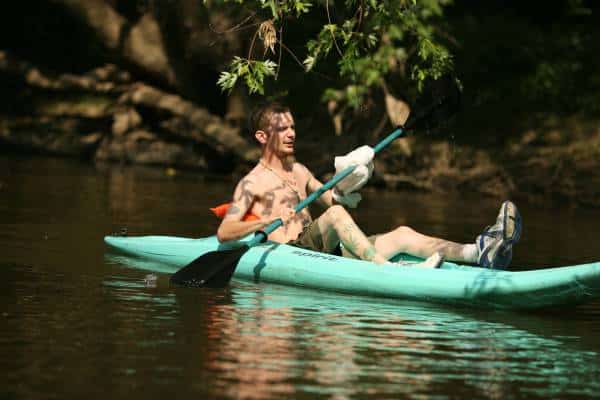
- Inflatable kayaks: Convenient for travel but generally slower due to their flexibility and wider shape.
- Sit-on-top kayaks: Good for beginners and warm weather, but often slower than touring kayaks.
| Kayak Type | Average Speed (mph) | Estimated Time for 5 Miles |
|---|---|---|
| Recreational | 2 mph | 2.5 hours |
| Touring/Sea | 3 mph | 1 hr 40 min |
| Inflatable | 1.5 mph | 3 hr 20 min |
| Sit-on-top | 2 mph | 2.5 hours |
Non-obvious insight: Even two kayaks of the same type can vary in speed if one is heavily loaded with gear or if the hull is damaged or dirty. Always check your kayak’s condition before heading out.
2. Paddler’s Experience And Fitness Level
The person in the kayak matters just as much as the kayak itself. More experienced paddlers can move faster because they use better technique and tire less quickly. Here’s how experience and fitness affect your trip:
- Beginner: Might paddle at 1.5 mph, need more rest, and use more energy.
- Intermediate: Can hold 2-2.5 mph for longer distances with fewer breaks.
- Expert: Maintains 3 mph or more, uses efficient strokes, and handles rougher water.
Fitness is another key factor. If you exercise regularly, have good upper body strength, and know how to use your core muscles, you’ll paddle faster with less fatigue.
Practical tip: If you’re new, plan extra time for rests and consider starting with a shorter route before tackling 5 miles.
3. Water Conditions And Weather
Nature plays a big role in your paddling speed. The same 5-mile trip can feel easy or very tough depending on the conditions:
- Current and tides: Paddling downstream or with the tide can make you 1-2 mph faster, while going against the current can cut your speed in half.
- Wind: A strong headwind slows you down; a tailwind gives you a boost. Crosswinds make steering harder, especially for beginners.
- Waves: Choppy water slows you down and makes paddling more tiring.
| Condition | Effect on Speed | Example |
|---|---|---|
| Calm, flat water | Normal speed | 2-3 mph |
| Strong headwind | Slower | 1-2 mph |
| Downstream current | Faster | 3-4 mph |
| Choppy waves | Slower | 1-1.5 mph |
Non-obvious insight: Weather can change during your trip. Check forecasts before you go, and know your route so you can exit early if needed.
4. Paddling Technique And Rest Breaks
How you paddle has a direct effect on your speed and stamina. Good technique uses your core and back muscles, not just your arms. This lets you go farther with less effort.
- Efficient paddling: Smooth, even strokes help maintain speed and reduce fatigue.
- Frequent breaks: If you stop often, your average speed drops. Every 5-10 minute rest adds up over a longer trip.
- Group paddling: If you’re kayaking with others, your speed will match the slowest paddler.
Practical example: If you paddle at 2.5 mph but take three 10-minute breaks, your total trip time for 5 miles will be closer to 2.25 hours instead of 2 hours.
Pro tip: Beginners often grip the paddle too tightly or pull just with their arms. Practice using your whole upper body, and keep your grip relaxed.
5. Gear, Packing, And Weight
How much you bring—and where you store it—matters more than many people think. Extra weight slows you down and makes steering harder.
- Light packing: If you pack only essentials, your kayak will sit higher and move faster.
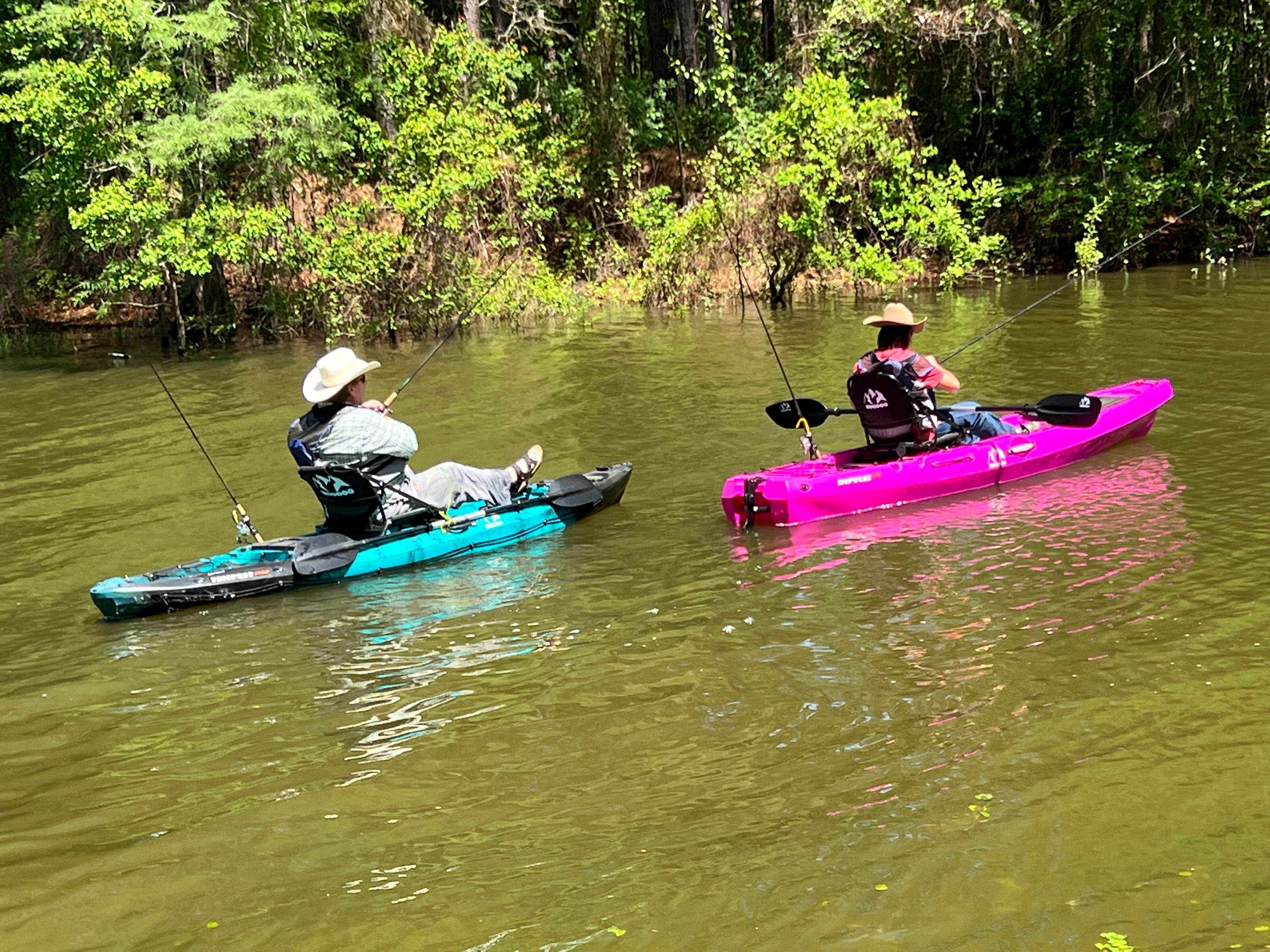
- Heavy gear: Camping gear, coolers, or fishing equipment can add 20-40 pounds, slowing you by 0.5 mph or more.
- Poor weight distribution: If most of your gear is in the back or one side, the kayak will be harder to keep straight.
Example: Two paddlers in the same kayak, one carrying only water and snacks, the other with camping gear, may see a time difference of 15–30 minutes over 5 miles.
Quick tip: Store heavier items low and centered in your kayak to keep it stable and easy to paddle.

Credit: canoeindiana.com
How To Estimate Your Own 5-mile Kayak Time
Now that you know the five main factors, you can estimate your own trip time using these steps:
- Know your kayak: Check its typical speed (see earlier tables).
- Be honest about your fitness and skill level: Beginners should use 1.5–2 mph as a base.
- Check water and weather: Adjust your speed estimate up or down if you expect wind or current.
- Add time for breaks: Plan for at least 10–20 minutes of rest on a 5-mile trip.
- Consider your gear: Heavier loads mean more time.
Here’s a simple calculation:
- If you paddle at 2 mph and plan two 10-minute breaks, your time will be:
- 5 miles / 2 mph = 2.5 hours paddling
- 20 minutes of rest
- Total: 2 hours 50 minutes
Real-world Examples: How Long Did It Take Others?
Every paddler’s experience is a bit different, but here are some real-world scenarios:
- Beginner on a calm lake: Used a recreational kayak, took 2 hours 45 minutes for 5 miles, including breaks.
- Intermediate on a slow river: Touring kayak, mild downstream current, finished in 1 hour 50 minutes.
- Group with kids: Stopped for snacks and photos, took nearly 3 hours.
- Experienced solo paddler: Touring kayak in ideal conditions, finished in 1 hour 30 minutes without breaks.
Credit: canoeindiana.com
Tips To Improve Your Kayak Speed And Experience
If you want to finish your 5-mile trip faster or just enjoy it more, try these practical tips:
- Practice paddling technique: Learn to use your core, not just your arms.
- Choose the right kayak for your goal: Touring models are best for longer, faster trips.
- Travel light: Only pack what you need for the trip.
- Check the forecast: Avoid strong winds, storms, or changing tides.
- Stay hydrated and fueled: Bring water and easy snacks for energy.
- Paddle with a buddy: It’s safer and more fun.
Common Mistakes To Avoid
Even experienced paddlers sometimes make these mistakes:
- Ignoring weather reports: Sudden storms can make a short trip dangerous.
- Overestimating fitness: Many beginners tire out before finishing.
- Packing too much gear: Heavy kayaks are slower and harder to control.
- Not checking the route: Some rivers have obstacles or strong currents.
- Forgetting safety gear: Always bring a life jacket and a whistle.
Kayak 5 Miles: Comparison By Scenario
Here is a quick reference for different 5-mile kayak trips:
| Scenario | Expected Time | Notes |
|---|---|---|
| Solo beginner, calm lake | 2.5–3 hours | Frequent breaks, slower pace |
| Intermediate, downstream river | 1.5–2 hours | Some current, fewer breaks |
| Experienced, touring kayak, flat sea | 1.5 hours | Efficient technique, no breaks |
| Group trip with kids | 3+ hours | Many stops, slower paddlers |
Safety Reminders For Your Kayak Trip
A 5-mile trip sounds simple, but safety should always come first:
- Wear a life jacket: Always, even if you’re a good swimmer.
- Tell someone your plan: Let a friend or family member know your route and expected return time.
- Bring a phone or whistle: For emergencies.
- Check the weather and water conditions: Before you go and during your trip.
- Know your limits: It’s okay to turn back or stop early.
For more safety tips and paddling resources, check the kayaking overview on Wikipedia.
Credit: tpwd.texas.gov
Frequently Asked Questions
How Long Does It Take A Beginner To Kayak 5 Miles?
Most beginners will take 2.5 to 3 hours to paddle 5 miles on calm water, including rest breaks. Going with the current or in a group can change this time.
What Is A Good Speed For Kayaking?
A good average speed for recreational kayaking is 2 to 2.5 mph. Experienced paddlers in touring kayaks may reach 3 mph or higher on flat water.
Does The Type Of Water Affect My Kayaking Time?
Yes, your speed can change a lot. Downstream rivers or tidal currents make you faster, while headwinds or choppy water can make you much slower.
How Can I Paddle Faster And Longer?
Focus on paddling technique, use your core muscles, take regular breaks, and travel light. Practice on shorter trips before longer adventures.
Is Kayaking 5 Miles Hard For A Beginner?
It can be challenging if you are not used to paddling. Start with shorter trips, build up your strength, and always check conditions before you go.
Kayaking 5 miles is an achievable and rewarding goal, whether you’re seeking a peaceful outing or a full-body workout. With the right preparation and realistic expectations, you’ll find the time on the water both fun and memorable. Always put safety first, listen to your body, and enjoy the adventure.