
Rowing Vs Kayaking: A Complete Comparison For Beginners And Enthusiasts
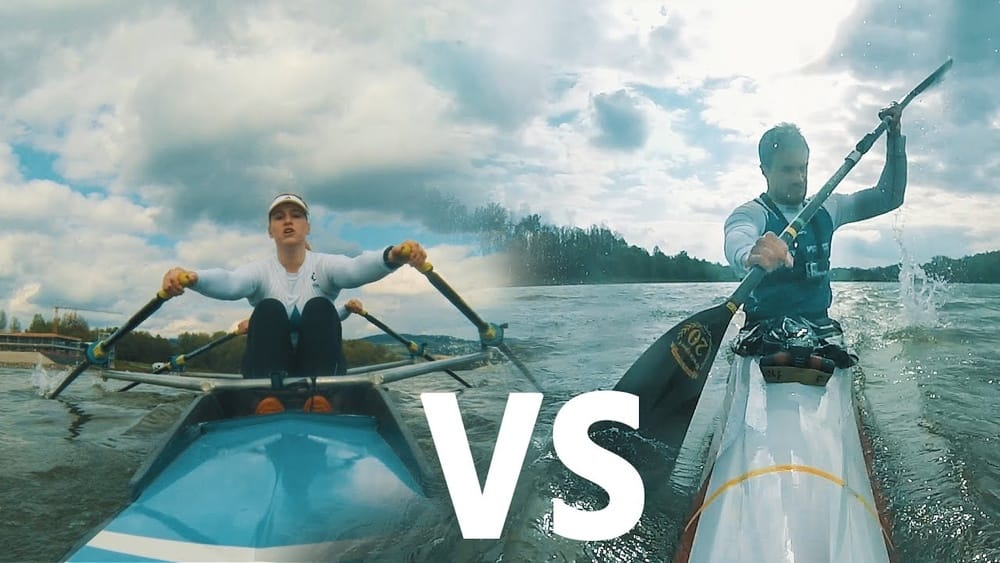
If you’ve ever watched people gliding across a quiet lake or racing down a river, you’ve probably seen both rowing and kayaking in action. They might look similar at first, but these two water sports have different techniques, equipment, and experiences. Many people wonder which is better for fitness, which is easier to learn, and what makes each sport unique.
Choosing between rowing and kayaking isn’t just about picking a boat. It’s about understanding your goals, your body, and the type of water adventure you want. This guide will break down the differences and similarities, giving you a clear picture of what to expect.
Whether you’re looking for a new hobby, a way to get fit, or just want to enjoy nature from the water, this comparison will help you make an informed decision.
What Is Rowing?
Rowing is a sport where you sit in a narrow boat and use long oars to move backward through the water. It’s one of the oldest organized sports, with a rich history in the Olympics and universities worldwide.
There are two main types of rowing:
- Sweep rowing: Each person uses one oar, and teams work together in boats of two, four, or eight.
- Sculling: Each rower uses two oars, one in each hand, and can row alone or with others.
Rowing is often done on calm lakes, rivers, or special courses. The focus is on teamwork, rhythm, and power.
What Is Kayaking?
Kayaking involves sitting in a small, often lightweight boat called a kayak, with your legs stretched out in front of you. You use a double-bladed paddle to move forward, usually facing the direction of travel.
There are many types of kayaking, including:
- Recreational kayaking: For fun on flat water like lakes and slow rivers.
- Whitewater kayaking: Paddling through rapids and rough water.
- Sea kayaking: Exploring coastal waters and sometimes long-distance touring.
Kayaks come in different shapes and sizes, depending on their purpose. Kayaking can be solo or in pairs.
Key Differences Between Rowing And Kayaking
At first glance, both sports involve moving a boat with paddles or oars. However, there are some major differences:
| Feature | Rowing | Kayaking |
|---|---|---|
| Seating Position | Face backward | Face forward |
| Paddle/Oar | Single-bladed oars | Double-bladed paddle |
| Boat Direction | Moves backward | Moves forward |
| Common Water Type | Flatwater (lakes, rivers) | Flatwater, whitewater, sea |
| Group or Solo | Often team-based | Usually solo, sometimes tandem |
| Main Focus | Power, rhythm, teamwork | Control, maneuverability |
One thing beginners miss: In rowing, you cannot see where you are going because you face backward. In kayaking, you always see ahead.
Equipment Breakdown
Rowing Gear
- Boat (shell): Long, narrow, and light. Made from carbon fiber or fiberglass.
- Oars: Long (up to 3 meters), with flat blades.
- Sliding seat: Moves on tracks to help with leg drive.
- Foot stretcher: Fixed inside the boat to brace your feet.
- Clothing: Tight-fitting to avoid getting caught on equipment.
Kayaking Gear
- Kayak: Shorter than rowing boats, can be open or closed cockpit.
- Paddle: Double-bladed, shorter than oars.
- Spray skirt: Keeps water out of the boat (for closed-cockpit kayaks).
- Personal flotation device (PFD): Essential for safety.
- Helmet: Used in whitewater kayaking.
A key insight: Rowing shells are much less stable than recreational kayaks. Standing up or shifting in a rowing boat can quickly flip it, while many kayaks are designed for stability.
Physical Demands And Muscles Used
Both rowing and kayaking give a full-body workout, but they engage muscles differently.
Rowing
Rowing is known for being one of the best total-body exercises. It uses:
- Legs: Main source of power (about 60% of the stroke)
- Back and core: Transfer force from legs to arms
- Arms and shoulders: Finish the stroke
Rowing burns between 400-600 calories per hour for moderate effort, and even more at racing intensity. It is low-impact, making it joint-friendly.
Kayaking
Kayaking also works the body, but with a different focus:
- Arms and shoulders: Main force in each stroke
- Core: Keeps the boat stable and helps with rotation
- Legs: Used for balance and control, not for power
A person kayaking at a moderate pace burns about 300-500 calories per hour. It’s a great upper-body and core workout, but less leg-intensive than rowing.
Learning Curve: Which Is Easier To Start?
Both sports have beginner-friendly options, but the learning process is not the same.
Rowing
Rowing can be challenging at first:
- Balance: Rowing shells are tippy.
- Technique: Proper form is important to avoid injury.
- Teamwork: In larger boats, you must match the crew’s rhythm.
- Facing backward: Can feel strange and requires trust in coxswain or navigation aids.
Learning to row with good technique may take a few weeks of practice, but many clubs offer beginner courses.
Kayaking
Kayaking is usually easier for beginners to start:
- Stability: Recreational kayaks are wider and more stable.
- Direction: Facing forward helps navigation.
- Solo activity: You control the pace and direction.
However, advanced kayaking (like whitewater or sea kayaking) requires more skills, like rolling, bracing, and reading water.
Safety Considerations
Both rowing and kayaking are generally safe if you follow the rules, but each has its own risks.
Rowing Safety
- Capsizing: Shells tip easily; knowing how to swim is essential.
- Cold water: Risk of hypothermia if you fall in.
- Collisions: Facing backward, you may hit obstacles if not careful.
- Weather: Wind and waves can make rowing dangerous.
Most clubs require safety training and have rescue plans.
Kayaking Safety
- Capsizing: Kayaks can flip, especially in rough water.
- Entrapment: In closed-cockpit kayaks, you must know how to exit.
- Weather and water: Tides, currents, and waves can be dangerous.
- Personal flotation device: Always wear a PFD.
For both sports, checking the weather and water conditions before heading out is crucial.
Types Of Water And Where You Can Go
Rowing is usually limited to calm, flat water. Most rowers practice on lakes, calm rivers, or special courses.
Kayaking is much more flexible. You can kayak on:
- Lakes
- Rivers (slow or fast)
- Oceans and seas
- Marshes and swamps
Kayaks are easier to transport and launch almost anywhere. If you love exploring different environments, kayaking offers more variety.
Social And Team Aspects
Rowing is often a group activity. In big boats, you work together with a crew, guided by a coxswain. This builds teamwork and can be very social.
You can also row solo (sculling), but even then, many rowers train in groups.
Kayaking is usually a solo sport, but you can paddle with friends or join group trips. There are also tandem kayaks for two people.
For those who enjoy working closely with others, rowing might be more appealing. If you value independence, kayaking lets you set your own pace.
Competitive Opportunities
Both sports offer ways to compete, but the style and atmosphere are different.
Rowing Competitions
- Regattas: Organized races on straight courses, often with several boats side by side.
- Head races: Longer, timed events on winding rivers.
- Club and school teams: Many join through universities or local clubs.
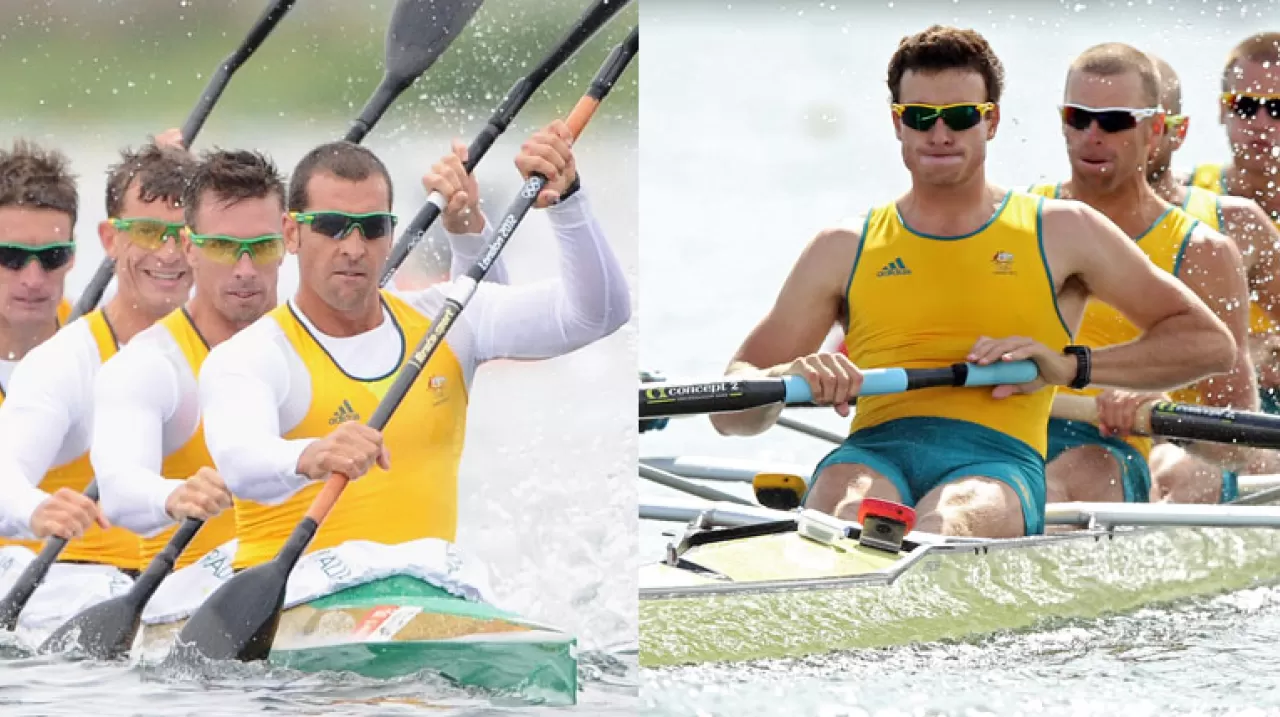
Rowing is an Olympic sport, and competitions are highly structured.
Kayaking Competitions
- Sprint races: Straight-line races, like in rowing.
- Slalom: Timed races through gates on whitewater.
- Downriver: Long-distance or rapid-filled courses.
- Freestyle: Tricks and maneuvers in waves or holes.
Kayaking’s competitive scene is more varied, especially with whitewater and sea kayaking events.
Credit: www.olympics.com.au
Health Benefits And Fitness Impact
Both sports are excellent for health, but offer slightly different benefits.
Rowing Health Benefits
- Cardiovascular fitness: Improves heart and lung health.
- Strength: Builds muscle, especially in the legs and back.
- Low-impact: Good for joints.
- Calorie burn: Effective for weight loss.
Some research shows rowers have excellent aerobic capacity and muscle balance.
Kayaking Health Benefits
- Upper body strength: Shoulders, arms, and core get strong.
- Flexibility: Reaching and rotating movements increase range of motion.
- Mental health: Being close to nature and water reduces stress.
- Balance and coordination: Constant adjustments to water and boat.
A non-obvious benefit: Kayaking trains your ability to react quickly to changes in the environment, which can improve reflexes and body awareness over time.
Cost Comparison: Getting Started
Costs can vary widely, but here’s a basic breakdown:
| Item | Rowing | Kayaking |
|---|---|---|
| Boat | $1,000 – $10,000+ | $200 – $2,000+ |
| Paddle/Oars | $300 – $800 | $50 – $300 |
| Club Fees | $300 – $1,500/year | $100 – $500/year |
| Safety Gear | $100 – $300 | $50 – $200 |
| Storage & Transport | Often needed | Optional (inflatable kayaks possible) |
Rowing usually requires joining a club, which provides access to boats and training. Kayaking can be done solo and renting is common in many places.
Accessibility And Who Can Do It
Rowing
- Best for: People who like group sports, routine, and structured workouts.
- Physical demands: Requires some mobility, especially in the legs and back.
- Age range: Common from teens to older adults, but less popular with very young children.
Kayaking
- Best for: People who enjoy solo adventures, travel, and exploring.
- Physical demands: Can be adjusted for all fitness levels.
- Age range: Children, adults, and seniors can all kayak, especially with stable boats.
A surprising fact: Adaptive versions of both sports exist for people with disabilities. There are special rowing shells and kayaks designed for different abilities.
Environmental Impact
Both sports are eco-friendly, but there are a few things to consider:
- Rowing: Boats are usually carried to the water and leave little trace. Races sometimes require clearing vegetation or building docks.
- Kayaking: Kayaks can reach sensitive areas. It’s important not to disturb wildlife or erode banks.
Always follow local rules to protect the environment and keep waterways clean.
Weather And Seasonal Factors
- Rowing: Most popular in spring and summer. Winter rowing requires cold-weather gear, and ice can stop the season.
- Kayaking: Possible year-round, especially with dry suits or in warm places. Whitewater is best after rain or snowmelt.
Kayaks handle rough conditions better, and you’re less likely to have your season cut short by bad weather.
Maintenance And Storage
- Rowing shells: Long and fragile. Need safe storage, often in club boathouses. Regular cleaning and checking for damage is important.
- Kayaks: Shorter and tougher. Can be stored in garages or sheds. Inflatable kayaks are easy to keep at home.
If you have limited storage, kayaking is often more practical.
Travel And Transport
- Rowing boats: Hard to move without a trailer. Usually rowed where stored.
- Kayaks: Easy to transport on car roofs or even in backpacks (inflatable).
If you like traveling to new places to paddle, a kayak is much easier to bring along.
Skill Progression: How Far Can You Go?
Both sports offer a long path for learning and improvement.
- Rowing: Progress from basic technique to racing, team boats, and advanced drills. There is always a new skill to master.
- Kayaking: Start on flat water, then try rivers, whitewater, sea kayaking, or even tricks.
A key insight: Kayaking has more types of adventure. Rowing is more focused on speed and teamwork, while kayaking can mean exploration, travel, or extreme sports.
Community And Culture
- Rowing: Strong tradition, especially in universities and clubs. Events are formal, with a focus on sportsmanship.
- Kayaking: More casual and adventurous. Community includes explorers, families, and thrill-seekers.
You’ll find friendly people in both, but the atmosphere is different.
Common Beginner Mistakes
Rowing:
- Poor posture: Slouching or hunching can cause back pain.
- Rushing the slide: Moving too quickly between strokes loses rhythm.
- Not using legs: Beginners often pull with arms, not legs.
Kayaking:
- Gripping paddle too tight: Causes tired hands and poor control.
- Ignoring the core: Focusing only on arms leads to fatigue.
- Not wearing a PFD: Skipping safety gear can be dangerous.
Learning from a coach or experienced friend helps avoid these errors.
Which Is Right For You?
If you want a full-body workout, enjoy routine, and like working with others, rowing could be your sport. If you prefer exploration, independence, and a variety of experiences, kayaking might suit you better.
Try both if you can. Many outdoor centers offer sample sessions. You might be surprised which sport feels natural to you.
Real-world Examples
- Rowing: The Cambridge vs. Oxford Boat Race is watched by millions every year in the UK. Many rowers start in school or college and stay active for life.
- Kayaking: People have kayaked the entire Amazon River and explored coastlines from Alaska to New Zealand. Kayak fishing is also growing fast.
Famous rowers like Sir Steve Redgrave have won Olympic golds, while famous kayakers like Freya Hoffmeister have circumnavigated continents.

Credit: www.youtube.com
Notable Records And Achievements
- The world’s fastest rowing eight covered 2,000 meters in just under 5: 19 minutes (Netherlands, 2023).
- In 2011, Ed Gillet kayaked solo from California to Hawaii—over 2,500 miles in 64 days.
These records show the extreme possibilities of both sports.
Which Is More Popular?
Globally, kayaking has more casual participants because it’s easier to try and less expensive. Rowing is more popular in Europe and the US at the club and university level. Both sports are growing, and you’ll find fans everywhere.
Where To Learn More
If you want to read more about the history, rules, and technical details, check out the official World Rowing and International Canoe Federation sites. For kayaking safety tips and gear, the Wikipedia Kayaking page is a good starting place.
Frequently Asked Questions
Is Rowing Or Kayaking Better For Weight Loss?
Both are excellent for burning calories, but rowing usually burns more per hour because it uses larger muscle groups. Kayaking can also help with weight loss, especially if done regularly.
Which Is Safer For Beginners?
Kayaking is generally safer for beginners because recreational kayaks are stable and you face forward. However, both sports are safe with the right training and equipment.
Can I Do Rowing Or Kayaking Alone?
You can kayak alone almost anywhere, especially with stable boats. Rowing alone is possible with a single scull, but most beginners start in team boats for safety and learning.
What Is Harder To Learn: Rowing Or Kayaking?
Rowing has a steeper learning curve due to balance and technique. Kayaking is easier to start, but advanced kayaking (like whitewater) can be challenging.
Do I Need To Be A Strong Swimmer?
Yes, for both sports, you should be comfortable in water and able to swim. Wearing a life jacket is always recommended, even for strong swimmers.
Rowing and kayaking both offer amazing ways to enjoy the water, get fit, and join a community. Whichever you choose, you’ll discover new skills and experiences that will stay with you for life.
Credit: gamerules.com