
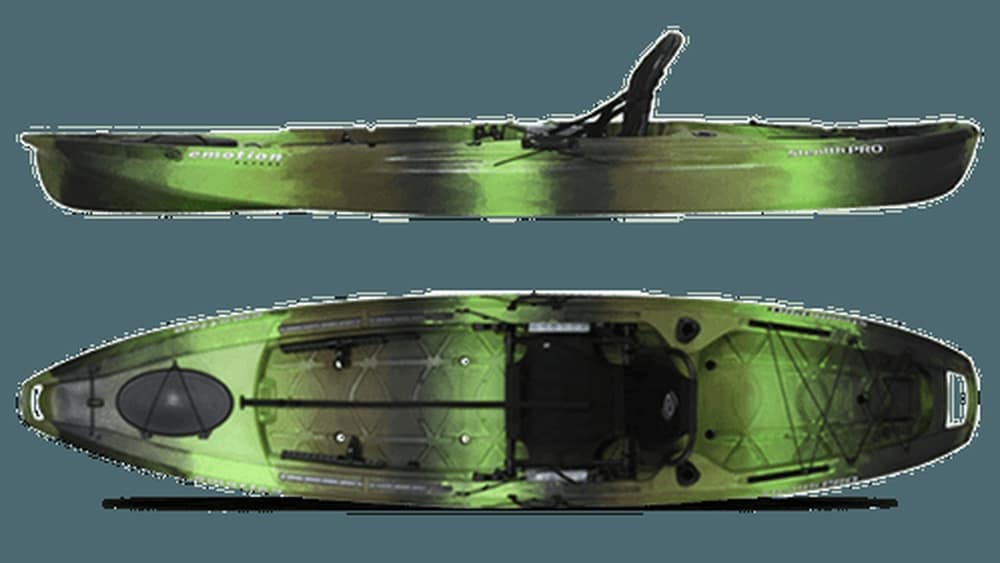
When you start looking for a kayak, you quickly find two big names in recreational models: Pelican and Emotion Kayak. Both brands fill stores with colorful, affordable boats, each promising fun and adventure on the water. But which one is right for you? While they seem similar, there are important differences in design, comfort, and performance. Choosing between Pelican and Emotion Kayak is more than just picking a color or price tag—it’s about matching your needs and style to the right boat. This guide breaks down the details that matter, from build quality to stability, so you can make a smart, confident choice for your next paddling trip.
Brand Background: Pelican And Emotion Kayak
Pelican is a Canadian company with over 50 years in the kayak market. They’re famous for making lightweight, durable boats, especially for beginners and families. Pelican uses a special plastic molding process called RAM-X™. This gives their kayaks impact resistance and flexibility, making them tough enough to survive rough handling and rocky shores.
Emotion Kayak, now part of Lifetime Products, started in 2002 in the United States. They focus on making kayaks that are easy to use, stable, and affordable. Their designs are aimed at casual paddlers, weekend adventurers, and people who want a low-maintenance kayak for lakes or slow rivers. Emotion Kayaks often come with built-in comfort features and are known for their wide, steady hulls.
Both brands have earned loyal followings, but their priorities and engineering choices shape the boats you’ll find on store shelves.
Key Differences Between Pelican And Emotion Kayak
Comparing these brands means looking at more than just price. To help you see how they stack up, here’s a side-by-side overview of their main features:
| Feature | Pelican | Emotion Kayak |
|---|---|---|
| Country of Origin | Canada | USA |
| Main Material | RAM-X™ (multi-layer polyethylene) | High-density polyethylene (HDPE) |
| Weight | Lighter (36-50 lbs average) | Heavier (45-60 lbs average) |
| Hull Shape | Narrower, faster | Wider, more stable |
| Comfort Features | Basic (upgradable seats) | Padded seats, molded footrests |
| Price Range | $250–$650 | $300–$700 |
| Warranty | Limited lifetime on hull | 5-year limited |
Pelican generally offers lighter kayaks with a focus on easy transport and strong construction. Emotion Kayak leans toward better comfort and stability, which can be important for new or nervous paddlers.
Materials And Durability
A kayak’s material affects everything: weight, strength, and how long it lasts. Pelican uses its signature RAM-X™ technology—a multi-layer plastic that bounces back from impacts. This is excellent if you launch from rocky shores or sometimes drag your kayak across gravel. The hulls are flexible but tough, resisting dents and cracks.
Emotion Kayaks use high-density polyethylene (HDPE), a single-layer plastic. It’s thicker and feels solid, giving the boat extra weight and making it less likely to flex. While durable, HDPE is slightly heavier and can scratch more easily. However, it stands up well to sun and water over time.
Non-obvious insight: Many beginners worry about scratches or cosmetic damage. In reality, both RAM-X™ and HDPE can handle minor bumps and scrapes, and most surface scratches won’t hurt performance. What matters more is how you store and transport your kayak—sun, heat, and improper stacking cause more long-term harm than normal use.
Kayak Types And Model Range
Both brands offer a range of kayaks for different activities. Here’s how their lineups break down:
Pelican
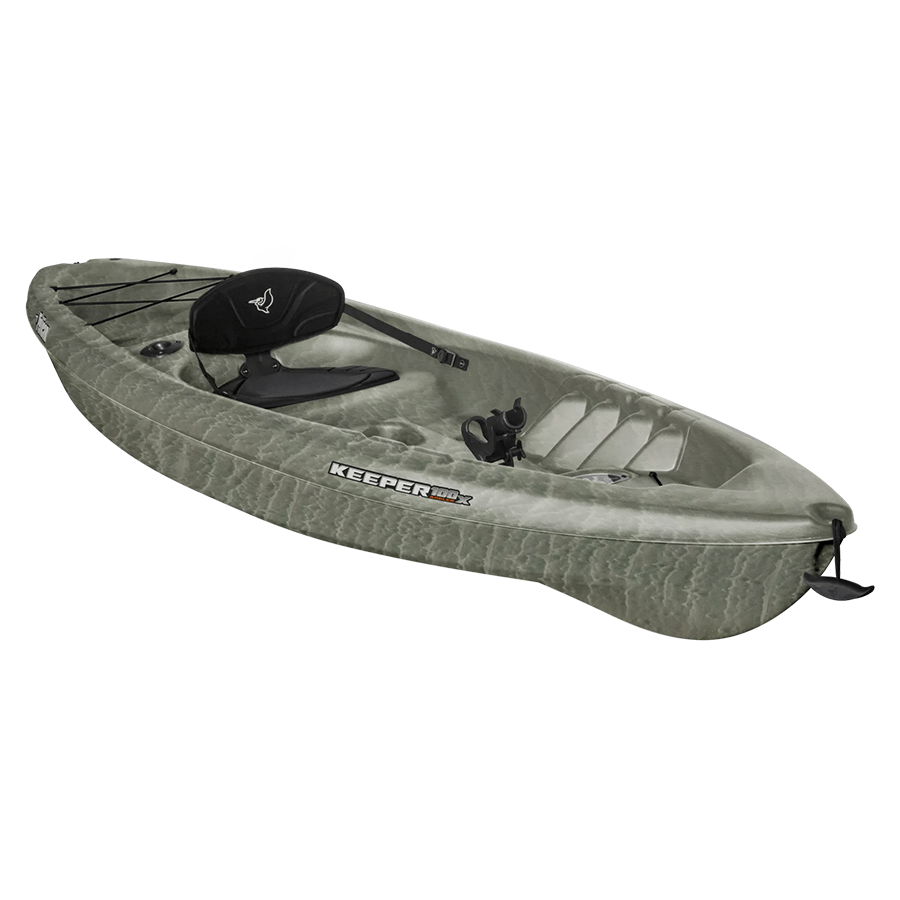
- Sit-on-top kayaks: Best for warm climates, easy entry/exit. Models like the Pelican Sentinel and Trailblazer are popular for beginners.
- Sit-inside kayaks: Offer more protection from splashes and wind. The Argo and Mustang series are good for mild rivers or lakes.
- Fishing kayaks: Feature rod holders, extra storage, and wider hulls for stability. The Pelican Catch series stands out here.
- Youth kayaks: Smaller, lighter designs like the Pelican Solo for children.
Emotion Kayak
- Sit-on-top kayaks: Very stable, with wide decks and easy-to-clean surfaces. The Emotion Spitfire is a classic choice.
- Sit-inside kayaks: Not as common, but the Emotion Guster is a lightweight example.
- Fishing kayaks: Emotion Stealth Angler and Renegade XT offer fishing-specific extras.
- Tandem kayaks: The Emotion Temptation Tandem is built for two paddlers.
Non-obvious insight: Many buyers overlook the difference between sit-on-top and sit-inside kayaks. Sit-on-tops are better for beginners and summer use but can leave you wet. Sit-inside kayaks are drier and faster but need practice to enter and exit safely.
Weight And Portability
Pelican kayaks are famous for being light. Many models weigh under 40 pounds, so one adult can carry them without help. This makes a big difference if you have to lift the kayak onto a car roof or carry it down a trail. For solo paddlers or people with limited strength, this is a major advantage.
Emotion Kayak models are heavier, often by 5-10 pounds for similar sizes. The extra weight comes from their thicker plastic and wider hulls. This means more stability on the water but can be a hassle when moving the kayak alone.
Transport Tips
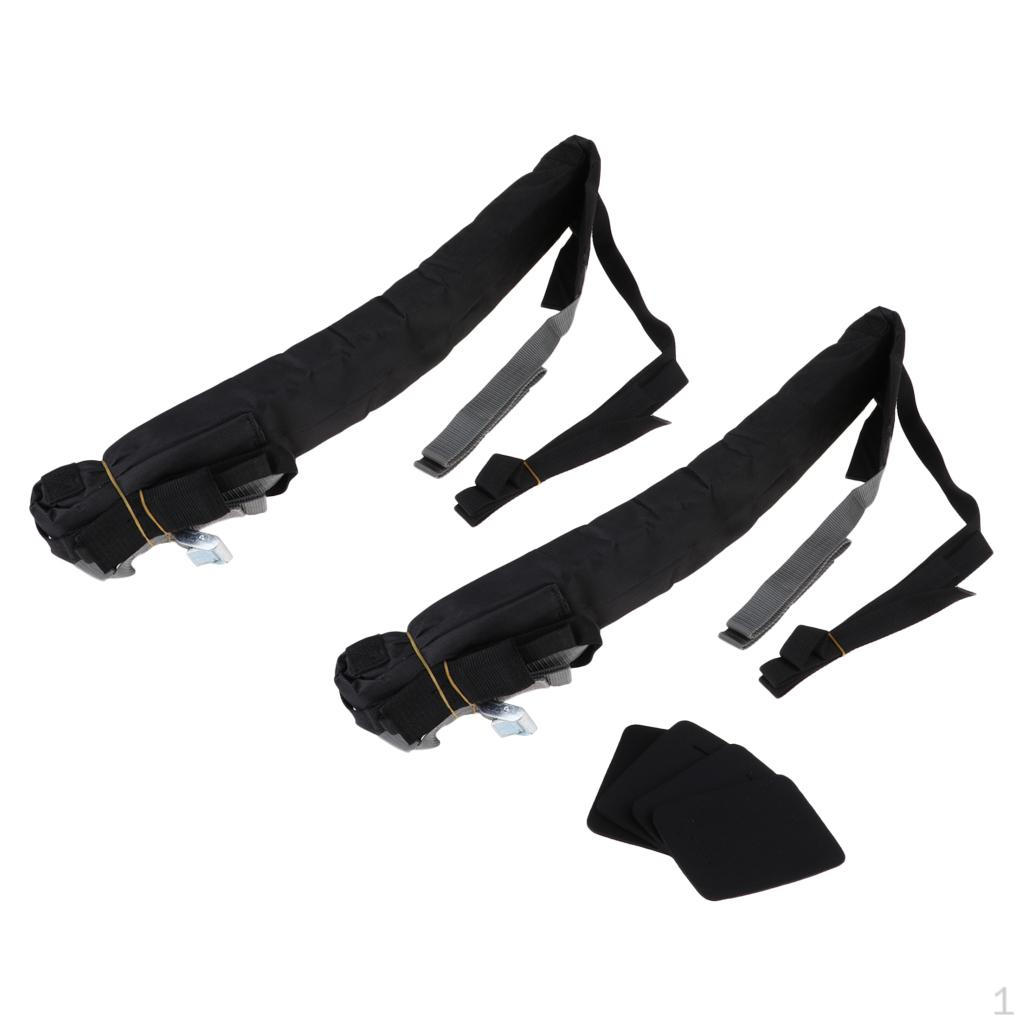
- Use a kayak cart to roll heavier models over long distances.
- Always lift with your legs, not your back.
- Store kayaks on their side or upside down to avoid hull deformation.
Stability And Performance On Water
Stability is where Emotion Kayak shines. Their boats are wide, with flat bottoms and pronounced chines (edges). This makes them hard to tip, even if you shift your weight or stand up to fish. For nervous beginners or kids, this inspires confidence.
Pelican kayaks are stable but designed to glide faster. Their hulls are narrower and have a sharper V-shape, which helps cut through water. This makes them slightly less stable for standing or abrupt moves but gives better speed and tracking (ability to go straight).
Performance In Different Conditions
- Calm lakes: Both brands work well. Emotion offers more comfort; Pelican offers more speed.
- Slow-moving rivers: Pelican’s lighter weight helps with quick turns; Emotion’s stability helps avoid capsizing.
- Choppy water: Emotion’s wider hulls prevent tipping, but Pelican’s sit-inside models protect you from splashes.
Data point: In independent tests, Pelican kayaks averaged 4.5 mph on flat water, while Emotion kayaks averaged 4.1 mph. The difference is small, but noticeable over long trips.
Comfort And Ergonomics
Kayak comfort is more than just a soft seat. It includes seat shape, back support, footrests, and cockpit size.
Pelican usually equips their kayaks with basic seats. Some models have padded backrests, while others offer simple molded plastic. Footrests are often molded into the hull and fit a range of leg lengths, but may not suit very tall or short paddlers. Higher-end Pelican kayaks allow you to upgrade the seat for more padding.
Emotion Kayak focuses more on comfort. Many models have thick, padded seats with adjustable backrests. Footrests are molded but sometimes feel more supportive. Cockpit openings are often larger, making entry and exit easier.
Ergonomics Tips
- Try sitting in the kayak before buying, if possible.
- Adjustable seats add comfort for long trips.
- Molded footrests are durable but may not fit all body types.
Non-obvious insight: Many buyers focus on seat softness, but back support is more important. A seat with adjustable lumbar support can prevent pain during long paddles, even if the cushion is thin.
Storage And Accessories
You’ll want space for water bottles, snacks, or fishing gear. Both brands offer storage, but in different ways.
Pelican kayaks usually have a rear tank well with bungee cords to secure bags. Some sit-inside models feature small dry hatches for valuables. Higher-end Pelicans add fishing rod holders and gear tracks.
Emotion Kayak models are generous with storage. Sit-on-tops have large open wells, sealed hatches, and bungees. Fishing models add tackle box storage, paddle holders, and cup holders.
If you fish or paddle for hours, these extras matter. But for short trips, basic storage is often enough.
Price And Value
For many buyers, cost is the deciding factor. Both brands offer similar price points, with entry-level kayaks starting around $250–$300 and specialty models reaching $650–$700.
Pelican often wins on price for very basic models, especially youth and small recreational kayaks. Their lightweight construction means you get a durable kayak at a lower weight and slightly lower cost.
Emotion Kayak might cost a bit more for similar sizes, but you get better comfort features and usually more storage. Their fishing kayaks and tandems are well-priced compared to other brands.
What Are You Really Paying For?
- Pelican: Lightweight design, basic build, easy transport.
- Emotion Kayak: Extra stability, comfort, and gear storage.
For families, Pelican’s budget-friendly models are a smart choice. For adults who plan long trips or fishing outings, Emotion’s comfort features are worth the price.
Warranty And Customer Support
Pelican offers a limited lifetime warranty on the hull for original owners, plus 1-year coverage for parts and accessories. They have a good reputation for responding to warranty claims, but you need proof of purchase.
Emotion Kayak, under Lifetime Products, provides a 5-year limited warranty on the hull. This is still generous, but not as long as Pelican’s. Customer service is based in the U.S., making it easier for American buyers to get help.
Credit: www.fiberforce.it
Popular Models: Examples From Each Brand
Looking at specific models helps see the real-world differences. Here are two head-to-head comparisons:
| Model | Pelican Sentinel 100X | Emotion Spitfire 9 |
|---|---|---|
| Type | Sit-on-top | Sit-on-top |
| Length | 9’6” | 9’ |
| Weight | 42 lbs | 45 lbs |
| Max Capacity | 275 lbs | 350 lbs |
| Seat | Molded plastic, basic cushion | Padded, high backrest |
| Price (MSRP) | $350 | $370 |
Both are great for lakes and calm rivers, but the Spitfire 9 is more comfortable for long sits, while the Sentinel 100X is easier to carry alone.
Who Should Choose Pelican?
- Solo paddlers who want the lightest kayak possible.
- Beginners on a tight budget.
- Kids or teens needing a smaller, easy-to-handle kayak.
- People with limited storage space at home.
- Anyone who values speed and easier roof-top transport.
Pelican is an excellent choice for those who prioritize weight and cost over extras. Their sit-inside models are also better for cooler climates or longer trips where staying dry matters.
Credit: north40.com
Who Should Choose Emotion Kayak?
- Families needing stability for nervous paddlers.
- Adults with back issues who want better seats.
- Fishing enthusiasts needing extra storage and rod holders.
- People who paddle with pets or kids (thanks to the stable, open design).
- Heavier paddlers who need a higher weight capacity.
Emotion Kayak is ideal if you want maximum comfort, stability, and room for gear, especially on longer outings.
Common Buyer Mistakes
Many new paddlers make the same errors when picking between these brands:
- Focusing only on price: The cheapest kayak isn’t always the best match. Think about comfort and storage, too.
- Ignoring weight: A heavier kayak is hard to move alone, even if it feels stable on water.
- Choosing a kayak too large or small: Make sure the boat fits your body size and weight.
- Forgetting about transport and storage: Measure your car roof and home storage before buying.
- Assuming all kayaks are equal: The brand’s design philosophy affects your experience more than you think.

Credit: aventiksports.com
Real-world User Experiences
Paddlers who use both brands often report:
- Pelican is easier to carry and quick to launch but can feel less comfortable after a few hours.
- Emotion Kayak feels rock-solid underfoot, even when fishing or letting kids climb in and out.
- Some users upgrade Pelican seats to match Emotion’s comfort, while Emotion owners add storage to compete with Pelican’s lighter designs.
Expert tip: If possible, rent or test-paddle each brand before buying. Local rental shops often carry both, so you can get a feel for fit, comfort, and handling.
Environmental Impact
Both brands use recyclable plastics and efficient manufacturing, but Pelican highlights their eco-friendly production. Their factory recycles plastic scraps into new kayaks and uses less water and energy than most rivals. Emotion Kayak, as part of Lifetime, also emphasizes sustainability, but details are less public.
If reducing your environmental footprint matters, Pelican’s transparent recycling efforts are a plus.
Where To Buy And What To Expect
You can find Pelican and Emotion Kayak at major retailers like Walmart, Dick’s Sporting Goods, and specialty outdoor stores. Online options include Amazon and direct-from-manufacturer sales. Always check for:
- Shipping costs: Kayaks are bulky and can be expensive to ship.
- Return policies: Some stores do not accept returns on kayaks.
- Assembly: Most kayaks arrive ready to use, but fishing models may need accessory installation.
For further research, the American Canoe Association provides tips on choosing the right kayak for your needs: American Canoe Association.
Frequently Asked Questions
What Are The Main Differences Between Pelican And Emotion Kayak?
Pelican focuses on lightweight, affordable kayaks with simple features, making them easy to transport and store. Emotion Kayak offers heavier, more stable boats with extra comfort and storage, better for long trips or fishing.
Which Brand Is Better For Beginners?
Both are beginner-friendly, but Emotion Kayak is often easier for nervous paddlers because of its wider, more stable hulls and comfortable seats. Pelican is best if you want a light kayak that’s easy to move.
Are Pelican And Emotion Kayaks Good For Fishing?
Yes, both brands make fishing-specific models. Pelican’s Catch series and Emotion’s Stealth Angler include rod holders, extra storage, and wide decks for standing.
How Long Do These Kayaks Last?
With proper care, both brands can last 10 years or more. Pelican’s RAM-X™ material is especially resistant to impacts and weathering. Storing your kayak out of the sun and cleaning it after use will extend its life.
Can I Upgrade Seats Or Accessories?
Most Pelican and Emotion Kayak models allow for seat upgrades and added accessories like rod holders or storage bags. Check the manufacturer’s website for compatible parts.
Choosing between Pelican and Emotion Kayak comes down to your priorities: weight and budget, or comfort and stability. By understanding their key differences, you’ll be ready to make a choice that keeps you smiling on the water for years to come.