
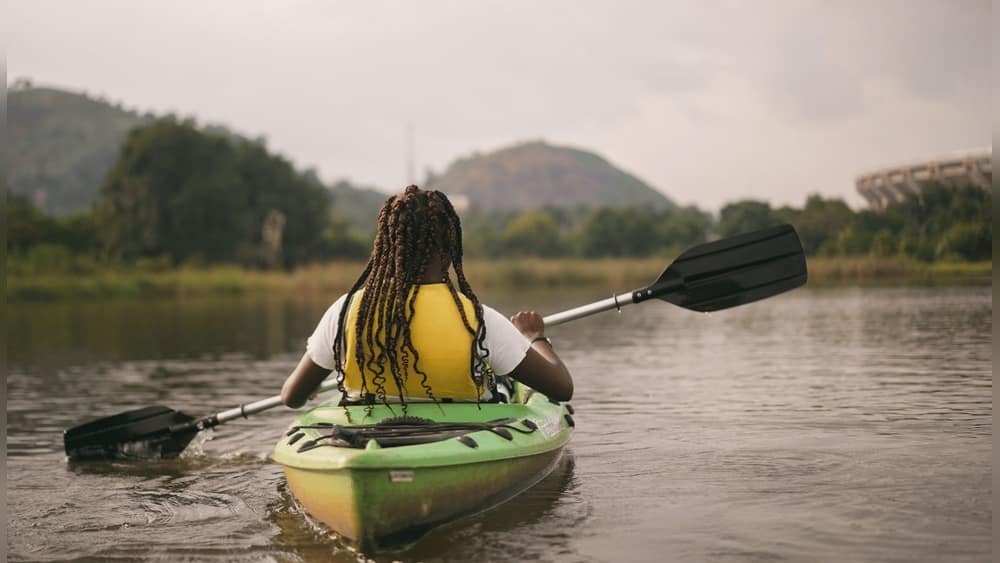
Kayaking is an adventure that many people look forward to each year. The mix of water, nature, and the thrill of paddling brings excitement after months of cold or rain. But one common question for both beginners and experienced paddlers is: when does kayak season start? The answer is not as simple as a date on the calendar. It depends on your location, weather, water conditions, and even the type of kayaking you enjoy. This article will guide you through everything you need to know to plan your kayaking adventures at the right time, stay safe, and make the most of the season.
Understanding Kayak Season
Kayak season is the period each year when conditions are best for kayaking. It is when weather is comfortable, water temperatures are safe, and most rivers and lakes are clear of ice and debris. Unlike sports with a fixed season, kayak season can change from region to region and year to year.
In many places, kayak season lines up with spring and summer. But there are important differences depending on your climate and the type of water you plan to paddle. Let’s look deeper at what influences the start of kayak season.
Key Factors That Decide Kayak Season Start
1. Weather Patterns
The most important factor is the weather. In northern places, kayak season usually begins when winter ends and temperatures rise above freezing. In the south, the season may start earlier and last longer. For example, in the northern United States or Canada, kayaking may begin in late April or May. In Florida or southern California, people often kayak all year.
2. Water Temperature
Even if the air feels warm, cold water can be dangerous. Experts say that water above 60°F (16°C) is generally safe for short trips, while water below 50°F (10°C) is risky without special gear. Cold water shock is a real danger, so never judge only by the air.
3. Ice And Debris
Rivers and lakes may stay frozen or filled with ice chunks well into spring. Snow melt can also bring logs, fast currents, and other dangers. Always check local reports before launching your kayak.
4. Local Laws And Park Openings
Some parks and rivers have official opening dates for kayaking. They may close during winter for safety or wildlife reasons. Check with the local ranger or website before planning your first trip.
5. Type Of Kayaking
- Whitewater kayaking often starts when spring snow melts and rivers run high.
- Sea kayaking depends on ocean conditions, tides, and storms.
- Flatwater kayaking on calm lakes often opens as soon as the ice melts.
Kayak Season Start In Different Regions
The start of kayak season can vary widely. Here’s a look at some popular regions:
| Region | Typical Kayak Season Start | Notes |
|---|---|---|
| Pacific Northwest (USA) | Late March to May | Rainy springs; rivers swell from snowmelt |
| New England (USA) | Late April to May | Ice-out on lakes is the key moment |
| Southern USA | Year-round | Best conditions from March to November |
| Canada (Ontario, Quebec) | May to June | Wait for ice melt and warmer water |
| Scandinavia | May to June | Short season, sometimes until September |
| Australia/NZ | September to April | Reverse seasons; starts in southern hemisphere spring |
How To Know When It’s Safe To Start Kayaking
It’s tempting to launch as soon as the sun shines, but safety should always come first. Here are some ways to know it’s the right time:
- Water Temperature Check: Buy a simple thermometer and test the water. If it’s above 60°F (16°C) and you have proper gear, you’re set for most trips.
- Ice-Free Water: Wait until all ice has melted and floating debris is gone.
- Local Updates: Check with local outfitters or park rangers. They know the river or lake best and can warn about hidden dangers.
- Weather Forecast: Look for stable, mild weather without threats of storms or high winds.
- Life Jacket Rules: Always wear a life jacket, especially early in the season when water is cold.

Credit: www.canoeicf.com
Typical Kayak Season Timeline
To help you visualize, here’s a simplified kayak season timeline for a temperate climate:
| Month | Kayak Activity Level | Notes |
|---|---|---|
| January – March | Low | Cold, icy, dangerous for most paddlers |
| April | Rising | Ice melts, but water still cold |
| May – August | High | Best season, warm water, long days |
| September | Moderate | Cooler, but still good for kayaking |
| October – December | Low | Weather turns cold, season ends |
Early Season Kayaking: Tips And Risks
If you want to get on the water as early as possible, you need to be more careful. Here’s what you should know:
Dress For The Water, Not The Air
Even if it’s warm outside, cold water can be deadly. Wear a wetsuit or dry suit in early spring. Hypothermia can happen in minutes if you fall in.
Watch For Fast Currents
Spring snowmelt means rivers can be much faster and higher than usual. Only experienced paddlers should attempt rivers early in the season.
Avoid Paddling Alone
Early in the season, always kayak with a buddy. Cold water and debris increase the risk of accidents.
Check Your Gear
After winter, check your kayak, paddle, and safety gear for damage. Replace anything that looks worn out.
Late Season Kayaking: Extending Your Time On The Water
Some people want to keep paddling into the fall, or even winter. Here’s how to do it safely:
- Use Layers: Wear warm, water-resistant clothes. Avoid cotton, as it stays wet and cold.
- Shorter Trips: Days get shorter and water gets colder. Plan for quick trips close to shore.
- Know When to Stop: If you feel cold, tired, or see ice forming, it’s time to end your season.
- Watch Wildlife: In some places, fall means more activity from animals like beavers or even bears. Stay alert.
Special Cases: Year-round Kayaking
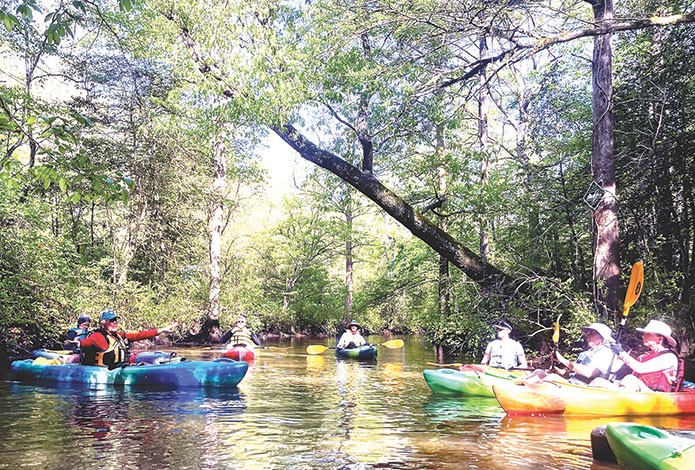
Some areas, especially in the south or near the coast, offer year-round kayaking. But even there, weather can change quickly. Hurricanes, storms, or flooding can close rivers and beaches. Always check local advice.
Credit: www.ssentinel.com
Non-obvious Insights Most Beginners Miss
Water Temperature Is More Important Than Air Temperature
Many new kayakers think warm air means safe water. In reality, water takes much longer to warm up. A sunny April day could have water at 40°F (4°C)—still cold enough for hypothermia.
River Levels Can Change Overnight
Rain or snow melt upstream can make rivers dangerous, even if the weather looks good where you are. Always check recent river level reports before you go.
Planning Your First Trip Of The Season
To get the most from your first paddle, follow these steps:
- Check All Gear: Inflate life jackets, test your paddle, and check for leaks in your kayak.
- Tell Someone Your Plan: Let a friend know where you’re going and when you’ll return.
- Scout Your Route: If possible, visit the water before your trip to spot any hazards.
- Start Small: Choose a short, familiar route for your first time out.
- Pack Extra Clothes: Bring a dry bag with warm clothes in case you get wet.

Credit: kokopelli.com
How Kayak Season Differs By Type Of Kayaking
Kayaking isn’t just one activity. The season can vary depending on what you like to do.
Whitewater Kayaking
Best right after spring snowmelt, when rivers are full. But this means stronger currents and colder water. Only for experienced paddlers early in the season.
Sea Kayaking
Season can start earlier because oceans do not freeze, but wind and storms are bigger risks. Always check tide and wave forecasts.
Recreational And Flatwater Kayaking
The most flexible. As soon as your local lake is ice-free and warm enough, you can start. Usually safe from late spring through early fall.
How Climate Change Is Affecting Kayak Season
Recent years have seen changes in weather patterns. In some places, kayak season is starting earlier because of warmer winters. In others, heavy spring rains or droughts are changing river levels. Always check the most recent conditions, not just what happened in past years.
Getting Ready For Kayak Season
If you want to have a great season, prepare in advance:
- Take a Safety Course: Many local clubs offer classes in rescue and safe paddling.
- Join a Kayak Group: Paddling with others is safer and more fun.
- Upgrade Your Gear: As you gain experience, you may want a better paddle, dry bags, or a more comfortable life jacket.
Useful Resources
For up-to-date info on kayaking season and safety tips, visit the American Whitewater Safety page.
Frequently Asked Questions
What Is The Best Month To Start Kayaking?
The best month depends on your location. In most temperate areas, May is a safe time. By then, water is usually warmer and ice is gone. Always check local conditions, as some years are colder or warmer than others.
Can I Kayak In Winter?
Yes, but winter kayaking is only for advanced paddlers with special gear. Water and air are cold, and rescue is harder. Most people wait for spring.
How Do I Know If The Water Is Too Cold For Kayaking?
If the water is below 60°F (16°C), wear a wetsuit or dry suit. Below 50°F (10°C), only experts should paddle, with full safety gear. Test the water and check local advice.
Do Different Types Of Kayaks Have Different Seasons?
Yes. Whitewater kayaking often starts with spring snowmelt. Sea kayaking depends on tides and storms. Recreational kayaking on calm lakes is most flexible, starting as soon as it’s warm enough.
What Should I Do If I Fall In Early In The Season?
Stay calm and get out of the water quickly. Cold water can sap your strength fast. Always wear a life jacket, paddle with a friend, and bring dry clothes.
Kayak season brings adventure, but timing it right is key to safety and enjoyment. With the right knowledge, you’ll be ready to launch your kayak when the season truly begins in your area.