
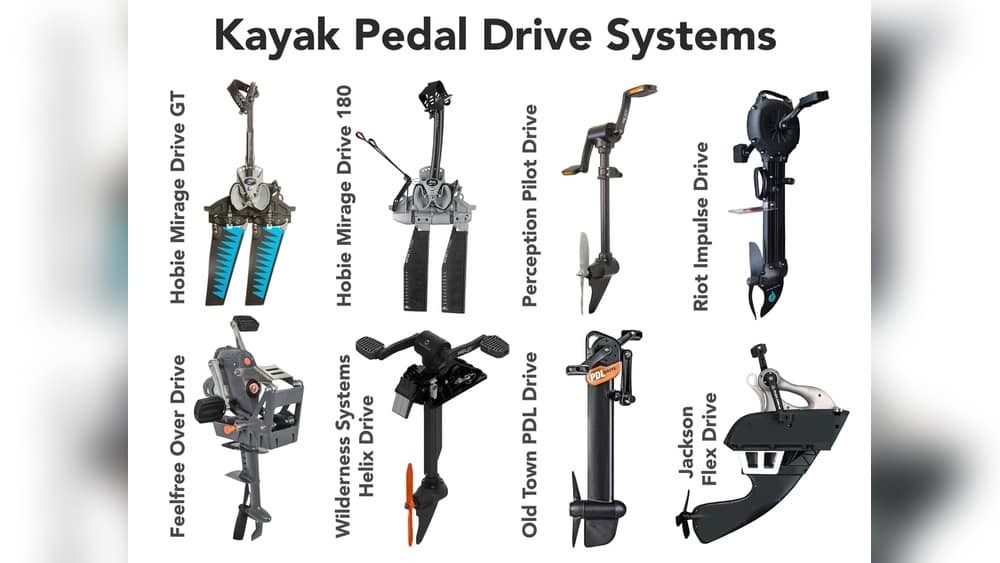
Many people love kayaking, but not everyone enjoys paddling for hours. If you want to explore the water without tiring your arms, pedal kayaks are a smart choice. These special kayaks let you move by using your feet, making trips easier and often faster. But how does a pedal kayak actually work? Let’s break down the basics, show how the system operates, and share practical advice for anyone thinking about trying pedal kayaks.
What Is A Pedal Kayak?
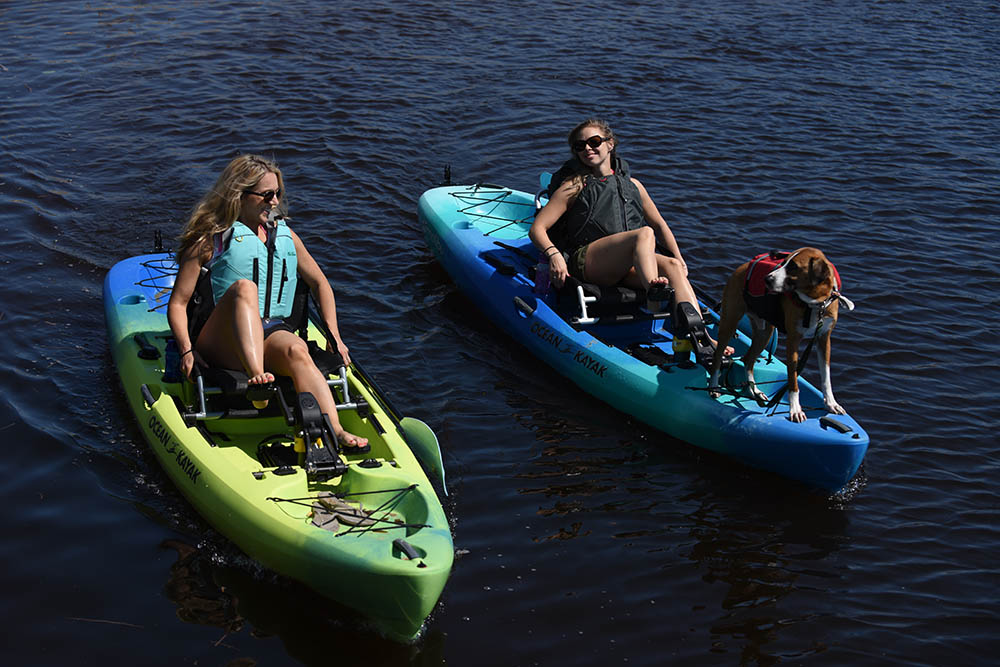
A pedal kayak is a small boat designed for one or two people. Instead of using a paddle, you use your feet to turn pedals. These pedals connect to a drive system, which moves a propeller or fins under the kayak. The result: you glide smoothly over the water, hands-free. Pedal kayaks are popular with fishing enthusiasts, people with limited arm strength, and anyone looking for a relaxing day on the water.
The Main Components Of Pedal Kayaks
Pedal kayaks look similar to traditional kayaks, but several important parts make them unique:
- Pedal Drive System – The heart of a pedal kayak. It includes pedals, cranks, and the mechanism that turns your foot motion into forward movement.
- Propeller or Fin System – Located under the kayak, this part pushes water so you move.
- Rudder and Steering Controls – Allows you to turn left or right using a handle or lever.
- Hull – The main body of the kayak. Pedal kayaks usually have wider hulls for stability.
- Seat – Often adjustable and comfortable, designed for longer trips.
Let’s look closer at the systems that make pedal kayaks work.
How Does The Pedal Drive System Work?
The pedal drive system is the most important part of a pedal kayak. Here’s how it operates:
- You sit in the kayak and place your feet on the pedals.
- As you pedal, your legs turn a crank (like a bicycle).
- The crank connects to either a propeller or fins under the kayak.
- This motion pushes the kayak forward in the water.
There are two main types of drive systems:
Propeller-based Drive
This system uses a spinning propeller under the kayak. When you pedal, the propeller turns, pushing water backward and moving you forward. It works well for speed and is efficient for longer distances.
Fin-based Drive
Some kayaks use flexible fins instead. As you pedal, the fins sweep side to side, creating movement. Fins are good in shallow water because they fold when hitting obstacles. They also allow for quiet operation, which is helpful for fishing.
Comparing Pedal And Paddle Kayaks
Pedal kayaks are not for everyone. Some people prefer traditional paddling. Here is a comparison to help you understand the differences:
| Feature | Pedal Kayak | Paddle Kayak |
|---|---|---|
| Speed | Faster, especially on open water | Slower, depends on paddler strength |
| Effort | Less arm fatigue, uses legs | Arm and upper body strength needed |
| Hands-Free | Yes, great for fishing | No, always need hands to paddle |
| Maneuverability | Easy steering with rudder | Turning needs paddle skills |
| Maintenance | Regular cleaning of drive system | Minimal, just paddle care |
This comparison shows the main advantages and disadvantages. Pedal kayaks offer hands-free movement, but require more maintenance and are usually heavier.
Credit: oldtownwatercraft.johnsonoutdoors.com
How Steering Works In Pedal Kayaks
Steering is easy in most pedal kayaks. Instead of moving your paddle left or right, you use a rudder system:
- A handle or lever near your seat controls the rudder.
- Move the handle left or right to turn the kayak.
- The rudder, located at the back of the kayak, changes direction in the water.
This system allows for sharp turns and easy navigation, even in windy conditions. Some kayaks have dual controls for added precision.
Types Of Pedal Kayaks
Pedal kayaks come in several designs to suit different needs:
- Single Pedal Kayaks – Designed for one person, lightweight, and easy to transport.
- Tandem Pedal Kayaks – Fits two people, often with two pedal systems.
- Fishing Pedal Kayaks – Wider, stable, and equipped with rod holders and storage.
- Recreational Pedal Kayaks – Good for short trips and relaxed rides.
- Touring Pedal Kayaks – Built for speed and distance, often longer and slimmer.
Choosing the right type depends on your purpose—fishing, exercise, or travel.
How Pedal Kayaks Perform In Different Conditions
Not all pedal kayaks behave the same way in every situation. Here’s how they perform in common environments:
Open Water
Pedal kayaks are ideal for lakes and calm seas. Their speed lets you cover more distance, and hands-free steering helps with navigation.
Shallow Water
Fin-based systems are better in shallow areas. Fins fold against obstacles, protecting the drive system. Propeller systems can be damaged if they hit rocks or sand.
Rivers And Currents
Pedal kayaks can handle moderate currents. The rudder helps you stay on course. However, in fast-moving rivers, a paddle kayak may offer more control.
Windy Conditions
Wide hulls and rudders make pedal kayaks stable in wind. You can keep your hands free to adjust your gear or take photos.
Key Benefits Of Pedal Kayaks
Pedal kayaks offer unique advantages, especially for certain activities:
- Hands-Free Operation: Great for fishing, photography, and relaxing.
- Less Fatigue: Your legs are stronger than your arms, so you can travel further.
- Stable Platform: Wider hulls mean you can stand up or move around without tipping.
- Easy Steering: Rudder controls simplify turning and tracking.
- Speed: You can reach destinations faster than with paddles.
A less obvious benefit: pedal kayaks are often more accessible for people with arm injuries or limited mobility.

Credit: www.waterlinesports.com
Common Drawbacks And Challenges
Despite their advantages, pedal kayaks have some downsides:
- Weight: Pedal kayaks are heavier than paddle kayaks, making transport harder.
- Cost: They can be expensive, especially with advanced drive systems.
- Maintenance: The pedal system needs regular cleaning and lubrication.
- Draft: Some pedal kayaks require deeper water, limiting where you can go.
- Noise: Propeller systems can make noise, which may scare fish.
Many beginners overlook the need to maintain the drive system. Saltwater, sand, and debris can cause damage if not cleaned regularly.
Pedal Kayak Maintenance Tips
To keep your pedal kayak in good shape, follow these maintenance steps:
- Rinse After Each Use – Especially in saltwater, rinse the drive system with fresh water.
- Lubricate Moving Parts – Apply oil to cranks and gears to prevent rust.
- Check for Debris – Remove weeds, sand, or small stones from the propeller or fins.
- Inspect for Damage – Look for cracks, loose parts, or worn pedals.
- Store Properly – Keep your kayak in a dry, shaded place. Avoid direct sunlight.
Neglecting maintenance can lead to expensive repairs or poor performance.
What To Look For When Buying A Pedal Kayak
If you’re thinking about buying a pedal kayak, consider these important factors:
| Factor | Why It Matters | Common Mistakes |
|---|---|---|
| Drive System Type | Choose propeller for speed, fins for shallow water | Ignoring water depth where you’ll kayak |
| Hull Width | Wide hulls provide stability, narrow hulls are faster | Picking unstable kayak for fishing |
| Weight | Heavier kayaks are harder to carry | Buying too heavy for solo transport |
| Seat Comfort | Adjustable, padded seats reduce fatigue | Overlooking seat quality for long trips |
| Storage | Extra space for gear, rods, or food | Insufficient storage for fishing or touring |
| Price | High-end models offer more features | Paying for features not needed |
A common mistake is buying a kayak that does not match your main activity. For example, a touring pedal kayak may not be stable enough for fishing.
Real-world Examples: Pedal Kayaks In Action
Many people have switched from paddling to pedaling after seeing the benefits. For instance, fishing tournaments often use pedal kayaks because anglers need their hands free. In 2022, kayak fishing events in the US reported that over 70% of participants used pedal kayaks.
Another example: nature photographers enjoy pedal kayaks because they can keep cameras ready without worrying about paddling. Birdwatchers also use pedal kayaks to remain quiet and hands-free while observing wildlife.
Safety Tips For Pedal Kayak Users
Staying safe is key when using pedal kayaks. Here are some practical tips:
- Wear a Life Jacket – Always, even on calm water.
- Check Weather Conditions – Avoid storms or strong winds.
- Know Your Limits – Don’t overestimate your stamina or skill.
- Inspect Your Kayak – Make sure the drive system works before starting.
- Bring Safety Gear – Whistle, phone, and first aid kit.
A less obvious tip: keep a paddle as backup. If the pedal system fails, you can still move.
Environmental Impact Of Pedal Kayaks
Pedal kayaks are eco-friendly. They don’t use fuel or create pollution. The main environmental concern is disturbing shallow habitats with propellers or fins. To minimize impact:
- Avoid fragile areas like coral reefs or marshes.
- Move slowly in wildlife zones.
According to Wikipedia, kayaks have long been used for low-impact travel, and pedal systems continue this tradition with modern technology.

Credit: www.baysports.com.au
Frequently Asked Questions
How Fast Can A Pedal Kayak Go?
Most pedal kayaks reach speeds of 3–5 mph. With steady pedaling, some models can go up to 7 mph for short bursts. Speed depends on the drive system, hull shape, and your strength.
Is It Hard To Use A Pedal Kayak?
Pedal kayaks are easy for beginners. If you can ride a bicycle, you can pedal a kayak. The steering is simple, but practice helps with handling in wind or currents.
Can I Use A Pedal Kayak In Saltwater?
Yes, but you must rinse the drive system after each trip. Saltwater can cause rust and damage. Lubricate moving parts regularly for longer life.
What Happens If The Pedal Drive Breaks?
Most pedal kayaks come with a backup paddle. If the drive fails, you can paddle home. Some drive systems are easy to remove and repair on the water.
Are Pedal Kayaks Good For Fishing?
They are excellent for fishing. The hands-free movement lets you cast, reel, and handle gear easily. Many pedal fishing kayaks have rod holders and extra storage.
Pedal kayaks combine the best of both worlds: fun and function. Their unique system uses your legs, making kayaking more accessible and enjoyable for many people. If you want more speed, hands-free control, and less fatigue, pedal kayaks are worth considering. With the right care and choice, they can be your ticket to new adventures on the water.