
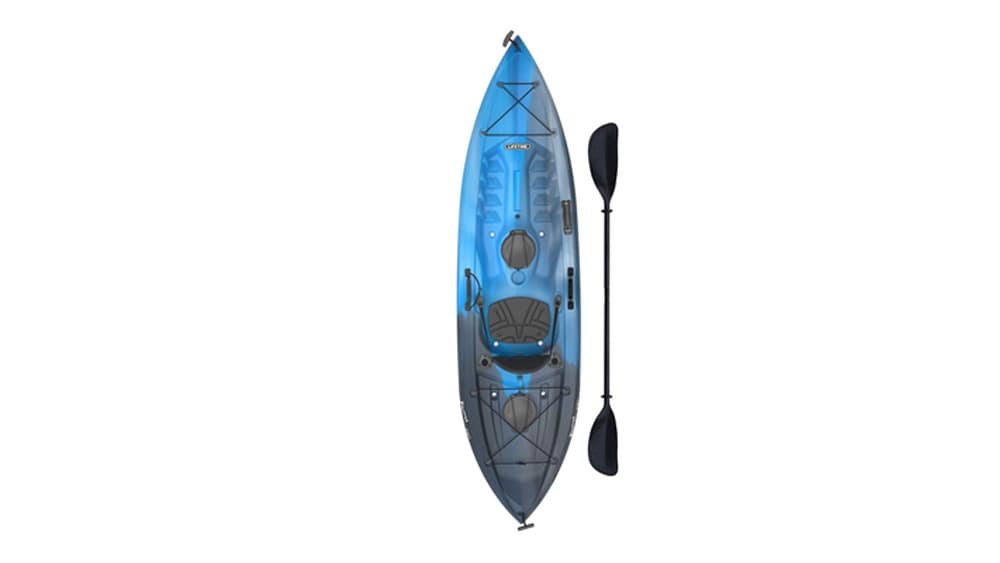
Kayaking gives you the chance to enjoy water, nature, and adventure all at once. But choosing the right kayak can be confusing, especially when you are looking at popular brands like Lifetime and Quest. Both have strong reputations in the market, but which one is truly better for you? Whether you want to fish, paddle for fitness, or just relax on a calm lake, the kayak you pick will shape your experience. In this guide, you’ll find a clear, deep comparison of Lifetime vs Quest Kayak—including build quality, features, user comfort, prices, and real-life performance. By the end, you’ll know exactly what makes each brand special and which one suits your needs.
Brand Backgrounds: Lifetime And Quest
Lifetime Kayaks
Lifetime is a well-established brand from the United States. They are known for making affordable, durable, and user-friendly kayaks. Lifetime started making kayaks in the early 2000s and quickly became one of the top sellers in North America. Their focus is on recreational and fishing kayaks that are great for beginners and families.
Most Lifetime kayaks are made from high-density polyethylene (HDPE), which is strong and resistant to UV rays. This means the kayaks last longer, even if you store them outside. They also use bright colors for better visibility on the water.
Quest Kayaks
Quest is a brand often sold by retailers like Dick’s Sporting Goods. Quest kayaks are designed for recreational use, with an emphasis on stability and comfort for casual paddlers. They are usually made from rotomolded polyethylene, which offers good durability, though sometimes not as thick as Lifetime’s material.
Quest’s range is smaller than Lifetime’s. Still, they focus on making kayaks that are lightweight and easy to transport. Many Quest kayaks are aimed at people who want to paddle on calm lakes, slow rivers, or protected coastal waters.
Types Of Kayaks Offered
Choosing the right type of kayak is the first step. Both brands offer several main types:
- Sit-on-top kayaks: Great for beginners, easy to get in and out.
- Sit-in kayaks: Offer more protection from water, better for colder climates.
- Fishing kayaks: Wider, stable, with rod holders and extra storage.
- Tandem kayaks: Designed for two people, sometimes can convert to solo.
Lifetime has a wider selection of each type, especially in fishing models and family-friendly tandems. Quest’s range is more limited, mainly covering recreational sit-on-top and sit-in models.

Credit: www.youtube.com
Build Quality And Materials
When you invest in a kayak, material quality matters. It affects not just how long your kayak lasts, but also how it feels on the water.
Lifetime Build Quality
Lifetime kayaks use blow-molded HDPE for their hulls. This plastic is thick and hard to crack. It’s also UV-protected, so the color stays bright, and the hull doesn’t get brittle in the sun. The seats and footrests are usually molded into the kayak, reducing the number of parts that can break.
Quest Build Quality
Quest kayaks use rotomolded polyethylene, which is also tough but sometimes a bit thinner. Some users report minor flexing in the hull when paddling hard, but for calm water, this is not a big issue. Quest’s seat designs are usually clip-in fabric seats, which can be comfortable but may wear out faster than molded seats.
Non-obvious insight: Lifetime’s blow-molded process generally creates a stronger, more impact-resistant shell compared to Quest’s rotomolded method. This is an advantage if you plan to drag your kayak over rocks or store it outside.
Stability And Performance On The Water
One big reason people choose either brand is for stability. Let’s look at how each performs.
Stability
- Lifetime kayaks are famous for their wide hulls and flat bottoms. This makes them hard to tip, even if you shift your weight or stand up (on some fishing models).
- Quest kayaks also focus on stability, with moderate width and a low center of gravity. However, they are sometimes narrower, making them a bit less stable for large or beginner paddlers.
Tracking And Speed
- Lifetime: The flat bottom is great for stability but can make the kayak slower and less effective at tracking straight in windy conditions.
- Quest: Some Quest models have a slightly V-shaped hull, which improves straight-line tracking and speed, but can reduce stability if you lean too much.
Practical tip: If you’re new to kayaking, Lifetime’s extra width and stability will give you more confidence. If you want a little more speed and will mostly paddle straight lines, Quest may have an edge.
Comfort And Seating
How comfortable you feel during a long paddle often depends on the seat and footrest design.
Lifetime Comfort Features
Most Lifetime kayaks have molded seats with adjustable backrests. The footwells are also molded, which means you choose a position that fits your leg length. While these seats are not as plush as high-end kayaks, they are supportive and don’t absorb water.
Quest Comfort Features
Quest uses clip-in padded seats. These are softer and can feel nice at first, but may slide or loosen over time. Footrests are often adjustable bars, which let you fine-tune your position. This can be more comfortable for taller or shorter paddlers.
Non-obvious insight: Molded seats are harder but last longer and are easier to clean. Fabric or padded seats can get wet and take longer to dry, which matters if you paddle often.
Storage And Onboard Features
If you plan to bring gear, lunch, or fishing rods, storage matters.
Lifetime Storage
Lifetime kayaks often have:
- Front and rear bungee storage areas for bags
- Sealed hatches (on some models) for dry gear
- Built-in rod holders (on fishing models)
- Cup holders and paddle keepers
Quest Storage
Quest kayaks usually offer:
- Rear bungee tankwell for small coolers or bags
- Sometimes a small dry hatch (not always watertight)
- Limited built-in rod holders
- Fewer extras compared to Lifetime
Practical tip: If you need to carry lots of gear, Lifetime’s fishing or tandem models give you more options.
Weight And Portability
Getting your kayak to the water is often harder than paddling it!
Lifetime Kayak Weight
Lifetime’s blow-molded plastic is tough but can make their kayaks heavier. Most single Lifetime kayaks weigh 40–55 lbs (18–25 kg). Tandem models can be 60–75 lbs (27–34 kg).
Quest Kayak Weight
Quest kayaks are lighter, usually 35–45 lbs (16–20 kg) for singles. This makes them easier to carry, especially for one person.
Experience-based tip: If you need to lift your kayak on top of a car by yourself, Quest’s lighter weight is a real advantage. But lighter also means less resistant to rough handling.
Price Comparison
Price is one of the biggest deciding factors for many buyers. Here is a general comparison:
| Brand | Entry-Level Price | Mid-Range Price | High-End Fishing Price |
|---|---|---|---|
| Lifetime | $250–$350 | $350–$500 | $550–$800 |
| Quest | $220–$320 | $330–$400 | $400–$600 |
Lifetime tends to cost a bit more, but you also get more features and often a stronger hull.
Popular Models: Lifetime Vs Quest
Let’s look at some of the most popular models from each brand.
Lifetime Popular Models
- Lifetime Tamarack Angler 100: One of the best-selling fishing kayaks in the U.S. Wide, stable, with three rod holders and lots of storage.
- Lifetime Lotus: Entry-level sit-on-top, light and simple. Good for kids or small adults.
- Lifetime Manta Tandem: Fits two adults and a child, can also paddle solo.
Quest Popular Models
- Quest 10′ Sit-In Kayak: Very popular for beginners, lightweight, easy to carry, good for lakes and slow rivers.
- Quest 8′ Sit-On-Top Kayak: Short, light, and easy for kids or small adults.
- Quest Angler 10′: Basic fishing model with two rod holders, lighter than most Lifetime fishing kayaks.
Real-life User Feedback
Thousands of people use Lifetime and Quest kayaks every year. What do actual users say?
Lifetime User Reviews
Most Lifetime owners are happy with the durability and stability. Many families say their kayaks survive being dragged over rocks and left outside in the sun. Negative feedback usually mentions that Lifetime kayaks are heavy and a bit slow.
Quest User Reviews
Quest owners often praise the light weight and easy handling. Beginners like how simple they are to use and transport. Some complaints include thinner plastic that can dent if dropped and seats that need replacing after a year or two.
Non-obvious insight: Many big box store reviews focus on the first few uses. Check for long-term reviews to see how kayaks hold up after several seasons.

Credit: www.ebay.com
Warranty And Customer Service
Warranties can help you feel secure about your purchase.
- Lifetime offers a 5-year limited warranty on most kayaks. This covers defects in materials and workmanship, but not damage from accidents.
- Quest kayaks usually have a 1-year limited warranty, sometimes only valid through the retailer.
Confidence tip: If you want long-term protection, Lifetime’s warranty is one of the best for kayaks in this price range.
Key Differences Summarized
It helps to see all the main differences at a glance:
| Feature | Lifetime Kayak | Quest Kayak |
|---|---|---|
| Material | Blow-molded HDPE | Rotomolded polyethylene |
| Weight | Heavier | Lighter |
| Stability | Very high | High |
| Price | Medium | Low–medium |
| Warranty | 5 years | 1 year |
| Storage options | Better | Basic |
| Seating | Molded, adjustable | Padded, clip-in |
Who Should Choose Lifetime?
- Families who want a stable, tough kayak that kids can use
- Anglers needing lots of storage and rod holders
- Anyone who will store their kayak outside or drag it over rough ground
- Those who want a long warranty and peace of mind
Who Should Choose Quest?
- Beginners who want a lightweight kayak that is easy to lift and transport
- People who plan to paddle short distances on calm water
- Anyone on a tight budget
- Paddlers who want a simple, comfortable seat for short trips

Credit: www.reddit.com
Common Mistakes When Choosing Between Lifetime And Quest
1. Ignoring the weight: Many buyers get excited about features and forget to check if they can lift their kayak onto their car or carry it to the water. Always check the actual weight!
2. Overestimating storage needs: Some people buy big fishing models with lots of storage, but only ever bring a water bottle and a sandwich. Choose a model that fits your real use.
3. Not considering your local water: Flat, wide kayaks are perfect for calm lakes but can be hard to paddle in wind or current. If you have windy lakes or rivers, a Quest model with better tracking might help.
4. Forgetting about long-term comfort: Test the seat if you can. Short, soft seats may feel great in the store but can cause back pain after an hour.
5. Overlooking warranty and after-sales support: A longer warranty can save you money and stress if something goes wrong.
Tips For First-time Kayak Buyers
- Try to sit in the kayak before you buy, even if it’s just in the store. Make sure your legs fit and you can reach the footrests.
- Think about how you’ll transport and store your kayak. Do you have roof racks or a truck? Can you lift 50 lbs alone?
- Look for models with carry handles at both ends—this makes it much easier to move your kayak.
- Don’t forget a life jacket and paddle! Some packages include these, but check before you buy.
- Read the warranty details carefully. Some stores require you to keep the receipt or register your kayak.
Where To Buy Lifetime And Quest Kayaks
You can find both brands at big retailers and sporting goods stores across North America. Lifetime kayaks are also available at Walmart, Costco, and online. Quest kayaks are most often found at Dick’s Sporting Goods and Field & Stream.
For more information on kayak types and buying tips, visit the Wikipedia Kayak Page.
Frequently Asked Questions
What Is The Main Difference Between Lifetime And Quest Kayaks?
The main difference is in material quality, weight, and features. Lifetime kayaks are heavier but stronger, with more storage and a longer warranty. Quest kayaks are lighter and often cheaper, but may not last as long.
Are Lifetime Kayaks Really More Durable Than Quest?
Yes, Lifetime uses thicker, UV-protected HDPE that handles bumps and sun better. Quest kayaks are tough enough for most use, but the plastic can flex or dent more easily.
Which Brand Is Better For Fishing?
Lifetime is usually better for fishing. Their fishing models have more rod holders, storage, and stability, making them a favorite among budget-minded anglers.
Are Quest Kayaks Suitable For Rivers Or Ocean?
Quest kayaks are best for calm lakes and slow rivers. Most are not designed for ocean use or fast-moving water, unless you are very experienced and know the risks.
Can I Use These Kayaks If I Am A Complete Beginner?
Yes! Both Lifetime and Quest make beginner-friendly models. Lifetime is a good choice if you want maximum stability, while Quest is great if you need something light and simple.
Choosing between Lifetime vs Quest kayak comes down to your priorities—durability and features, or light weight and low price. Both brands have made kayaking accessible to thousands of new paddlers. Take your time, think about how you will use your kayak, and you’ll find the perfect fit for your next adventure on the water.