
Kayaking with two people is more than just paddling together. It’s about teamwork, understanding the kayak, and making smart decisions to stay safe and enjoy the water. Many beginners think it’s simple—just hop in and paddle—but a 2 person kayak needs special skills and planning. Whether you’re getting ready for your first trip or want to improve your technique, learning the right steps can make your adventure smoother and safer.
This guide will show you how to kayak with two people, from picking the right kayak to mastering paddling and steering. You’ll also learn how to avoid common mistakes and get practical advice for a fun day on the water.
Let’s dive in and discover how to make your next tandem kayaking trip a success.
Choosing The Right 2 Person Kayak
Selecting a kayak for two is not just about size. There are many types, each designed for different activities and skill levels. Here’s what to consider:
Types Of Tandem Kayaks
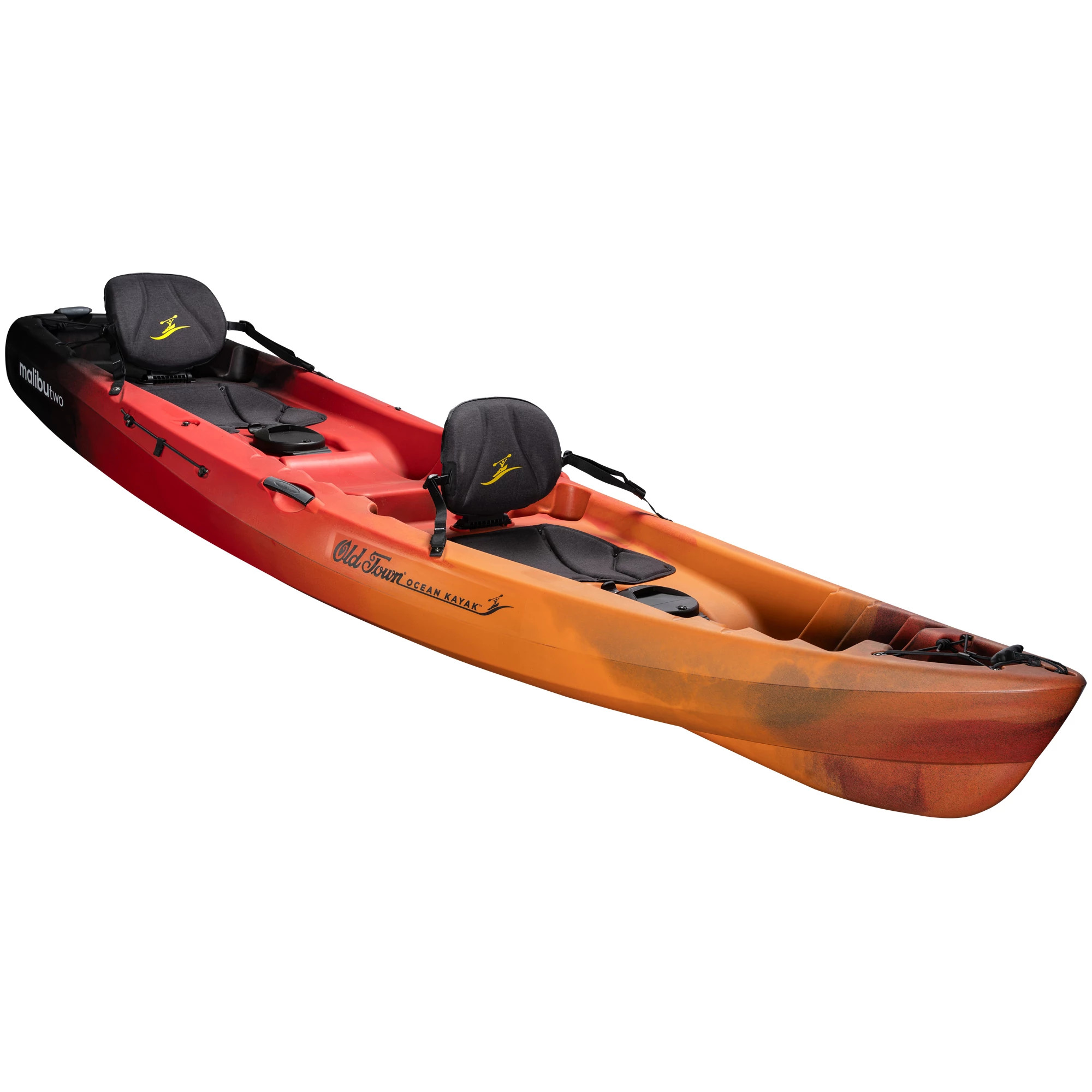
- Sit-on-top kayaks: Easy to get in and out, great for beginners and warm climates. They are stable but can be slower.
- Sit-inside kayaks: Better for colder water, offer more control and speed. They require more skill.
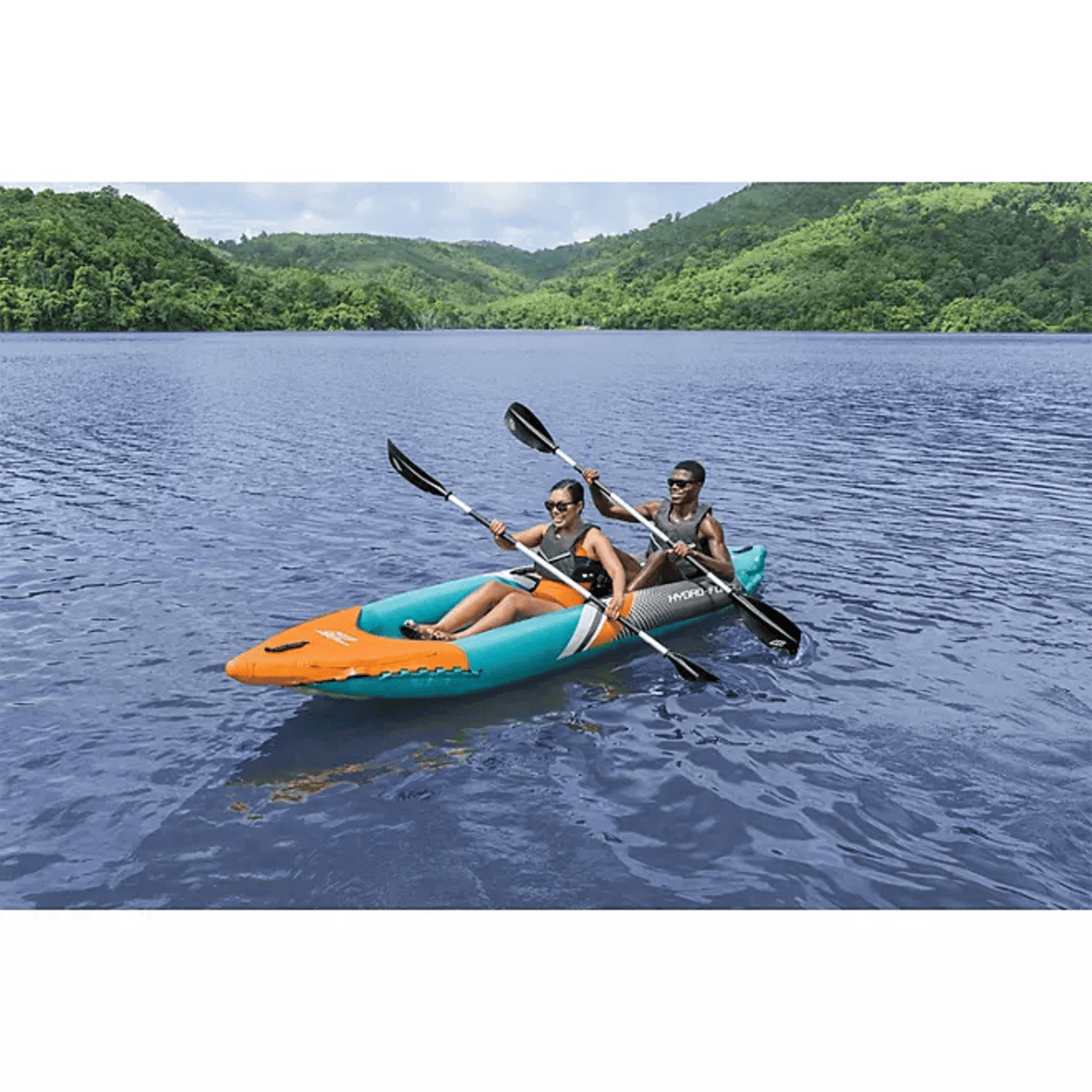
- Inflatable kayaks: Lightweight and portable, perfect for travel. Not as sturdy as hard-shell models.
- Fishing kayaks: Designed for anglers, with rod holders and storage.
- Touring kayaks: Built for longer trips, usually faster and more comfortable.
Comparing Popular Tandem Kayaks
Here’s a look at some popular options:
| Kayak Type | Weight Capacity (kg) | Length (m) | Best For |
|---|---|---|---|
| Sit-on-top | 180 | 3.5 | Beginners, leisure |
| Sit-inside | 200 | 4.0 | Long trips, cold water |
| Inflatable | 160 | 3.2 | Travel, easy storage |
| Fishing | 220 | 4.2 | Fishing trips |
| Touring | 210 | 4.5 | Long distance |
Key Factors For Selection
- Weight capacity: Make sure it supports both paddlers plus gear.
- Length and width: Longer kayaks are faster, wider ones are more stable.
- Material: Plastic kayaks are durable, while fiberglass models are lighter but expensive.
- Price: Entry-level models start around $400, advanced ones can be over $1,500.
Common Buyer Mistakes
Many people forget to check weight limits or pick a kayak that’s too hard to transport. Others ignore the type of water they’ll paddle—calm lakes, rivers, or the sea. Always test a kayak if possible before buying.
Preparing For Your Kayak Trip
Getting ready is as important as paddling. Preparation helps you stay safe and enjoy the experience.
Essential Gear
- Paddle: Each person needs a paddle. Tandem kayaks require longer paddles (220–240 cm).
- Life jackets: Always wear a personal flotation device (PFD).
- Dry bags: Keep your phone, snacks, and extra clothes safe from water.
- Whistle: For emergency signals.
- First aid kit: Small, waterproof kit for basic injuries.
- Sun protection: Hat, sunglasses, and sunscreen.
Packing Tips
Distribute weight evenly in the kayak. Heavy items (like water bottles) should be placed close to the middle. Make sure nothing blocks your movement or paddling.
Weather And Water Conditions
Check forecasts before you go. Avoid windy days or rough water if you’re a beginner. Rivers and lakes are best for first trips. If the water is cold, wear proper clothing like wetsuits.
Safety Precautions
- Tell someone your route and expected return time.
- Learn basic signals for communication on the water.
- Practice getting in and out of the kayak before you launch.
How To Launch A 2 Person Kayak
Launching a tandem kayak needs coordination. Here’s how to do it smoothly:
- Place the kayak near the water, parallel to the shore.
- The front paddler gets in first, sitting in their seat and holding the kayak steady.
- The rear paddler helps balance the kayak, then enters carefully.
- Push off gently—don’t rush. Both paddlers should be ready before moving.
If you’re launching from a dock, use the edge to stabilize the kayak. If from a beach, avoid rocks and shallow spots.
Seating Arrangement And Roles
A 2 person kayak has two seats, but each has a different role. Understanding this makes paddling easier.
Front Paddler
- Sets the pace and rhythm.
- Watches for obstacles ahead.
- Responsible for forward strokes and keeping balance.
Rear Paddler
- Steers the kayak using paddling or the rudder.
- Follows the rhythm set by the front paddler.
- Helps with power when needed, especially during turns.
It’s best if the stronger paddler sits in the back, as steering needs more force. If you’re both beginners, switch seats halfway through to practice both roles.
Credit: oldtownwatercraft.johnsonoutdoors.com
Paddling Techniques For Two
Paddling together is about teamwork. If you paddle out of sync, the kayak will zigzag or slow down.
Basic Tandem Strokes
- Forward stroke: Both paddlers dip the blade in the water and pull back. The front sets the rhythm, the rear follows.
- Reverse stroke: For stopping or reversing. Both paddlers push the blade forward in the water.
- Sweep stroke: Used for turning. The rear paddler makes a wide arc with their paddle.
Synchronizing Movements
To paddle efficiently:
- Start with the front paddler calling out the rhythm (“stroke, stroke…”).
- Watch each other’s paddle movements. Try to match speed and timing.
- If you lose sync, slow down and reset—don’t try to paddle faster to catch up.
Steering And Turning
Most tandem kayaks turn by the rear paddler doing sweep strokes. Some have a rudder controlled by foot pedals. Practice turning in calm water before you go far. Remember, turning takes longer with two people.
Common Mistakes
- Paddling out of sync, causing the kayak to drift.
- Not communicating turns or stops.
- Leaning too much, which can tip the kayak.
Navigating Different Water Conditions
Water can change fast. Knowing how to handle your kayak in different conditions is important.
Calm Water
Ideal for beginners. Stay near the shore and avoid sudden movements. Practice paddling and turning.
Moving Rivers
Watch for currents and rocks. Plan your route and communicate with your partner. Use short, quick strokes.
Choppy Water And Waves
Stay low and keep your weight centered. Paddle steadily, don’t rush. If waves are big, head toward them at a slight angle—not straight on or sideways.
Example: River Kayaking
Suppose you’re paddling a river with light current. The rear paddler should steer, while the front watches for branches or rocks. If you see a rapid, slow down and discuss how to approach it. Always paddle together through rough spots.
Communication And Teamwork
Kayaking with two people is a team sport. Good communication prevents accidents and makes the trip enjoyable.
How To Communicate
- Use simple signals: One tap means “stop,” two taps means “turn.”
- Agree on commands before starting (“left,” “right,” “back,” “forward”).
- If you need to stop, call out loudly and clearly.
Handling Disagreements
Sometimes, you’ll disagree about direction or speed. Pause, talk calmly, and find a solution. The best teams listen and adjust.
Practical Insight
Beginners often forget to discuss their plan before launching. Always decide who will lead and who will steer. If you’re tired, switch roles to keep balance.
Handling Emergencies And Safety
Safety is crucial on the water. You must know what to do if something goes wrong.
Common Emergencies
- Capsizing: If the kayak flips, stay calm. Hold onto the kayak and paddle to shore if possible.
- Lost paddle: Keep a spare paddle if possible, or use hands to steer.
- Injury: Use your first aid kit. Signal for help with a whistle.
Rescue Tips
If you fall out, the rear paddler should help the front paddler back in first. Use the kayak’s side as support. Practice rescue techniques before your trip.
Real-world Example
In 2022, over 75% of kayaking accidents involved beginners not wearing life jackets or lacking rescue skills (source: U.S. Coast Guard). Preparation saves lives.
Credit: www.walmart.com
Maintenance And Storage
Taking care of your kayak keeps it working well and extends its life.
After Paddling
- Rinse the kayak with fresh water.
- Dry it fully before storing to prevent mold.
- Check for cracks or damage.
Storage Tips
- Store indoors or in a shady spot.
- Avoid leaving your kayak exposed to sun or rain for long periods.
- Keep paddles and gear in a dry, secure place.
Kayak Comparison: Maintenance Needs
| Kayak Type | Maintenance Level | Durability | Storage Space |
|---|---|---|---|
| Sit-on-top | Low | High | Medium |
| Inflatable | Medium | Moderate | Low |
| Fiberglass Touring | High | High | High |
Practical Tips For A Great Kayak Experience
Here are two insights most beginners miss:
- Practice in shallow water: Spend 15–20 minutes learning to get in, out, and paddle before heading out. This builds confidence.
- Switch seats regularly: It helps both paddlers understand each role and improves teamwork.
Other useful tips:
- Bring snacks and water, but avoid glass containers.
- Take breaks every hour. Stretch legs and arms to prevent cramps.
- Watch for wildlife, but never feed animals or disturb their habitats.

Credit: www.funkayakrentals.com
Frequently Asked Questions
What Is The Best Type Of Kayak For Two People?
The best type depends on your needs. Sit-on-top kayaks are good for beginners and warm climates. Sit-inside kayaks offer more speed and are better for cold water. If you travel often, inflatable kayaks are easy to carry. Always check the kayak’s weight capacity and test it if possible.
How Do We Paddle Together Without Bumping Paddles?
The front paddler sets the rhythm, and the rear paddler follows. Keep your hands spaced apart and watch each other. If you’re hitting paddles, slow down and try to move in sync. Practice helps—after a few tries, you’ll get the timing right.
Is It Safe To Kayak With Children?
Yes, but use a stable, wide kayak and always have children wear life jackets. Go on calm water and keep trips short. Teach basic commands and practice getting in and out before starting. Supervision is important—never let children paddle alone.
Can We Kayak In The Sea With A 2 Person Kayak?
You can, but only with proper equipment and experience. The sea has strong currents and waves. Choose a touring kayak with a rudder for better control. Always check the weather and never go far from shore. For beginners, lakes and rivers are safer.
Where Can I Learn More About Kayaking Safety?
You can find helpful safety advice at American Canoe Association. They offer guides, courses, and tips for safe kayaking. Joining a local club or taking a class is also a good idea.
Kayaking together builds trust, teamwork, and great memories. With the right preparation, skills, and attitude, your next tandem adventure will be safe and enjoyable. Remember, practice makes perfect—so get out there and paddle as a team!