
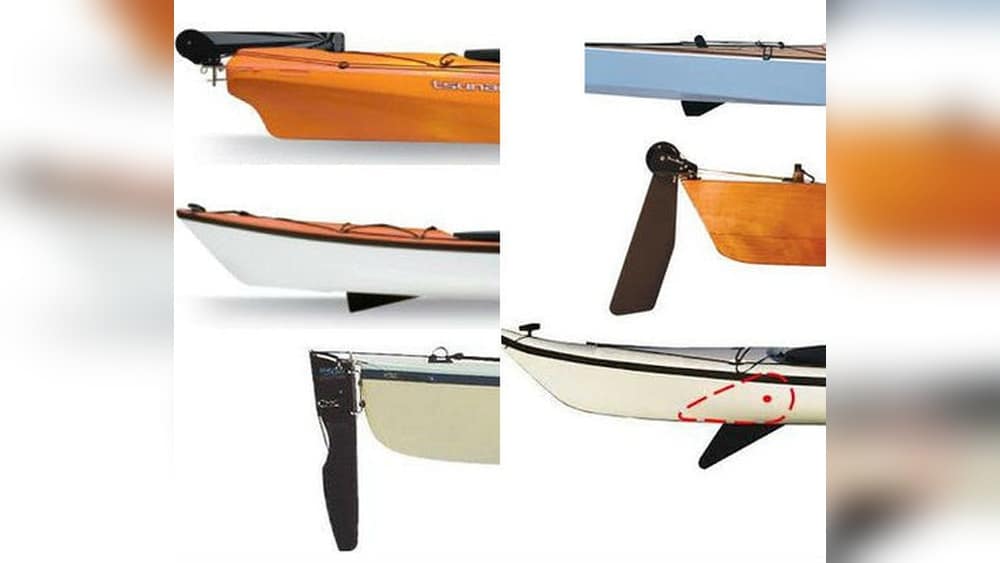
If you enjoy kayaking, you know how much small details can change your trip. Two of the most debated features on a kayak are the rudder and the skeg. These terms might sound technical, but they make a big difference on the water, especially when dealing with wind, currents, or long distances. Many beginners wonder which system is better, or if they need either at all. The truth is, both have pros and cons, and understanding these differences helps you choose the best setup for your adventures.
This article explains everything about kayak rudders and skegs. You’ll learn what each is, how they work, when to use them, and which one fits your needs. If you’ve ever struggled to keep your kayak straight in the wind or found yourself zigzagging across a lake, this guide will clear up the confusion.
Let’s dive into the world of kayak steering and discover what really matters.
What Is A Kayak Rudder?
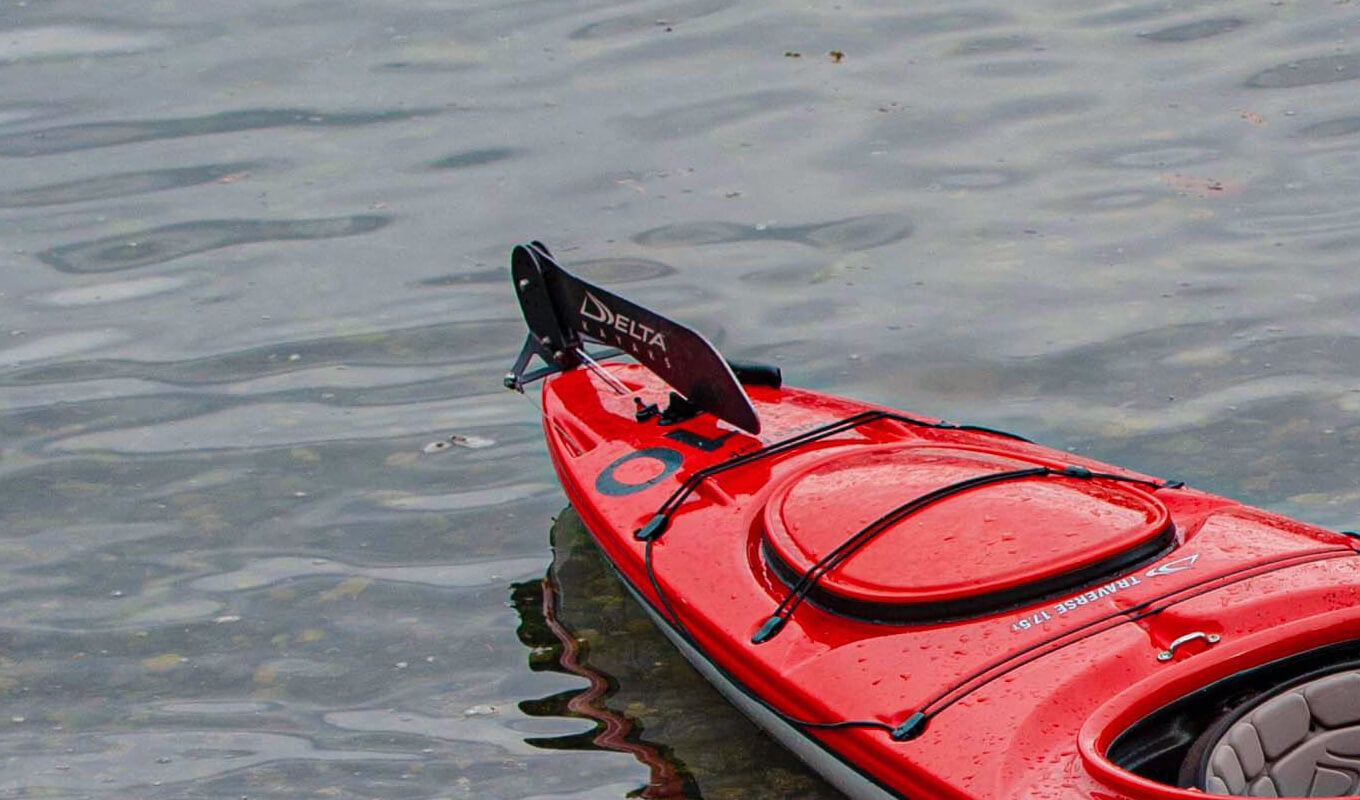
A kayak rudder is a moving blade attached to the back of the kayak. You control it with your feet using pedals inside the cockpit. When you push on the pedals, the rudder turns left or right, guiding the kayak in that direction.
Rudders are common on longer touring kayaks, sea kayaks, and some fishing kayaks. They are especially popular for paddling in open water, where winds and waves can push your kayak off course. By adjusting the rudder, you can stay on track with less effort.
How A Rudder Works
When you press the right foot pedal, the rudder turns right, and your kayak follows. Pressing the left pedal does the opposite. This system lets you steer without needing to paddle harder on one side. It’s useful for making small corrections or big turns, depending on your needs.
You can lift the rudder out of the water when you don’t need it, such as in shallow areas or during transport. Some modern rudders also help with stopping or slowing down by creating drag in the water.
Main Uses For Rudders
- Long-distance touring: Keeps your kayak on a straight path, saving energy.
- Windy or rough conditions: Corrects for weathercocking (when wind turns your kayak).
- Fishing: Allows you to control direction while your hands are busy.
What Is A Skeg?
A skeg is a fixed or adjustable fin that drops down from the bottom of the kayak, usually near the rear. Unlike a rudder, a skeg does not move left or right. Instead, it helps keep the kayak moving straight, especially when wind or currents try to turn it.
You control a skeg with a slider next to your seat or cockpit. You can raise or lower the skeg as needed. Lowering it all the way gives maximum tracking, while raising it offers more maneuverability.
How A Skeg Works
Think of a skeg like the fin on a surfboard. It helps your kayak resist sideways movement. This is important when the wind blows from the side or when paddling in a cross-current. A skeg does not steer the kayak but keeps it from drifting off course.
You can adjust the depth of a skeg depending on conditions. For example, lowering it halfway helps in moderate wind, while lowering it fully helps in strong wind.
Main Uses For Skegs
- Maintaining a straight line: Helps with tracking in windy or choppy water.
- Sea and touring kayaks: Common on narrow, lightweight kayaks that are hard to control in wind.
- Simple design: No moving parts to break, making it reliable.
Rudder Vs Skeg: Key Differences
Many people confuse rudders and skegs, but their functions are quite different. Understanding these differences helps you choose the right setup.
| Feature | Rudder | Skeg |
|---|---|---|
| Position | Mounted at the stern (back), outside the kayak | Located under the hull, usually near the stern |
| Control | Moved left/right by foot pedals | Depth adjusted by hand slider; does not turn |
| Purpose | Steers and helps with tracking | Only helps with tracking |
| Complexity | More moving parts, cables, and maintenance | Simple, fewer parts, lower risk of failure |
| Best for | Long-distance, wind, hands-free steering | Windy conditions, minimal maintenance |
Pros And Cons Of Kayak Rudders
Rudders can make kayaking easier, but they are not perfect for every situation. Here are the main advantages and disadvantages.
Advantages
- Easy Steering: You can turn the kayak using your feet, which is useful for long days on the water.
- Corrects for Wind and Current: Rudders help stop the kayak from turning sideways in strong wind or current.
- Hands-Free Control: Ideal for fishing or photography when your hands are busy.
- Adjustable: You can lift the rudder out of the water or use it only when needed.
Disadvantages
- Maintenance: Rudders have cables and moving parts that can break or jam.
- Weight and Drag: A rudder adds weight and can slow you down if left in the water.
- Cost: Rudders are more expensive to install and repair.
- Learning Curve: Beginners might rely too much on the rudder instead of learning proper paddle strokes.
Pros And Cons Of Skegs
A skeg is simpler than a rudder but also has its strengths and weaknesses. Here’s what you need to know.
Advantages
- Simplicity: Few moving parts mean less can go wrong.
- Improved Tracking: Helps keep the kayak straight in difficult conditions.
- Lighter Weight: Skegs are usually lighter than rudders.
- Less Maintenance: No cables or pedals to worry about.
Disadvantages
- No Steering: You cannot turn the kayak with a skeg; you must use paddle strokes.
- Jamming Risk: Skegs can jam with sand, stones, or debris.
- Limited Use: Only helps with tracking, not with actual steering.
- No Hands-Free Operation: You need both hands for paddling and steering.
When Should You Choose A Rudder?
The right choice depends on your paddling style, location, and needs. Here are some situations where a rudder is the better option:
- Long Open Water Crossings: Rudders reduce fatigue when you must paddle straight for miles.
- Strong Side Winds: If wind often pushes you sideways, a rudder helps stay on course.
- Tidal Currents: In rivers or sea kayaking, rudders help manage currents that change direction.
- Fishing and Photography: When your hands are occupied, foot-controlled steering is a big help.
- Group Paddling: Keeping up with a group is easier when you can correct direction quickly.
For example, a multi-day tour along a windy coastline is much easier with a rudder. You can focus on steady paddling and let your feet do the steering.

Credit: www.youtube.com
When Is A Skeg The Better Choice?
A skeg is usually best for paddlers who want simplicity and reliability. Here’s when a skeg makes sense:
- Minimalist Touring: If you prefer fewer parts and less risk of damage.
- Predictable Water: Lakes and rivers with steady conditions.
- Lightweight Kayaks: Skegs keep the kayak light and responsive.
- Learning Proper Skills: Using a skeg encourages good paddle technique, as you must steer with your paddle.
Many seasoned sea kayakers prefer skegs for their reliability. If your main concern is staying straight in wind, and you don’t need to turn often with your feet, a skeg is a smart pick.
How Rudders And Skegs Affect Kayak Performance
Both rudders and skegs change how your kayak handles. Understanding this can help you make the right choice.
Tracking Vs. Maneuverability
- Tracking is how well your kayak goes straight. Both skegs and rudders improve tracking, but in different ways.
- Maneuverability is how easily you can turn. Rudders add maneuverability when engaged, while skegs reduce it slightly.
A kayak with a deep V-shaped hull may already have good tracking, so a skeg is often enough. Flat-bottomed or short kayaks may need a rudder for better control in wind.
Weathercocking
Weathercocking is when wind makes your kayak turn into the wind. This is common in sea kayaks with little weight in the stern. Both rudders and skegs help fix this, but in different ways.
- Rudder: You turn the rudder away from the wind to balance your course.
- Skeg: Lowering the skeg increases resistance at the back, reducing the kayak’s tendency to turn.
If you paddle in windy places, consider which system matches your kayak’s natural behavior.
Impact On Speed
Both systems add some drag, but the effect is small. A skeg, when only partly deployed, creates less drag than a rudder. However, a deployed rudder can slow the kayak if you forget to lift it out of the water when not needed.
Installation And Maintenance: What To Expect
A big difference between rudders and skegs is how easy they are to install and care for. This can affect your long-term satisfaction.
Rudder Installation
Rudders are more complex. They require:
- Mounting brackets at the stern
- Cables and foot pedals inside the cockpit
- A control system to raise and lower the rudder
If your kayak does not come with a rudder, installing one can take several hours and some technical skill. You’ll need to check the cables regularly for rust, fraying, or stretching.
Skeg Installation
Most skegs are factory-installed. Retrofitting a skeg is difficult because it needs a slot in the hull. Maintenance is easier: keep the slider clean, and flush the skeg box with water after paddling in sandy or muddy areas.
Durability
Rudders can bend or break if hit by rocks or logs. Their cables may snap with age. Skegs can jam, but have fewer parts that can fail. For remote expeditions where repairs are difficult, skegs are often preferred.
Real-world Examples: Rudder And Skeg In Action
Let’s look at two real situations that show the strengths of each system.
Example 1: Kayaking In Windy Coastal Waters
Maria loves long-distance sea kayaking. She often faces strong side winds. With a rudder, she keeps her kayak pointed straight without tiring her arms. When she needs a break, she can even rest her paddle for a moment and still stay on course.
For Maria, a rudder is a game-changer.
Example 2: River Touring In Calm Weather
David paddles mostly on rivers with steady flow and light winds. He likes to keep things simple and hates doing repairs. His kayak has a skeg, which he lowers only when the wind picks up. The skeg keeps him on track, but he enjoys practicing sweep strokes to steer.
For David, a skeg is the right choice.

Credit: www.youtube.com
Key Considerations When Choosing Between Rudder And Skeg
Before making your decision, think about these points:
- Where do you paddle most often? Open water and strong wind favor rudders. Calm lakes and rivers favor skegs.
- How much gear do you carry? Heavier loads can make steering harder, so rudders help.
- How much do you value simplicity? Skegs have fewer things that can break.
- Is hands-free control important? Go with a rudder if you fish, take photos, or paddle with kids.
- Do you want to improve your skills? A skeg lets you focus on paddle technique.
One non-obvious insight: Some advanced kayaks offer both a skeg and a rudder. This gives you the best of both worlds, but adds weight and complexity. It’s rare, but worth considering if you want maximum flexibility.
Another tip: Not all kayaks are designed for easy retrofits. If you plan to add a rudder or skeg later, check with the manufacturer first.
Common Myths About Rudders And Skegs
There are many misunderstandings about these systems. Let’s clear up a few.
- Myth: Only beginners need rudders.
- Not true. Even expert paddlers use rudders on long or difficult trips to save energy.
- Myth: Skegs and rudders are the same.
- Skegs cannot steer the kayak; they only help with tracking.
- Myth: Skegs never break.
- Skegs can jam with sand or rocks, especially if launched from a shallow beach.
- Myth: Rudders slow you down a lot.
- Modern rudders are streamlined. The effect on speed is small if you lift the rudder when not needed.
Credit: www.gilisports.com
Environmental Impact And Safety
Both systems have a small impact on the environment, but there are safety points to consider.
- Rudders can snag on debris or fishing lines. Always check before launching or landing.
- Skegs can jam in shallow water. Slide the skeg up before entering or exiting the kayak.
- Backup systems: If your rudder fails, you must know how to steer with paddle strokes. Practice these skills.
Responsible paddling means knowing your equipment and the possible risks.
Cost Comparison: Rudder Vs Skeg
Here’s a quick look at the typical costs for each system.
| System | Typical Cost (USD) | Installation Difficulty |
|---|---|---|
| Rudder (factory-installed) | Included or $200-400 extra | Easy (factory), Moderate (retrofit) |
| Rudder (retrofit) | $300-600 including parts and labor | Moderate to Difficult |
| Skeg (factory-installed) | Included | Easy |
| Skeg (retrofit) | Rare, $400+ if possible | Very Difficult |
Keep in mind that prices can change depending on kayak brand and location. Always ask about spares and repairs before buying.
Final Thoughts: Which Is Right For You?
Choosing between a kayak rudder and a skeg is not about which is “better,” but which fits your paddling style and local conditions. If you often deal with wind, currents, or need to steer hands-free, a rudder is worth the investment. If you prefer a simple, reliable setup and want to improve your technique, a skeg is the way to go.
Both systems have helped kayakers explore further and enjoy the water more safely. The most important thing is to know how your kayak reacts and to be prepared for different conditions. And remember, no device replaces good paddling skills and safety awareness.
If you want more detailed technical comparisons, the Wikipedia Kayak page offers a good starting point.
Frequently Asked Questions
What Is The Main Difference Between A Rudder And A Skeg?
The main difference is that a rudder can turn left and right to steer your kayak, while a skeg only drops down to help your kayak go straight. A rudder is controlled with foot pedals, and a skeg is adjusted with a hand slider.
Can I Add A Rudder Or Skeg To Any Kayak?
Not all kayaks are built for easy retrofitting. Some have the right mounts or space, but others do not. Always check with your kayak’s manufacturer to see if adding a rudder or skeg is possible.
Do I Need Both A Rudder And A Skeg?
Most kayakers choose one system. Some advanced kayaks offer both, but it adds weight and complexity. For most people, one system is enough to manage tracking and steering.
Which System Is Easier For Beginners?
A rudder is often easier for beginners because it allows simple steering with your feet. However, learning to paddle without relying on a rudder helps you develop better technique over time.
How Do I Maintain My Rudder Or Skeg?
For rudders, check the cables and moving parts for damage and wash off saltwater after each trip. For skegs, rinse the skeg box to remove sand or debris, and check the slider for smooth movement. Regular care helps both systems last longer.