
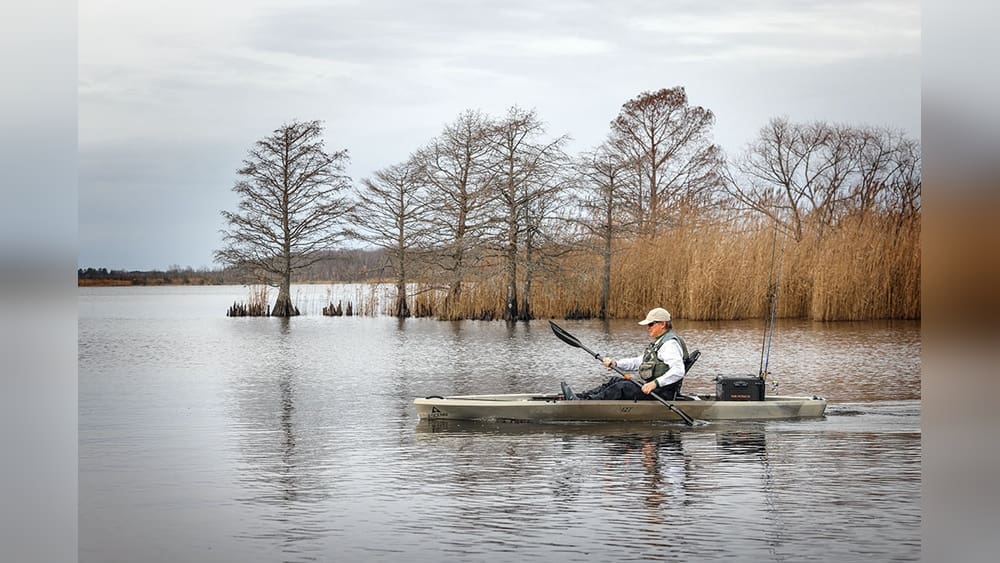
Kayaking has become one of the most popular outdoor activities for people who love both adventure and relaxation on the water. For beginners and seasoned paddlers alike, choosing the right kayak can make all the difference. Two brands stand out in the recreational kayak market: Ascend and Lifetime. While they may look similar at first glance, each offers unique features, designs, and experiences. If you are deciding between these two, you might feel overwhelmed by technical specs, user reviews, and marketing claims. This guide will cut through the confusion and give you a clear, detailed comparison. You will learn about build quality, price, performance, comfort, durability, and even what real users say. By the end, you’ll know which kayak suits your needs and how to avoid common mistakes that new buyers often make.
Brand Overview
Ascend
Ascend kayaks are well-known for their sturdy construction and thoughtful design. They are made primarily for fishing and recreational paddling. The brand is owned by Bass Pro Shops, a company with a strong reputation in the outdoor sports industry. Ascend kayaks often feature wide, stable hulls and are designed for calm lakes, slow rivers, and ponds. They focus on giving users comfort and stability, making them ideal for both new kayakers and experienced anglers.
Lifetime
Lifetime kayaks are some of the most widely used recreational boats in the United States. Founded in Utah, the company started by making basketball hoops and later moved into outdoor gear. Lifetime is popular because of its affordable prices and tough, simple designs. These kayaks are usually made from high-density polyethylene (HDPE) plastic, which is impact-resistant and easy to maintain. They offer a range of models for kids, adults, and families, focusing on easy use and safety.
Build Quality And Materials
When comparing Ascend vs Lifetime kayak, it’s important to look closely at the materials and construction. Both brands use rotomolded polyethylene, but there are differences in thickness and finish that affect performance and longevity.
Ascend
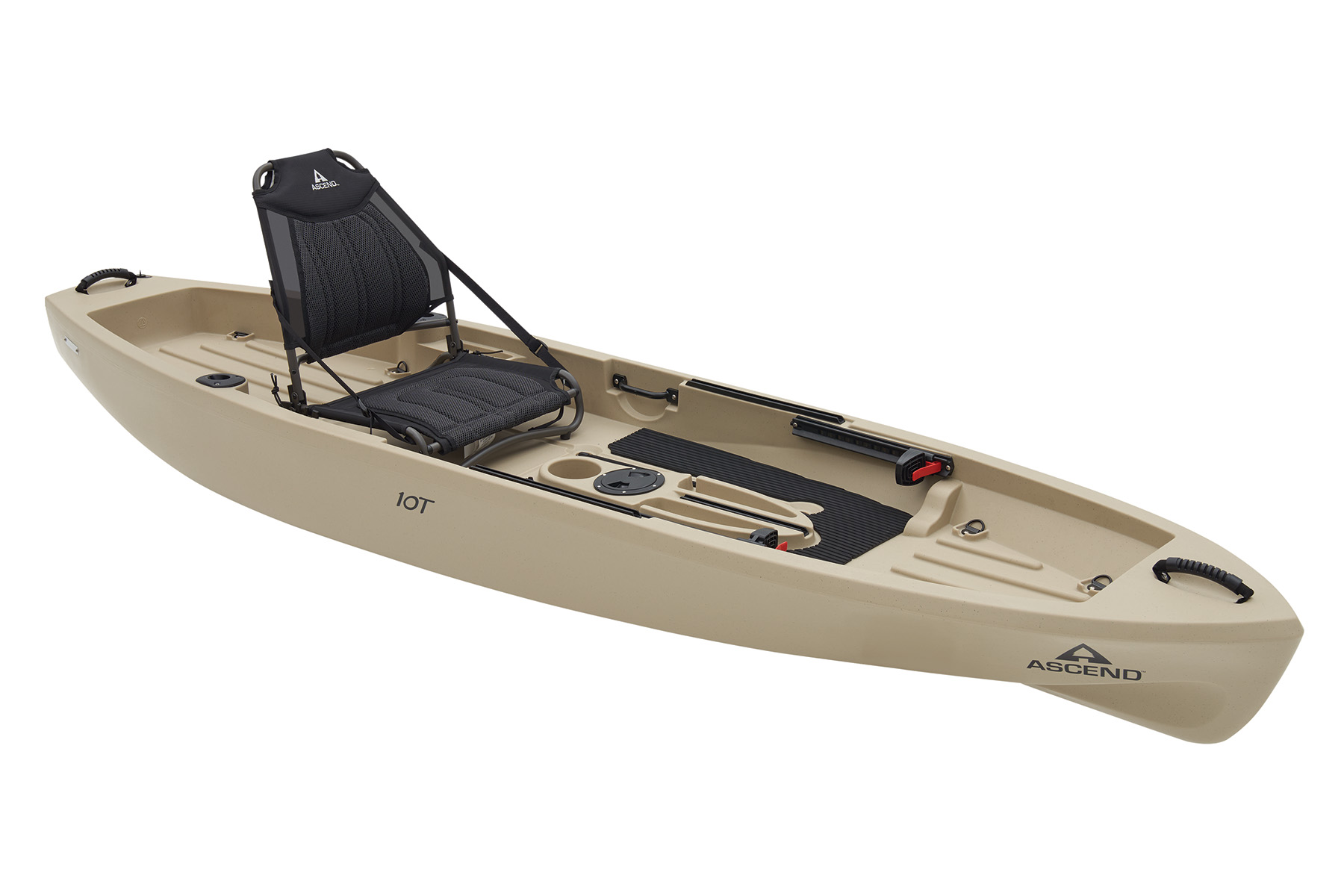
Ascend kayaks use a thicker, multi-layer polyethylene shell. This makes the kayak more resistant to dents, punctures, and UV rays. The extra thickness adds weight, but it also creates a more solid feel in the water. Ascend’s attention to detail shows in their smooth seams, sturdy seat mounts, and strong handles.
Many models come with reinforced standing platforms for anglers who want to stand and cast.
Lifetime
Lifetime’s HDPE plastic is lighter and slightly more flexible. While this makes their kayaks easy to carry and transport, the thinner plastic can flex under heavy loads or in rough conditions. However, Lifetime’s manufacturing process reduces sharp edges and creates a smooth, comfortable finish.
The kayaks are less likely to crack but may show wear more quickly if dragged on rough surfaces.
Non-obvious insight: Many beginners overlook the importance of hull thickness. Thicker hulls (like Ascend’s) can handle more abuse from rocks or logs, which is valuable if you plan to launch from rough shorelines.
Credit: www.ascendkayaks.com
Design And Features
Hull Shape And Stability
Ascend kayaks are usually wider and flatter, which gives them excellent primary stability. This means they feel steady when you get in, move around, or reach over the side. This is great for fishing and photography, where sudden movements are common.
Lifetime kayaks use a flatter bottom with multiple tracking channels. This makes them stable on calm water, but they can feel less steady if you stand up or shift your weight too far. Most Lifetime models are sit-on-top style, which is good for warm weather and easy re-entry from the water.
Practical tip: If you are a beginner or plan to fish, prioritize stability over speed. A wider kayak will feel safer and more relaxing.
Seats And Comfort
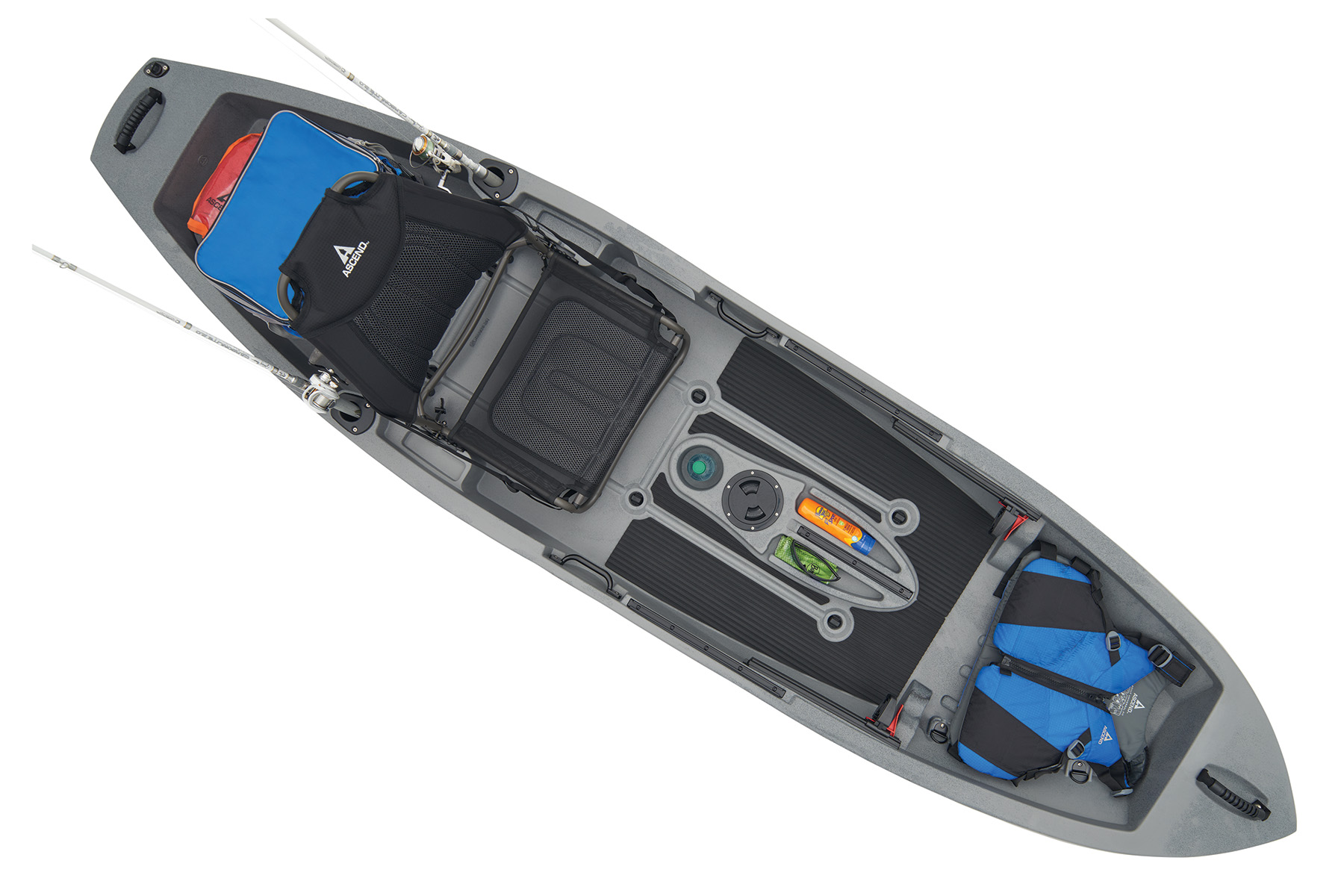
Ascend seats are usually padded and adjustable. Many models feature high-back seats and foot braces. This allows you to find a comfortable paddling position for long trips. Some fishing models have elevated seats to improve visibility and casting distance.
Lifetime kayaks use molded seats with adjustable backrests. While these are comfortable for short trips, they may not provide enough support for all-day paddling. Some users upgrade their seats for better comfort.
Storage Options
Ascend kayaks tend to offer more storage space, including sealed hatches, gear rails, and bungee cords. This is ideal for carrying fishing tackle, dry bags, or a picnic.
Lifetime kayaks keep things simple. Most models have open storage wells and a few bungee cords, but fewer watertight compartments. This is enough for a water bottle and sunscreen, but not for heavy gear.
Non-obvious insight: If you plan to carry a camera, dry clothes, or electronics, having a sealed hatch (as found on many Ascend models) can be a lifesaver.
Performance On The Water
A kayak’s performance depends on how it handles different water conditions, how easy it is to paddle, and how comfortable it feels after hours of use.
Speed And Tracking
Ascend kayaks are not built for speed, but their longer models (over 12 feet) track well and glide smoothly. The hull design helps keep the kayak moving straight, even in wind or mild current. Some models have a slight V-shape at the bow, which cuts through water more efficiently.
Lifetime kayaks are usually shorter (8-10 feet) and wider. This makes them slower but easier to turn. They are perfect for small lakes and calm rivers but may struggle in wind or waves.
Example: If you want to paddle across a large lake or cover long distances, Ascend’s longer models will save you energy. For short trips or playing near shore, Lifetime’s quick turns are a plus.
Maneuverability
Shorter Lifetime kayaks turn quickly and are easy to handle, even for kids. Their lightweight design makes them simple to launch and load onto a car. Ascend’s wider and heavier models can feel less nimble but offer more control in straight lines.
Weight Capacity
Ascend kayaks usually support higher weight limits, often between 300 and 400 pounds. This lets you carry more gear, pets, or even an extra child. Lifetime models have lower capacity (around 225-275 pounds), which is enough for one adult and a small bag.
Portability And Transport
Weight
Ascend kayaks are heavier, ranging from 50 to over 75 pounds. This extra weight is due to thicker plastic and more features. You may need a cart or a friend to help move them.
Lifetime kayaks are light (often under 45 pounds). Most adults can carry them alone and load them onto a car roof or truck bed.
Practical tip: If you need to carry your kayak up stairs or long distances to the water, Lifetime’s lighter models will save your back.
Handles And Loading
Both brands include molded handles at the bow and stern. Ascend kayaks have larger, padded handles that are easier on your hands. Lifetime handles are simple but effective.
Price And Value
Initial Cost
Lifetime is known for low prices. Most of their single-person models cost between $250 and $500. These are some of the cheapest kayaks you can buy new.
Ascend kayaks cost more, with prices starting around $450 and going up to $1,200 for fishing and tandem models. The extra cost reflects better materials, more storage, and fishing-friendly features.
Long-term Value
Cheaper kayaks often need repairs or upgrades sooner. Ascend kayaks may last longer and need fewer changes. Lifetime’s simple designs are easy to maintain and fix at home.
Non-obvious insight: Some buyers focus only on the sticker price. Over time, spending a little more on a durable kayak can save you money on repairs and replacements.
Warranty
Both brands offer limited warranties. Ascend’s warranty typically covers defects for 1 year. Lifetime’s warranty often lasts 5 years, which is one of the longest in the industry.
Credit: www.reddit.com
Popular Models Compared
Below is a side-by-side look at some of the most popular models from each brand.
| Feature | Ascend 10T | Lifetime Tamarack Angler 100 |
|---|---|---|
| Length | 10 ft | 10 ft |
| Width | 30 in | 31 in |
| Weight | 67 lbs | 52 lbs |
| Capacity | 325 lbs | 275 lbs |
| Seat | Padded, adjustable | Molded, adjustable backrest |
| Storage | Sealed hatch, bungee cords | Open wells, bungee cords |
| Best for | Fishing, stability | Recreation, easy use |
User Experiences And Reviews
Ascend Kayak Owners
Many Ascend users praise the stability and comfort of their kayaks. Anglers like the gear rails, rod holders, and roomy decks. One common positive is the ability to stand while fishing, even for bigger paddlers. Some users mention that the heavier weight makes transport harder, especially for solo trips.
Example review: “I bought the Ascend 12T for fishing. It feels very stable, and I love the high seat. I can stand and cast without worry. The only downside is getting it on my car alone.”
Lifetime Kayak Owners
Lifetime owners appreciate the affordable price and lightweight design. Families and beginners often choose Lifetime because it’s easy to carry and safe for kids. Some say the seats are uncomfortable after a few hours, and the kayaks are slower than expected.
Example review: “The Lifetime Tamarack is perfect for our family. My kids can paddle without help, and I don’t worry about tipping over. For fishing, I wish there was more storage, but it does the job.”
Common Complaints
- Ascend: Heavy to move, more expensive, slower than touring kayaks
- Lifetime: Less storage, basic seats, not for rough water
Use Case Scenarios
Who Should Choose Ascend?
- Fishing enthusiasts: If you want to fish from your kayak, Ascend’s stability, rod holders, and gear tracks are perfect.
- Larger paddlers: Higher weight capacity and bigger cockpits mean more comfort.
- Long trips: If you plan full-day adventures, the padded seats and storage will keep you comfortable.
Who Should Choose Lifetime?
- Beginners: Easy to use, affordable, and safe for all ages.
- Families: Lightweight and durable, so even kids can help carry.
- Short trips: Great for paddling at the lake, beach, or slow rivers for an hour or two.
Practical tip: If you plan to use your kayak only a few times each summer, Lifetime’s low price and easy handling make it a smart choice. If you want a “forever kayak,” invest in Ascend.
Key Differences Summarized
Here’s a quick summary to help you decide:
| Feature | Ascend | Lifetime |
|---|---|---|
| Stability | Excellent (fishing, standing) | Good (sitting, calm water) |
| Speed | Moderate | Slow |
| Comfort | High (padded, adjustable) | Basic (molded, short use) |
| Storage | Ample (sealed hatches, rails) | Limited (open wells) |
| Weight | Heavy | Light |
| Price | Higher | Lower |
| Durability | Very durable | Durable but lighter |
| Warranty | 1 year | 5 years |
Credit: www.ascendkayaks.com
Common Buyer Mistakes
- Focusing only on price: Cheap kayaks may seem like a bargain, but they often lack comfort, storage, and durability.
- Ignoring weight and transport: A kayak that is too heavy can limit how often you use it.
- Not considering storage needs: If you plan to bring gear, lunch, or electronics, sealed storage is a must.
- Choosing speed over stability: For most beginners and anglers, stability is more important than speed.
- Skipping a test paddle: Whenever possible, try before you buy. Sitting in the kayak at the store is not enough.
Expert Recommendations
- If you value comfort and fishing features, Ascend is hard to beat.
- If you need a lightweight, affordable option for casual use, Lifetime is a smart pick.
- For families, Lifetime offers models designed for kids and tandem paddling.
- For serious anglers, Ascend’s higher-end models come with mounting points and larger decks.
Experience-based advice: Consider where you’ll use your kayak most. Rocky rivers, open lakes, or sandy beaches all affect your choice. Also, think about how you’ll store and transport your kayak. A heavy kayak that lives in the garage may see less use than a lighter one you can easily toss on your car.
Where To Buy
Both brands are widely available in the U. S. and Canada. Ascend kayaks are sold mainly at Bass Pro Shops and Cabela’s. Lifetime kayaks can be found at Walmart, Dick’s Sporting Goods, and online retailers.
For accurate specs, reviews, and warranty details, check the manufacturer’s website or read trusted reviews from experts and users. For a comprehensive comparison of recreational kayaks, see this REI Expert Advice page.
Frequently Asked Questions
How Do Ascend And Lifetime Kayaks Handle Rough Water?
Ascend kayaks, especially the longer and wider models, are more stable in choppy water. They resist tipping and stay straight in wind. Lifetime kayaks are fine for calm lakes and gentle rivers, but they are not designed for waves or strong currents.
Are Ascend Kayaks Worth The Higher Price?
For frequent users or anglers, the extra cost brings more comfort, storage, and durability. If you paddle often or want to fish, you will notice the difference. For casual use, Lifetime’s lower price is a better value.
Can One Person Transport An Ascend Kayak?
It depends on the model and your strength. Smaller Ascend kayaks can be carried by one person, but the larger models may require a cart or help from a friend. Lifetime’s lighter kayaks are much easier for solo transport.
Are Lifetime Kayaks Safe For Children?
Yes. Lifetime kayaks are popular with families because of their stability, light weight, and simple design. Always use life jackets and supervise children on the water.
What Should I Look For In A First Kayak?
Focus on stability, comfort, and ease of use. Avoid very narrow or long kayaks if you are a beginner. Make sure the weight and size fit your transport and storage options. Try to test paddle before buying.
Choosing between Ascend vs Lifetime kayak is not just about specs or price—it’s about finding the right fit for your adventures. Both brands offer great value, but your needs and paddling style should guide your decision. Consider where you’ll paddle, how often, and what features matter most. With the right kayak, every trip on the water can be fun, safe, and memorable.