
C1 Vs K1 Kayak: Complete Comparison For Every Paddler
Kayaking is more than just a hobby; for many, it’s a passion that connects them with nature and offers adventure on water. But if you are new to paddling or thinking about upgrading your gear, the world of kayaks can be confusing. Two types often come up in conversations: C1 and K1 kayaks. Both are used in competitive events and for recreation, but they are built for different purposes and offer very different experiences. Whether you dream of racing on calm lakes or navigating whitewater rapids, knowing the difference between these two boats is essential. This guide will show you everything you need to know about C1 vs K1 kayaks, from their unique designs to how they handle on the water, so you can make the right choice for your next adventure.
What Are C1 And K1 Kayaks?
Before comparing the details, let’s understand what each type is. The names “C1” and “K1” come from international paddling terminology.
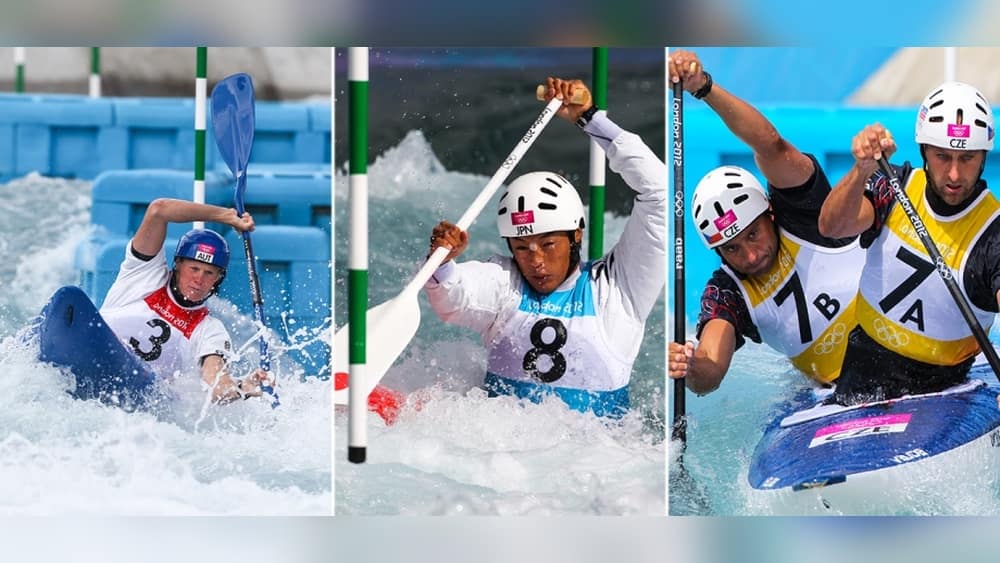
- C1 kayak means Canoe Single: 1 person paddles, using a single-bladed paddle, kneeling inside the boat.
- K1 kayak means Kayak Single: 1 person paddles, using a double-bladed paddle, sitting inside the boat.
While both carry only one person, the differences in design, paddle, and paddling style make each unique.
The Basics Of C1
In a C1, the paddler kneels with one knee down and the other foot forward, sitting on a small seat (called a “knee rest”). You use a single-bladed paddle, switching sides as needed to steer. C1 is common in canoe slalom and canoe sprint events. The kneeling position gives you more power, but less stability compared to sitting.
The Basics Of K1
A K1 kayak has the paddler sitting with legs extended forward, using a double-bladed paddle. This design is what most people imagine when thinking of a “kayak.” K1s are used in kayak slalom, sprint, and also in recreational paddling. The sitting position is comfortable for long distances and offers good balance.
Key Differences Between C1 And K1 Kayaks
To truly understand which kayak suits your needs, you need to look at how they differ in design, paddling technique, and use.
| Feature | C1 Kayak | K1 Kayak |
|---|---|---|
| Paddling Position | Kneeling | Sitting |
| Paddle Type | Single-bladed | Double-bladed |
| Stability | Lower | Higher |
| Control | More precise, harder to master | Easier to learn, quick direction changes |
| Speed | Slower acceleration | Faster acceleration |
| Typical Use | Slalom, sprint, whitewater | Slalom, sprint, recreation, touring |
| Learning Curve | Steep | Moderate |
Some of these differences are obvious, but others can affect your experience in ways you might not expect.
Design And Construction
Shape And Structure
The C1 kayak is shaped like a narrow canoe, with high sides and a closed deck. There’s a cockpit for the paddler, who kneels inside. Because of the kneeling position, the center of gravity is higher, making the boat more “tippy” or less stable. C1s are often shorter and have sharper edges for quick, tight turns in slalom courses.
The K1 kayak has a lower profile, with the paddler sitting close to the floor of the kayak. The deck is also closed, but the cockpit is usually larger to allow free leg movement. The hull is designed for speed and tracking (staying straight), especially in sprint and touring kayaks.
Materials
Both C1 and K1 kayaks use similar materials:
- Fiberglass: Lightweight, affordable, but not as strong as other options.
- Kevlar: Stronger, lighter, but more expensive.
- Carbon fiber: Very light and stiff, used for high-performance racing.
- Plastic/Polyethylene: Durable and cheaper, but heavier; common in recreational K1s.
Weight
A racing C1 usually weighs around 8–12 kg (18–26 lbs), while a racing K1 is often 10–14 kg (22–31 lbs). Recreational versions are heavier, but weight matters most in competition.
Paddling Technique: C1 Vs K1
The way you paddle in C1 and K1 is very different. This affects your speed, control, and how tired you get.
Paddling In C1
You use a single-bladed paddle and kneel inside the boat. Every stroke is on one side, so you need to use “J-strokes” or switch sides to keep the kayak straight. It requires strong core muscles and good balance. Beginners often find it hard to go straight without practice.
In slalom, advanced paddlers use special strokes to turn fast around gates.
Paddling In K1
In K1, you sit and use a double-bladed paddle. You paddle on alternate sides with each stroke, so the boat goes straighter with less effort. The sitting position is easier on your knees and back. K1 paddling is faster to learn, and you can maintain high speed with less skill, especially on flat water.
Efficiency And Power
K1 kayaks allow for a faster cadence (paddle strokes per minute) and smoother acceleration. C1 paddlers can generate more force per stroke, but maintaining speed is harder due to the need to switch sides and the less stable position.
Non-obvious insight: Many beginners in C1 struggle with “paddle side dominance”—overusing their stronger arm. This can lead to muscle imbalance or wrist pain over time. In K1, the symmetrical paddle helps distribute effort more evenly.
Credit: www.researchgate.net
Performance In Different Water Types
You can find both C1 and K1 kayaks in many environments, but their performance changes depending on the water.
Flatwater (lakes, Calm Rivers)
- K1 kayaks are usually preferred. Their design lets you cover longer distances quickly and with less effort.
- C1 kayaks can be used, but require more energy to keep straight and are less stable on open, calm water.
Whitewater (rapids, Slalom Courses)
- C1 kayaks are popular for slalom due to their sharp turns and precise control. Skilled paddlers can maneuver around obstacles using advanced strokes.
- K1 kayaks are also used in whitewater, but turns are less sharp. However, their stability helps beginners stay upright in choppy water.
Sprint Racing
Both C1 and K1 have their own sprint events. The fastest kayaks on flat water are usually K1s due to their higher stroke rate and efficient design. However, C1 racing is a respected Olympic discipline, demanding great technical skill.
Touring And Recreation
For touring (long trips), K1 kayaks dominate. They have more space for gear, are more comfortable for hours of paddling, and are easier for new paddlers. Very few people use C1s for touring, except in specialized events.
Comfort And Ergonomics
C1 Kayak Comfort
Kneeling in a C1 is not easy for everyone. It puts pressure on the knees and ankles, especially on long trips. Some paddlers use extra padding or adjust their kneeling position, but most C1s are designed for short races or slalom runs.
K1 Kayak Comfort
Sitting in a K1 is more natural for most people. With adjustable footrests and padded seats, you can paddle for hours without discomfort. Leg position is important: straight legs may seem comfortable, but a slight bend helps reduce lower back pain.
Non-obvious insight: In both C1 and K1, a poor seating or kneeling position can reduce paddling efficiency and lead to injuries over time. Many beginners overlook the importance of adjusting their seat or footrest before paddling.
Learning Curve And Skill Development
C1 Learning Curve
Most beginners find C1 kayaks harder to master. Balancing while kneeling and controlling direction with a single-bladed paddle takes practice. Instructors often start with balance drills before teaching advanced strokes.
K1 Learning Curve
Learning to paddle a K1 is quicker. You can focus on basic paddling technique, build up to faster speeds, and enjoy the sport sooner. Many rental companies and clubs use K1s for new paddlers.
Skill Progression
Advanced C1 paddlers develop strong core strength, balance, and fine paddle control. K1 paddlers focus on endurance, speed, and rhythmic paddling. Some athletes switch between C1 and K1 to improve their overall technique.
Safety Considerations
Both kayaks require safety knowledge, but some risks are different.
C1 Safety
- Capsizing: Easier to tip over due to higher center of gravity.
- Rescue: More difficult to re-enter from the water.
- Kneeling position: Can make it harder to exit quickly in emergencies.
K1 Safety
- Stability: More stable, less likely to capsize on flat water.
- Self-rescue: Easier to re-enter, especially with a spray skirt.
- Complacency: Beginners sometimes overestimate their safety in K1s and take risks in rough water.
Tip: Always wear a life jacket and practice self-rescue techniques before paddling in new environments.
Credit: paddle.org.au
Competition: C1 And K1 In Racing
Both types of kayaks have a strong presence in international and Olympic competition. But the rules, equipment, and skills required are different.
Olympic And World Events
- C1 events: Include canoe sprint (200m, 500m, 1000m) and canoe slalom. Paddlers must kneel and use a single-bladed paddle.
- K1 events: Include kayak sprint (200m, 500m, 1000m) and kayak slalom. Paddlers sit and use a double-bladed paddle.
World Records
K1 kayaks are generally faster. The men’s K1 1000m world record is under 3 minutes 20 seconds, while the C1 record is over 3 minutes 40 seconds.
Gender In Competition
Both men and women now compete in C1 and K1 events at the Olympics, a change introduced in the Tokyo 2020 Games to improve equality.
Boat Specifications
Official racing boats must meet strict rules:
- C1: Minimum weight 14 kg, length up to 5.2 m (sprint), up to 3.5 m (slalom)
- K1: Minimum weight 12 kg, length up to 5.2 m (sprint), up to 3.5 m (slalom)
Pros And Cons: C1 Vs K1 Kayaks
If you are still unsure which kayak is right for you, this breakdown can help.
| Aspect | C1 Kayak | K1 Kayak |
|---|---|---|
| Learning Difficulty | Harder to learn | Easier to learn |
| Comfort | Less comfortable | More comfortable |
| Speed | Slower | Faster |
| Control | Very precise, but technical | Easy, quick turns |
| Versatility | Mainly for racing/slalom | Good for racing, touring, recreation |
| Injury Risk | Higher (knees, wrists) | Lower |
| Rescue/Escape | Harder | Easier |
Common Mistakes Beginners Make
- Choosing based on looks: Many new paddlers pick a kayak that looks “cool” or sporty, not realizing that the design affects comfort and safety.
- Ignoring comfort: Especially in C1, not adjusting padding or kneeling position can cause pain or injury.
- Skipping lessons: Both C1 and K1 have unique techniques. Self-taught paddlers often develop bad habits that are hard to fix later.
- Not practicing self-rescue: This is critical, especially in C1, where capsizing is more common.
- Overestimating skill: It’s easy to think you can handle rough water after a few calm trips. Gradually build up your skills.
Which Kayak Is Right For You?
Choosing between a C1 and K1 depends on your goals, body type, and where you want to paddle.
You Might Prefer A C1 Kayak If:
- You love technical paddling and want to compete in slalom or sprint events.
- You enjoy the challenge of kneeling and controlling the boat with precision.
- You have strong core muscles and good balance.
You Might Prefer A K1 Kayak If:
- You want to cover more distance on lakes or rivers.
- You’re looking for a comfortable, stable kayak for long trips or recreation.
- You are a beginner, or want to learn faster and with less frustration.
Real-world Examples And Stories
- Olympic Champions: Sebastian Brendel (Germany) is a top C1 paddler with multiple gold medals. His training focuses on balance and power. In K1, Adam van Koeverden (Canada) is known for his speed and smooth technique.
- Club Paddlers: Many clubs start kids in K1 kayaks for safety and ease. C1 programs are smaller and usually attract athletes looking for technical challenges.
- Adventure Racers: Multisport races like the Devizes to Westminster International Canoe Race feature both C1 and K1 boats. Most choose K1s for speed and comfort over long distances.
Buying Tips: What Matters Most
If you want to buy a C1 or K1 kayak, consider:
- Your main activity: Racing, touring, or recreation? K1 is more versatile.
- Your body size: Try before you buy. A good fit prevents injury.
- Transport and storage: Both are long, but C1s are usually shorter.
- Budget: Composite materials (carbon, Kevlar) are expensive but lighter.
- Used vs new: Beginners can save money with used boats from clubs.
- Accessories: Don’t forget a good paddle, spray skirt, and personal flotation device.
Mistake to avoid: Buying a high-performance racing kayak before learning the basics. Start with a stable model and upgrade as your skills grow.

Credit: www.frontiersin.org
The Future Of C1 And K1 Kayaks
Kayak and canoe sports are evolving. More people are trying both C1 and K1, and clubs are offering better coaching and safer boats. Technology is making kayaks lighter, faster, and more comfortable. At the same time, the push for equality means both men and women can now compete in all events.
If you want to try something new, many clubs will let you test both C1 and K1 before deciding.
For more about canoe and kayak racing rules and history, the International Canoe Federation is a great resource: International Canoe Federation.
Frequently Asked Questions
What Is The Main Difference Between A C1 And A K1 Kayak?
The main difference is the paddling position and paddle type. In a C1, you kneel and use a single-bladed paddle. In a K1, you sit and use a double-bladed paddle. This affects balance, speed, and how easy it is to learn.
Which Kayak Is Better For Beginners?
Most beginners will find the K1 kayak easier and more comfortable to learn. The sitting position and double-bladed paddle help with balance and make paddling feel more natural.
Can I Use A K1 Kayak For Whitewater Paddling?
Yes, K1 kayaks are common in whitewater slalom and playboating. Just make sure you choose a model designed for whitewater, as touring K1s are not safe in rapids.
Are C1 Kayaks Only For Racing?
No, but C1 kayaks are mainly used for racing and slalom. Some paddlers enjoy them for technical river paddling, but they are less common for touring or recreation.
How Do I Choose The Right Kayak Size For Me?
Try different boats if possible. Look for a kayak that fits your body—you should feel secure but not cramped. Adjustable seats and footrests can help. Always check the weight limit and cockpit size before buying.
Choosing between C1 and K1 kayaks is about more than just style—it’s about matching your goals, comfort, and adventure level. Take time to test both, ask for expert advice, and remember that the best kayak is the one that lets you enjoy paddling the most.