
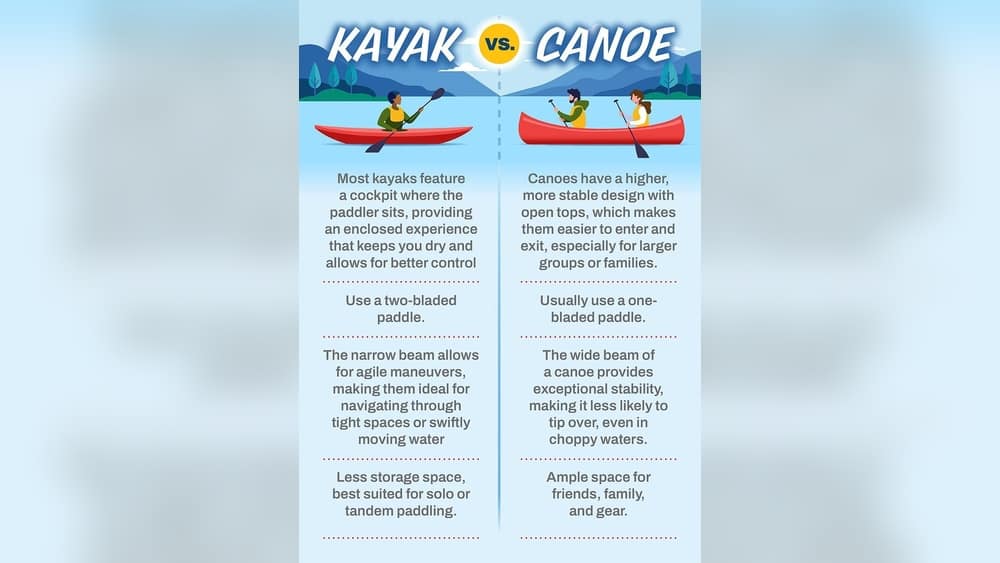
Choosing the right boat for your adventures on water can completely change your experience. For many, the decision comes down to a tandem kayak or a canoe. Both are popular. Both let you share the journey. But they offer very different rides. If you’re planning a trip with a friend or family member, you might wonder: which one is better for you? This article explains everything you need to know about tandem kayaks and canoes. By the end, you’ll understand the differences, pros, cons, and which fits your needs best.
What Is A Tandem Kayak?
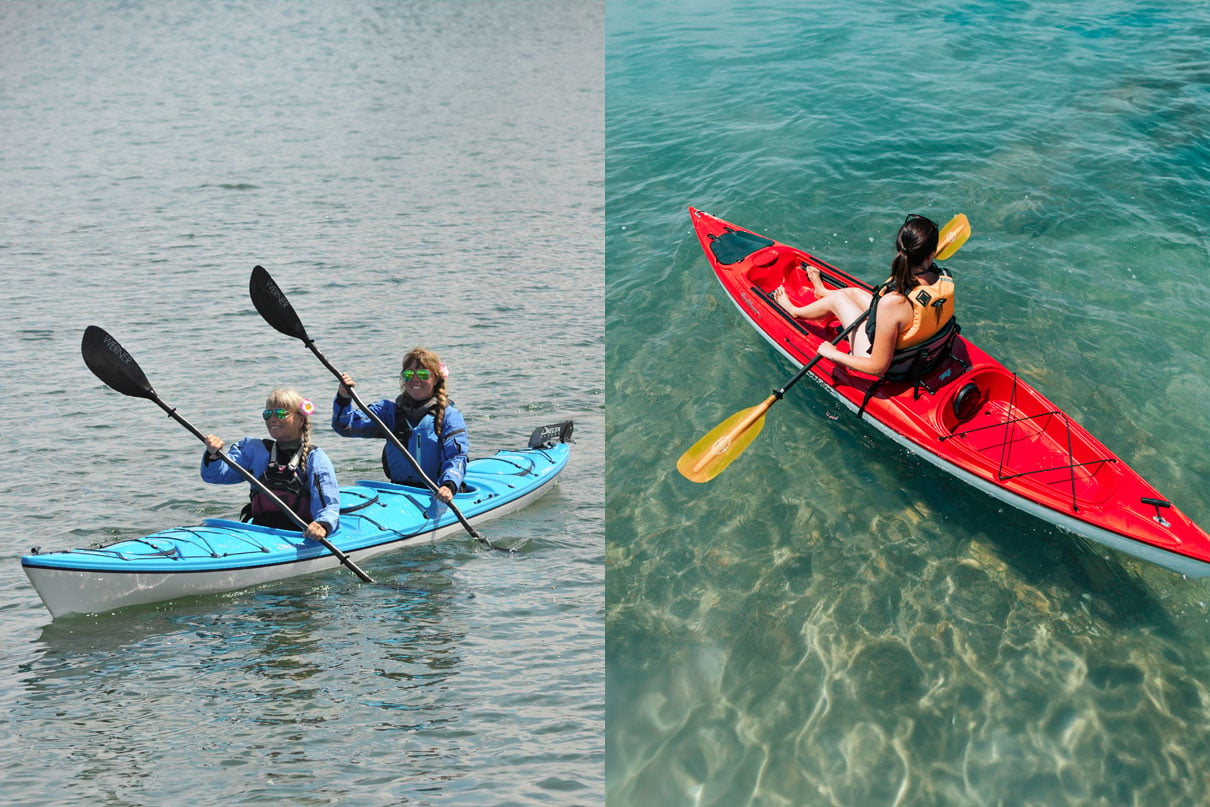
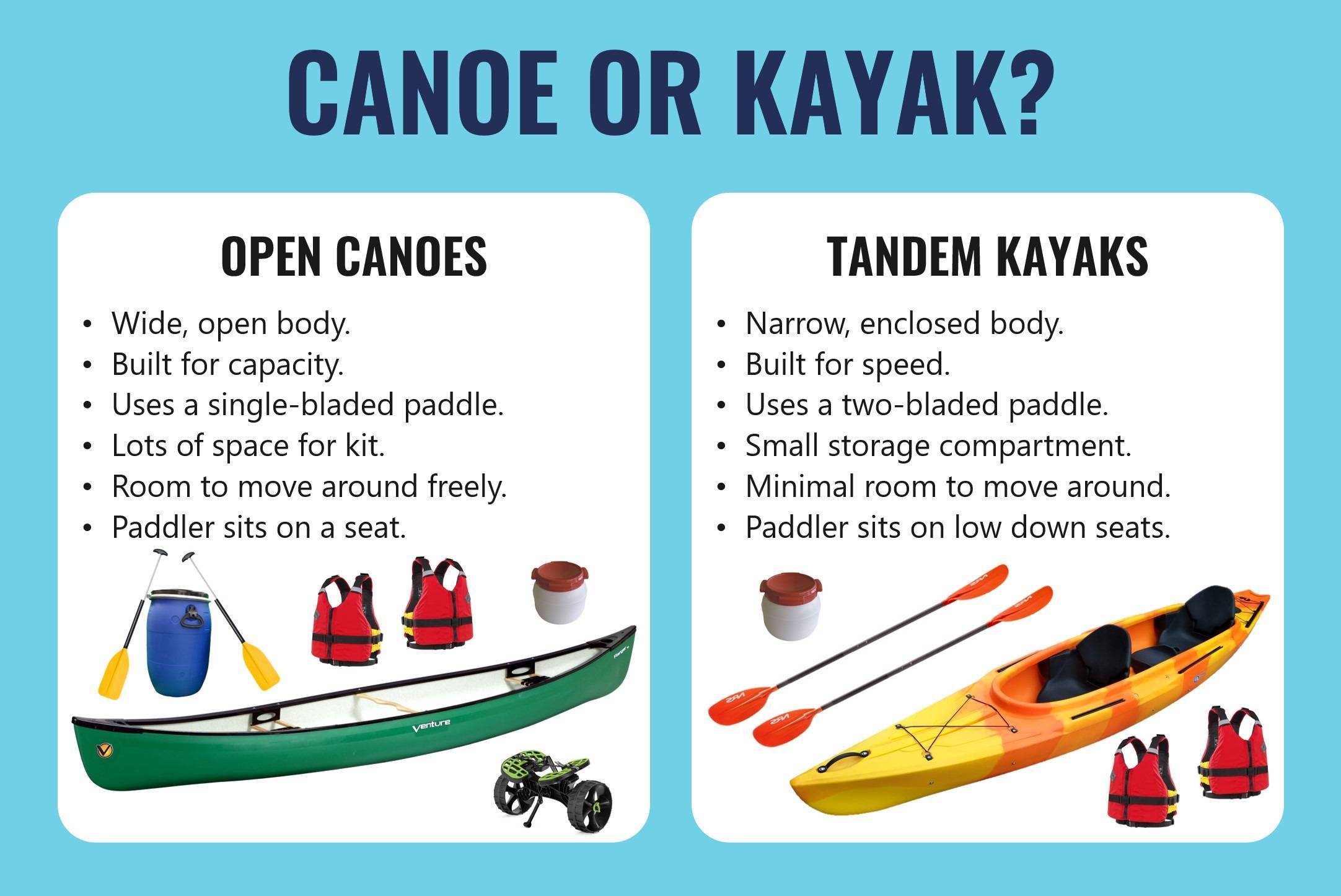
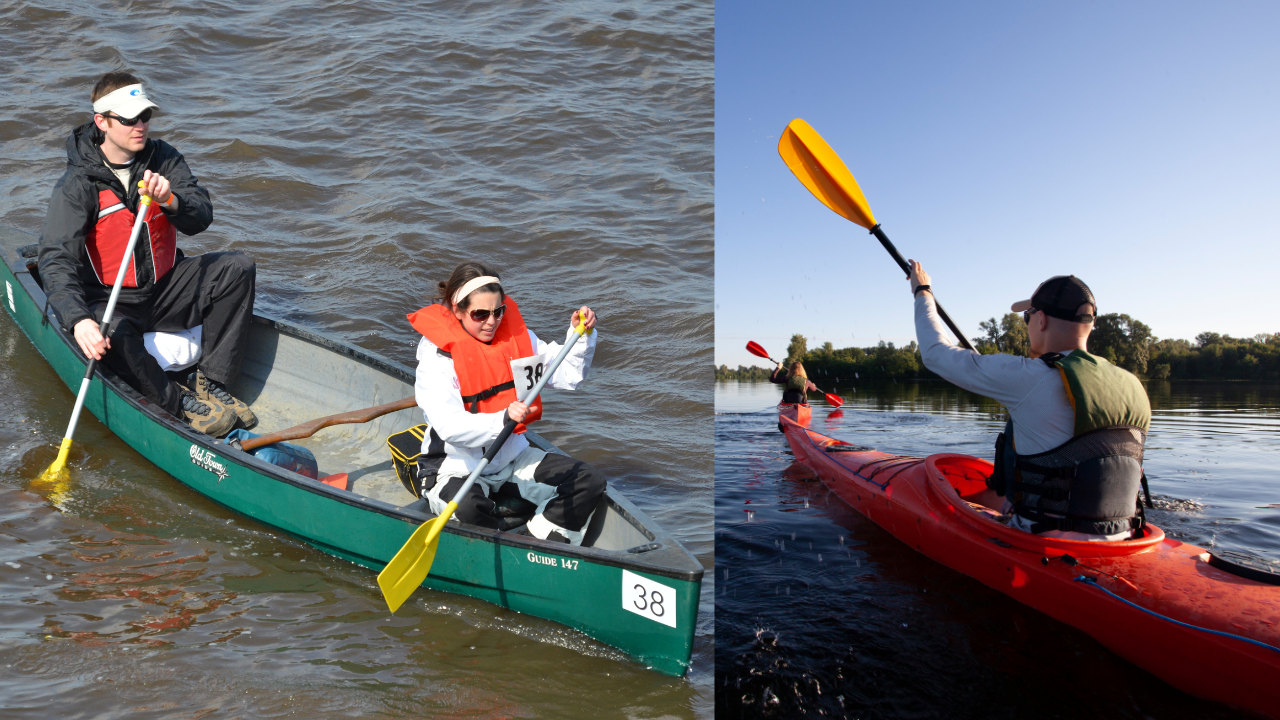
A tandem kayak is a long, narrow boat designed for two people. Both paddlers sit one behind the other (in-line). Each person uses a double-bladed paddle. Tandem kayaks can be sit-in (where you sit inside the hull) or sit-on-top (open seat on top).
Kayaks are usually made from strong plastic, fiberglass, or sometimes lightweight composite materials. The design makes them stable and fast on the water. Most tandem kayaks are around 12 to 18 feet (3. 5 to 5. 5 meters) long.
Tandem kayaks are popular for lakes, calm rivers, and even ocean paddling. Some have storage compartments for gear, making them good for day trips or short camping adventures.
What Is A Canoe?
A canoe is an open-top boat, usually for two or more people. Paddlers kneel or sit on benches inside the canoe. Unlike a kayak, you use a single-bladed paddle. Canoes are wider and often deeper than kayaks.
Traditional canoes are made from wood, but most are now made from aluminum, plastic, or fiberglass. They range from 14 to 18 feet (4 to 5. 5 meters) long. Canoes are famous for carrying lots of gear. This makes them great for multi-day trips, fishing, or family outings.
Canoes perform best on calm lakes, gentle rivers, and slow-moving waters. Some are designed for whitewater or rougher rivers, but these are special models.
Key Differences Between Tandem Kayaks And Canoes
Understanding the main differences helps you decide what fits your needs. Here’s a breakdown of the key factors:
| Feature | Tandem Kayak | Canoe |
|---|---|---|
| Seating | Closed or open, in-line | Open, side-by-side or in-line benches |
| Paddle | Double-bladed | Single-bladed |
| Stability | More stable in rough water | More stable on flat water |
| Speed | Usually faster | Slower, but steady |
| Storage | Limited (inside compartments) | Large open space for gear |
| Weight | Heavier (smaller volume) | Lighter per length, bulkier shape |
| Transport | Fits on most car roofs | May need larger vehicle |
| Learning Curve | Easier for beginners | Takes practice to paddle straight |
Pros And Cons Of Tandem Kayaks
Advantages
1. Speed And Efficiency
Tandem kayaks are designed to cut through water quickly. With two people paddling, you can go farther and faster than in most canoes.
2. Great For Rough Water
The closed design keeps you safe from waves and splashes. This makes kayaks better for ocean or choppy lake conditions.
3. Easier For Beginners
Most people find it easier to steer a tandem kayak, especially with a partner. The double-bladed paddle helps you move in a straight line.
4. Compact Size
Tandem kayaks are easier to store and transport than long, wide canoes.
5. Sit-on-top Options
Some kayaks let you sit above the water. These are easy to get in and out of, and you won’t feel trapped if you tip over.
Disadvantages
1. Limited Storage
Kayaks have less room for gear. You must pack light, especially for overnight trips.
2. Less Freedom To Move
You sit in a fixed position. Stretching your legs or changing seats is harder than in a canoe.
3. Heavier To Carry
Tandem kayaks are dense and can be heavy for two people to lift and carry.
4. Harder To Enter And Exit
Climbing in or out can be tricky, especially from a dock or shallow water.
5. Communication Needed
Good teamwork is required. If paddlers are not in sync, steering becomes harder.
Pros And Cons Of Canoes
Advantages
1. Large Gear Capacity
Canoes have open space for coolers, fishing gear, camping supplies, and even pets or children.
2. Comfort And Flexibility
You can move around, shift seats, or stretch your legs. This is great for long trips.
3. Easy Entry And Exit
The open design makes it simple to get in and out, even for kids or older people.
4. Good For Family And Group Trips
Some canoes hold three or more people, making them ideal for group adventures.
5. Great For Calm Water
On lakes and slow rivers, canoes are stable and relaxing.
Disadvantages
1. Harder To Paddle Straight
Beginners often “zigzag” because the single-bladed paddle requires technique and teamwork.
2. Slower In Wind And Waves
Canoes are harder to control in rough or windy conditions. Water can splash inside more easily.
3. Bulkier To Transport
Canoes are wide and long. You may need a trailer or a big car to move them.
4. Not Ideal For Solo Use
Paddling a big canoe alone is hard unless it’s a special solo model.
5. Less Fast And Agile
Canoes turn slowly and don’t move as quickly as kayaks.
When To Choose A Tandem Kayak
A tandem kayak is best if:
- You want to paddle on the ocean, bays, or windy lakes.
- You prefer speed and efficiency over gear space.
- You plan to cover long distances in a day.
- Your group is two people (most tandem kayaks fit only two).
- You need something easier to transport and store.
- You want to avoid getting wet from splashes (with a sit-in model).
Tandem kayaks are also great for couples, friends, or parent-child teams who like working together. If you love exploring new places quickly, a tandem kayak could be perfect.
Credit: paddlingmag.com
When To Choose A Canoe
A canoe is best if:
- You want to bring lots of gear, pets, or extra people.
- Comfort and the ability to move around matter to you.
- You plan to paddle on calm lakes or gentle rivers.
- You enjoy fishing, picnics, or relaxing on the water.
- You have a group or family.
- You want an easy boat for kids or older adults.
Canoes are perfect for camping trips, fishing adventures, or lazy days on the lake. If you need space and flexibility, a canoe is hard to beat.
Performance: Tandem Kayak Vs Canoe
How do these boats perform in real life? Here’s a closer look at key performance factors.
Speed
Tandem kayaks are faster. Their slim shape and two paddlers using double-bladed paddles give them an edge. You can cover more distance in less time. Canoes are slower but steady. They are designed for comfort and carrying, not racing.
Stability
Canoes feel very stable on flat water. Their wide base prevents tipping. Tandem kayaks are stable too, but they can feel “tippy” to beginners, especially when getting in or out. In rough water, kayaks are safer because their closed design keeps waves out.
Maneuverability
Kayaks turn quickly. With practice, you can spin or change direction easily. Canoes are slower to turn, especially when loaded with gear. However, experienced canoeists use advanced strokes to steer precisely.
Carrying Capacity
Canoes win here. They can carry several days’ worth of gear, plus people and pets. Tandem kayaks have less space. You need waterproof bags and careful packing for longer trips.
Comfort
Canoes offer more room to move and stretch. You can change positions, eat, or lie back. Kayaks have molded seats. They support your back but limit movement.
Safety: Which Is Safer?
Safety depends on your skill, weather, and location. But there are important differences.
- Tandem kayaks are safer in rough water, wind, and cold conditions. The closed hull keeps water out. Many have safety features like bulkheads (internal walls) to keep the kayak floating if it fills with water.
- Canoes are easier to get back into if you capsize (tip over) in shallow, calm water. But in deep or rough water, a swamped canoe fills with water quickly.
Both require life jackets, basic rescue skills, and knowing your limits. Never paddle in conditions beyond your experience.
Cost: Which Is More Expensive?
Prices vary by brand, material, and size. Here’s a rough idea:
| Type | Entry-Level Price (USD) | High-End Price (USD) |
|---|---|---|
| Tandem Kayak | $500 – $800 | $2,500+ |
| Canoe | $700 – $1,000 | $3,000+ |
Canoes are often more expensive for high-quality models, but you may find used ones at lower prices. Always consider the cost of paddles, life jackets, and transport equipment.
Transport And Storage
Tandem kayaks are heavy but narrow. Two people can carry them, and they fit on most car roofs. Canoes are wider and bulkier, which can make loading harder. Canoes may need a pickup truck, trailer, or special roof racks.
Both need secure storage. Kayaks can fit in a garage or be hung from a wall. Canoes often need more space. UV light from the sun can damage both, so cover your boat if you store it outside.
Tandem Kayak Vs Canoe: For Fishing
Fishing from a canoe is a classic experience. The open space lets you move, cast, and store gear. You can stand up in many canoes, which helps with casting and seeing fish.
Tandem kayaks are also popular for fishing. Some models are designed just for anglers, with rod holders and storage for tackle. Kayaks are more stable in wind or waves, which is important on big lakes or rivers.
If you want to fish on calm lakes, a canoe is very comfortable. If you like fishing in saltwater, bays, or rougher water, a tandem kayak may be better.
Family And Kids: Which Is Best?
Canoes win for families with kids. There’s room for everyone, including pets. Kids can move, play, and even help paddle. Getting in and out is easy, and you can take breaks without leaving the boat.
Tandem kayaks can work for families, but they usually fit only two people. Some models have a small jump seat for a child, but space is tight. Kayaks are safer for older kids who can sit still and paddle, especially on rough water.
Long Trips And Camping
For overnight trips and camping, canoes are the top choice. You can carry tents, sleeping bags, food, and more. Portaging (carrying your boat over land) is easier with a canoe, as you can balance it on your shoulders.
Tandem kayaks are good for short camping trips if you pack light. You must use dry bags and store gear in small hatches. Carrying a loaded kayak on land takes teamwork and effort.
Solo Paddling: Is It Possible?
Both boats are designed for two people, but solo paddling is possible—with some limits.
- Tandem kayaks are hard to paddle alone. The weight and length make steering difficult. Some have special seats for solo use, but you lose balance and speed.
- Canoes can be paddled solo if you sit in the middle. There are tricks, like kneeling or using special strokes, to keep the canoe straight.
If you plan to go alone often, consider buying a solo kayak or solo canoe.
Weather And Water Conditions
- Calm lakes and slow rivers: Both boats work well. Canoes are more comfortable, kayaks are faster.
- Windy, choppy, or cold water: Tandem kayaks are safer. Their closed design protects you.
- Shallow water: Canoes can be pushed or dragged easily if you get stuck.
Always check the weather before you go. High winds make paddling harder in any boat.
Common Mistakes When Choosing
1. Ignoring Your Main Activity
Some buy a kayak or canoe because it looks good or is on sale. Always consider your main activity: fishing, camping, exercise, or family fun.
2. Choosing Based On Looks Only
A sleek kayak may look cool but is useless if you need to carry a dog and a cooler.
3. Forgetting About Transport And Storage
Many people buy a canoe, then realize it won’t fit in their car or garage.
4. Not Testing Before Buying
Try paddling both types before you decide. Rentals are cheap compared to a bad purchase.
5. Ignoring Safety Gear
Always budget for life jackets and paddles. They are just as important as the boat.
Two Insights Beginners Often Miss
- Paddling Techniques Matter More Than the Boat
Many think the boat will “fix” their paddling problems. In reality, learning good paddle strokes makes any boat easier to use. Take a basic class or watch expert videos before your first trip.
- Weight Capacity Includes People and Gear
Both kayaks and canoes have limits. If you overload your boat, it sits lower in the water, making it less stable and harder to paddle. Always check the weight rating and include your partner, gear, and any pets.
Credit: www.canoe2.co.uk
Environmental Impact
Both kayaks and canoes are low-impact ways to enjoy nature. However, dragging boats on shorelines can damage plants and wildlife. Try to launch and land only at marked spots. Clean your boat after each trip to prevent spreading invasive species.
For more about responsible paddling, visit the American Canoe Association.
Final Thoughts
Choosing between a tandem kayak and a canoe is not just about style. It’s about how you want to paddle, who you go with, and where you want to explore. If you love speed, adventure, and rough water, a tandem kayak might be perfect. If you want comfort, flexibility, and family fun, a canoe could be your best friend.
Try both if you can. Rent before buying. Listen to experienced paddlers. And remember: the best boat is the one that gets you on the water, enjoying nature with the people you care about.
Credit: www.safecastle.com
Frequently Asked Questions
What Is Easier For Beginners, A Tandem Kayak Or A Canoe?
Most beginners find a tandem kayak easier to start with. The double-bladed paddle helps keep the boat straight, and the kayak’s design is more forgiving. Canoes require more practice with technique, especially for steering.
Can You Use A Tandem Kayak Alone?
It is possible, but not ideal. Tandem kayaks are balanced for two people. Paddling solo makes the boat harder to control, and you may tire quickly. If you plan to paddle alone often, look for a solo kayak.
Which Is Safer For Children, A Tandem Kayak Or A Canoe?
For very young children, a canoe is safer because of its open design and stability. Kids can move more and are less likely to feel trapped. For older children who can sit still and paddle, a tandem kayak is also safe—especially in calm water.
Which Is Better For Fishing, A Tandem Kayak Or A Canoe?
Both can be used for fishing. Canoes offer more space and comfort, while tandem kayaks are more stable in wind and waves. If you fish on big lakes or ocean bays, a kayak is often better. For small lakes and gentle rivers, a canoe is hard to beat.
How Do I Transport A Tandem Kayak Or Canoe?
Most tandem kayaks fit on car roof racks, but they are heavy. You may need help to lift them. Canoes are bulkier and may require a larger vehicle or a trailer. Always secure your boat well and use proper straps for safety.