
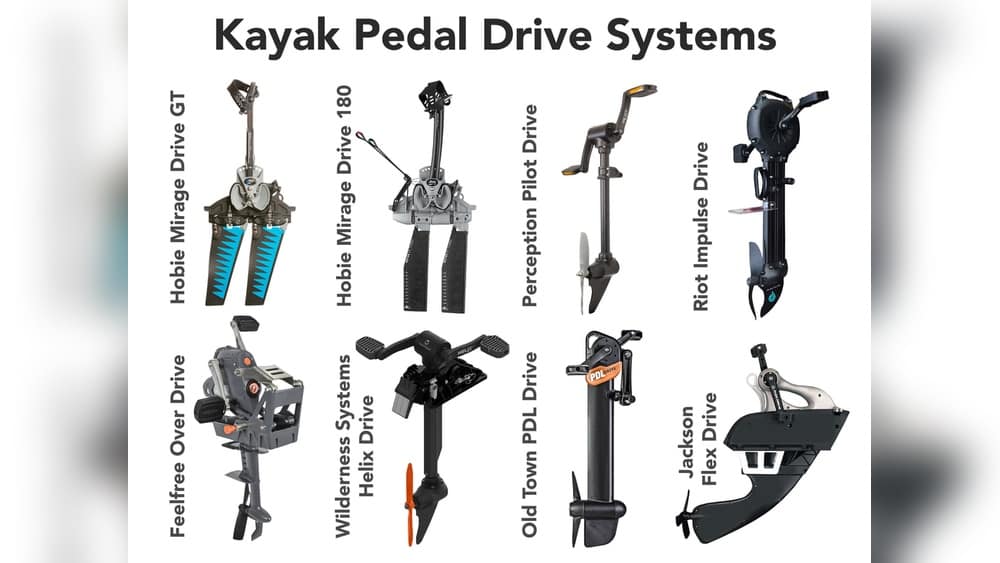
Kayaking is more than just a water sport—it’s an adventure, a way to connect with nature, and for many, a hobby that brings peace and excitement. But when it comes to choosing the right kayak, the debate often narrows down to the fin drive vs propeller drive systems. Both have their fans and critics, and both offer different experiences on the water. Whether you’re new to kayaking or looking to upgrade your current setup, understanding the difference between these two systems is key to making the right decision.
Imagine gliding over calm lakes, navigating strong river currents, or even trying your hand at kayak fishing. Your choice between fin and propeller drive doesn’t just affect how fast you go—it changes your comfort, how easy it is to maneuver, and even how much you enjoy your time on the water.
In this in-depth guide, you’ll discover the practical differences, advantages, disadvantages, and real-world performance of both systems. You’ll also learn tips many beginners miss, so you can avoid common mistakes and get the best value for your money.
What Is A Fin Drive Kayak?
A fin drive kayak uses a system with two flexible fins mounted underneath the hull. These fins move side-to-side when you pedal, pushing the kayak forward. The motion is similar to how a penguin swims. The most well-known fin drive system is the MirageDrive by Hobie, but other brands have created their own versions.
Fin drives are usually operated by pedals, freeing your hands for fishing, photography, or just relaxing. The fins can be lifted flush against the kayak’s bottom when you enter shallow water, making it easier to avoid getting stuck on rocks or weeds.
Many people are surprised to learn that fin drives can be very efficient. The fin movement works well at low speeds and allows for smooth gliding. Because the fins don’t spin, they are less likely to get tangled with underwater plants.
What Is A Propeller Drive Kayak?
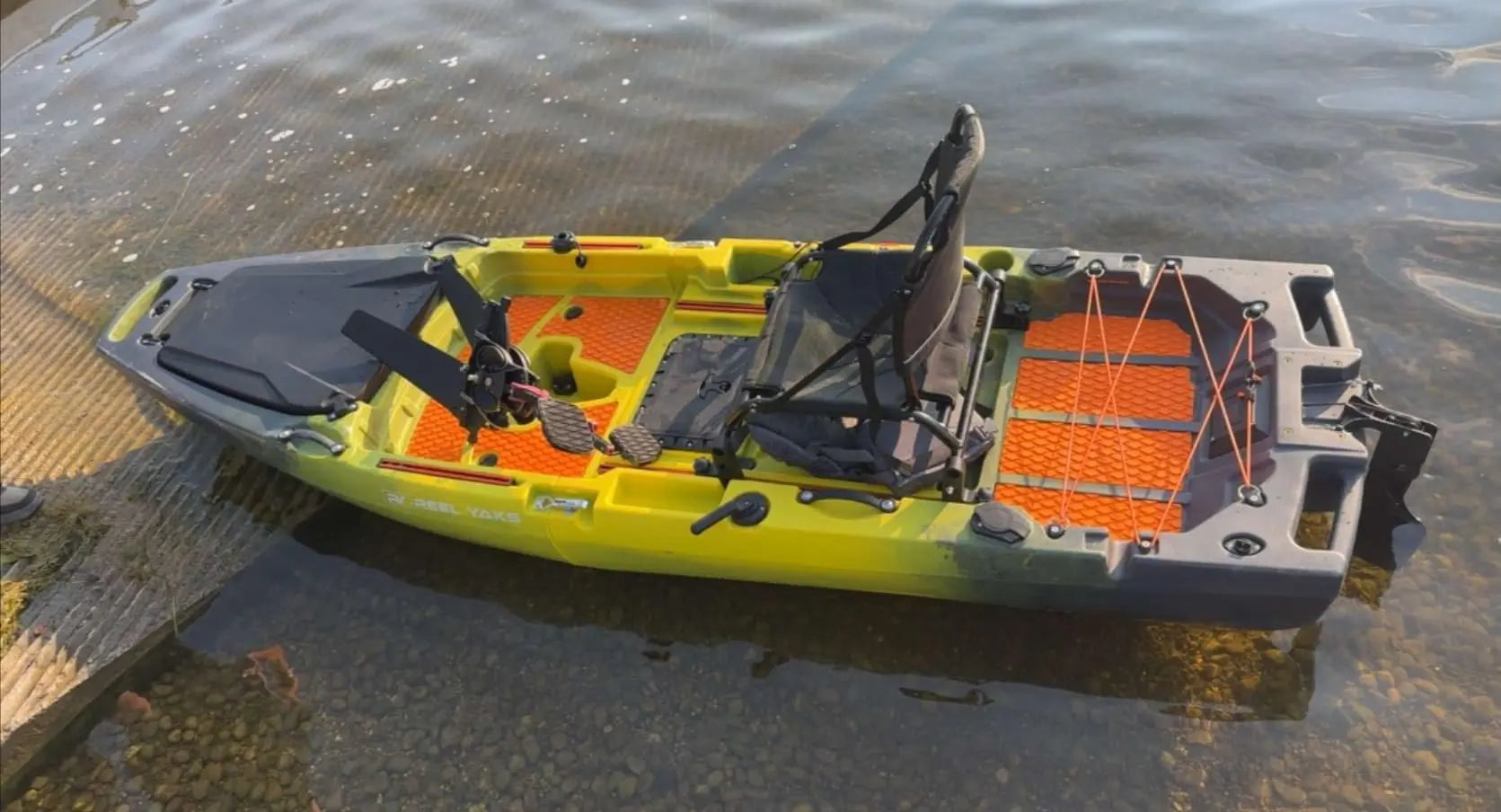
A propeller drive kayak works much like a bicycle. You pedal, and the energy turns a propeller under the kayak. The spinning propeller pushes water backward, moving the kayak forward. Some systems let you pedal in reverse simply by pedaling backward.
Propeller drives have become popular for their speed and ability to change direction quickly. Many brands offer propeller drive systems, including Native Watercraft, Old Town, and Perception. The propeller sits lower than the hull, so it’s important to watch out for rocks and shallow areas.
A key benefit of propeller drives is their familiarity. If you can ride a bike, you can use this system easily. The pedaling motion is smooth, and you can reach higher speeds compared to most fin drive systems.
How Do Fin And Propeller Drives Compare?
Choosing between these two systems means looking at several important factors. Here’s a side-by-side comparison to help you see the differences more clearly:
| Feature | Fin Drive | Propeller Drive |
|---|---|---|
| Pedal Motion | Back-and-forth (like walking) | Rotational (like biking) |
| Speed | Moderate | Generally higher |
| Reversing | Some models only (manual) | Most can reverse by pedaling backward |
| Shallow Water | Excellent (fins can be lifted) | Poor (propeller may hit bottom) |
| Maintenance | Lower (fewer moving parts) | Higher (more moving parts) |
| Weed Handling | Good (less likely to tangle) | Can tangle easily |
| Noise | Quiet | Can be louder |
Performance On The Water
Speed And Efficiency
Propeller drive kayaks usually win when it comes to top speed. The circular motion of the propeller moves water efficiently, especially at higher speeds. If you want to cover long distances or keep up with a group, the propeller drive is a strong choice.
Fin drive kayaks are efficient at cruising speed, especially for slow or moderate paddling. The side-to-side motion of the fins provides steady thrust. While you may not reach the same top speed as with a propeller, the effort is often lower at slow speeds, making it easier to paddle for hours without tiring.
An important fact many beginners overlook: if you’re fishing or taking photos, steady slow movement is usually more important than speed. Fin drives allow for smoother, quieter movement, which can help you avoid scaring fish or wildlife.
Shallow Water And Obstacle Handling
One of the most significant differences is how each system handles shallow water and underwater obstacles. Fin drives offer a clear advantage here. You can push the fins against the hull to glide over sandbars, rocks, or weeds. This is crucial if you often explore rivers or lakes with changing water levels.
Propeller drives, by design, have a part that sticks down below the kayak. If you hit a rock or log, the propeller can get damaged. Some newer systems have a “kick-up” feature, but most require you to remove or lift the drive when the water gets shallow.
This is a practical issue many first-time buyers miss. If your local waters are full of weeds, rocks, or sudden shallow spots, the fin drive’s flexibility can save you a lot of hassle.
Maneuverability
Fin drive kayaks usually have a turning radius controlled by a rudder. Steering with a hand lever or foot controls lets you change direction, but tight turns can be slower.
Propeller drive kayaks tend to be more agile, especially at low speeds. You can reverse instantly, which is helpful when docking, fishing, or avoiding obstacles. The ability to go backward quickly is a real benefit for certain activities, like precise casting or maneuvering in tight spots.
If your style includes a lot of stop-and-go, or you need to back up quickly, the propeller drive’s reverse function stands out.
Hands-free Operation
Both fin and propeller drives let you move without using your hands, which is a huge advantage over traditional paddling. This is particularly valuable for anglers, photographers, or anyone who wants to multitask.
However, some fin drive models require manual steps to reverse or adjust the fins for shallow water. Propeller drives with instant reverse are more convenient if you need to change direction often.
Comfort And Ergonomics
Pedaling Motion
Fin drives use a back-and-forth motion, similar to walking or using a step machine. This can be gentler on the knees and hips, especially for people with joint issues. It also feels more natural for some users.
Propeller drives use a circular, bicycle-like pedaling motion. If you’re used to biking, this will feel familiar. However, long sessions can sometimes cause knee strain, especially if the seat isn’t adjusted properly.
A tip for beginners: always adjust your seat and pedal distance before you go out. The wrong position can lead to discomfort, regardless of the drive type.
Seat Position And Fatigue
Most pedal kayaks, whether fin or propeller, come with raised, adjustable seats. This helps reduce fatigue and keeps you dry. Some models offer more support and padding, which can make long trips much more enjoyable.
Propeller drive systems often require a slightly higher seat position for efficient pedaling. Make sure to test different seat heights if possible, as comfort can vary greatly between models and brands.
Maintenance And Durability
Keeping your kayak drive in good shape is vital for long-term enjoyment. Here’s how the two systems compare:
Fin Drive Maintenance
Fin drives have fewer moving parts and are less likely to get clogged with weeds. Basic cleaning involves rinsing with fresh water and checking for any debris. The fins themselves are flexible and usually bounce back after hitting obstacles.
Replacement parts are generally easy to find, especially for popular brands like Hobie. It’s smart to carry a spare fin and some basic tools, just in case.
Propeller Drive Maintenance
Propeller drives have more moving parts, including gears and bearings. This means more points that can wear out or need lubrication. After each trip, you should rinse the drive and check for weeds or fishing line wrapped around the propeller.
It’s also important to inspect the propeller blades for nicks or cracks. Replacing a damaged propeller can be more expensive and sometimes requires special tools.
A key insight: beginners often forget to check for fishing line or weeds wrapped around the propeller after every trip. Even a small tangle can cause serious damage if left unchecked.
Durability In Real-world Use
Both systems are built to last, but rough use or accidents can happen. Fin drives tend to survive collisions better because the fins flex. Propeller drives are more prone to damage from impacts, especially if you forget to lift the drive in shallow areas.
Credit: reelyaks.com
Fishing And Recreation: Which Is Better?
If you’re buying a kayak for fishing, the drive system can make a big difference in your experience. Here’s how they compare for anglers and casual paddlers:
Quietness And Stealth
Fin drives are usually quieter, with less vibration and splashing. This makes them ideal for sneaking up on fish or enjoying a peaceful paddle. Fish are sensitive to noise, and even a little extra sound can scare them away.
Propeller drives tend to be louder, especially when weeds or debris hit the blades. If you’re targeting skittish fish or paddling in calm water, this can be a drawback.
Hands-free Fishing
Both systems allow you to fish while moving, but the ability to reverse with a propeller drive gives you more control. If you need to adjust your position quickly or back out of a tight spot, reversing instantly is a huge plus.
However, fin drives let you glide slowly and steadily, which can be helpful when trolling or covering a fishing area methodically.
Storage And Deck Space
Pedal drive systems, in general, take up space on the deck. Some fin drives can be removed easily and stored inside the kayak, freeing up room for gear. Propeller drives are usually bulkier and may need special storage or transport arrangements.
If you often carry a lot of equipment, check the design of your chosen model to make sure you have enough space for tackle boxes, coolers, or cameras.
Cost And Value
Upfront Cost
Both systems add to the cost of a kayak compared to traditional paddling models. Fin drive kayaks are often more expensive, especially high-end brands like Hobie. Propeller drives are available in a wider range of prices, with some budget options from smaller brands.
Here’s a quick look at typical price ranges:
| Drive Type | Entry Level | Mid-Range | Premium |
|---|---|---|---|
| Fin Drive | $1,800+ | $2,300–$3,000 | $3,000+ |
| Propeller Drive | $1,300+ | $1,800–$2,500 | $2,500+ |
The prices above are only for the kayak and drive system. Accessories, paddles, and safety gear are extra.
Maintenance And Repairs
Fin drive systems are generally cheaper and easier to repair. Replacement fins or small parts are widely available. Propeller drives can be more costly if you need a new propeller, gear, or shaft.
Resale Value
High-quality pedal kayaks hold their value well. Fin drive models, especially from trusted brands, often have better resale value due to their reputation for reliability and ease of use.
Pros And Cons At A Glance
To help you make a quick decision, here are the main pros and cons of each system:
Fin Drive Kayak
Pros:
- Excellent for shallow water and weed-heavy areas
- Quiet and smooth operation
- Lower maintenance needs
- Flexible fins reduce damage risk
- Respected reputation for reliability
Cons:
- Slower top speed
- Some models don’t reverse easily
- Usually higher upfront cost
Propeller Drive Kayak
Pros:
- Faster and more agile
- Reverse function is easy and instant
- Familiar cycling motion
- More budget-friendly options
Cons:
- Propeller can get tangled or damaged in weeds/shallow water
- Louder and may scare fish
- More maintenance required
Common Mistakes Beginners Make
- Ignoring Water Depth: Many new kayakers buy a propeller drive without considering their local waters. If you paddle in shallow rivers or lakes, you’ll quickly run into problems.
- Choosing Speed Over Comfort: Some people pick a propeller drive for speed, only to find the pedaling motion uncomfortable after long periods. Always test the system if possible.
- Forgetting About Maintenance: It’s easy to overlook the need for cleaning and checking your drive after every trip. Even a small problem can turn into a big repair bill.
- Not Checking for Weed Resistance: If your waters are full of plants, a fin drive may be a better choice. Propellers can get stuck, forcing you to stop and clear them often.
- Overlooking Storage Needs: Pedal systems take up space. Make sure you have room for all your gear, especially if you fish or do long trips.

Credit: kayakanglermag.com
Real-world Examples
- Lake Fisherman: Maria loves fishing in shallow lakes full of weeds. She chose a fin drive kayak because she can glide over plants and rarely gets stuck.
- River Explorer: Ben enjoys long trips on wide rivers. He picked a propeller drive for the speed and easy reverse, allowing him to cover more distance in less time.
- Weekend Paddler: Sam wanted a simple, low-maintenance kayak for short trips. The fin drive’s easy care and quiet ride made it the perfect match.
Which Kayak Drive Should You Choose?
Deciding between a fin drive and a propeller drive depends on your needs, local water conditions, and budget. Here are some tips to help you decide:
- Choose a fin drive if you paddle in shallow, weedy, or rocky areas, value quiet operation, and want low maintenance.
- Pick a propeller drive if you want higher speed, easy reversing, and paddle mainly in deeper water.
- Always test both types if you can, and consider renting before you buy.
- Remember that comfort and reliability matter more than small differences in speed or price.
If you want more technical details about kayak pedal drives, you can visit Wikipedia’s pedal kayak page for background information.

Credit: kayakanglermag.com
Frequently Asked Questions
What Is The Main Difference Between Fin Drive And Propeller Drive Kayaks?
The main difference is the pedal system. Fin drives use flexible fins that move side-to-side, while propeller drives use a spinning propeller. This affects speed, handling, and how each kayak performs in different water conditions.
Can I Use A Propeller Drive Kayak In Shallow Water?
It’s possible, but not ideal. The propeller sits lower and can hit rocks or get tangled in weeds. Many paddlers lift the drive in shallow spots, but this means you can’t pedal until the water gets deeper.
Which Kayak Drive Is Better For Fishing?
Both can work well, but fin drives are usually quieter and better in shallow or weedy waters. Propeller drives offer fast reverse and quick maneuvering, which is great for adjusting your position.
Are Pedal Drive Kayaks Hard To Maintain?
Pedal drive kayaks need regular cleaning and checking, but fin drives are usually simpler to maintain. Propeller drives have more parts and may need extra care, especially if you paddle in dirty or weedy water.
Do Pedal Kayaks Cost More Than Paddle Kayaks?
Yes, pedal drive kayaks—both fin and propeller—cost more than regular paddle kayaks. The advanced drive systems add to the price, but many find the hands-free operation and comfort worth the investment.
Choosing the right kayak drive is a personal decision that shapes your adventure on the water. By considering your local environment, your comfort, and how you plan to use your kayak, you’ll find the system that matches your style. No matter which you choose, both fin and propeller drive kayaks open up new possibilities for exploring lakes, rivers, and beyond.