
Kayaking Vs Rafting: Which Adventure Is Right For You?
Water sports are a thrilling way to connect with nature, challenge yourself, and create unforgettable memories. Two of the most popular river activities are kayaking and rafting. At first glance, they may look similar—both involve boats and paddles on moving water. But when you look closer, you’ll see they offer very different experiences. If you’re trying to decide between kayaking and rafting for your next adventure, this in-depth guide will help you understand the differences, benefits, and challenges of each. By the end, you’ll know which sport fits your personality, goals, and skill level.
What Is Kayaking?
Kayaking is a water sport where you sit in a small, narrow boat called a kayak and use a double-bladed paddle to move. Kayaks come in different shapes and sizes, but most are designed for one person. Some are made for two people, called tandem kayaks. Kayaking can take place on rivers, lakes, or even the ocean, but here we’ll focus on river kayaking.
Kayaks are easy to maneuver and can go where bigger boats can’t. You use your arms and core muscles to paddle and steer. You also wear a spray skirt that keeps water out of the kayak. Many people love kayaking because it offers a sense of freedom and control.
You feel close to the water and can react quickly to changes in the river.
What Is Rafting?
Rafting uses a large, inflatable boat—called a raft—that can carry several people, usually between 4 and 8. Sometimes, larger rafts can hold up to 12 or more. Each person has a single-bladed paddle, and everyone must work together to move the raft. Rafting is popular on rivers with rapids and waves, making it an exciting team sport.
A rafting trip is usually led by a trained guide who sits at the back of the raft. The guide gives commands, steers the raft, and keeps everyone safe. Because the raft is bigger and more stable than a kayak, it can handle rough water and obstacles better.
Rafting is great for groups, families, and people who like working as a team.
Key Differences Between Kayaking And Rafting
To understand which sport is better for you, it helps to compare their main features. The table below highlights the biggest differences.
| Feature | Kayaking | Rafting |
|---|---|---|
| Boat Type | Small, closed or open kayak | Large, inflatable raft |
| Number of People | 1 (or 2 in tandem) | 4-8 (sometimes more) |
| Paddle Type | Double-bladed | Single-bladed |
| Control | Individual | Teamwork |
| Skill Level Needed | Medium to High | Beginner to Advanced |
| Guide Required | No (but helpful for beginners) | Yes (for most trips) |
| Best For | Solo adventure, skill-building | Groups, team-building, fun |
The Kayaking Experience
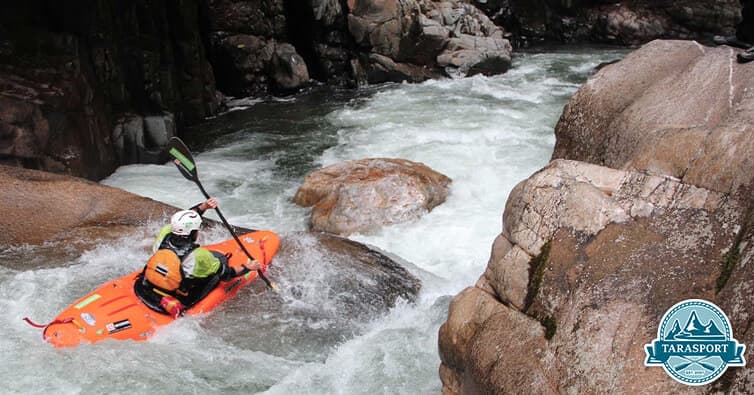
Kayaking is a very personal experience. When you’re in a kayak, you’re low to the water, feeling every movement of the river. You’re in control of your boat at all times. This can be exciting, but also challenging, especially on fast-moving water.
Types Of Kayaking
There are several types of river kayaking:
- Whitewater kayaking: Navigating rapids and obstacles on fast-flowing rivers.
- Recreational kayaking: Calm rivers or lakes, perfect for beginners.
- Touring/expedition kayaking: Long-distance trips, sometimes over several days.
Whitewater kayaking is the most intense. It requires skill to read the river, avoid rocks, and stay upright. Recreational kayaking is easier and a good way to learn basic skills.
Physical And Mental Benefits
Kayaking is a full-body workout. You use your arms, shoulders, back, and core. Paddling against the current builds strength and endurance. Mentally, kayaking requires focus and quick decision-making. You need to watch for changes in the water and react fast.
Kayaking Safety
Safety is very important in kayaking. You should always wear a life jacket (personal flotation device). Beginners should take lessons or go with a guide. Learning how to do a wet exit (leaving the kayak if it flips) and a roll (flipping the kayak upright) are important skills.
Who Should Try Kayaking?
Kayaking is great for people who enjoy solo challenges and want to improve their skills. It’s also ideal if you like quiet moments on the water and exploring new places. If you’re not comfortable swimming or being alone in a boat, kayaking might feel intimidating at first.
Credit: www.tarasportrafting.com
The Rafting Experience
Rafting is all about teamwork and excitement. You’ll be in a group, paddling together, and listening to a guide’s instructions. Rafting trips often include big splashes, fast rapids, and lots of laughter.
Types Of Rafting
Rafting can be divided into:
- Whitewater rafting: Navigating rapids of different difficulties.
- Scenic/float trips: Calm rivers, focusing on views and wildlife.
Whitewater rafting is the most popular type. Rapids are rated from Class I (easy) to Class VI (extremely dangerous). Most commercial trips are on Class II-IV rivers, which offer excitement without too much risk.
Physical And Mental Benefits
Rafting is less intense physically than kayaking, but you still get a good workout. You use your arms and upper body to paddle, and your legs to brace inside the raft. The mental challenge comes from working as a team and responding quickly to the guide’s commands.
Rafting Safety
Rafting companies always provide life jackets and helmets. Guides are trained in rescue and first aid. While accidents are rare, you must listen carefully to instructions, especially when entering big rapids or if someone falls out.
Who Should Try Rafting?
Rafting is perfect for groups, families, and anyone who likes shared adventures. You don’t need previous experience, and most trips are suitable for beginners. If you’re looking for adrenaline but want the support of a team, rafting is a great choice.
Comparing Skill Levels And Learning Curves
Kayaking and rafting both have learning curves, but they’re quite different.
Kayaking Skills
You need to learn:
- Paddle techniques: Forward, backward, turning strokes.
- Balance and posture: Staying stable in the kayak.
- Rescue skills: Wet exits, rolls, self-rescue.
Learning to kayak takes time, especially on whitewater. Most people need several lessons to feel confident.
Rafting Skills
For rafting:
- Basic paddling: Easy to learn in minutes.
- Teamwork: Listening and working with others.
- Safety commands: Following guide’s instructions.
You can join a rafting trip with no experience. The guide does most of the hard work and keeps everyone safe.
Equipment And Gear: What You Need
Both sports need special gear, but the types and costs are different.
Kayaking Gear
- Kayak: Hard-shell or inflatable, single or tandem.
- Double-bladed paddle
- Life jacket
- Spray skirt (for whitewater)
- Helmet (for rough water)
- Wetsuit or drysuit (for cold water)
- Water shoes
- Dry bag (to keep belongings safe)
Kayaking gear is personal. You need to fit the kayak and gear to your body size.
Rafting Gear
- Raft: Provided by commercial companies.
- Single-bladed paddle
- Life jacket (provided)
- Helmet (provided)
- Wetsuit or splash jacket (sometimes provided)
- Water shoes or sandals
- Throw rope (for safety, usually with the guide)
Most rafting companies include all gear in the trip price. You only need to bring clothes and shoes that can get wet.
Cost Comparison
The price of kayaking and rafting depends on where you go, how long the trip lasts, and whether you rent or buy equipment.
| Activity | Average Cost (per person, per day) | Includes |
|---|---|---|
| Kayaking (guided trip) | $60 – $120 | Boat, gear, guide |
| Kayaking (rent only) | $30 – $60 | Boat, paddle, life jacket |
| Rafting (commercial trip) | $70 – $150 | Raft, gear, guide, shuttle |
| Buying own kayak & gear | $700 – $1,500 (one-time) | Kayak, paddle, safety gear |
Rafting is usually a one-time cost per trip, while owning kayak gear is a bigger investment but pays off if you go often.
Locations And Accessibility
Both sports are popular worldwide, but some places are better for one than the other.
Best Places For Kayaking
- Calm rivers: Great for beginners, found in most regions.
- Whitewater rivers: Colorado River (USA), Ottawa River (Canada), Zambezi River (Africa).
- Scenic lakes: Lake District (UK), Lake Tahoe (USA).
- Sea kayaking: Coastal areas, fjords, and islands.
Best Places For Rafting
- Grand Canyon (USA): Famous for long rafting trips and big rapids.
- Futaleufú River (Chile): Known for turquoise water and exciting rapids.
- Bhote Koshi (Nepal): Popular for adventure seekers.
- Ganges (India): Offers spiritual and scenic experiences.
- Zambezi River (Africa): Legendary for huge rapids.
Most major rivers with rapids offer both kayaking and rafting, but rafting is more common on rivers with bigger waves and longer rapids.
Which Is Safer: Kayaking Or Rafting?
Safety depends on river conditions, skill, and equipment. Here are some key points:
- Rafting is generally safer for beginners because you’re with a guide and a group.
- Kayaking can be riskier on whitewater, especially alone or without training.
- Both sports require wearing life jackets and helmets, and understanding river risks.
Commercial rafting has a good safety record, with most injuries being minor (bumps, scrapes). Kayaking accidents are more likely if you go alone or without lessons. According to the American Whitewater Association, fatalities are rare but more common among kayakers who skip safety training.
Insight: One non-obvious factor is that solo kayakers can get trapped in river features, while rafts can bounce over them. But rafts are less agile and can flip if not paddled correctly. Learning to read the river is key for both.
Physical Demands And Fitness
Kayaking usually demands more upper body and core strength. Rafting is more about short bursts of paddling and teamwork.
- Kayaking: Good for building endurance, arm, and back strength. Also improves balance and flexibility.
- Rafting: Less intense for each person, but requires coordination and quick response.
If you have shoulder or back problems, kayaking might be challenging. Rafting is often easier for people with limited fitness, since the guide does most of the steering.
Social And Group Aspects
Rafting is the clear winner for social experiences. You work as a team, laugh together, and share the adventure. Kayaking is more personal, but group kayaking trips can also be fun and supportive.
Tip: If you want to meet new people or celebrate an event (like a birthday or team outing), rafting is ideal. For personal growth and skill-building, kayaking is better.

Credit: southeasternexpeditions.com
Environmental Impact
Both sports are generally eco-friendly, but there are differences.
- Kayaks are smaller and lighter, causing less disturbance to riverbanks and wildlife.
- Rafts, especially large groups, can impact riverbanks at entry and exit points.
Responsible outfitters follow “Leave No Trace” principles. Always choose companies that protect rivers and limit group sizes.
Weather And Season
Kayaking and rafting are usually done in warm months, but some locations offer year-round trips. Cold water and weather require wetsuits or drysuits.
- Kayaking is more sensitive to wind and cold, as you’re lower to the water.
- Rafting trips may still run in light rain, as you’ll get wet anyway.
Some rivers are only safe at certain water levels, which change with snowmelt and rain. Always check local conditions before planning a trip.
Common Mistakes Beginners Make
Both sports have pitfalls for newcomers. Here are mistakes to avoid:
Kayaking Mistakes
- Skipping lessons: Self-taught kayakers often develop bad habits.
- Ignoring safety gear: Not wearing a helmet or life jacket.
- Underestimating river danger: Even small rapids can trap a kayak.
- Poor planning: Not checking river levels or weather.
Rafting Mistakes
- Not listening to the guide: Missing commands can lead to falls or flips.
- Improper clothing: Cotton clothes get heavy and cold when wet.
- Wrong paddle grip: Can cause blisters or dropped paddles.
- Not securing loose items: Sunglasses, hats, and cameras can get lost.
Non-obvious insight: In rafting, the front paddlers set the rhythm—if they’re off-beat, the whole raft struggles. In kayaking, not watching the water ahead can lead to missed opportunities to avoid obstacles.
How To Choose: Kayaking Or Rafting?
Still unsure which to try? Consider these questions:
- Do you prefer solo challenges or teamwork?
- Are you looking for skill-building or group fun?
- Is safety your top concern, or are you comfortable learning new skills?
- Do you want to invest in your own gear or just go for a day trip?
If you answered “solo” and “skill-building,” kayaking is probably for you. If you answered “teamwork” and “group fun,” rafting is likely the better fit.
Real-world Example: A Day On The River
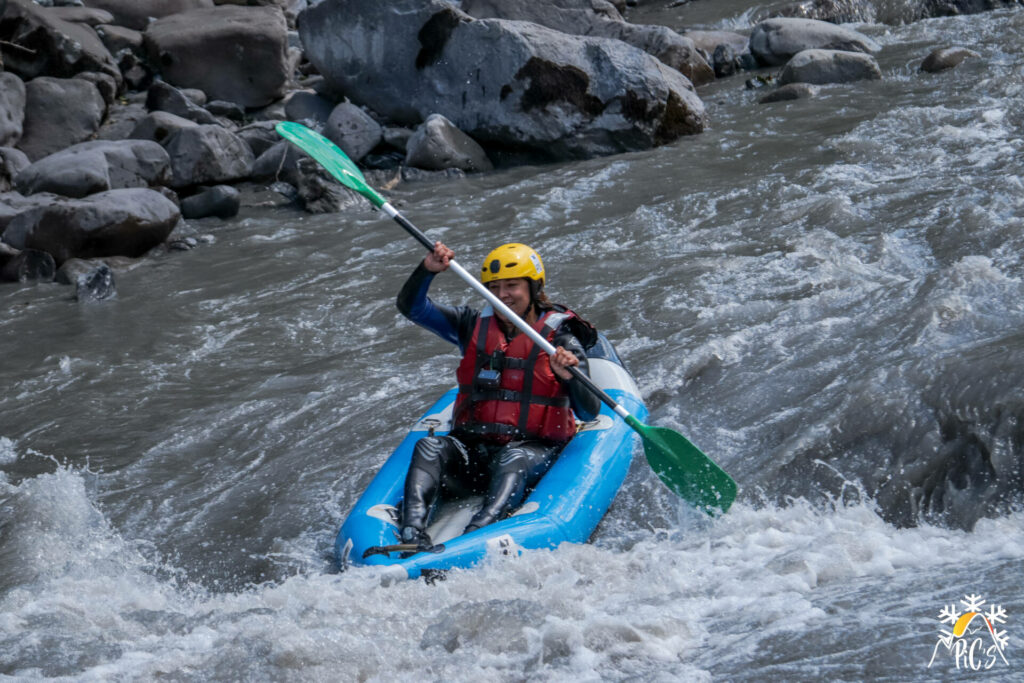
Imagine you sign up for a rafting trip on the Colorado River. You join a group of six, meet your guide, and get a safety briefing. You paddle together, shout with excitement through the rapids, and share stories during calm stretches.
The guide points out wildlife and local history.
Now, imagine kayaking the same stretch. You launch alone, feel every wave, and have to choose your own path. You pause in quiet eddies, enjoying the peace. You must stay focused, but you control the pace and direction.
Both are thrilling, but the experience is very different.
Which Is More Popular?
Rafting is more popular with beginners and tourists, especially in famous river locations. Kayaking is growing fast, but attracts more people looking for a hobby or sport to master. According to a 2022 Outdoor Foundation report, about 3.6 million people tried rafting in the US, while 11.5 million went kayaking (including flatwater and whitewater).
Interesting fact: More people own kayaks for lakes and slow rivers, but rafting brings in more first-timers each year.
Credit: www.crazywater-rafting.com
Environmental And Cultural Impact
Both sports support local economies and tourism. Rafting companies often work with communities, offering jobs and supporting conservation. Kayaking events and clubs can help protect rivers by raising awareness.
Some rivers, like the Ganges or Zambezi, are important for local culture and history. Responsible tourism helps keep these places beautiful for future generations. Always choose outfitters that respect the environment and local customs.
For further reading about river conservation and recreation, visit the Wikipedia: Whitewater recreation page.
Frequently Asked Questions
Is Kayaking Or Rafting Harder To Learn?
Kayaking has a steeper learning curve, especially on whitewater. You need to learn paddle strokes, balance, and rescue techniques. Rafting is easier for beginners because the guide handles most of the skills, and you learn basic paddling quickly.
Which Is Safer: Kayaking Or Rafting?
Rafting is generally safer for beginners, especially on guided trips. Kayaking can be safe with training and proper gear, but solo kayakers face more risks. Always follow safety instructions and wear a life jacket in both sports.
Can Children Go Kayaking Or Rafting?
Children can enjoy both, but rafting is usually better for young kids because they’re with a guide and a group. Many rafting companies allow kids as young as 6 or 7, depending on the river. Some calm kayaking trips are child-friendly, but whitewater kayaking is not recommended for young children.
Do I Need To Know How To Swim?
You don’t need to be a strong swimmer, but basic swimming skills are important for safety in both sports. Life jackets help you float, but swimming helps you stay calm and move to safety if you fall out of the boat.
What Should I Wear For Kayaking Or Rafting?
Wear quick-drying clothes (no cotton), water shoes or sandals, and a hat or sunglasses with a strap. On cold rivers, use a wetsuit or drysuit. Always wear a life jacket, and use a helmet on rough water.
Kayaking and rafting both offer unique ways to enjoy rivers and nature. Whether you choose the solo path of kayaking or the shared thrill of rafting, you’ll find adventure, challenge, and joy on the water. Try both if you can—you might be surprised which one you love most.