
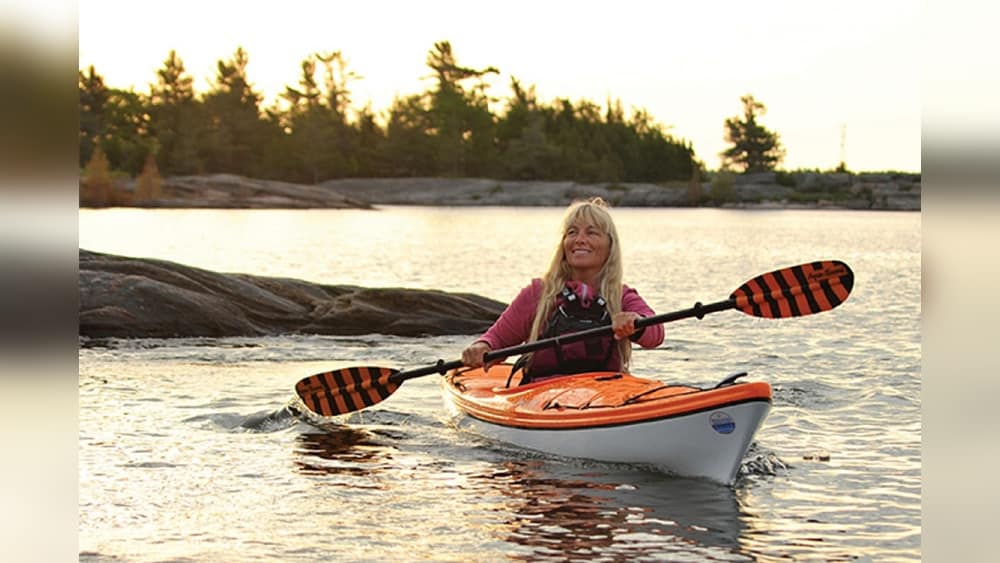
Kayaking is more than just a hobby or a sport. For many, it’s a way to explore nature, enjoy peaceful waters, or test their skills against wild rivers and open seas. But have you ever wondered what gives kayaks their strength, speed, and unique feel on the water? The answer lies in what they are made of. Understanding the materials used in kayaks can help you choose the right one for your needs, care for your boat, and appreciate the technology behind every paddle stroke.
The Evolution Of Kayak Materials
Kayaks have a rich history. The first kayaks were built thousands of years ago by the Inuit and Aleut people of the Arctic. They used wooden frames covered by animal skins—mainly sealskin—stitched together and made waterproof with animal fat. These boats were light, flexible, and perfect for cold, icy waters.
Today, kayak design and materials have changed dramatically. Modern kayaks use a range of synthetic materials, each with special properties to suit different types of paddling, water conditions, and price points. Let’s break down the main materials you’ll find in kayaks today.
Polyethylene Plastic: The Most Common Choice
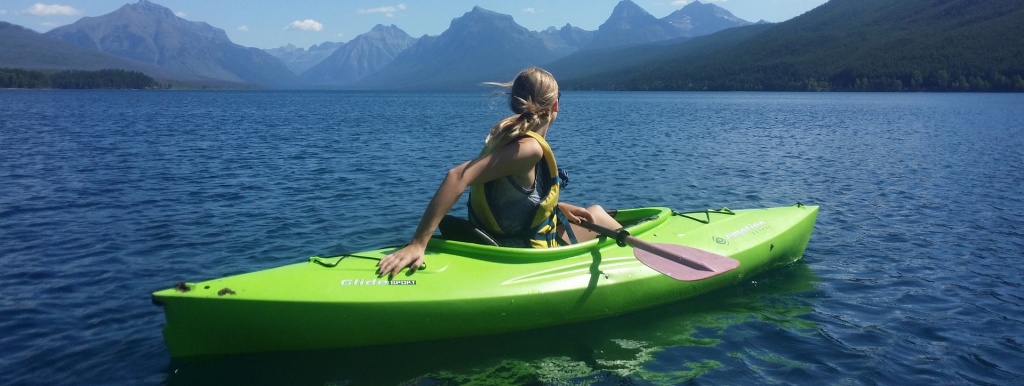
Polyethylene is by far the most popular material for recreational and entry-level kayaks. It’s a type of durable plastic that’s affordable and tough. Most polyethylene kayaks are made using a process called rotomolding, where plastic pellets are melted and spun inside a mold until they form the shape of the kayak.
Key Features Of Polyethylene Kayaks
- Durability: Polyethylene is highly resistant to impacts, making it a great choice for rocky rivers, beaches, and beginner paddlers who might bump into obstacles.
- Low Cost: These kayaks are usually the cheapest option.
- Low Maintenance: They don’t require much care beyond washing off dirt and storing them out of the sun.
However, polyethylene also has a few downsides:
- Heavier Weight: These kayaks are often heavier than those made from other materials.
- UV Sensitivity: Prolonged exposure to sunlight can make the plastic brittle over time.
- Flexibility: Some lower-end models can flex or “oil can” (dent) under pressure, which can affect performance.
Polyethylene Varieties
Not all polyethylene is the same. Some manufacturers use single-layer polyethylene for economy models, while premium versions may use triple-layer (foam core sandwiched between two solid layers) for added stiffness and insulation.
Credit: petroleumservicecompany.com
Composite Kayaks: Fiberglass, Kevlar, And Carbon Fiber
If you’re looking for a kayak that’s lightweight and high-performance, composite materials are the top choice. These kayaks are made from layers of fabric (usually fiberglass, Kevlar, or carbon fiber) bonded together with resin.
Fiberglass Kayaks
Fiberglass is the most common composite used for kayaks. These boats are:
- Lighter than plastic kayaks
- Stiffer, which means better glide and speed on the water
- Repairable: Damage can usually be fixed with fiberglass patches
The main trade-off is cost. Fiberglass kayaks are significantly more expensive than polyethylene ones.
Kevlar Kayaks
Kevlar is famous for its use in bulletproof vests, and it brings similar strength to kayaks. Kevlar kayaks are:
- Even lighter than fiberglass
- Extremely strong and impact-resistant
They’re a favorite for expedition paddlers who need to carry their kayak over land (portaging) or travel long distances. However, Kevlar kayaks are usually among the most expensive.
Carbon Fiber Kayaks
Carbon fiber is the lightest and stiffest of all the common kayak materials. It’s often used in high-end racing kayaks where speed is everything. These kayaks:
- Weigh less than any other material
- Deliver top performance for competitive paddlers
But, carbon fiber is also the most expensive and can be brittle if hit hard.
Comparison Of Composite Materials
Here’s a quick look at how these three materials compare:
| Material | Weight | Durability | Price | Repairability |
|---|---|---|---|---|
| Fiberglass | Light | Moderate | $$ | Easy |
| Kevlar | Lighter | High | $$$ | Moderate |
| Carbon Fiber | Lightest | Moderate | $$$$ | Difficult |
Thermoformed Abs Plastic
A step up from basic polyethylene, thermoformed ABS kayaks use a process where sheets of ABS plastic are heated and then shaped over a mold. The decks and hulls are usually made separately and then joined together.
Benefits Of Thermoformed Kayaks
- Lighter than rotomolded polyethylene
- Glossy finish that looks similar to composite kayaks
- UV resistance: Holds up better in the sun
- Lower cost than fiberglass or Kevlar
Thermoformed kayaks are a great middle ground for paddlers who want some of the advantages of composite boats, like reduced weight and better looks, without the high price.
Drawbacks
- Not as tough as rotomolded kayaks for rough use
- Repairing damage can be more complicated than with polyethylene
Inflatable Kayaks: Pvc And Hypalon
Inflatable kayaks are a special category. They’re perfect for people with limited storage space or who want to travel. Most inflatables are made from PVC (polyvinyl chloride) or Hypalon (a type of synthetic rubber).
Pvc Kayaks
PVC is the most widely used material for inflatables. It’s affordable and easy to mold. These kayaks are:
- Lightweight and portable
- Budget-friendly
However, PVC is not as durable as other materials and can degrade with long-term sun exposure.
Hypalon Kayaks
Hypalon is stronger and more resistant to UV, chemicals, and abrasion. It’s often used in high-end inflatable kayaks and whitewater rafts.
- Extremely tough and long-lasting
- Better for harsh conditions
The main downside is the cost—Hypalon kayaks are more expensive than PVC models.
Key Differences Between Pvc And Hypalon
A quick side-by-side comparison:
| Feature | PVC | Hypalon |
|---|---|---|
| Durability | Good | Excellent |
| UV Resistance | Low | High |
| Weight | Light | Heavier |
| Cost | Low | High |
Traditional Materials: Wood And Skin-on-frame
Some paddlers love the classic look and feel of wooden kayaks or skin-on-frame designs. These boats are often built by hand and can be works of art as well as functional watercraft.
Wooden Kayaks
Modern wooden kayaks are usually made with lightweight plywood panels joined together using a method called “stitch and glue,” then coated with fiberglass and epoxy for waterproofing.
- Beautiful appearance
- Surprisingly light
- Customizable
However, they require more maintenance than plastic or composite kayaks and can be damaged by impacts.
Skin-on-frame Kayaks
These are close to the original Inuit designs. They use a wood or aluminum frame covered with a strong synthetic fabric, like nylon, coated for waterproofing.
- Extremely light
- Flexible and responsive on the water
- Can be disassembled for travel (in some modern kits)
But, they’re less durable against rocks and sharp objects and need regular care.
Folding Kayaks
Folding kayaks are a modern twist on the skin-on-frame idea. The frame folds down and the skin rolls up for easy transport.
- Great for travelers and apartment dwellers
- Performance similar to traditional hardshell kayaks
- More expensive than inflatables, but longer-lasting
Some experienced paddlers use folding kayaks for expeditions, as they can be checked on flights and carried into remote areas.
Comparing Kayak Materials By Use
Choosing the right material depends on your needs. Here’s a simple guide:
| Use | Best Materials | Why |
|---|---|---|
| Recreation / Beginners | Polyethylene, Inflatable PVC | Affordable, tough, easy to use |
| Touring / Long Trips | Fiberglass, Kevlar, Carbon Fiber | Lightweight, efficient, faster |
| Whitewater | Polyethylene, Hypalon | Impact resistant, flexible |
| Fishing | Polyethylene, Thermoformed ABS | Stable, durable, easy to customize |
| Travel / Storage | Inflatable, Folding, Skin-on-Frame | Portable, compact, light |
Credit: www.madehow.com
Two Insights Most Beginners Miss
Many people new to kayaking believe that lighter is always better. However, a very light kayak can be more affected by wind, especially for smaller paddlers. Sometimes a slightly heavier boat is easier to keep on course.
Another common oversight is repairability. Fiberglass kayaks, although more expensive, can be repaired many times and often last for decades with care. Cheap plastic kayaks, if cracked, are much harder to fix and may have a shorter usable life.
Environmental Impact Of Kayak Materials
Today, more paddlers are asking about the environmental impact of kayak materials. Polyethylene and PVC are petroleum-based and not biodegradable, but many companies now use recycled plastics. Wooden kayaks, if built with sustainably sourced wood, are a greener choice, while composite materials have a bigger carbon footprint due to the resins and energy used in production.
Some brands are experimenting with bioplastics or plant-based fibers, but these are still rare. If sustainability is important to you, look for kayaks made with recycled materials or choose a design that lasts many years.
Credit: paddlingmag.com
Care And Maintenance By Material
How you care for your kayak depends on its material:
- Polyethylene: Rinse after use, store out of sunlight.
- Composite (Fiberglass, Kevlar, Carbon): Rinse, avoid hard impacts, repair chips quickly.
- Thermoformed: Clean with mild soap, avoid dragging on rough ground.
- Inflatable: Dry completely before storage, check for leaks regularly.
- Wood/Skin-on-Frame: Keep dry, inspect for cracks, treat fabric or wood as needed.
Even the toughest kayak will last longer with simple, regular care.
Frequently Asked Questions
What Is The Most Durable Kayak Material?
Polyethylene plastic is generally the most durable material for everyday use. It handles impacts, scrapes, and rough landings better than most other materials, making it ideal for beginners and whitewater paddlers.
Are Composite Kayaks Worth The Higher Price?
Composite kayaks (fiberglass, Kevlar, carbon fiber) offer lighter weight and higher performance. For long trips or advanced paddling, they are often worth the investment. However, for casual use, the extra cost may not be necessary.
Can You Repair A Cracked Plastic Kayak?
Repairing a polyethylene kayak is possible but more difficult than fixing a composite boat. Special welding techniques or repair kits are needed, and repairs may not be as strong as the original material.
How Long Do Inflatable Kayaks Last?
A well-cared-for Hypalon inflatable kayak can last over 10 years, even with regular use. PVC inflatables may last 5-8 years, depending on care and exposure to sunlight.
Which Kayak Material Is Best For The Environment?
Wooden kayaks made with sustainably sourced wood and eco-friendly resins are the greenest option. Some companies now use recycled plastics, which also helps reduce waste. For more details, check out the environmental section at Wikipedia.
Kayaks are much more than just boats—they’re a balance of design, technology, and tradition. By understanding what kayaks are made of, you can make a smarter choice that matches your paddling style, storage space, and values. Whether you’re gliding across a quiet lake or running down a wild river, the right kayak material can make all the difference in your experience.