
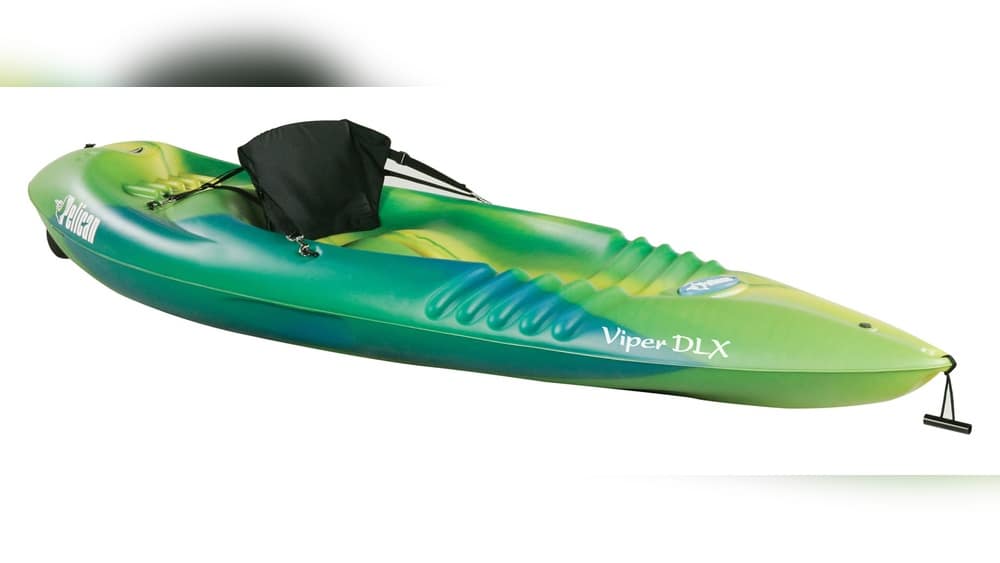
Choosing the right kayak can be the difference between a relaxing day on the water and a struggle with gear that doesn’t fit your needs. Two brands often compared by paddling enthusiasts are Viper and Pelican. Each has its own strengths, weaknesses, and unique features. But which is better for you? This article gives a complete, side-by-side look at Viper and Pelican kayaks, covering everything from design and performance to price and real-life user experiences. If you’re thinking about buying your first kayak or upgrading your current one, you’ll find practical advice here to help you make a confident choice.
Brand Backgrounds
Understanding where these brands come from helps you see what they value and what kind of kayaks they make.
Viper Kayaks
Viper is known for making budget-friendly recreational kayaks. The brand is often sold in large retail stores and focuses on affordable, entry-level boats. Viper kayaks are usually made from polyethylene, a type of plastic that is durable and easy to care for. Their main goal is to get beginners and casual paddlers on the water without a big investment.
Pelican Kayaks
Pelican has been making watercraft for over 50 years. Based in Canada, Pelican is one of the world’s largest kayak makers. They use a special material called RAM-X™, known for being strong, light, and resistant to impacts. Pelican offers a wide range of kayaks, from simple recreational models to fishing and touring designs. Their focus is on innovation, comfort, and long-lasting value.
Key Models Compared
To keep things clear, let’s compare the most popular models from each brand. For Viper, the most common is the Viper 10.4, a 10-foot 4-inch recreational kayak. For Pelican, the Pelican Trailblazer 100 NXT is a top seller in the same size and class.
| Feature | Viper 10.4 | Pelican Trailblazer 100 NXT |
|---|---|---|
| Length | 10 ft 4 in | 10 ft |
| Width | 29 in | 29.5 in |
| Weight | 45 lbs | 36 lbs |
| Max Capacity | 300 lbs | 275 lbs |
| Material | Polyethylene | RAM-X™ Polyethylene |
| Seat Type | Padded, basic | ErgoForm™, padded |
| Price Range (USD) | 300–400 | 350–450 |
Design And Build Quality
Hull Design
The Viper 10.4 uses a basic, flat-bottomed hull. This type is very stable, making it a good choice for beginners or casual paddlers who want to avoid tipping. However, flat hulls are not the fastest and can feel slow in the water.
The Pelican Trailblazer 100 NXT has a shallow V-chine hull. This design is also stable but offers a bit more speed and better tracking (the ability to go straight). The V-chine cuts through water more smoothly and feels more responsive when turning.
Materials
Both kayaks use plastic, but Pelican’s RAM-X™ technology is a step above standard polyethylene. RAM-X™ is a multi-layer material that bounces back from impacts—think rocks or docks—better than basic plastic. It also makes the kayak lighter, which is a huge plus when carrying or loading it.
A non-obvious insight: Many beginners think heavier kayaks are stronger, but in practice, lighter materials like RAM-X™ make transport and handling much easier without losing durability.
Comfort Features
Viper kayaks keep things simple, often with a basic padded seat and adjustable foot braces. The cockpit is wide, which helps with getting in and out, especially for bigger paddlers.
Pelican adds comfort touches like the ErgoForm™ padded seat and better footrests. The seat is shaped to support your lower back during longer paddles—a small detail that makes a big difference after an hour on the water. Pelican cockpits are also roomy, though not quite as wide as Viper’s.
Performance On The Water
How do these kayaks actually feel and perform when you’re paddling? Let’s break it down.
Stability
Both models are built with beginners in mind, so primary stability (how steady the kayak feels on flat water) is high. You can climb in, shift your weight, or reach for gear without feeling like you’ll tip.
However, the Viper’s flat hull is a bit more “forgiving” if you move suddenly. That’s great for nervous paddlers. Pelican’s V-chine hull feels stable but a little “livelier” as you lean—better for those who want to progress and learn new skills.
Speed And Tracking
If you want to paddle quickly or cover longer distances, the hull shape matters. Pelican’s design tracks straighter and paddles faster thanks to its V-chine. Viper is fine for short trips but can wander left and right if you’re not careful.
Here’s a common beginner mistake: assuming all recreational kayaks are slow. In truth, small differences in hull design can add up, especially if you plan to paddle for more than an hour at a time.
Maneuverability
Both kayaks turn easily, thanks to their short length. Viper’s wider cockpit means you can shift your weight more, which helps with sharp turns. Pelican’s hull gives a more controlled, precise feel in tight spots like winding rivers.
Weight And Portability
Portability is one area where Pelican stands out. At just 36 pounds, the Trailblazer 100 NXT is much easier to lift, carry, and load onto a car than the Viper 10.4, which weighs about 45 pounds. For solo paddlers, this difference is noticeable—especially after a long day on the water.
A detail many overlook: lighter kayaks are less tiring to portage, especially if you need to walk from your car to the water. Pelican’s lighter weight makes it a smarter choice for those with back or shoulder issues.
Storage And Gear Options
Onboard Storage
Viper kayaks offer simple storage: usually a small rear hatch for dry items and some bungee cords on the deck for tying down extras. It’s basic but enough for snacks, a water bottle, and maybe a small dry bag.
Pelican adds a bit more: a quick-lock rear hatch, deck bungees, and a molded bottle holder. Their hatch is not 100% waterproof, but it’s easier to access and better for organizing gear.
Customization
Neither brand is heavy on advanced features, but Pelican kayaks are easier to customize. Many owners add fishing rod holders, paddle clips, or extra deck rigging. The RAM-X™ material also drills more cleanly if you want to add accessories.
Viper models are less often upgraded, partly because they’re aimed at casual users who don’t need lots of extras.
Price And Value
Both brands compete closely on price, but there are subtle differences.
Viper 10.4 is usually the lowest-cost option, often found for $300–$400. This makes it a favorite for first-time buyers or those who just want to try kayaking.
Pelican Trailblazer 100 NXT costs a bit more, around $350–$450. For this, you get lighter weight, a more advanced hull, and a more comfortable seat. Over time, many paddlers find the small extra cost is worth the better experience.
Resale Value
Pelican kayaks tend to hold their value better. Their name is well-known, and the lighter boats are easier to sell second-hand. Viper kayaks, while affordable, often sell for less used because they are less recognized and more “no frills. ”
Durability And Maintenance
Both Viper and Pelican kayaks are tough enough for casual use on lakes and slow rivers. The main difference is Pelican’s RAM-X™ material, which stands up better to hard knocks and UV rays from sunlight.
Viper’s standard plastic is strong, but can feel “softer” over time if left in the sun or dragged across rocks often. If you plan to store your kayak outside, Pelican’s material will look and perform better after several seasons.
A tip many miss: Rinse your kayak with fresh water after paddling in saltwater or dirty lakes. It prevents stains and keeps the hull in good shape, whatever the brand.

Credit: directboats.com
User Reviews And Real-world Feedback
Listening to actual users tells you a lot about what it’s like to own a Viper or Pelican kayak.
Viper Kayak Owners
Most Viper buyers are happy with the price and simplicity. They say the kayak is steady, easy to paddle, and gets them out on the water. Complaints are rare but usually focus on the heavier weight and less comfortable seat.
Some users find the storage too small for longer trips.
Pelican Kayak Owners
Pelican owners often praise the light weight and comfortable seat. Many say the kayak is easy to carry, loads quickly, and tracks well. A few wish the rear hatch was more waterproof, and some taller paddlers find the cockpit a bit snug.
Overall, Pelican gets high marks for value and durability.
Here’s a non-obvious insight: Many repeat buyers return to Pelican for their second kayak, citing better handling and comfort. Viper is more often a “first kayak” for those unsure if they’ll stick with the hobby.
Who Should Choose Viper?
Viper kayaks are a solid pick for:
- Total beginners who want to try kayaking with a low-cost, stable boat.
- Bigger paddlers who want a wide cockpit for easy entry and exit.
- Short, casual trips on calm lakes or slow-moving rivers.
- Budget buyers who prefer simplicity over extra features.
Viper is not the best choice if you plan to carry your kayak a lot, want to paddle long distances, or care about advanced comfort.

Credit: www.reddit.com
Who Should Choose Pelican?
Pelican kayaks are the better fit for:
- Paddlers who want comfort for longer trips or regular use.
- People who need a light kayak that’s easy to carry and load.
- Those who plan to customize with extra gear or accessories.
- Buyers who want good resale value and a trusted brand name.
Pelican is also better for anyone wanting to “grow” with their kayak skills, as its design allows for more advanced paddling down the road.
Side-by-side Comparison Table
To help you decide, here’s a quick look at the main differences and similarities:
| Feature | Viper 10.4 | Pelican Trailblazer 100 NXT |
|---|---|---|
| Best For | Beginners, budget buyers | Comfort seekers, all skill levels |
| Stability | Very high | High, with better tracking |
| Speed | Moderate | Above average for class |
| Weight | Heavier | Lighter |
| Seat Comfort | Basic | Ergonomic, padded |
| Storage | Simple | More options |
| Customization | Limited | Easy to upgrade |
| Resale Value | Lower | Higher |

Credit: www.getmyboat.com
Real-world Scenarios
Let’s look at a few common situations and which kayak might fit best.
Scenario 1: Family Day At The Lake
If you want a kayak for occasional use with family or friends, both Viper and Pelican will work. Viper’s wide cockpit is easier for kids or less-flexible adults. If you have to carry the kayak to the water, Pelican’s lighter weight is a big advantage.
Scenario 2: Fitness And Exercise
For regular paddling, maybe as part of a fitness routine, comfort and tracking matter more. Pelican’s ergonomic seat and smoother hull design help prevent fatigue and let you cover more distance with less effort.
Scenario 3: Fishing Trips
If you plan to use the kayak for fishing, consider which model offers more storage and customization. Pelican’s deck layout makes it easier to add rod holders or gear mounts, while Viper’s basic design is harder to upgrade.
Scenario 4: Tight Budget
If cost is your top concern, Viper’s lower price wins. Just be ready for a simpler seat and a heavier kayak.
Common Buyer Mistakes
- Choosing by price alone: Saving $50–$100 can mean less comfort or harder transport. Think about how you’ll use the kayak, not just the price tag.
- Ignoring weight: Many buyers focus on stability but forget they must lift and carry the kayak.
- Not testing the seat: An uncomfortable seat can ruin your day. If possible, sit in the kayak before buying.
- Skipping research on material: Stronger, lighter materials like RAM-X™ really do make a difference over time.
- Assuming all kayaks fit all bodies: Wide cockpits are better for larger paddlers, while smaller cockpits give more control for smaller people.
Where To Buy And What To Look For
You can find both Viper and Pelican kayaks at big box stores, outdoor shops, and online retailers. If possible, buy from a store where you can sit in the kayak and check the weight for yourself.
When shopping:
- Check for sales, especially in late summer and fall.
- Look for “package deals” that include a paddle and life jacket.
- Ask about return policies in case the kayak doesn’t fit your needs.
For more on kayak brands and materials, see the official Kayak Wikipedia page.
Frequently Asked Questions
What Is The Main Difference Between Viper And Pelican Kayaks?
The biggest difference is material and comfort. Pelican uses RAM-X™ material, which is lighter and stronger, and offers better seats. Viper focuses on low price and simplicity, with heavier basic plastic and simple features.
Are Viper Kayaks Good For Beginners?
Yes. Viper kayaks are very stable, easy to paddle, and affordable. They are a good choice if you are just starting and want to try kayaking without spending a lot.
Can Pelican Kayaks Be Used For Fishing?
Yes. Many Pelican models can be adapted for fishing. They have more storage and are easy to customize with rod holders and gear mounts. For serious fishing, look for Pelican’s Angler series.
Which Kayak Is Easier To Carry And Transport?
Pelican kayaks are usually lighter, thanks to their special RAM-X™ material. This makes them much easier to lift, carry, and load on a car.
How Do I Know Which Size Kayak Is Right For Me?
Check the weight capacity of the kayak and the cockpit size. Make sure the kayak can handle your weight plus any gear. Sit in the kayak if possible to see if you fit comfortably, especially if you are taller or larger.
Choosing between a Viper and Pelican kayak isn’t just about brand—it’s about how you want to paddle, your comfort, and your long-term enjoyment on the water. Take your time, try before you buy if possible, and pick the kayak that fits your real needs.
The right choice means more fun, less hassle, and a better paddling experience for years to come.