
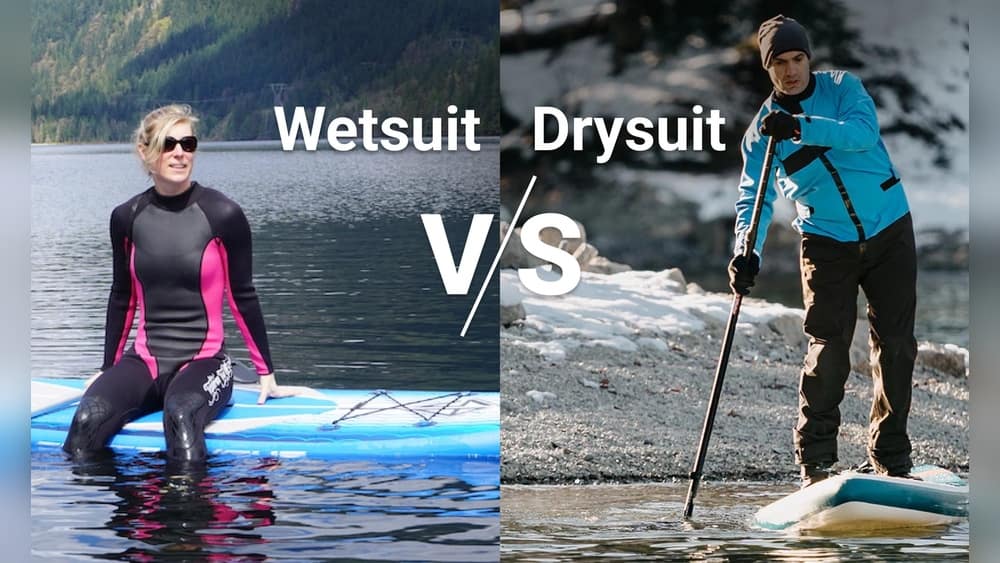
Kayaking is an adventure that brings you close to water, nature, and sometimes, challenging weather. One question many paddlers face is what to wear to stay comfortable and safe. Two main choices are drysuits and wetsuits. While both protect you from cold water, they do so in very different ways. Picking the right suit can make your kayaking experience more enjoyable, and even save your life in extreme conditions.
Many beginners simply look at price or what their friends wear. But the right decision depends on water temperature, air temperature, your skill level, and how long you plan to be on the water. If you paddle in cold rivers or coastal seas, the wrong suit could put you at risk of hypothermia.
If you only kayak on warm lakes, you might not need heavy protection. Understanding the differences between a kayak drysuit and wetsuit is essential for every paddler.
This guide explains everything you need to know—how each suit works, their pros and cons, what to consider for your situation, and mistakes to avoid. Whether you’re a new kayaker or looking to upgrade your gear, you’ll find practical advice to make a confident choice.
Let’s dive in.
What Is A Kayak Drysuit?
A kayak drysuit is a full-body waterproof suit designed to keep you completely dry, even if you end up in the water. Drysuits are made from waterproof, breathable materials like Gore-Tex or nylon with special membranes. They have tight seals at the neck, wrists, and sometimes ankles, which stop water from entering. Many drysuits include attached socks to keep your feet dry and warm.
Drysuits are not insulated by themselves. They keep water out, so you stay dry, but you need to wear thermal layers underneath to stay warm. This system lets you adjust your warmth depending on the air and water temperature.
Key features of drysuits:
- Waterproof and windproof
- Full-body coverage, including arms and legs
- Latex or neoprene gaskets at openings
- Zippers for entry, sometimes relief zippers for bathroom breaks
- No built-in insulation—requires base and mid-layers
Drysuits are popular with kayakers in cold climates, whitewater paddlers, and sea kayakers who may be far from shore. They are more expensive than wetsuits, but offer the highest protection against cold and hypothermia.
What Is A Wetsuit?
A wetsuit is made from neoprene, a stretchy rubber material. Unlike a drysuit, a wetsuit is not waterproof. Instead, it lets a small amount of water inside, which is then trapped and warmed by your body heat. The neoprene acts as insulation, keeping you warm even when wet.
Wetsuits come in different thicknesses, usually measured in millimeters (mm). A thicker wetsuit (like 5mm) provides more warmth, while a thinner one (like 2mm) is for warmer conditions. You can find full suits (covering your arms and legs), shorty suits (short arms and legs), and sleeveless designs.
Key features of wetsuits:
- Made of neoprene
- Traps a thin layer of water for insulation
- Allows some water in, but keeps you warm
- Different thicknesses for different temperatures
- Snug fit for best performance
Wetsuits are widely used for surfing, swimming, and recreational kayaking, especially in warmer waters. They are less expensive than drysuits and easy to put on, but not as effective in very cold conditions.
How Do Drysuits And Wetsuits Work?
Understanding how each suit works helps you see why one is better in some conditions than the other.
How Drysuits Keep You Warm And Dry
A drysuit acts like a waterproof shell. It blocks all water from touching your skin. The suit’s gaskets and waterproof zippers are critical—if they fail, water gets in. Under the drysuit, you wear thermal clothing (like fleece or wool layers), which provides the actual warmth. The suit itself does not keep you warm, but it keeps your insulation dry, which is key to staying comfortable and safe.
Because you’re dry, you can adjust your layers to match the weather. On a cold day, add more base layers. If the sun comes out, wear less. This flexibility is a big reason why drysuits are preferred for cold water kayaking.
How Wetsuits Keep You Warm
A wetsuit works by allowing water inside, then trapping it between your skin and the suit. Your body heats this thin layer of water, and the neoprene slows down heat loss. The suit must fit tightly, or cold water will flush through and steal your warmth.
The thicker the neoprene, the better it insulates.
In very cold water, however, a wetsuit may not be enough. If you’re sitting still (as in a kayak), you lose heat faster than if you’re swimming. Wetsuits are best for active sports or warmer water, not for long exposure in cold conditions.
Comparing Drysuits And Wetsuits
The right suit depends on many factors—water temperature, your activity, budget, and how much comfort you want. Let’s compare the two side-by-side in the most important areas.
| Feature | Drysuit | Wetsuit |
|---|---|---|
| Waterproof | Yes | No |
| Warmth | Adjustable with layers | Depends on neoprene thickness |
| Best for | Cold water, long trips | Warmer water, short trips |
| Mobility | Can feel bulky | Flexible, snug fit |
| Price | High ($500–$1500+) | Low to moderate ($60–$400) |
| Maintenance | Needs gasket care, repairs | Simple rinse and dry |
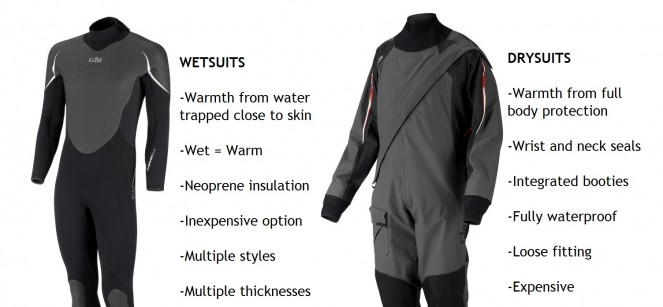
Credit: westcoastsailing.net
Advantages Of A Kayak Drysuit
When you buy a drysuit, you invest in the highest level of protection. Here’s why many serious kayakers choose a drysuit:
- Stay completely dry: Even if you swim or roll, no water touches your skin.
- Custom warmth: You add or remove layers as needed. Perfect for changing weather.
- Safety in cold water: Drysuits are the best choice for water below 15°C (59°F). Hypothermia risk is much lower.
- Comfort for long trips: You stay dry, so you avoid chafing and cold chills, even after hours on the water.
- Wind protection: The suit blocks cold wind as well as water. This matters on open water.
- Versatility: Use the same suit for kayaking, canoeing, or even paddleboarding in cold weather.
Non-obvious insight: Many beginners don’t realize that a drysuit with poor base layers can still leave you cold. The suit is not insulated—what you wear underneath is just as important as the suit itself.
Disadvantages Of A Kayak Drysuit
Drysuits aren’t perfect for everyone. Here are the main downsides:
- High cost: Quality drysuits can cost $700 or more, and repair parts are expensive.
- Maintenance: Gaskets can tear, zippers need lubrication, and repairs can be tricky.
- Bulk: The suit can feel heavy or stiff, especially if you’re not used to it.
- Hot in warm weather: Even with thin layers, you can overheat in mild conditions.
- Difficult repairs: If you damage a gasket or zipper while on a trip, it’s hard to fix.
- Not for swimming: Drysuits are not designed for long swims—they can fill with air and feel awkward.
Non-obvious insight: Latex gaskets can cause allergic reactions in some people. If you have a latex allergy, look for suits with neoprene gaskets.

Credit: www.youtube.com
Advantages Of A Wetsuit
Wetsuits are popular for good reasons, especially in warmer conditions:
- Affordable: Most wetsuits cost between $60 and $300.
- Simple to use: Just put it on and go. No special layers or care needed.
- Flexible: Neoprene stretches, so you keep good freedom of movement.
- Quick drying: Hang it up, and it’s ready for the next day.
- Durable: Small cuts or tears don’t affect performance much.
- Protection: Offers some protection from the sun, scrapes, and jellyfish.
Non-obvious insight: Wetsuits can still keep you warm if they are torn or punctured—a small hole won’t ruin the insulation, unlike a drysuit.
Disadvantages Of A Wetsuit
Wetsuits are not the best choice for every kayaker:
- Not waterproof: You will get wet, every time.
- Limited warmth: Even thick wetsuits don’t work well below 10°C (50°F).
- Hard to put on: Getting a tight wetsuit over dry skin can be a struggle.
- Chafing: Prolonged wear, especially when sitting, can cause skin irritation.
- Uncomfortable when wet: You may feel cold at first, until the water warms up.
- Less wind protection: Wind can cool you fast when you’re wet.
Non-obvious insight: A wetsuit loses most of its insulation if you wear it loosely or let water flush in and out. A snug fit is essential for warmth.
Key Factors To Consider When Choosing
Every kayaker’s needs are different. Before you buy, think about these points:
Water Temperature
- Below 15°C (59°F): Drysuit is the safest choice.
- 15–20°C (59–68°F): Thick wetsuit can work for short trips.
- Above 20°C (68°F): Thin wetsuit or even just swimwear is often enough.
Remember, cold water kills faster than cold air. Always dress for the water, not the weather.
Air Temperature
If you paddle when the air is much warmer than the water, a drysuit can be uncomfortably hot. Look for suits with breathable fabrics or venting zippers.
Activity Level
- Active paddling (surf kayaking, playboating): Wetsuits give better movement.
- Long, slow paddling (touring, fishing): Drysuits are more comfortable for hours.
Trip Duration
The longer you’re on the water, the more important it is to stay warm. For day-long trips or multi-day expeditions, a drysuit offers the best comfort.
Your Experience Level
Beginners often underestimate how cold they’ll get, especially after a capsize. If you’re new, err on the side of more protection.
Budget
A wetsuit is much cheaper, but a drysuit is an investment in safety for cold water kayaking. Some paddlers buy both, using each when conditions demand.
Real-world Examples
Let’s look at some actual kayaking situations:
- Spring whitewater kayaking in the Rockies (water: 7°C/45°F): Here, a drysuit is essential. Even experienced paddlers can get hypothermia in minutes if they swim.
- Coastal sea kayaking in Norway (water: 10°C/50°F, air: 5°C/41°F): A drysuit with thermal layers is the only safe option.
- Summer lake kayaking in California (water: 23°C/73°F): A shorty wetsuit or even just quick-drying shorts is fine.
- Autumn kayaking in the UK (water: 14°C/57°F): A 4mm wetsuit might work for a short trip, but a drysuit is better for long days.
Common Mistakes To Avoid
Many kayakers make the same errors when choosing their suit. Avoid these pitfalls:
- Judging by air temperature: Water can be cold even if the sun is out. Always dress for the worst-case scenario.
- Wearing too few layers under a drysuit: You’ll be dry, but not warm.
- Buying a wetsuit that’s too loose: It will flush cold water and lose insulation.
- Ignoring fit and comfort: Try on different brands and models. A suit that’s uncomfortable on land will be worse after hours on the water.
- Neglecting maintenance: Drysuits need care—rinse after saltwater use, store away from sunlight, check gaskets regularly.
- Not practicing capsize drills: Know how your suit feels and performs in the water before you need it.
Cost Comparison
For many paddlers, price is a deciding factor. Here’s a look at typical costs:
| Type | Entry Level | Mid-Range | High-End |
|---|---|---|---|
| Drysuit | $500 | $900 | $1500+ |
| Wetsuit | $60 | $180 | $400 |
Also, factor in the cost of base layers for drysuits ($40–$150) and possible repairs or gasket replacements over time.
Environmental Impact
While not always considered, the materials in both suits have environmental impacts.
- Drysuits use synthetic fabrics and waterproof membranes. Some brands use recycled materials or eco-friendly coatings.
- Wetsuits are mostly neoprene, which comes from petroleum. A few companies now offer limestone-based neoprene, which is slightly greener.
Proper care and repair can make both types last years, reducing waste.
When To Choose A Drysuit
- Cold water (below 15°C/59°F)
- Long or remote trips where rescue is slow
- Winter or shoulder seasons
- If you chill easily or want maximum safety
- For whitewater, sea kayaking, or expedition trips
When To Choose A Wetsuit
- Warm water (above 15°C/59°F)
- Short or close-to-shore trips
- If you’re on a budget
- For surf kayaking or when you prefer more flexibility
- When you want fast drying and easy repair
Drysuit And Wetsuit Maintenance Tips
Drysuit care:
- Rinse with fresh water after each use
- Dry inside-out, then outside-in
- Store hanging, away from sunlight
- Lubricate zippers regularly
- Check and replace gaskets as needed
Wetsuit care:
- Rinse after every use
- Dry out of direct sun
- Store flat or hanging
- Avoid sharp objects and fingernails
- Use wetsuit cleaner for deep cleaning
Innovations And New Developments
The market is evolving fast:
- Drysuits: Newer models use lighter, more flexible fabrics. Some have “front relief” zippers for easier bathroom breaks. Breathable membranes reduce sweat.
- Wetsuits: Eco-friendly neoprene, better stretch, and seamless designs reduce chafing. Some suits have quick-dry linings.
Check reviews, try before you buy, and stay updated with brands that focus on both performance and comfort.
Safety Considerations
One area often overlooked is safety. A drysuit can literally save your life if you capsize in cold water. But both suits offer more than just warmth:
- Bright colors help others spot you in the water.
- Reflective strips increase visibility in low light.
- Relief zippers (in drysuits) mean you don’t have to undress to use the bathroom.
- Integrated hoods or gloves are available on some drysuits for extreme conditions.
Always pair your suit with a proper personal flotation device (PFD) for maximum safety.

Credit: www.youtube.com
Frequently Asked Questions
What Temperature Is Too Cold For A Wetsuit When Kayaking?
Most experts agree that water below 10°C (50°F) is too cold for a wetsuit, especially if you’ll be in the water for long. Drysuits are safer in these conditions.
Can I Wear Both A Wetsuit And A Drysuit Together?
No, it’s not recommended. Both serve similar purposes but in different ways. Layering them can cause overheating, discomfort, and restrict movement.
How Do I Know If My Drysuit Fits Correctly?
A good drysuit should feel roomy enough for base layers but not baggy. The gaskets must be snug but not painful. Test by bending, twisting, and sitting in a kayak position.
Is Latex Allergy A Problem With Drysuits?
Yes, some drysuits use latex gaskets at the neck and wrists. If you have a latex allergy, look for suits with neoprene gaskets or consult your doctor before buying.
Where Can I Find More Information About Kayaking Safety Clothing?
You can learn more from the American Canoe Association and other trusted organizations. For further reading, visit the Wikipedia Drysuit page.
Kayaking is a sport where your clothing choice can mean the difference between fun and danger. Now you know the real differences between a drysuit and a wetsuit, you can make an informed choice for your next adventure. Always consider the water temperature, your plans, and your comfort.
The right suit is an investment in your safety and enjoyment on the water.