
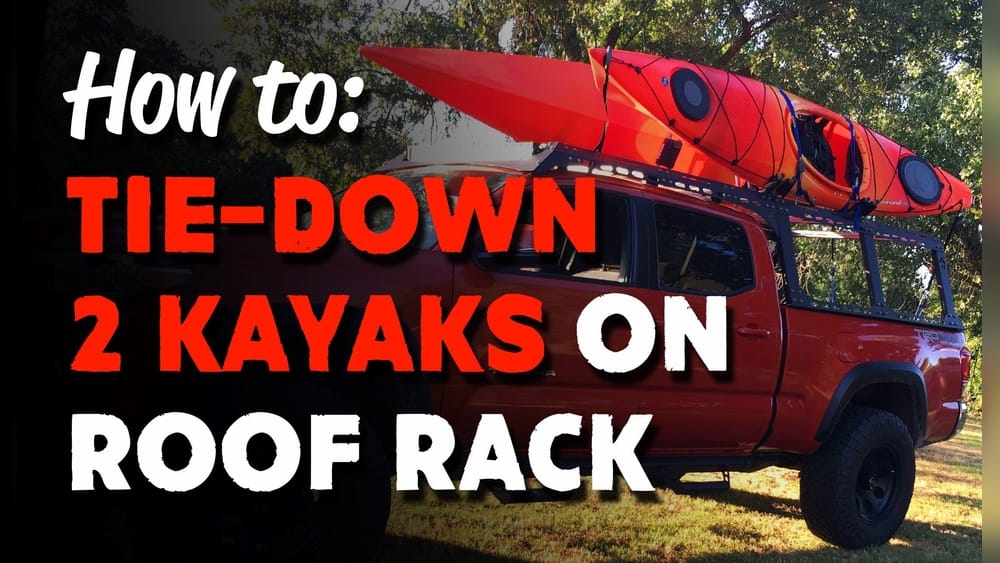
Taking two kayaks for a road trip opens up adventure. But for many people, the real challenge starts before the water: how to tie down 2 kayaks on a roof rack safely and securely. Doing this wrong can lead to damaged boats, a scratched car, or even dangerous accidents on the road. The process looks simple, but there are important details you must get right—especially if you’re transporting two kayaks at once. Let’s break down what you need, how to do it, and the common mistakes to avoid, so your next journey is smooth and stress-free.
Choosing The Right Roof Rack For Two Kayaks
Not every roof rack is made for carrying two kayaks. Before you even lift a boat, check your setup.
Crossbars: Make sure your vehicle has strong crossbars. Most factory racks support about 75–165 lbs, but two kayaks can weigh 80–150 lbs together. Always check the car and rack manual for maximum weight.
Kayak Racks: There are three main types for two-kayak transport:
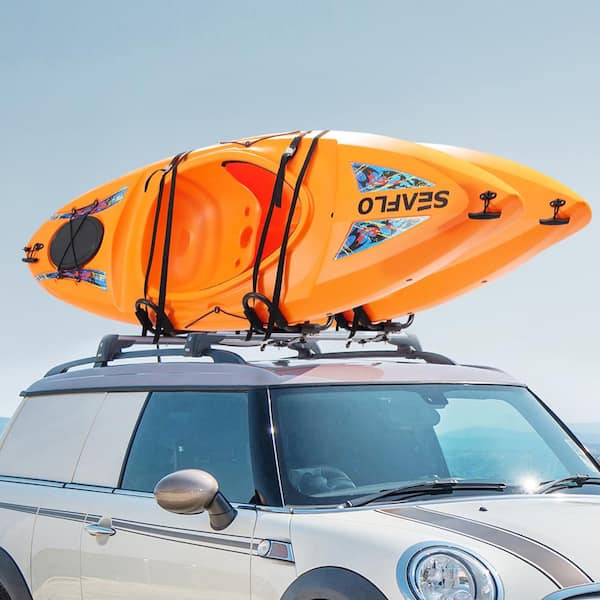
- J-cradles: Hold kayaks on their sides, saving space. Great for most cars and keeps kayaks stable.
- Stackers: Upright bars that let you stand kayaks on their edge. Good for four small boats, but two large ones fit fine.
- Saddles: The kayak sits flat. Best for one kayak, but can handle two if you have wide bars.
Rack Width: Measure your crossbars. Two standard kayaks are each 24–30 inches wide. Make sure there’s room for both plus a few inches between them.
Comparison Of Common Rack Types
| Rack Type | Max Kayaks | Space Efficiency | Best For |
|---|---|---|---|
| J-cradle | 2 | High | Most vehicles |
| Stacker | 4 (2 for wider boats) | Very High | Multiple small kayaks |
| Saddle | 2 (with wide bars) | Medium | Single or tandem kayak |
Insider Tip: Some beginners forget to check the car’s roof weight limit. Overloading can damage your roof or even affect how your car handles!
Essential Gear You’ll Need
Before you start loading, gather the right equipment:
- 2 cam buckle straps (10–15 feet each): These are easier and safer than ratchet straps.
- Bow and stern lines: For both kayaks, to secure the ends to the car bumpers/tow points.
- Foam blocks/pads: Protects both kayak and car roof from scratches.
- Stacker or J-cradle rack system: If you don’t have one, foam blocks can work in a pinch for short trips.
- Soft loops or hood/trunk tie-downs: For vehicles without obvious tie-down points.
Pro Note: Avoid using bungee cords or rope without cam buckles. They stretch or slip—your kayaks might fly off.
How To Lift Two Kayaks Onto The Roof Rack
Lifting kayaks is often the hardest part, especially for one person. Here’s the safe way:
- Get help: Kayaks are awkward and can damage your car if dropped. Always lift with a partner.
- Lift one at a time: Start with the heavier or wider kayak.
- Use correct technique: Bend your knees, keep your back straight, and lift with your legs.
- Place on the rack: Set each kayak in its rack or on the foam pads, keeping them parallel and a few inches apart.
If you’re alone, try these:
- Use a towel or kayak roller on the back of the car to slide the kayak up.
- Lift one end onto the rack, then pivot the rest up.
Non-obvious insight: Always check for roof antennas, sunroofs, or roof boxes before loading—these can get in the way or be damaged.
Positioning Two Kayaks For Maximum Stability
Correct positioning is key for safety and fuel efficiency.
- Place kayaks on their side (using J-cradles or stackers) for best space use.
- Keep the heavier kayak closer to the driver’s side for balance.
- Leave 2–3 inches between the kayaks to avoid rubbing.
- Make sure kayaks are centered between the front and rear crossbars.
Example Of Kayak Positioning
| Kayak | Position | Reason |
|---|---|---|
| Heavier kayak | Driver’s side | Balances weight for safer driving |
| Lighter kayak | Passenger’s side | Prevents tipping |
Extra Tip: If you have different kayak shapes (like a sit-on-top and a touring kayak), place the more stable one closer to the center of the car.
Step-by-step: How To Tie Down Two Kayaks On A Roof Rack
Getting the tie-down process right is what keeps your kayaks safe at highway speeds. Here’s how to do it:
1. Strap The First Kayak
- Loop a cam strap over the front crossbar, with one end on each side of the first kayak.
- Bring both ends up and over the kayak, then under the crossbar on the other side.
- Insert the strap into the cam buckle and tighten until snug. The kayak should not shift but don’t overtighten—this can damage the hull.
2. Strap The Second Kayak
- Repeat the process for the second kayak, making sure the straps don’t overlap with the first kayak’s straps.
- Double-check that each kayak has its own set of straps and is secured independently.
3. Secure The Bow And Stern
- Attach a rope or strap from the kayak’s front (bow) handle to a secure point under the front bumper. Repeat for the stern to the rear bumper.
- Use soft loops or hood/trunk tie-downs to avoid scratching paint.
- Tighten the lines so they’re snug but not bending the kayak.
4. Final Checks
- Shake each kayak side to side—there should be almost no movement.
- Check that the buckles rest flat and are not pressing into the kayak’s hull.
- Tie off loose strap ends so they don’t flap or whip in the wind.
Key advice: After driving a few miles, stop and retighten all straps. Straps can loosen as the kayaks settle.
Common Mistakes And How To Avoid Them
Many accidents happen because of small errors. Here’s what to watch for:
- Using ratchet straps: These can crush kayak hulls if overtightened.
- Forgetting bow/stern lines: Even if the kayaks feel secure, wind can lift and shift them.
- Loose straps: If you hear a humming or flapping, stop and check.
- Overlapping straps: Each kayak must have its own independent set.
- Not checking after 10–15 minutes of driving: Vibrations can loosen even tight straps.
Insider insight: Some new paddlers think foam blocks alone are enough for long distances. They’re fine for short trips, but always use proper racks and straps for highways.
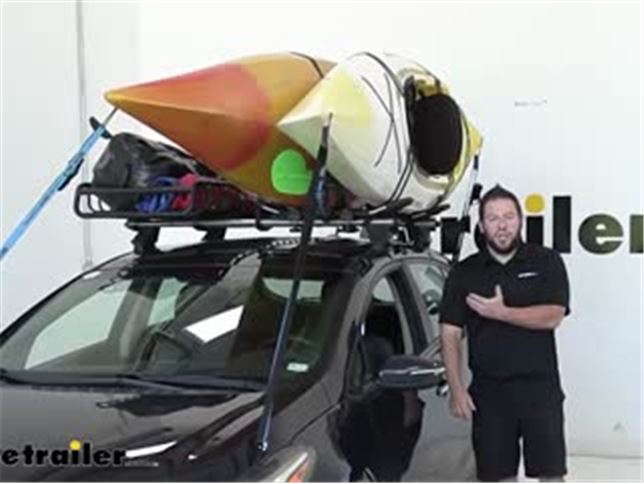
Credit: everestkitchennc.com
Weather, Speed, And Other Road Considerations
Carrying two kayaks changes how your car handles, especially at high speeds or in windy weather.
- Watch your speed: Stay under 65 mph if possible.
- Check height: Your car may now be over 8 feet tall—watch for low bridges and drive-thrus.
- Wind noise: Extra straps and kayaks can create whistling sounds. Twisting the straps can reduce this.
- Rain: Water can make straps slippery. Check tightness more often in wet conditions.
Real-world example: According to a study by the Outdoor Industry Association, up to 30% of reported kayak transport accidents happen due to wind or speed-related issues on highways.
Storing Straps And Gear After Use
Once you arrive and unload, don’t just toss your gear in the trunk.
- Coil straps neatly and store in a dry bag to prevent mildew.
- Check for frays or cuts—replace damaged straps before your next trip.
- Wipe down foam pads and racks to remove road grime and salt.
Pro tip: Mark your straps and gear with your name using a waterproof marker. It’s easy to mix up gear at busy launch sites.

Credit: pbclegal.it
Safety Precautions And Legal Considerations
Carrying kayaks is safe if done right, but there are laws you need to follow.
- Overhang laws: In most states, any load over 3–4 feet past your bumper must be flagged with a red cloth.
- License plate visibility: Don’t block your plate or lights with kayaks.
- Check local regulations: Some areas require special permits for wide loads.
Important: If a kayak falls off and causes an accident, you can be held responsible—even face fines. Always double-check your setup.
For more details, visit the National Park Service site on kayak transportation safety.
Frequently Asked Questions
How Tight Should The Straps Be?
Straps should be tight enough that the kayaks don’t move when you shake them. But don’t overtighten—this can warp or dent the kayak hull, especially for plastic boats.
Can I Use Ratchet Straps For Tying Down Kayaks?
It’s best to avoid ratchet straps. They can easily crush a kayak’s hull if overtightened. Cam buckle straps are safer and easier to control.
Do I Need To Use Bow And Stern Lines For Short Trips?
Yes, even for short trips. Bow and stern lines prevent the kayaks from shifting or lifting in the wind. Skipping them is one of the most common mistakes.
What If My Car Doesn’t Have Tie-down Points?
Use hood/trunk tie-down loops. These soft straps close under the hood or trunk and provide strong, scratch-free anchor points for your bow and stern lines.
Can I Transport Kayaks Without A Roof Rack?
For very short, low-speed trips, you can use foam blocks and straps. But for highways or long distances, always use a proper roof rack for safety.
Securing two kayaks to a roof rack is a skill every paddler can master. With the right gear, careful technique, and a little extra time for checks, you’ll travel safely and arrive ready for adventure—no matter where the water calls you next.
Credit: www.homedepot.com