
Choosing between a 12 ft kayak and a 10 ft kayak can feel confusing. At first, the difference seems small—just two feet. But those two feet affect handling, speed, storage, comfort, and even your safety on the water. Whether you’re new to kayaking or looking to upgrade, understanding these differences is key to making the right choice. This article will break down the 12 most important differences between 12 ft and 10 ft kayaks, using real-world examples, data, and clear explanations. By the end, you’ll know exactly which kayak size fits your needs, paddling style, and adventure goals.
1. Maneuverability
Maneuverability means how easily you can turn and control the kayak, especially in tight spaces or winding rivers. 10 ft kayaks are more agile because of their shorter length. They can spin, turn, and change direction quickly. This makes them ideal for small lakes, narrow creeks, and rivers with lots of twists.
On the other hand, a 12 ft kayak is a bit harder to turn, especially for beginners. The extra length means you need more space to pivot. If you mostly paddle in places with sharp bends or obstacles, the 10 ft kayak gives you more control. However, the 12 ft kayak’s tracking (ability to go straight) is usually better, which we’ll cover later.
Many beginners don’t realize that shorter kayaks are not only easier to turn, but also more forgiving if you make a mistake. For fishing in tight spots or exploring small waterways, the 10 ft option shines.
2. Speed And Tracking
Speed and tracking are closely linked to kayak length. Longer kayaks—like the 12 ft models—move faster and hold a straight line better. This is because a longer hull reduces drag and helps keep the kayak moving forward efficiently.
A 12 ft kayak is usually 10–20% faster than a 10 ft kayak, especially on open water. If you plan to paddle across large lakes, cover long distances, or keep up with a group, the speed advantage matters. Tracking also improves with length: the kayak stays on course, even in wind or currents.
A 10 ft kayak may zigzag more and require extra corrections. This can be tiring over a long trip. However, for short paddles or casual fun, this is less of a problem.
Non-obvious insight: Some people think a faster kayak is always better. But on small ponds or winding rivers, extra speed is less useful than agility. Match the kayak’s speed to your typical paddling environment.

Credit: www.youtube.com
3. Stability
Stability is critical for safety and comfort, especially for beginners or those who like to fish. Both 10 ft and 12 ft kayaks can be stable, but there are subtle differences.
Shorter, wider kayaks (often 10 ft) provide more primary stability. This means they feel steady when you first get in and paddle on flat water. That’s why many recreational kayaks are short and wide—they’re less “tippy.”
12 ft kayaks, however, can offer more secondary stability, which is how stable the kayak feels when leaned or when water is rough. They are often narrower but longer, so they slice through waves and choppy water with less rocking.
If you’re a beginner, or you plan to stand up while fishing, a wide 10 ft kayak feels safer. But for ocean paddling or big lakes where waves are common, the 12 ft kayak’s stability when moving is a plus.
4. Weight Capacity
Every kayak has a weight limit. This is the maximum load it can safely carry, including your body, gear, and any extras. 12 ft kayaks almost always have a higher weight capacity, often handling 100–200 pounds more than 10 ft kayaks.
For example, a typical 10 ft recreational kayak has a weight limit of around 250–300 lbs. A 12 ft kayak often supports 350–400 lbs or more. This extra capacity is important if you:
- Weigh over 200 lbs
- Bring heavy gear (camping, fishing, or photography equipment)
- Plan long trips with supplies
Overloading a kayak makes it unstable and harder to paddle. Always check the manufacturer’s specifications. Remember: stay at least 10–15% under the max weight for safety.
Unexpected tip: If you’re close to the kayak’s weight limit, the kayak will sit lower in the water, making it slower and more likely to tip. Choose a kayak with more capacity than you think you need.
5. Storage Space
Storage space inside a kayak matters more than most beginners realize. Longer kayaks like the 12 ft models have more room for gear—both inside the hull and on deck. You can store camping equipment, fishing rods, coolers, and even overnight bags.
10 ft kayaks, being shorter, have less storage. You’ll usually find just one small hatch and limited deck space. For short trips, this is fine. But if you want to take multi-day adventures or bring lots of gear, the 12 ft kayak is the clear winner.
Some 12 ft kayaks include two or more dry hatches and extra bungee cords for tying down equipment. This is important for kayak touring or fishing.
6. Portability And Transport
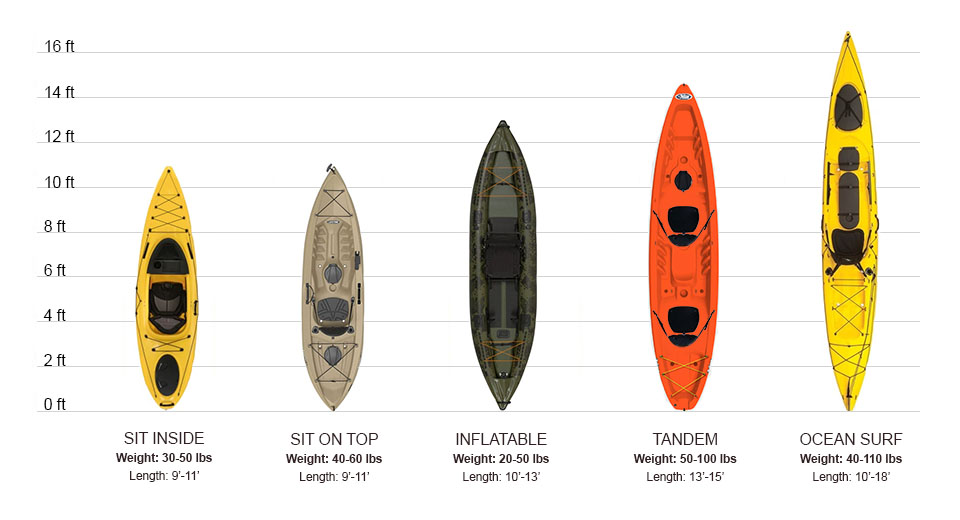
A kayak’s portability affects how easy it is to move, lift, and transport. Here, the 10 ft kayak has a real advantage. Most 10 ft models weigh between 40–50 lbs. That’s light enough for one person to carry, lift onto a car roof, or store in a garage or apartment.
A 12 ft kayak often weighs 55–70 lbs, sometimes more. It may be too heavy for some people to carry alone, especially after a long day paddling. The extra length also makes it harder to fit in smaller vehicles or tight storage spaces.
If you need to transport your kayak regularly, or you live in a small space, the 10 ft kayak is far more convenient.
Real-life example: Many solo paddlers choose 10 ft kayaks simply because they can load and unload them without help. Don’t underestimate how much effort it takes to move a heavy, long kayak—especially if you paddle often.
Credit: norrik.com
7. Comfort And Legroom
Comfort matters, especially for longer trips. Here, the 12 ft kayak stands out. The extra length gives you more legroom and space to stretch out. Taller paddlers (over 6 feet) often find 10 ft kayaks cramped, leading to sore knees and back after an hour or two.
12 ft kayaks usually have larger cockpits and adjustable footrests. This makes it easier to find a comfortable position. Many also have better seats, more padding, and larger seating areas.
If you’re tall, have long legs, or simply want to paddle for several hours, the 12 ft kayak’s extra space can make a big difference. For children or smaller adults, a 10 ft kayak may be perfectly comfortable.
8. Price And Value
Cost is always a factor. Generally, 10 ft kayaks are cheaper than 12 ft models. The difference can range from $100 to $400, depending on brand, features, and materials.
Here’s a quick comparison:
| Kayak Size | Average Price Range (USD) | Typical Features |
|---|---|---|
| 10 ft | $250–$600 | Basic seat, 1 hatch, simple design |
| 12 ft | $450–$900 | Better seat, more storage, extra features |
While the 12 ft kayak costs more, it often comes with better quality, comfort, and storage. If you plan to paddle often or take longer trips, the extra investment is usually worth it. For occasional use or tight budgets, a 10 ft kayak is a smart choice.
Non-obvious insight: Some people buy a cheap, short kayak and upgrade a year later. If you think you’ll get serious about kayaking, consider investing in a better, longer kayak from the start.
9. Performance In Different Water Conditions
The type of water you paddle on should influence your choice. 10 ft kayaks are best for:
- Small lakes
- Calm rivers
- Ponds
- Tight or shallow creeks
Their size and agility suit places with obstacles, overhanging trees, or frequent stops.
12 ft kayaks perform better on:
- Open lakes
- Coastal waters
- Large rivers
- Choppy or windy conditions
The longer hull handles waves and wind more smoothly. You’ll feel less “push” from side winds, and the kayak will glide better over distance.
If you want a “do everything” kayak, consider where you’ll paddle most often. For mixed conditions, some 12 ft kayaks are designed as all-rounders, but nothing beats a short kayak for tight spaces.
10. Skill Level And Learning Curve
A kayak’s size affects how easy it is to learn. 10 ft kayaks are very beginner-friendly. Their wider, shorter shape feels stable and is easy to control. New paddlers can learn basic strokes, turn quickly, and recover from small errors without worry.
12 ft kayaks, while not hard to use, may require more skill to turn and control, especially for lighter or smaller paddlers. Their improved tracking means they resist turning, which is great for straight lines but can frustrate beginners in tight spots.
If you’re just starting out, a 10 ft kayak reduces the learning curve. You’ll build confidence faster and have more fun from the start.
Practical tip: Don’t buy a longer kayak just because you think you’ll “grow into it.” Start with what feels safe and easy to handle for your size and strength.
11. Storage And Maintenance At Home
Where you keep your kayak matters, especially if you have limited space. A 10 ft kayak fits in most garages, sheds, or even indoors if you have a large room. Many people store 10 ft kayaks upright in a closet or against a wall.
A 12 ft kayak is harder to store. You need a bigger garage, outdoor rack, or dedicated storage area. If you live in an apartment or have no yard, this can be a real problem.
Maintenance is similar for both sizes: rinse with fresh water after use, check for cracks, and store away from sunlight. But a longer kayak is harder to move for cleaning or repairs.
Unexpected insight: Some homeowners buy a 12 ft kayak, then realize they have nowhere to put it—leading to outdoor storage, which can damage the kayak over time.
12. Popular Uses And Best Fit
Each kayak size has its own “sweet spot”—the type of paddler and activity it fits best.
10 ft kayaks are ideal for:
- Beginners
- Children or teenagers
- Recreational paddling (short trips)
- Fishing in ponds or small lakes
- People with limited storage or transport options
12 ft kayaks excel for:
- Intermediate/advanced paddlers
- Touring and long-distance trips
- Fishing with lots of gear
- Ocean or large lake paddling
- Tall or larger adults needing more space
Here’s a summary table to help you match kayak size to your needs:
| Kayak Size | Best For | Less Ideal For |
|---|---|---|
| 10 ft | Short trips, beginners, easy transport | Tall paddlers, long-distance, rough water |
| 12 ft | Long trips, gear-heavy activities, big water | Small cars, tight storage, children |
Credit: www.youtube.com
Frequently Asked Questions
What Is The Main Difference Between A 12 Ft And 10 Ft Kayak?
The main difference is size, which affects speed, storage, handling, and weight capacity. A 12 ft kayak is faster, holds more gear, and tracks better, but is harder to turn and transport. A 10 ft kayak is easier to handle and carry but has less room and is slower on open water.
Is A 12 Ft Kayak Too Big For Beginners?
Not always, but it can be harder for beginners to control, especially in tight spaces. If you’re new or not confident, a 10 ft kayak is usually easier to learn on. However, tall or heavy adults may find a 12 ft kayak more comfortable, even as beginners.
Can I Use A 10 Ft Kayak For Long Trips?
You can, but it’s less ideal. A 10 ft kayak has limited storage and is slower over distance. For day trips or casual paddling, it works well. For multi-day adventures or carrying lots of gear, a 12 ft kayak is better suited.
How Do I Transport A 12 Ft Kayak?
A 12 ft kayak usually requires a roof rack or trailer. It may be heavy for one person to lift. Make sure your car and storage area can handle the extra length. If solo transport is important, test-lift the kayak before buying.
Which Size Is Better For Fishing?
If you fish in small lakes or ponds and don’t carry much gear, a 10 ft kayak is enough. For bigger water, ocean fishing, or carrying multiple rods and coolers, the 12 ft kayak’s stability, speed, and storage are better.
Anglers who stand up while fishing often prefer a stable, wide 12 ft model.
—
Choosing between a 12 ft kayak and a 10 ft kayak isn’t just about numbers. It’s about matching the kayak to your skills, body size, favorite places to paddle, and how you want to use it. Both sizes have clear strengths and weaknesses. Think about where you’ll paddle most, how much gear you carry, and what feels comfortable for your body and lifestyle. If you’re unsure, try paddling both sizes at a local shop or rental before buying. For more technical information on kayak design and performance, visit this Wikipedia page.
No matter which size you choose, the right kayak will open up new adventures and help you enjoy the water safely and comfortably. Happy paddling!