
Kayaking can be a peaceful paddle on a calm lake, a thrilling ride down a whitewater river, or a fishing trip on the open sea. But for many—especially beginners—the big question is: what is the most stable kayak? Stability means safety, comfort, and confidence on the water. If you’re new to kayaking, have a family, or just want to avoid tipping over, this question matters a lot.
Let’s explore what makes a kayak stable, which types offer the most stability, and how design, materials, and your own choices affect your experience. Whether you’re shopping for your first kayak or want to upgrade, this guide will help you understand stability in real detail.
What Does Kayak Stability Mean?
Kayak stability isn’t just about not falling in. It’s the kayak’s ability to stay upright and resist tipping, both when you sit still (primary stability) and when you move or lean (secondary stability).
Primary Vs. Secondary Stability
- Primary stability is how steady the kayak feels when flat on the water. Wide, flat-bottomed kayaks usually have high primary stability.
- Secondary stability is how well the kayak resists tipping when tilted. Kayaks with rounded or V-shaped hulls might feel less steady at first but handle waves better.
Many beginners focus on primary stability. They want a kayak that feels solid when they get in and out or paddle gently. Experienced paddlers sometimes prefer more secondary stability, which helps in rougher water or when making sharp turns.
Why Is Stability Important?
Stable kayaks help you:
- Feel safer and more confident
- Enter and exit without worry
- Stand up for fishing or photography (in some models)
- Paddle with kids or pets
- Carry gear for camping or long trips
But high stability often means some trade-offs. The most stable kayaks are usually slower and harder to maneuver. If speed or tight turns are your priority, you might want a different design.

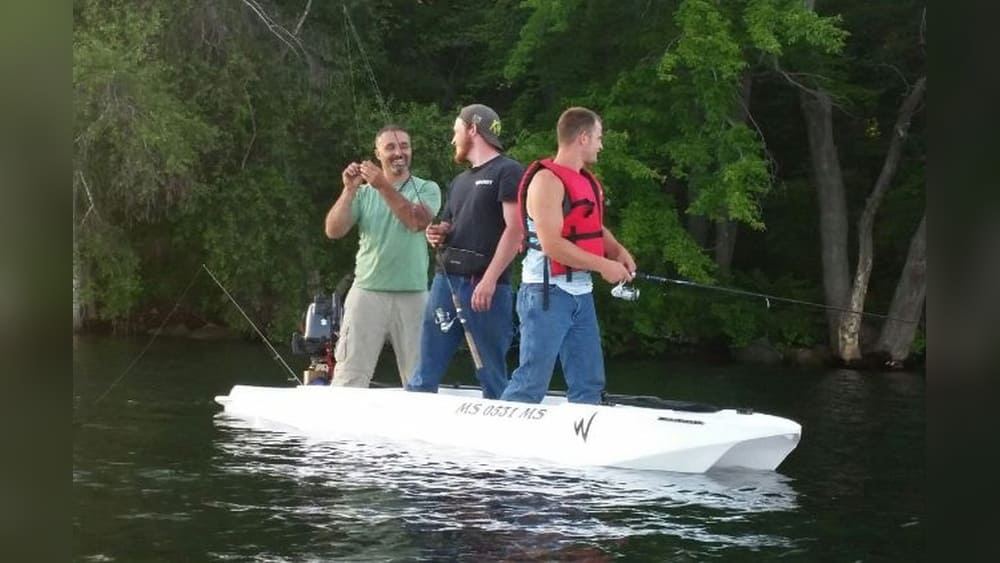
Credit: wavewalk.com
Factors That Affect Kayak Stability
Several key features influence how stable a kayak feels. Understanding these helps you choose the right one for your needs.
1. Hull Shape
- Flat hulls: Maximum primary stability. Great for beginners, lakes, and calm rivers.
- Rounded hulls: Less primary, but better secondary stability.
- V-shaped hulls: Good for cutting through waves, but can feel tippy at rest.
- Pontoon hulls: Like two small hulls side by side. Excellent stability, especially for fishing or standing.
2. Width
Wider kayaks are almost always more stable. Most stable recreational kayaks are 30 inches wide or more. Narrower ones are faster but less steady.
3. Length
Long kayaks track (go straight) better and are faster, but width is more important for stability. Many stable kayaks are shorter but wide.
4. Weight Capacity
If you’re close to the kayak’s max weight, it will feel less stable. Always check the weight rating—it should be at least 50-100 pounds more than your body weight plus gear.
5. Material
Heavier materials (like rotomolded plastic) can lower the center of gravity and increase stability. Inflatable kayaks can be stable, but not always as much as hard-shell models.
Types Of Kayaks And Their Stability
Let’s look at the main kayak types and how stable they are, with common uses and examples.
| Kayak Type | Stability Level | Best For |
|---|---|---|
| Sit-on-top | Very High | Fishing, beginners, warm water |
| Recreational | High | Lakes, calm rivers |
| Tandem | High | Families, two paddlers |
| Inflatable | Medium-High | Portability, travel |
| Touring/Sea | Medium | Open water, speed |
| Whitewater | Low | Rivers, rapids |
Sit-on-top and recreational kayaks are usually the most stable, especially for beginners.
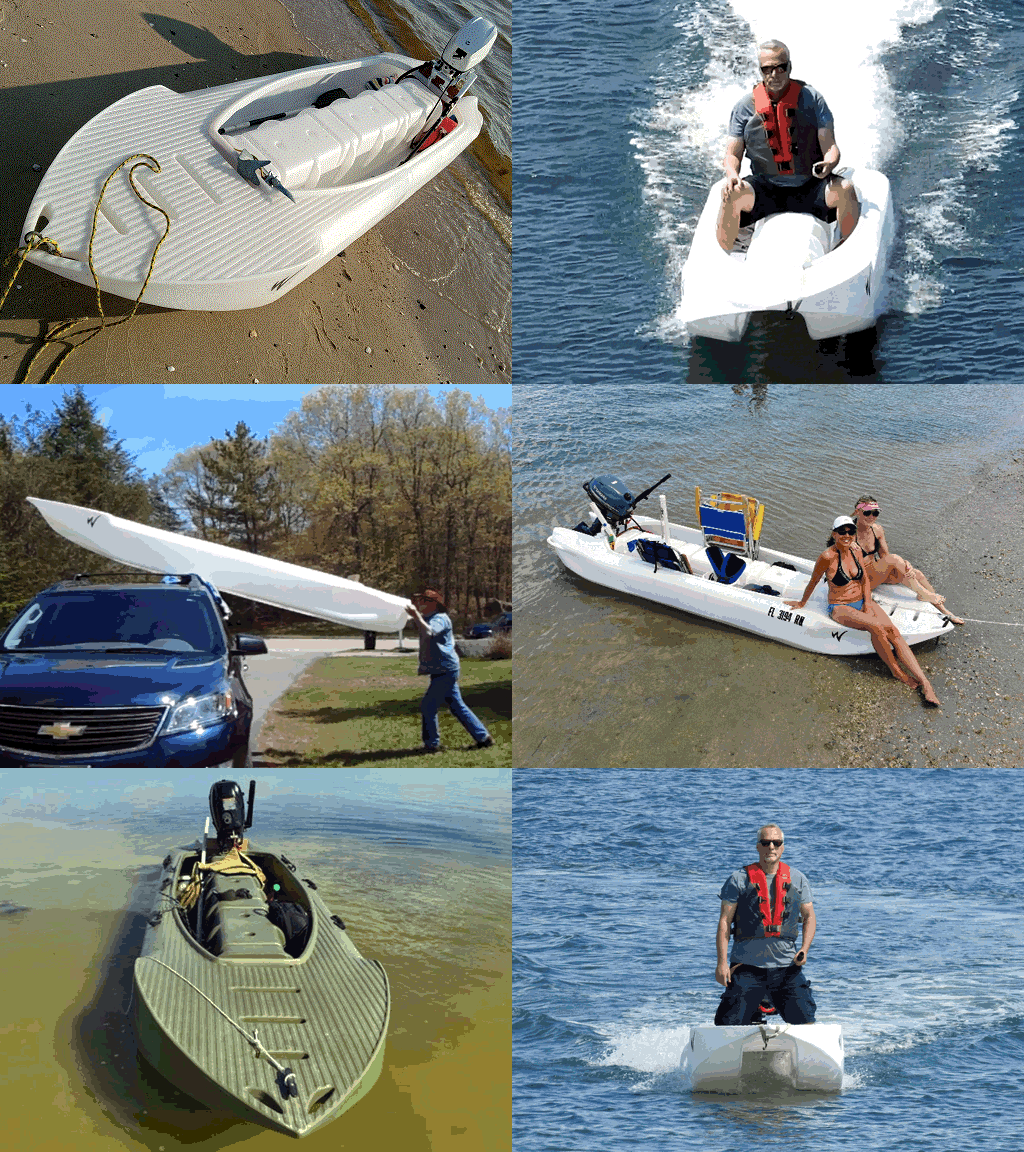
Credit: wavewalk.com
The Most Stable Kayak Designs
If you want the absolute most stable kayak, here are the top options and why they work so well.
1. Sit-on-top Kayaks
These are the leaders in stability. Their wide, open design and flat or pontoon hulls keep you steady. You can climb in and out easily, and if you fall, you just climb back on—no cockpit to fill with water.
Popular for fishing, family use, or beginners, examples include:
- Perception Pescador Pro 12: Wide hull, easy for standing and fishing.
- Ocean Kayak Malibu Two: Great for two people or solo, very hard to tip.
2. Fishing Kayaks
Fishing kayaks are built wide and sometimes let you stand up. Many use a pontoon hull for maximum stability.
- Hobie Mirage Pro Angler 14: Very wide (38 inches), stable enough for standing and casting.
- Old Town Sportsman 120: Flat, stable platform, popular with anglers.
3. Inflatable Kayaks
Surprisingly, many inflatables are highly stable because they’re wide and float on air chambers. Not all are equal—look for those with drop-stitch floors for a firm, flat bottom.
- Sea Eagle 370 Pro: Large, wide, and beginner-friendly.
- Advanced Elements AdvancedFrame: Combines inflatable sides with a rigid floor.
4. Recreational Kayaks
Short, wide recreational kayaks are made for lakes and easy rivers. They’re stable, forgiving, and great for relaxed paddling.
- Perception Joyride 10: Stable, comfortable, good for kids or new paddlers.
- Wilderness Systems Pungo 120: Very popular, stable for its size.
5. Tandem Kayaks
Tandem (two-person) kayaks are longer and wider to hold more weight. Most are quite stable, especially sit-on-top versions.
- Ocean Kayak Malibu Two XL: One of the most stable tandems on the market.
- Intex Explorer K2: Affordable, inflatable, and stable for two.
Comparing Top Stable Kayak Models
Here’s a side-by-side look at some of the most stable kayaks available now.
| Model | Width (inches) | Type | Notable Feature |
|---|---|---|---|
| Hobie Mirage Pro Angler 14 | 38 | Fishing Sit-on-top | Pedal drive, stand-up |
| Perception Pescador Pro 12 | 32.5 | Sit-on-top | Wide hull |
| Sea Eagle 370 Pro | 34 | Inflatable | Drop-stitch floor |
| Old Town Sportsman 120 | 33.5 | Fishing Sit-on-top | Flat deck |
| Ocean Kayak Malibu Two XL | 34 | Tandem Sit-on-top | Family use |
Which Kayak Is Most Stable Overall?
While several models are top choices, the Hobie Mirage Pro Angler 14 is often called the most stable kayak you can buy. Its 38-inch width, flat pontoon hull, and heavy-duty design let most people stand and fish with no wobble. The pedal system keeps your hands free and your balance steady.
However, it’s heavy (over 120 pounds) and expensive—so it’s not for everyone.
For most people, a stable sit-on-top or fishing kayak between 32 and 36 inches wide is the sweet spot. These are much harder to tip than touring or whitewater kayaks.
Common Mistakes When Choosing A Stable Kayak
- Choosing too narrow a kayak: Even a few inches of width make a big difference. Don’t pick a 26-inch kayak if you want stability.
- Ignoring weight capacity: Overloading your kayak reduces stability. Always pick a model with extra capacity for you and your gear.
- Overlooking hull shape: Flat or pontoon hulls are best for stability. Avoid V-shaped or rounded hulls if you are nervous about tipping.
- Not trying before buying: If possible, test a few kayaks on the water. What feels stable to one person might feel tippy to another, especially if you’re tall or heavy.
- Focusing only on price: The cheapest kayaks are often less stable, especially inflatable ones. Buy from a trusted brand.
Non-obvious Insights Beginners Often Miss
- Seat height changes everything. The higher you sit above the water, the less stable you’ll feel. Many fishing kayaks have adjustable seats, but the lowest setting is always the most stable.
- Gear placement matters. If you load all your equipment on one side or store heavy things high up, your kayak will tip more easily. Always keep heavy gear low and centered.
Tips For Maximizing Your Kayak’s Stability
- Keep your weight low: Sit or kneel if you feel wobbly. Avoid standing unless the kayak is designed for it.
- Spread your feet: If standing, keep your feet apart for better balance.
- Paddle smoothly: Sudden movements can make any kayak feel tippy.
- Practice re-entering: Learn how to climb back onto your kayak from the water in a safe place.
- Use a paddle leash: It keeps your paddle close if you tip, so you don’t lose it.
Who Should Choose The Most Stable Kayak?
Stable kayaks are best for:
- Beginners who want to avoid capsizing
- Anglers who want to stand and fish
- Families with kids or pets
- Older paddlers or those with balance issues
- People who value comfort over speed
If you plan to paddle in rough sea conditions or want to cover long distances quickly, a less stable, narrower kayak may be better. But for most casual users, especially on lakes or slow rivers, stability brings peace of mind.
Extra Resources
If you want to dive deeper into kayak design and stability science, check out Wikipedia’s kayak page for more technical details.
Credit: in4adventure.com
Frequently Asked Questions
What Is The Most Stable Kayak For Fishing?
The Hobie Mirage Pro Angler 14 is widely considered the most stable fishing kayak. Its wide hull and pontoon design let you stand and move around safely. Other top choices include the Old Town Sportsman 120 and the Perception Pescador Pro 12.
Are Inflatable Kayaks As Stable As Hard-shell Kayaks?
High-quality inflatable kayaks can be very stable due to their wide, flat shape. They’re great for beginners and easy to transport. However, most hard-shell kayaks—especially fishing and sit-on-top models—are even more stable, especially in rough water.
What Makes A Kayak Less Stable?
A narrow hull, high seat, or overloaded kayak will feel less stable. V-shaped or rounded hulls are also less steady at rest. Always check the width and weight rating before buying.
Can You Stand Up In A Stable Kayak?
Yes, some of the most stable fishing kayaks are designed for standing. Look for models with a flat or pontoon hull and a wide deck. Always practice in shallow water first to get used to balancing.
How Do I Make My Kayak More Stable?
Lower your seat if possible, keep heavy gear low and centered, and use a wider kayak. Paddle gently and avoid sudden movements. If you’re still nervous, consider adding outriggers for extra stability.
Choosing the most stable kayak is about understanding your needs, environment, and comfort. With the right design, you can paddle with confidence and enjoy your time on the water—no tipping required.