
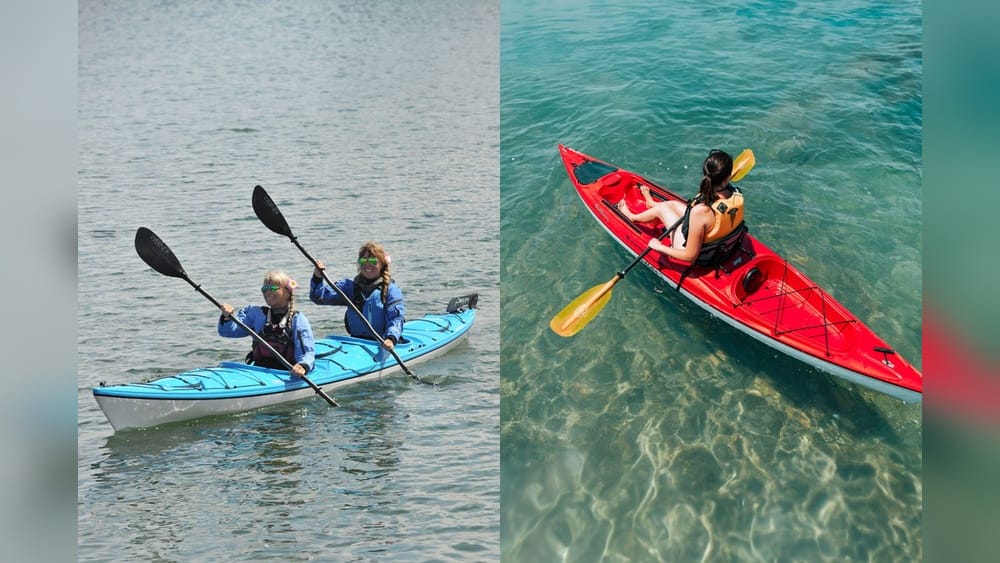
Kayaking is a popular water sport, but if you’re new to it, choosing the right kayak can feel overwhelming. The first big decision is often between an open kayak (also called a sit-on-top) and a closed kayak (often called a sit-inside). Each style offers a different experience on the water, with unique advantages and drawbacks. Understanding these differences is key to enjoying your time on the lake, river, or sea—whether you want a relaxing paddle, thrilling adventures, or even fishing.
Many beginners simply pick the kayak that looks best or feels most stable at the store. But this can lead to frustration, discomfort, or even safety issues once you’re actually paddling. This guide will walk you through every aspect of open vs closed kayaks: how they work, when each is best, how they handle water, comfort, safety, storage, and maintenance. By the end, you’ll know which kayak style suits your needs, and you’ll avoid common mistakes that many first-timers make.
What Is An Open Kayak?
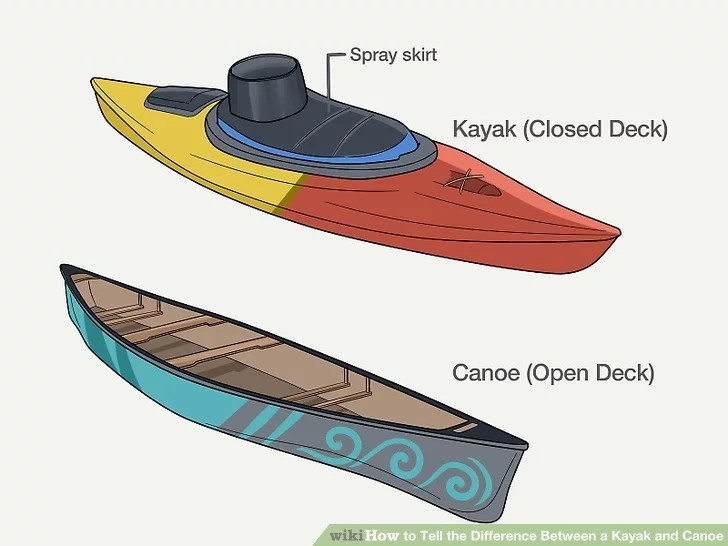
An open kayak is also called a sit-on-top kayak. The design is simple: you sit on top of the kayak, not inside it. There’s no enclosed cockpit. Your legs and feet are exposed to the air. These kayaks are usually made of hard plastic, with molded seats and footrests.
Open kayaks are popular for:
- Recreational paddling: On calm lakes, slow rivers, or at the beach
- Fishing: They have space for gear and are easy to get on/off
- Hot climates: You stay cool because you’re exposed to air and water
One advantage is that if you tip over, you can climb back on easily. Water drains out through small holes called scupper holes, so you don’t need to worry about bailing water out.
However, you are more exposed to wind, sun, and splashing water. You’ll probably get wet.
What Is A Closed Kayak?
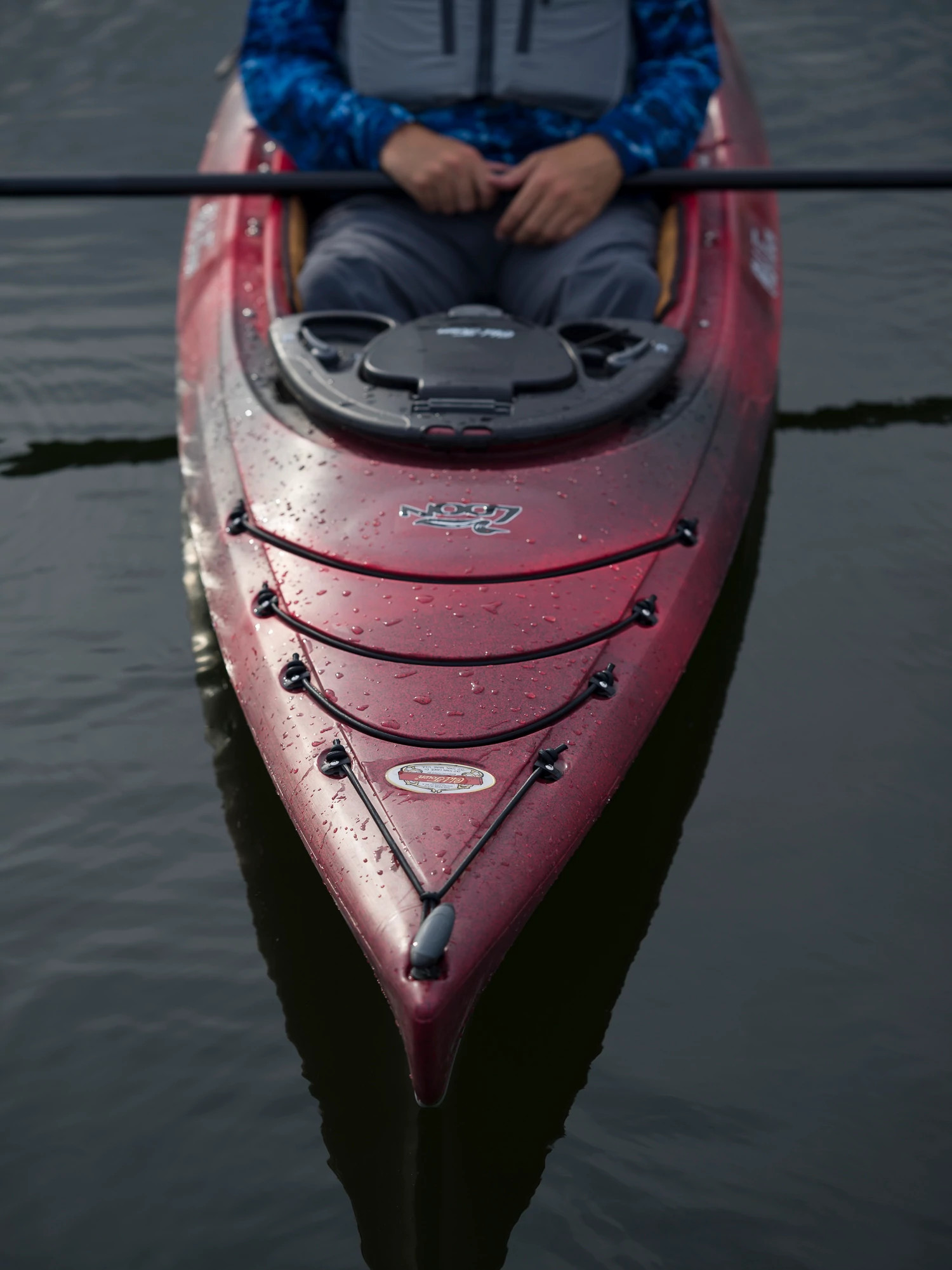
A closed kayak is often called a sit-inside kayak. Here, you sit inside a hollow cockpit. Your legs go under the deck, protected from the wind and water. The cockpit can be covered with a spray skirt—a waterproof cover that seals the opening and keeps water out.
Closed kayaks are popular for:
- Touring: Long trips on rivers, lakes, or sea
- Whitewater kayaking: Paddling in fast rivers
- Cold climates: Keeps you warmer and drier
These kayaks give you more control and better protection. But if you tip over, you need to know how to exit or do an eskimo roll (a way to roll the kayak upright without exiting).
Credit: oldtownwatercraft.johnsonoutdoors.com
Main Differences: Open Vs Closed Kayak
Let’s look at the differences that matter most. To help you see at a glance, here is a quick comparison.
| Feature | Open Kayak (Sit-on-Top) | Closed Kayak (Sit-Inside) |
|---|---|---|
| Seating Position | On top, exposed | Inside cockpit, legs covered |
| Water Protection | Little, you get wet | Good, stays drier |
| Stability | Very stable, hard to tip | Less stable, easier to capsize |
| Self-Rescue | Easy to re-enter | Harder, need skills |
| Storage Space | Open, easy access | Dry, inside compartments |
| Weight | Usually heavier | Lighter for same length |
| Use | Recreation, fishing | Touring, whitewater |
Stability And Safety
Stability is one of the first things beginners notice. Open kayaks are often wider and flatter, making them less likely to tip. This is called primary stability. If you’re on calm water, you’ll feel safe and steady.
Closed kayaks are usually narrower. This means less primary stability, but better secondary stability—they can lean to the side without capsizing. This helps in rough water, but can feel wobbly to new paddlers.
When it comes to safety, open kayaks are easier for self-rescue. If you fall off, you just climb back on. In contrast, with a closed kayak, if you capsize, you must know how to exit the cockpit underwater and get back in (or roll upright). For beginners, this can be scary.
One non-obvious tip: most kayak accidents happen close to shore, not in the middle of a lake or river. Many new paddlers overestimate their skills. Always wear a life jacket and practice getting back on (or out of) your kayak before paddling far.
Comfort And Seating
Comfort is a big factor, especially for longer trips. Open kayaks usually have molded seats or simple backrests. There’s plenty of room to move your legs or even dangle your feet in the water.
Closed kayaks have padded seats and adjustable footrests. Your legs are inside, which can feel snug or even cramped if you’re tall or have limited flexibility.
Another insight: in hot weather, open kayaks are cooler because your body is exposed. In cold weather, a closed kayak keeps you warmer and protects you from wind and splashes.
Some people with knee or hip problems find open kayaks easier to enter and exit. If you have mobility issues, try both styles before buying.
Speed And Performance
Closed kayaks are generally faster and track better (stay in a straight line). Their narrow shape and covered decks cut through the water with less resistance. This is why they’re used for touring and long-distance paddling.
Open kayaks are usually slower and harder to paddle in a straight line. Their wide, flat design creates more drag. But for short, relaxed paddling, this is not a big problem.
Wind is another factor. Open kayaks sit higher on the water, so they catch more wind and can drift. Closed kayaks are lower and more aerodynamic.
If you plan to paddle for exercise, or explore long distances, a closed kayak is usually the better choice.
Storage And Gear
Open kayaks shine when it comes to easy access to gear. The deck is open, so you can reach for your water bottle, fishing rod, or camera without trouble. Some have built-in storage wells with bungee cords.
Closed kayaks have dry storage compartments (called hatches) inside the deck. This keeps your gear safe from water, but you can’t reach it while paddling. You need to land and open the hatch.
If you want to take a dog or a child along, open kayaks offer more space and flexibility. But for multi-day trips, closed kayaks let you bring camping gear, food, and clothing—protected from the elements.
Here’s a quick look at storage options:
| Kayak Type | On-Deck Storage | Dry Storage | Capacity |
|---|---|---|---|
| Open (Sit-on-Top) | Easy, open wells | Rare, mostly bags | High, bulky items |
| Closed (Sit-Inside) | Limited, small deck | Excellent, sealed hatches | Good, but size-limited |
Weather, Water Conditions, And Where To Paddle
The right kayak depends on where you paddle and the local weather.
- Warm, calm water: Open kayaks are perfect. You’ll enjoy the breeze and splashes.
- Cold, rough water: Closed kayaks are safer. You stay dry and can add a spray skirt.
- Waves or whitewater: Closed kayaks perform better. They shed water and offer more control.
- Fishing or swimming: Open kayaks let you jump in and out, and reach your gear easily.
It’s easy to underestimate how fast weather can change. Even on a warm day, a cold wind or sudden rain can make an open kayak uncomfortable or unsafe. Beginners should always check the forecast and understand local conditions.
Portability And Storage At Home
Another factor is how you’ll transport and store your kayak. Open kayaks are often heavier for the same length, because of the thick plastic needed for strength. They can be awkward to carry alone, especially if you’re smaller or need to lift onto a car roof.
Closed kayaks are usually lighter and can be easier to carry, but the cockpit shape may make them harder to grip.
At home, both types take up space. If you have limited storage, look for shorter models or even inflatable kayaks, which come in both open and closed designs. Inflatable kayaks can be packed away when not in use, but may not be as durable.
A practical tip: use a kayak cart or dolly if you need to move your kayak a long distance to the water. This reduces strain and makes paddling more enjoyable.
Maintenance And Durability
Kayaks don’t need a lot of maintenance, but there are some differences:
- Open kayaks: Rinse after use, especially if paddling in salt water. Check scupper holes for blockages. Sunlight can fade or weaken plastic, so store out of direct sun.
- Closed kayaks: Dry the inside after each trip to prevent mold. Check hatches and the spray skirt for leaks. Lubricate moving parts like rudders or footrests.
Both types are made from tough plastic, but closed kayaks can crack if dropped hard. Open kayaks are more forgiving because of their thicker, single-piece construction.
Many beginners forget to check for UV damage. Over years, sunlight can make plastic brittle. Use a kayak cover or store indoors if possible.
Cost Comparison
Price is always a concern. Open kayaks are generally cheaper for entry-level models. You can find a good-quality sit-on-top kayak for $300–$600.
Closed kayaks cost more—usually $500–$1,500 for recreational models, and up to $3,000 for touring or specialized designs.
Why the price difference? Closed kayaks require more precise construction, and often have extra features like sealed hatches, adjustable seats, and rudders.
Inflatable kayaks are available in both styles, and can be cheaper, but may not last as long.
Here’s a summary of average prices:
| Kayak Type | Entry-Level Price | High-End Price |
|---|---|---|
| Open (Sit-on-Top) | $300 | $900 |
| Closed (Sit-Inside) | $500 | $3,000+ |
| Inflatable | $200 | $1,200 |
Pros And Cons Of Open Kayaks
Open kayaks are ideal for many people, but not perfect for all situations. Here are the main pros and cons.
Pros
- Very stable – great for beginners and kids
- Easy to get on/off – even in deep water
- No risk of being trapped – you simply fall off if capsized
- Good for fishing and swimming – plenty of open space
- Low maintenance – simple design, few moving parts
- Affordable – generally cheaper than closed kayaks
Cons
- You get wet – always exposed to splashes and rain
- Slower – wide shape creates more drag
- Less control in rough water – can drift in wind
- Limited dry storage – gear can get wet unless bagged
- Heavier – harder to carry and lift

Credit: westerncanoekayak.com
Pros And Cons Of Closed Kayaks
Closed kayaks suit serious paddlers, but they have their own trade-offs.
Pros
- Dry ride – stays warm and dry with a spray skirt
- Faster and tracks well – ideal for longer trips
- Efficient paddling – less tiring over distance
- More control in waves – better for rough water and whitewater
- Lots of dry storage – hatches protect gear
Cons
- Harder to enter/exit – especially if you capsize
- Less stable for beginners – can feel tippy
- More expensive – especially for quality models
- Requires skills – need to learn wet exits and rescues
- Limited movement – cockpit can feel cramped
Which Kayak Is Best For You?
Choosing between open and closed kayaks depends on your goals, location, and experience. Here are a few scenarios:
- If you’re just starting out and want a simple, safe way to enjoy a lake or beach, an open kayak is a great choice.
- If you want to paddle long distances, camp overnight, or paddle in cooler weather, a closed kayak is better.
- For fishing, swimming, or family outings, open kayaks offer more flexibility and space.
- For whitewater or ocean touring, closed kayaks provide the control and protection you need.
Another insight: many experienced kayakers own both types. They choose the right kayak for each trip. Renting different styles before buying is a smart way to see what feels best.
If you’re still unsure, talk to local paddlers or visit a kayak shop for a test paddle. What feels comfortable and fun to you is the best choice.
Credit: www.onakcanoes.com
Common Mistakes Beginners Make
Many first-time buyers make these mistakes:
- Choosing based on looks or color – instead of thinking about use and comfort.
- Ignoring weight and size – buying a kayak they can’t lift or store.
- Not trying before buying – every kayak feels different on the water.
- Forgetting about local conditions – wind, waves, and water temperature matter.
- Skipping safety training – always learn self-rescue and wear a life jacket.
You’ll enjoy kayaking more if you avoid these errors.
The Environmental Impact
Both open and closed kayaks are usually made from polyethylene plastic. This is durable but not biodegradable. Some brands now offer kayaks made from recycled materials or more eco-friendly plastics.
Taking care of your kayak and repairing it instead of replacing it can reduce waste. Never drag your kayak on rocks or leave it in the sun for long periods. When your kayak reaches the end of its life, check if the manufacturer offers a recycling program.
One more tip: always clean your kayak before moving it between lakes or rivers. This prevents spreading invasive species like zebra mussels, which can harm local ecosystems. For more about protecting nature while paddling, see the guidelines at National Park Service.
Upgrading And Customizing Your Kayak
Many paddlers want to upgrade their kayaks with better seats, rod holders, or storage. Both open and closed kayaks can be customized, but open kayaks have more room for add-ons.
Popular upgrades include:
- Cushioned seats for comfort
- Paddle holders for hands-free fishing
- Anchor systems for fishing in one spot
- Deck bags and dry boxes for storage
Be careful not to overload your kayak or add too much weight. Always check the manufacturer’s maximum weight rating, and test your kayak’s balance after installing accessories.
Frequently Asked Questions
What Is Safer For Beginners: Open Or Closed Kayak?
Open kayaks are usually safer for beginners. They are more stable and, if you fall off, you can easily climb back on. Closed kayaks require learning how to exit if you capsize, which can be hard for new paddlers.
Can You Use A Closed Kayak In Hot Weather?
Yes, but you may get hot inside the cockpit, especially in the sun. Wear light, breathable clothing. Some closed kayaks have larger cockpits for more airflow. You can also paddle without a spray skirt to stay cooler.
Which Kayak Style Is Better For Fishing?
Open kayaks are better for fishing. They have more space for gear, are easy to get on and off, and let you move around or even stand up in some models. Closed kayaks can be used for fishing, but it’s less common.
Do Open Kayaks Flip Over Easily?
No, open kayaks are designed to be very stable. They are wide and have a flat bottom, making them hard to tip in calm water. However, in strong waves or currents, any kayak can flip, so always wear a life jacket.
How Do I Choose The Right Kayak Length?
Longer kayaks are faster and track straighter, but shorter kayaks are easier to turn and carry. For most beginners, a kayak between 10 and 12 feet is a good balance. Choose a size you can lift and transport easily.
Kayaking is a wonderful way to enjoy nature, exercise, and relax on the water. By understanding the real differences between open and closed kayaks, you’ll make a smart choice that fits your goals and keeps you safe. Try different styles, talk to local experts, and don’t rush your decision.
The right kayak will give you years of fun and adventure.