
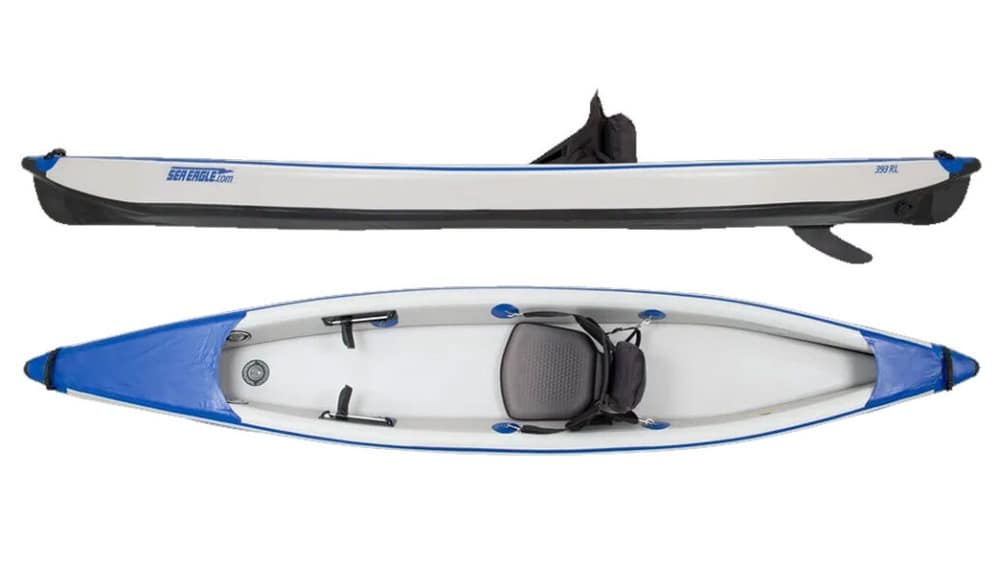
Kayaking is a wonderful way to explore rivers, lakes, and even the ocean. It offers adventure, exercise, and a unique connection with nature. For beginners and experienced paddlers alike, choosing the right kayak is an important step that shapes the whole experience. Today, the big debate is inflatable vs non inflatable kayak—and it’s not as simple as it first seems.
Many people think of inflatables as cheap pool toys, while others believe hard-shell kayaks are too heavy or expensive. But both types have evolved a lot, and each has strengths and weaknesses. If you’re thinking about buying a kayak, or just curious about the differences, this guide will make everything clear.
What Are Inflatable Kayaks?
An inflatable kayak is made from tough, flexible materials like PVC or rubber-coated fabric. You inflate it using a pump, and when you’re done, you can deflate and fold it into a bag. Modern inflatable kayaks are much stronger than older designs. They can handle rocks, shallow water, and even small rapids.
Most inflatables have several air chambers for safety. If one chamber gets punctured, the others keep the kayak afloat. They come in many shapes and sizes, from small solo boats to long tandem models.
Why People Choose Inflatable Kayaks
For many, the main reason is portability. Inflatable kayaks are lightweight and easy to carry, even if you live in an apartment or don’t own a car. You can travel with them on planes, buses, or in the trunk of a small car. After paddling, just dry them, deflate, and pack away.
Storage is another big advantage. Hard-shell kayaks need a garage, shed, or roof rack. Inflatables fit in a closet.
Inflatables are also friendly for beginners. Many are stable, easy to paddle, and simple to set up.
Common Misconceptions
Some people worry inflatable kayaks are flimsy or unsafe. While it’s true they can be punctured, modern materials are very tough. Many can handle dogs’ claws, scraping against rocks, and even small collisions. Still, sharp objects can cause problems, so care is needed in some environments.
What Are Non Inflatable (hardshell) Kayaks?
Non inflatable kayaks (often called hard-shell or rigid kayaks) are made from solid materials like plastic (polyethylene), fiberglass, or even wood. These are the traditional kayaks you see at rental shops or in competitions.
They come in a wide variety—recreational, touring, fishing, whitewater, and sea kayaks. Each type is designed for a specific kind of water and paddling style.
Why People Choose Non Inflatable Kayaks
The main reason is performance. Rigid kayaks are usually faster, track straighter, and can handle rougher water. They feel solid and responsive, which many paddlers enjoy.
Durability is another factor. While hard-shell kayaks can get scratched or dented, they’re less likely to be punctured. They don’t require inflation or deflation—just grab and go.
For activities like whitewater, racing, or multi-day trips, a non inflatable kayak is often preferred.
Typical Drawbacks
The biggest downside is transport and storage. Hard-shell kayaks are heavy and long, often 3-5 meters (10-16 feet). Moving them takes effort, and you need a place to keep them.
They are also more expensive than many inflatable models, especially for high-end materials.

Credit: www.youtube.com
Comparing Inflatable Vs Non Inflatable Kayak: Key Factors
The best way to decide is to look at what matters most to you. Here’s a detailed comparison of both types across the main factors:
| Factor | Inflatable Kayak | Non Inflatable Kayak |
|---|---|---|
| Portability | Very easy to transport and store | Requires roof rack or large storage |
| Setup Time | Needs inflation (5-15 min) | Ready instantly |
| Durability | Good, but can be punctured | Excellent, but can crack or dent |
| Performance | Stable, but slower and less precise | Faster, tracks better, handles waves |
| Price Range | $100–$1,000+ | $300–$2,500+ |
| Weight | 7–20 kg (15–45 lbs) | 18–35 kg (40–77 lbs) |
| Repair | Easy patch kits | Complex or expensive fixes |
Let’s explore each factor in more depth.
Portability And Storage
For city dwellers, travelers, or anyone with limited space, inflatable kayaks are a game-changer. You can carry them up stairs or on public transport. Some weigh less than 10 kg (22 lbs). After use, just dry, fold, and store in a bag.
Non inflatable kayaks require roof racks, trailers, or pickup trucks for transport. At home, you need a long, dry place—often a garage. For many people, this limits how often they go paddling.
Setup And Breakdown
An inflatable kayak takes 5–15 minutes to pump up, depending on the size and pump type. Manual pumps are slower; electric pumps are faster but need power. After paddling, you must dry the kayak thoroughly to avoid mold, then deflate and pack it away.
A hard-shell kayak is ready to go instantly. You just take it off the car and launch. After use, rinse and store—it’s fast and simple.
Durability And Maintenance
Modern inflatables are made from thick PVC, Hypalon, or Nitrylon. Many can bounce off rocks and survive minor scrapes. But they’re still at risk from sharp sticks, hooks, or glass. Most have multiple chambers for safety.
Repairs are usually easy—a patch kit can fix most holes in minutes. However, a large tear may end the kayak’s life.
Rigid kayaks resist punctures but can be scratched, especially plastic models. Fiberglass or composite kayaks are lighter but can crack if dropped or hit hard. Repairs can be difficult and often need special materials.
Performance And Handling
This is where hard-shell kayaks shine. They glide through water quickly and track straight, even in wind or current. Their shape is optimized for speed, control, and efficiency. Experienced paddlers notice the difference, especially on long trips or challenging water.
Inflatable kayaks are stable and forgiving, perfect for calm lakes and gentle rivers. But they’re usually wider and have more drag, making them slower. They can feel “bouncy” in choppy water and are affected more by wind.
Some high-end inflatables (with drop-stitch floors) come close to hard-shell performance, but they’re expensive.
Price And Value
Inflatable kayaks start as low as $100 for basic models. Good-quality ones for day trips cost $250–$600. Top-tier, expedition-grade inflatables can reach $1,200 or more.
Hard-shell kayaks start at about $300 for basic plastic models. Fiberglass or composite versions can cost $2,000 or more.
While inflatables may seem cheaper, remember to factor in the cost of pumps, paddles, and life jackets. Hard-shell kayaks often require roof racks or trailers.
Weight And Carrying
Inflatable kayaks are much lighter—often 7–20 kg (15–45 lbs). This makes them easy to handle for almost anyone, even solo paddlers.
Rigid kayaks are heavier—18–35 kg (40–77 lbs) is common. Moving them alone can be hard, especially for smaller people.
Safety
Inflatables have improved safety features. Multiple chambers mean the kayak won’t sink if punctured. They’re also less likely to capsize thanks to their wide shape.
Hard-shell kayaks, especially those with bulkheads, can be re-entered and bailed out if flipped. For ocean or fast river use, non inflatable kayaks are considered safer by many experts.
Repair And Lifespan
Most inflatables last 5–10 years with care. UV rays, saltwater, and improper storage can shorten their life. Small leaks are easy to patch, but seams can fail with age.
Hard-shell kayaks can last decades. Scratches are normal and rarely affect performance. Major damage is rare, but when it happens, repairs can be costly.
Comfort
Inflatables often have soft, adjustable seats and more legroom. The wide shape gives a relaxed feel. However, the sides can flex, and seats may not be as supportive on long trips.
Rigid kayaks have molded seats. Some are very comfortable, others less so. Footrests and thigh braces improve control.
Capacity
Inflatable kayaks usually hold more weight for their size—great for carrying gear or paddling with kids or pets.
Hard-shell kayaks have less internal space, but cargo hatches keep gear dry. They’re better for multi-day trips in rough water.
Versatility
Inflatables are great for flatwater, fishing, and family fun. Some are rated for mild whitewater (up to Class III rapids). But most are not built for serious whitewater or ocean crossings.
Non inflatable kayaks include specialized designs for every environment—sea, river, lake, fishing, or racing. If you want to develop your skills, a hard-shell kayak offers more options.
Detailed Use Cases: Which Is Better For You?
Choosing between inflatable and non inflatable kayaks depends on your needs. Here’s a closer look at common situations:
For Beginners
Most first-timers find inflatable kayaks less intimidating. They’re stable, forgiving, and easy to get in and out of. The low price and easy storage are big pluses. If you’re new to kayaking, or just want to paddle a few times a year, an inflatable is a smart choice.
For Travelers And Apartment Dwellers
If you live in a small space or want to bring your kayak on vacation, inflatables win. They fit in a suitcase and can be checked as luggage on a plane. No need for a car or garage.
For Fishing
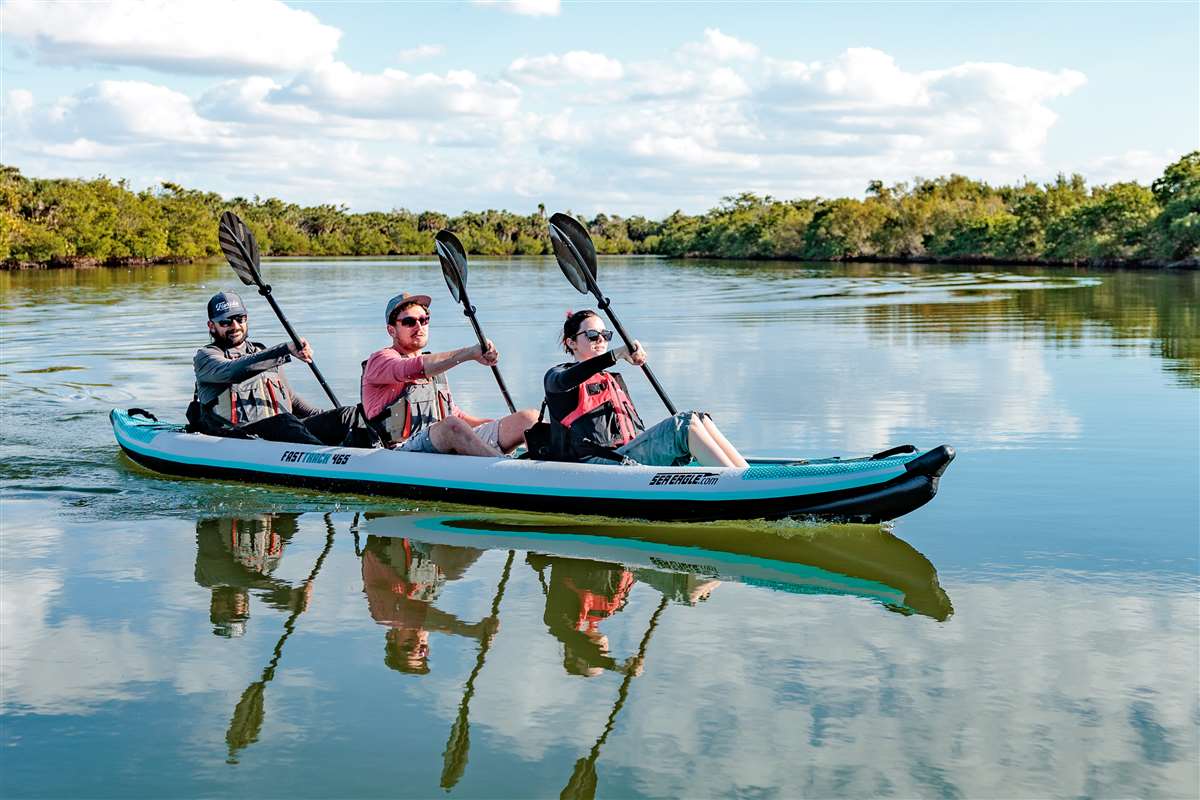
Both types can be used for fishing. Inflatables offer a stable platform and lots of space for gear. Some even have mounts for rod holders and fish finders.
Hard-shell fishing kayaks are more common. They’re sturdier, can handle rougher water, and some have pedal drives for hands-free movement. They’re heavier and require more transport effort.
For Whitewater
Serious whitewater paddling is best done in a rigid kayak. These are built for fast turns, rolls, and impacts. Some high-end inflatables handle Class III–IV rapids, but most are for milder water.
For Touring And Long Distance
If you plan to paddle long distances, especially on open water, a hard-shell kayak is the way to go. It’s faster, tracks better, and carries more supplies safely. Some advanced inflatables can be used for touring, but they’re slower and may struggle in wind.
For Families And Kids
Inflatables are safer for kids and beginners. They’re stable, hard to tip, and soft if you bump into something. Many families use them at lakes or on easy rivers.
For Fitness
Both types provide good exercise. If you want speed and a workout, hard-shell kayaks are better. For relaxed paddling, inflatables are fine.
Credit: www.seaeagle.com
Real-world Examples And Statistics
Let’s look at how these kayaks perform in real life.
- A 2022 survey by the Outdoor Foundation found that 22 million Americans tried kayaking at least once. Of those, 60% used hard-shell kayaks, while 35% used inflatables. The rest rented or borrowed.
- Inflatable kayak sales grew by over 30% from 2019 to 2022, showing their rising popularity.
- In a test by Paddling Magazine, a high-end inflatable (Sea Eagle 380x) reached 7 km/h (4.3 mph) on flat water, while a similar-sized hard-shell reached 9 km/h (5.6 mph).
- Most inflatable kayaks have a maximum weight capacity of 180–250 kg (400–550 lbs), while hard-shells of similar length often max out at 150–200 kg (330–440 lbs).
Non-obvious Insights Beginners Miss
- Inflatable kayaks can be safer in some situations. Because they bounce off rocks and are less likely to trap a paddler if flipped, they’re sometimes a better choice for beginners on rocky rivers.
- UV protection matters for both types. Storing any kayak out of sunlight (even inflatables) will greatly increase its lifespan. Many beginners leave inflatables drying in the sun for hours, which weakens the material over time.
- Drop-stitch technology in inflatables creates a floor almost as hard as a rigid kayak. If you want the performance of a hard-shell but need portability, look for this feature.
- Hard-shell kayaks can be rented easily. If you don’t paddle often, renting a non inflatable kayak may be better than buying and storing one.
- Insurance and registration: In some places, large hard-shell kayaks must be registered, while inflatables often do not. This can save time and money.
Environmental Impact
Both types have pros and cons. Inflatable kayaks are made from plastics and synthetic rubbers, which are not biodegradable. However, they last many years and can be recycled in some regions. Hard-shell kayaks, especially fiberglass or composite models, use more resources to produce but also last a long time.
Buying a good-quality kayak and taking care of it is the best way to reduce environmental impact. Renting, sharing, or buying used kayaks are also eco-friendly choices.
Feature Comparison: At A Glance
Here’s a quick reference for key differences:
| Feature | Inflatable Kayak | Non Inflatable Kayak |
|---|---|---|
| Setup Time | 5–15 minutes | Instant |
| Transport | Car, bus, plane, bike | Car or trailer only |
| Storage | Closet or small space | Garage or yard |
| Skill Level | Beginner-friendly | All levels |
| Water Type | Calm lakes, gentle rivers | All types, including ocean |
| Lifespan | 5–10 years (with care) | 10–30 years |
Common Mistakes When Choosing
- Ignoring your main use: Many buyers choose based on price or looks, not on the type of water they’ll paddle. Always match the kayak to your main activity.
- Overlooking storage and transport: A hard-shell kayak is useless if you have nowhere to put it.
- Forgetting about extra gear: Pumps, paddles, life jackets, and repair kits all add to the cost and weight.
- Not checking warranty and support: Good brands offer better customer service and replacement parts.
- Assuming all inflatables are the same: There is a big difference between cheap pool inflatables and real kayaks designed for adventure.
Final Thoughts
Choosing between an inflatable and a non inflatable kayak is about lifestyle, not just equipment. If you value convenience, easy storage, and travel, inflatables make paddling accessible. If you want speed, performance, and a boat that lasts decades, a hard-shell is the classic choice.
Try both if you can—rental shops often have each type. Think about where you’ll paddle, how you’ll transport and store the kayak, and what kind of trips you dream about. There’s no perfect answer for everyone, but with the right information, you’ll make the choice that fits your life best.
For more technical details and kayak reviews, check out the Paddling.com guide.

Credit: sotar.com
Frequently Asked Questions
What Is The Main Difference Between Inflatable And Non Inflatable Kayaks?
The main difference is that inflatable kayaks can be pumped up and folded for easy storage, while non inflatable kayaks are solid and require more space and transport options. Inflatables are portable and beginner-friendly, while hard-shell kayaks offer better speed and performance.
Are Inflatable Kayaks Safe For Beginners?
Yes, most inflatable kayaks are very safe for beginners. They are stable, easy to paddle, and less likely to capsize. Many have multiple air chambers to prevent sinking if punctured.
Can Inflatable Kayaks Be Used In The Ocean?
Some high-quality inflatable kayaks are rated for coastal or ocean use. However, most are best for lakes and rivers. Always check the manufacturer’s guidelines and avoid rough conditions in an inflatable kayak.
How Long Do Inflatable And Non Inflatable Kayaks Last?
With proper care, inflatable kayaks usually last 5–10 years. Non inflatable kayaks can last 10–30 years or more. Storing both types out of direct sunlight and cleaning them after use will extend their life.
Which Kayak Is Better For Fishing?
Both types can be used for fishing. Inflatable kayaks are stable and easy to transport, while hard-shell kayaks offer more features for serious anglers. Consider your storage and transport needs, and look for kayaks with rod holders and gear space.