
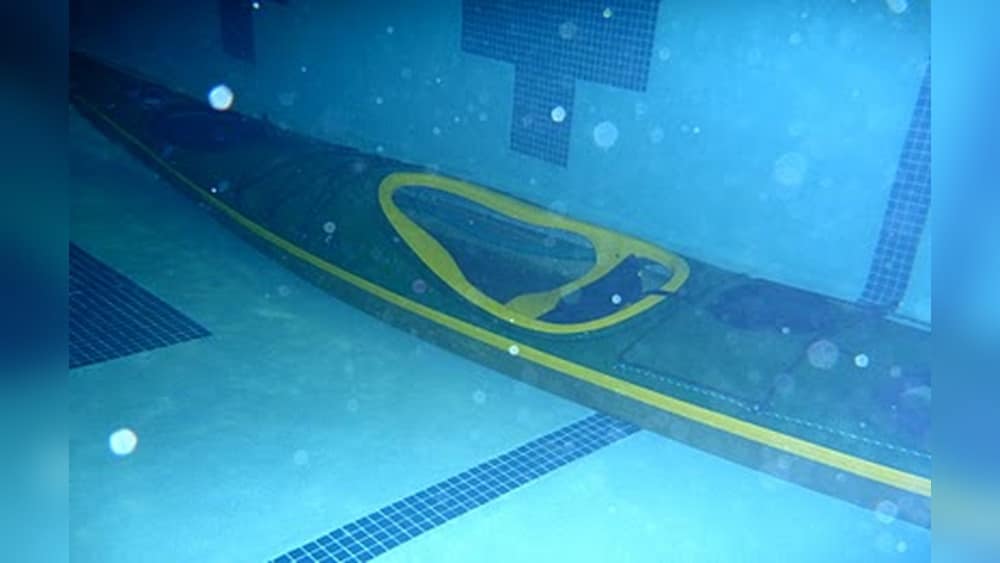
Every time you see a kayak glide across a lake or river, you might wonder, “Can that thing actually sink? ” Kayaks look light and sometimes fragile, but they’re designed for water. Still, the idea of a kayak flipping or disappearing under the surface is a real fear for many people—especially beginners.
If you’re planning to buy a kayak or already own one, understanding if kayaks can sink is not just about curiosity. It’s about safety, making smart choices, and enjoying your time on the water with confidence.
In this guide, you’ll discover what really happens when a kayak takes on water, which types are more likely to sink, and how you can prevent it from happening. You’ll also learn about common mistakes, important safety tips, and even what to do if you find yourself in a sinking situation.
By the end, you’ll have a clear, practical understanding—without complicated jargon—so you can focus on enjoying your paddling adventures.
Do Kayaks Actually Sink?
The short answer is: yes, kayaks can sink—but it’s not common if you use them properly. Kayaks are built to float, even when they take on some water. However, under certain conditions, they can fill up and submerge.
Kayaks are usually made from plastic, fiberglass, or composite materials, all of which float by themselves. Many modern kayaks also include built-in flotation (like sealed air chambers or foam blocks) to help keep them above water. But improper use, damage, or lack of maintenance can still lead to sinking.
Why Kayaks Are Designed To Float
Kayaks are shaped to displace water, which helps them float. Most models are sealed, so water stays outside the hull. The materials themselves—especially polyethylene plastic—are lighter than water. Even when loaded with gear, a kayak stays buoyant if used correctly.
Manufacturers add floatation devices inside many kayaks. For example, sit-on-top kayaks often have sealed air chambers, and sit-in kayaks may have foam blocks at the bow and stern. These features make the kayak float, even if the main body takes on some water.
However, nothing is foolproof. If enough water gets inside the hull, any kayak can lose buoyancy and sink. Understanding how and why this happens is important for all paddlers.
Common Reasons Kayaks Sink
Let’s look at the main causes that can make a kayak sink:
- Hull Damage: Cracks, holes, or deep scratches in the hull allow water to enter. Small leaks may go unnoticed until the kayak is heavy with water.
- Missing or Faulty Plugs: Sit-on-top kayaks often have drain plugs or scupper plugs. If they’re missing or loose, water gets inside quickly.
- Overloading: Every kayak has a maximum weight limit. Too much gear or too many people make the kayak sit lower, letting water in more easily.
- Improper Sealing: Hatches, bulkheads, and cockpit covers should be watertight. If seals are damaged or not closed properly, water leaks in.
- Swamping: In rough waters, big waves or rain can fill the cockpit or deck, especially in open designs.
- Poor Maintenance: Old kayaks may have worn parts, cracked plastic, or rotting foam that reduce buoyancy.
- Incorrect Use: Standing up, sudden movements, or shifting weight can cause the kayak to flip or take on water.
These causes are often preventable with regular checks and smart paddling habits.
Types Of Kayaks And Their Sinking Risk
Not all kayaks are the same when it comes to sinking. Here’s how different types compare:
| Kayak Type | Sinking Risk | Why |
|---|---|---|
| Sit-on-Top | Low | Open design, sealed chambers, hard to swamp |
| Recreational Sit-In | Medium | Large cockpit, less flotation, easier to fill |
| Touring/Sea Kayak | Low-Medium | Bulkheads & hatches, better sealing |
| Inflatable | Low | Buoyant materials, multiple air chambers |
| Whitewater Kayak | Very Low | Small cockpit, lots of flotation, designed for rough use |
Sit-on-top kayaks are the safest in terms of sinking. Even if they flip, the hull doesn’t fill with water. Inflatables also rarely sink unless all chambers are punctured. Recreational sit-in kayaks are more at risk if they don’t have sealed bulkheads.
How Weight Limit Impacts Sinking
Every kayak has a specific weight capacity. This is not just about your own weight, but also gear, clothing, and any extras. The kayak’s ability to float depends on staying below this limit.
If you exceed the weight capacity:
- The kayak sits lower in the water.
- Water splashes into the cockpit or deck more easily.
- Stability drops, increasing the risk of capsizing or swamping.
Here’s a quick look at average weight limits:
| Kayak Type | Average Weight Limit (kg) |
|---|---|
| Single Recreational | 110–135 |
| Tandem | 180–250 |
| Inflatable | 90–180 |
| Fishing Kayak | 180–225 |
| Whitewater | 80–115 |
Always check the manufacturer’s recommendations. Staying at least 10% below the max weight is a smart safety margin.
Real-world Examples: When Do Kayaks Sink?
Most sinking incidents happen because of human error, not because the kayak is poorly made. For example, a group of paddlers on a lake ignored the weight limit, loaded their sit-in kayak with camping gear, and forgot to close the rear hatch tightly.
A sudden storm filled the cockpit with water, and the kayak became too heavy to bail out.
Another case involved a recreational kayak that hit a sharp rock. A small crack opened under the waterline. Over several hours, the kayak filled slowly until it became unstable and finally sank.
These real stories show that even a good kayak can sink if you don’t pay attention to basic safety steps.

Credit: islesurfandsup.com
How To Prevent Your Kayak From Sinking
You can avoid almost every sinking situation with these steps:
- Inspect Before Every Trip: Check for cracks, holes, or soft spots in the hull. Make sure all plugs and hatches are secure.
- Use Float Bags: For sit-in kayaks, inflatable float bags in the bow and stern provide extra buoyancy.
- Seal All Openings: Close hatches, cockpits, and any removable parts tightly.
- Stay Within Weight Limits: Weigh yourself and your gear. Don’t guess.
- Avoid Rough Water When Possible: Beginners should stick to calm water until they are confident.
- Practice Self-Rescue: Know how to get back into your kayak if you flip, and carry a bilge pump.
- Store Properly: Keep your kayak out of direct sunlight when not in use to prevent hull damage.
Most beginners miss the importance of float bags and routine hull checks. These two steps alone can prevent most sinking accidents.
What To Do If Your Kayak Starts Sinking
If you notice your kayak is taking on water, act fast:
- Paddle to shore if you’re close enough.
- Use a bilge pump or sponge to remove water from the hull or cockpit.
- If it’s safe, stop and check for the source of the leak.
- In open water, stay with your kayak—it floats better than you do.
- Signal for help if you can’t reach land.
Knowing how to perform a “wet exit” and basic self-rescue techniques is a big advantage. Training with a local kayaking club or instructor is highly recommended.
Important Maintenance Tips
Regular care keeps your kayak in top shape:
- Rinse off saltwater after every trip.
- Store in a cool, dry place, out of the sun.
- Check and replace seals on hatches and cockpits every season.
- Repair cracks or deep scratches with a kayak repair kit or professional help.
- Don’t drag your kayak on rough ground, which can wear down the hull.
A well-maintained kayak can last many years and will be much less likely to sink.
Myths About Kayak Sinking
There are a few common myths that confuse new paddlers:
- “Kayaks can’t sink.” This is false. They are hard to sink, not impossible.
- “Sit-on-top kayaks are unsinkable.” They float well, but severe hull damage or missing plugs can sink them.
- “Inflatable kayaks pop and sink easily.” Modern inflatables have tough materials and multiple air chambers.
- “Heavy paddlers can’t use kayaks.” There are kayaks for every size. The key is the right weight capacity.
Understanding these myths helps you make safer choices and not rely on false confidence.
Comparing Kayaks: Which Is Least Likely To Sink?
For those deciding what kind of kayak to buy, here’s a simple comparison:
| Kayak Type | Floatation Features | Best Use |
|---|---|---|
| Sit-on-Top | Sealed air chambers, self-draining | Casual, fishing, beginners |
| Recreational Sit-In | Some foam, large cockpit | Lakes, calm rivers |
| Touring/Sea | Bulkheads, sealed hatches | Long trips, coastal waters |
| Inflatable | Multiple air chambers | Travel, easy storage |
| Whitewater | Foam bulkheads, small cockpit | Rivers, rapids |
Sit-on-top and whitewater kayaks are the least likely to sink for most paddlers. Touring kayaks are very safe if you keep hatches sealed and don’t overload. Choose based on your main activities and always check safety features.
Sinking Vs. Capsizing: What’s The Difference?
Some people mix up capsizing and sinking. They are not the same:
- Capsize: The kayak flips over but usually stays afloat. You can flip it back or climb on top.
- Sink: The kayak fills with water and goes under. Harder to recover, especially in deep water.
Capsizing is common and part of learning. Sinking is rare and often a sign of damage or a big mistake. You can practice capsize recovery in a safe area to build confidence.

Credit: www.youtube.com
Essential Gear To Prevent Sinking
There are a few things every kayaker should carry:
- Personal flotation device (PFD): Always wear one.
- Bilge pump: For removing water.
- Float bags: Extra buoyancy for sit-in kayaks.
- Dry bags: Protect gear and keep the cockpit dry.
- Repair kit: For emergency hull fixes.
Bringing this gear is as important as checking your kayak. Many paddlers skip the bilge pump, but it’s a lifesaver if you take on water far from shore.
Additional Safety Tips
- Tell someone your route and expected return time.
- Paddle with a friend if possible.
- Learn basic rescue techniques—practice them before you need them.
- Check the weather and avoid trips in strong winds or storms.
- Take a basic kayaking safety course if you’re new.
For more in-depth safety advice, the American Canoe Association offers trusted resources (American Canoe Association).

Credit: www.youtube.com
Frequently Asked Questions
Can A Kayak Sink If It Flips Over?
Usually, flipping does not make a kayak sink. Most kayaks are designed to float even when upside down. However, if water gets inside the hull or the kayak is damaged, it could eventually sink.
What Should I Do If My Kayak Starts Leaking On The Water?
Stay calm, paddle to shore if possible, and use a bilge pump or sponge to remove water. Try to find and seal the leak. If you can’t reach land, stay with your kayak and signal for help.
Are Inflatable Kayaks More Likely To Sink?
No, modern inflatable kayaks are made with tough materials and have multiple air chambers. They are actually less likely to sink because if one chamber is punctured, others keep you afloat.
How Can I Check If My Kayak Is At Risk Of Sinking?
Inspect for cracks, holes, or missing plugs before every trip. Fill the hull with a small amount of water on land to check for leaks. Make sure all hatches and seals are tight.
Is It Safe To Use A Kayak That Has Been Repaired?
Yes, as long as the repair is done properly and the hull is watertight. Test the kayak in shallow water before heading out. Regularly check repaired areas for new leaks or damage.
Kayaking should be fun, not stressful. Most kayaks are tough and float well, but knowing how and why they can sink helps you paddle safely for years to come. With good habits, the right gear, and a little knowledge, you can enjoy every trip with peace of mind.