
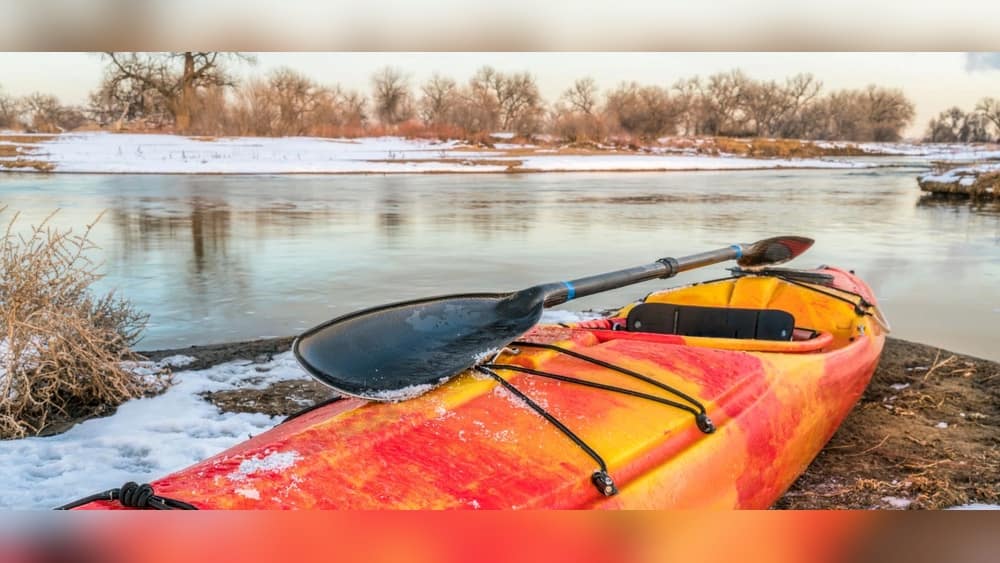
Kayaking is a wonderful way to enjoy nature, exercise, and challenge yourself. If you’re new to kayaking, you might wonder: how long does it take to kayak a mile? This question sounds simple, but the answer depends on many factors. Water conditions, your experience, the type of kayak, and even the weather can all affect your speed. Understanding these elements can help you plan your trips better, avoid surprises, and stay safe on the water.
In this guide, you’ll get clear answers, practical advice, and useful data about kayaking a mile. Whether you’re a beginner or just want to improve your timing, you’ll learn what matters most for your next paddling adventure.
Average Time To Kayak A Mile
For most beginners, kayaking a mile takes 20 to 30 minutes on calm water. More experienced kayakers can finish a mile in about 10 to 15 minutes. These numbers are not fixed. You might go faster or slower depending on your fitness, weather, and the kayak you use.
Let’s look at a quick comparison:
| Paddler Level | Time per Mile | Average Speed (mph) |
|---|---|---|
| Beginner | 20–30 minutes | 2–3 mph |
| Intermediate | 15–20 minutes | 3–4 mph |
| Experienced | 10–15 minutes | 4–6 mph |
Most casual paddlers fall into the 2–3 mph range. Racing kayakers can reach 6 mph or more, but that’s not typical for leisure trips.
Main Factors That Affect Kayak Speed
Many things change how long it takes to kayak a mile. Let’s break down the most important ones.
1. Type Of Kayak
Kayaks come in different shapes and sizes. Each kind moves through the water differently.
- Recreational kayaks: Stable but slow, usually 2–2.5 mph.
- Touring kayaks: Longer, faster, often 3–4 mph.
- Inflatable kayaks: Easier to transport, but slower than hard shells.
- Sit-on-top kayaks: Good for beginners, but usually slower than sit-inside models.
Shape and length matter. Longer, narrower kayaks glide better and go faster.
2. Paddler Experience
Beginners often paddle at a slower, steady pace. Experienced kayakers use better technique, paddling efficiently and wasting less energy.
If you’re new, expect to start slower. With practice, your speed will naturally increase.
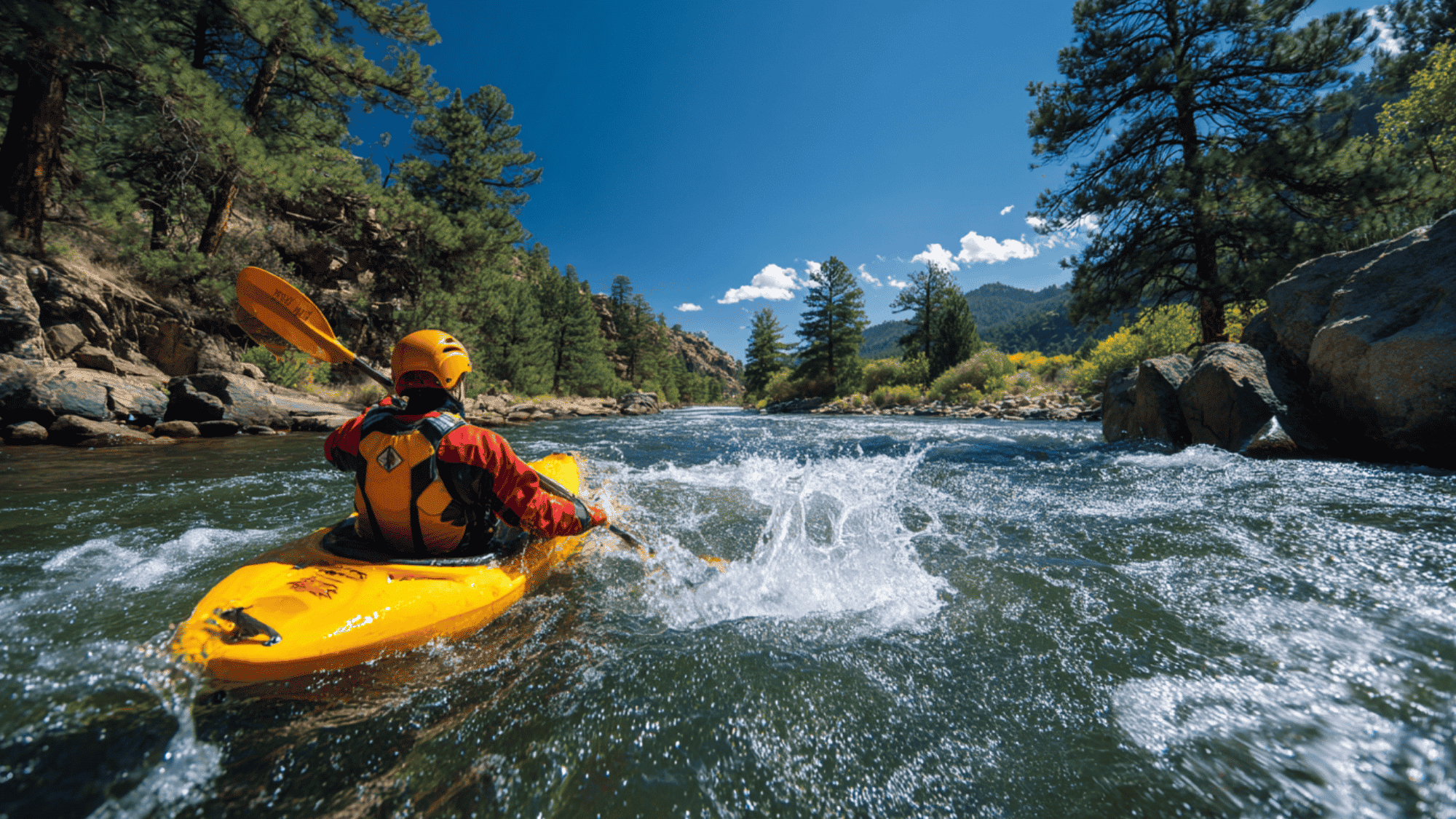
3. Water And Weather Conditions
- Calm lakes are easiest and fastest for kayaking.
- Rivers with a mild current can help you go faster (if you’re moving downstream).
- Wind can make paddling harder, especially in open water.
- Waves and chop slow you down.
- Tides and currents can add or subtract speed, sometimes by 1–2 mph.
A tailwind or gentle downstream flow can reduce your mile time. Fighting a headwind or paddling upstream will slow you down.
4. Physical Fitness
Strong arms, shoulders, and core muscles help you paddle longer and faster. Kayaking is also about endurance, not just strength. People who exercise regularly often go farther and faster.
5. Weight And Load
A heavier kayak (with gear or extra passengers) moves slower. Lighter loads are easier to paddle and control. Pack only what you need for the trip.
6. Paddling Technique
Good form is key. Use your core, not just arms, and keep your strokes smooth. Poor technique wastes energy and slows you down. Taking a lesson or watching expert videos can help.
7. Rest Breaks
If you stop often to rest, drink water, or enjoy the view, your overall time increases. Track your “paddle time” (moving) vs. “trip time” (including breaks).
Example Mile Times In Real Situations
Here are a few realistic scenarios:
- Calm lake, beginner paddler, recreational kayak: 30 minutes per mile
- River with gentle current, intermediate paddler, touring kayak: 15 minutes per mile
- Windy conditions, beginner, inflatable kayak: 40+ minutes per mile
- Downstream with strong current, experienced paddler: 8–10 minutes per mile
No two paddling trips are the same. Always check the forecast and water conditions before heading out.
Comparing Kayak Types And Their Speeds
Some kayaks are built for speed, others for stability or fun. Here’s a side-by-side look at how different types perform:
| Kayak Type | Typical User | Average Speed (mph) |
|---|---|---|
| Recreational | Beginners, casual paddlers | 2–2.5 |
| Touring/Sea | Intermediate, long trips | 3–4 |
| Inflatable | Travelers, easy storage | 1.5–2.5 |
| Racing | Competitive athletes | 6+ |
| Sit-on-top | Recreation, fishing | 2–2.5 |
If you want to cover a mile quickly, a touring or sea kayak is best. For relaxed paddling or fishing, speed is less important.
Credit: www.airkayaks.com
How To Estimate Your Kayak Mile Time
If you want to predict your mile time, try this simple method:
- Find your average speed. Paddle for 15–20 minutes at a steady pace and use a GPS app or a fitness tracker to see your speed.
- Divide 60 by your speed. For example, if you average 3 mph: 60 ÷ 3 = 20 minutes per mile.
- Adjust for breaks and conditions. Add extra time for wind, current, or rest stops.
You can also use this quick reference:
- At 2 mph: 30 minutes per mile
- At 3 mph: 20 minutes per mile
- At 4 mph: 15 minutes per mile
How Kayak Speed Compares To Other Activities
It helps to know how kayaking matches up with walking, running, or cycling.
| Activity | Average Speed (mph) | Time to Go 1 Mile |
|---|---|---|
| Kayaking (beginner) | 2–3 | 20–30 minutes |
| Walking | 3 | 20 minutes |
| Jogging | 5–6 | 10–12 minutes |
| Cycling (leisure) | 10–12 | 5–6 minutes |
| Swimming | 2 | 30 minutes |
Kayaking a mile is similar to walking the same distance. It’s a nice, steady workout that doesn’t require extreme effort.

Credit: www.reddit.com
Non-obvious Insights For Better Mile Times
Many beginners overlook some important details:
- Paddle size matters. A paddle that’s too long or too short can waste energy. Choose the right size for your height and kayak width.
- Seating position affects speed. Adjust your seat so your feet press lightly against the foot pegs. This gives you better control and more powerful strokes.
- Weather apps help. Checking wind direction and speed before you paddle can save you a tough trip against strong gusts.
- Try interval paddling. Mix short bursts of faster paddling with steady cruising. This builds stamina and can improve your average mile time.
Tips To Kayak A Mile Faster And Safer
- Warm up your arms and shoulders. Prevents injuries and helps you paddle smoothly.
- Keep your strokes close to the kayak. Wide strokes slow you down and make the kayak wobble.
- Watch your posture. Sit tall with relaxed shoulders. Slouching wastes energy.
- Stay hydrated. Even short trips can lead to dehydration, especially in hot weather.
- Practice in different conditions. Paddling in wind, waves, and current builds your skill and confidence.
- Track your progress. Use a GPS watch or free smartphone app to see your speed and distance.
- Plan your route. Choose a safe, easy area for your first mile—preferably with an easy way to turn back if you get tired.
How Long Does It Take To Kayak More Than A Mile?
After your first mile, you might wonder about longer distances. Here are some common trip lengths and times for a beginner on calm water:
- 2 miles: 40–60 minutes
- 5 miles: 2–2.5 hours
- 10 miles: 4–5 hours
Remember, fatigue sets in after a while. Take short breaks, stretch, and eat snacks if you’re kayaking for more than an hour.
When A Mile Feels Hard: Common Mistakes
If your first mile feels slow or exhausting, you might be making these mistakes:
- Using only your arms (not your core)
- Paddling too fast at the start, then tiring out
- Ignoring wind and current
- Bringing too much gear or weight
- Choosing a kayak that’s too short or wide for longer trips
Improving your technique and planning can make a big difference. Even small changes—like adjusting your seat or paddle—help you go farther with less effort.
Credit: www.reddit.com
When To Worry About Your Mile Time
For most people, speed is not the most important thing. Safety and enjoyment come first. But if you need to finish a trip before sunset, or you’re preparing for a race, timing matters more.
If you’re paddling with a group, plan for the slowest person’s pace. Always allow extra time in case of changing weather or emergencies.
Learning From The Pros
Competitive kayakers train for years to paddle 1 mile in under 10 minutes. They use lightweight racing kayaks, perfect form, and strict training schedules. While most of us don’t need to go that fast, watching race videos or joining a local club can inspire you to improve.
If you want more technical details, the Wikipedia Kayaking page offers an in-depth look at kayak types, techniques, and records.
Frequently Asked Questions
How Long Does It Take A Beginner To Kayak A Mile?
A beginner usually takes 20 to 30 minutes to kayak one mile on calm water. Factors like wind, waves, and current can make this time longer.
Can You Kayak A Mile If You’re Not Very Fit?
Yes, most people with average fitness can kayak a mile at a relaxed pace. You might need to take breaks, but it’s a good distance for beginners.
Does The Type Of Paddle Affect My Speed?
Yes. A paddle that fits your height and kayak width makes paddling easier and faster. If your paddle is too long or too short, you’ll use more energy and go slower.
Is Kayaking A Mile Safe For Kids?
With adult supervision, a child who can swim and wear a life jacket can kayak a mile in calm, safe conditions. Choose a short, easy route and stay close to shore.
What’s The Fastest Someone Has Kayaked A Mile?
Elite racers can kayak a mile in under 8 minutes using racing kayaks. This is not typical for recreational paddlers.
Kayaking a mile is a great goal for anyone. With the right gear, good technique, and some practice, you’ll improve your speed and enjoy every trip. Remember, the journey is just as important as the destination—so paddle at your own pace and enjoy the water.