
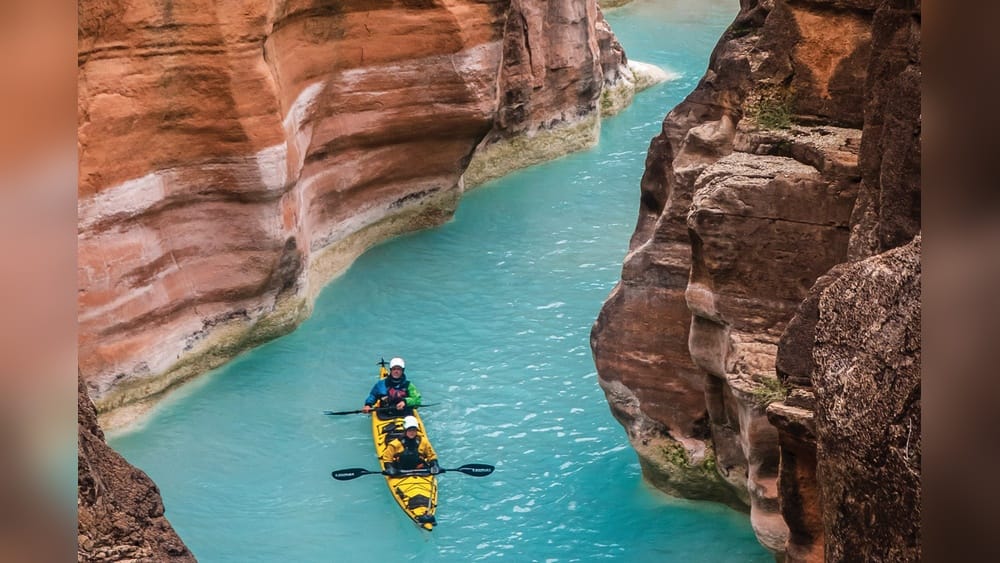
Kayaking through the Grand Canyon is a dream for many outdoor lovers. The canyon’s wild beauty and powerful river attract adventurers from around the world. But is it really possible to kayak in the Grand Canyon? The short answer is yes—but with important rules, challenges, and requirements.
If you’re curious about paddling this legendary stretch of the Colorado River, let’s dive into everything you need to know, from permits to safety, skill levels, and what to expect on this unforgettable journey.
Can You Really Kayak In The Grand Canyon?
The Grand Canyon is famous for its massive cliffs, colorful rock layers, and the mighty Colorado River running through it. Kayaking here is not only possible, it is one of the world’s most respected river adventures. Every year, hundreds of kayakers take on this 277-mile-long river stretch inside the canyon.
However, unlike many rivers, you can’t just show up and launch your kayak. The Grand Canyon is a protected National Park, and river trips are carefully regulated. You need a permit, and the river’s rapids demand strong skills. But for those who prepare, the experience is unmatched.
Who Can Kayak The Grand Canyon?
Not every kayaker is ready for the Grand Canyon. The river is challenging, with huge rapids, cold water, and remote stretches far from help. Here’s what you need to know:
- Experience Level: The Colorado River in the Grand Canyon is not for beginners. Most of the rapids are Class III to V, which means strong, technical paddling is required. At a minimum, you should have solid whitewater kayaking skills and experience on multi-day river trips.
- Physical Fitness: Days can be long and demanding. You’ll need to paddle, carry gear, and sometimes portage (carry your kayak around) obstacles.
- Team Skills: It’s safer and required to go with a group. Self-rescue skills and working well with others are critical.
Most first-timers join experienced groups or commercial trips. Some seasoned kayakers organize their own self-guided expeditions.
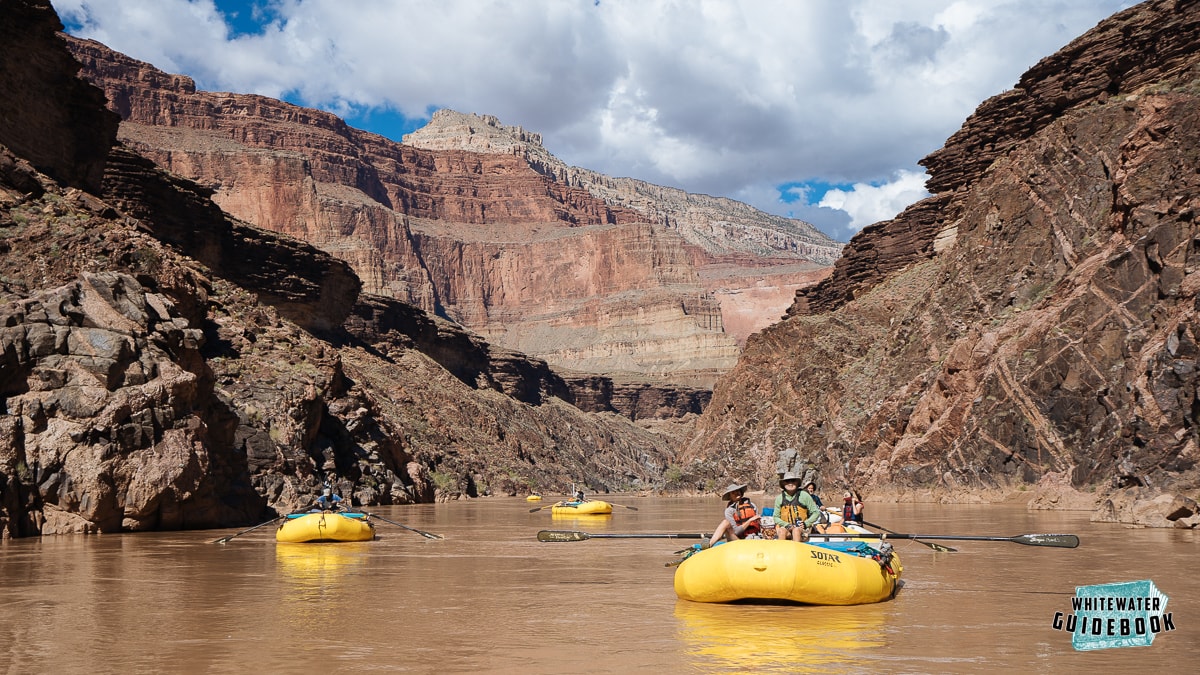
Credit: www.whitewaterguidebook.com
How The Permit System Works
You can’t kayak the Grand Canyon without a permit. The National Park Service strictly controls river access to protect the environment and ensure safety.
There are two main ways to get on the water:
1. Non-commercial (private) Permits
These are for groups organizing their own trip, not hiring a commercial outfitter. The process is competitive:
- Weighted Lottery: Every February, the Park Service holds a lottery for permits to launch during the next year. You apply online and hope your group is selected.
- Cancellation Lottery: If groups cancel, their spots become available in a follow-up lottery.
2. Commercial Trips
If you don’t have a permit or enough experience, commercial outfitters offer guided trips. They manage the permits, logistics, and safety, and some trips allow kayakers to join (often bringing their own boats).
Permit Facts At A Glance
| Permit Type | Who Can Apply | How to Get | Trip Length |
|---|---|---|---|
| Private/Non-commercial | Experienced groups | Lottery system | Up to 25 days |
| Commercial | Anyone | Book with outfitter | 3-18 days (varies) |
Tip: Many people try for years before winning a private permit. Commercial trips are easier to join but cost more.
What Makes Grand Canyon Kayaking Special?
Paddling through the Grand Canyon isn’t just about the challenge—it’s about the scenery, history, and pure adventure. Here’s what makes it unique:
- World-class Rapids: Famous rapids like Crystal, Hermit, and Lava Falls are legendary among kayakers. They combine big waves, technical moves, and heart-pounding moments.
- Epic Scenery: The canyon walls tower up to a mile above the river. Every turn brings new views—red cliffs, hidden waterfalls, ancient rock formations.
- Remote Wilderness: Once you start, there are no roads, no easy exits, and few people. It’s a true backcountry experience.
- Long Trips: Most journeys last from 7 to 21 days, camping each night on riverside beaches.
- Rich History: The route follows the path of early explorers and Native Americans.
Unlike day trips on smaller rivers, this is a full immersion into one of nature’s greatest wonders.

Credit: community.nrs.com
The Rapids: How Hard Are They?
The Colorado River through the Grand Canyon is known for its big, powerful rapids. They are rated on a unique 1–10 scale (not the usual I–V system). Here’s a comparison to help understand:
| Grand Canyon Rating | International Rating | Example Rapid |
|---|---|---|
| 1–2 | Class I–II | Minor riffles |
| 3–5 | Class II–III | House Rock |
| 6–7 | Class IV | Hermit |
| 8–10 | Class V | Lava Falls, Crystal |
Lava Falls is often called the most famous rapid in North America. It’s powerful, fast, and can flip boats in seconds. Kayakers must scout (look at) these rapids and plan their line carefully.
Gear And Preparation
Kayaking the Grand Canyon is not a “show up and paddle” trip. You need the right gear and careful planning. Missing something important can be dangerous.
Kayak Selection
- Whitewater Kayaks: Short, maneuverable boats are best. Many paddlers use creek boats, which are stable and handle big water well.
- Inflatable Kayaks: Sometimes called “duckies,” these are used on some commercial trips. They’re more forgiving but less agile in big rapids.
Essential Gear
- Helmet and PFD (life jacket): Always required. Must be high-quality and fit well.
- Dry Suit or Wetsuit: The river is cold, even in summer. Hypothermia is a real risk.
- Spray Skirt: Keeps water out of your kayak.
- Throw Bag and Rescue Gear: For self-rescue and helping others.
- First Aid Kit: Remote location means you must handle injuries yourself.
- Camping Equipment: Lightweight tent, sleeping bag, and food for up to three weeks.
- Water Filtration: River water is not safe to drink untreated.
Packing For 2–3 Weeks
Most trips last 14–21 days. You’ll need to carry all food, fuel, and gear. Organize carefully. Pack dry bags for clothes and electronics. Plan meals that are high in calories and easy to prepare.
Non-obvious insight: Many beginners underestimate the amount of water and sun exposure. Bring extra sunscreen, lip balm, and clothing layers for cold nights.
Credit: paddlingmag.com
The Best Time To Kayak In The Grand Canyon
The river is open for kayaking year-round, but conditions change with the seasons.
- Spring (March–May): Cooler air, cold water, fewer bugs, but unpredictable weather.
- Summer (June–August): Hot days, cold water, risk of flash floods in side canyons. More competition for permits.
- Fall (September–October): Milder temperatures, stable weather, beautiful light.
- Winter (November–February): Very cold, fewer trips, shorter days.
Most paddlers prefer spring and fall for comfort and safety.
Safety Considerations
The Grand Canyon is not a place for risk-taking. Safety is a top priority for all trips.
Dangers To Know
- Cold Water: Even in summer, the river rarely goes above 50°F (10°C). Falling in without protection can be deadly.
- Powerful Rapids: The big waves and holes can trap or flip kayaks.
- Remote Rescue: Emergency help is hours or days away. Everyone must know basic first aid and rescue techniques.
- Flash Floods: Sudden storms upstream can send walls of water down side canyons.
Group Safety
Always paddle with a group. Stay close, communicate with signals, and have a plan for emergencies. Commercial guides are highly trained, but private groups must be self-sufficient.
Another insight: Many new kayakers overlook mental fatigue. Long days, constant alertness, and the remote setting can be tiring. Take breaks and support each other.
Planning Your Trip: Step-by-step
- Get Experience: Build your skills on easier rivers first. Take whitewater rescue courses.
- Form a Team: Find other skilled kayakers. Solo trips are not allowed.
- Apply for Permits: Try the lottery if planning a private trip, or book with a commercial outfitter.
- Train Together: Practice paddling, packing, and rescue drills before the trip.
- Prepare Gear: Double-check your list and test everything before launch.
- Arrange Logistics: Plan how to get to the river and out at the end. The take-out at Diamond Creek is remote and sometimes closed due to weather.
- Respect the Rules: Follow Leave No Trace principles, respect wildlife, and pack out all waste.
Commercial Vs. Private Kayak Trips
Choosing between a guided (commercial) trip and a private expedition is a big decision.
| Factor | Commercial Trip | Private Trip |
|---|---|---|
| Permit Difficulty | Easy (included) | Hard (lottery) |
| Cost | High ($3,000–$6,000+) | Lower, but still expensive |
| Logistics | Handled by outfitter | Self-managed |
| Group Requirements | Join as individual or small group | Need full group (up to 16 people) |
| Skill Needed | Intermediate to advanced | Advanced only |
Commercial trips are best for those who want expert support and less hassle. Private trips offer more freedom but require serious planning and skill.
Environmental And Cultural Respect
The Grand Canyon is a sacred place for many Native American tribes. It’s also a fragile ecosystem. Kayakers must:
- Pack out all waste: Including human waste, using portable toilets.
- Leave No Trace: Camp only on durable surfaces, don’t disturb plants or artifacts.
- Respect Closures: Some beaches and side canyons are off-limits for cultural or ecological reasons.
If you’re interested in learning more about the river’s history and management, the National Park Service Grand Canyon River Permits page has detailed resources.
Frequently Asked Questions
How Long Does It Take To Kayak The Grand Canyon?
Most trips cover the full 277-mile stretch in 14 to 21 days. Some shorter commercial trips last 7–10 days, but you won’t see the whole canyon.
Do I Need To Bring All My Food And Water?
Yes, you must be self-sufficient. Bring all food for your group, and use water filtration to make river water safe to drink. Plan carefully—resupply is not possible on the river.
What Is The Hardest Rapid In The Grand Canyon?
Lava Falls is usually considered the hardest and most famous. It has a Grand Canyon rating of 10 (Class V equivalent) and is challenging even for experts.
Can Beginners Kayak The Grand Canyon?
No. The river’s size, rapids, and remoteness make it suitable only for advanced paddlers with strong whitewater skills. Beginners are safer joining raft trips with guides.
Is Kayaking The Grand Canyon Dangerous?
Yes, there are real risks: cold water, big rapids, remote location, and possible flash floods. Careful planning, skill, and respect for the river make the trip safer, but it’s never without danger.
Kayaking in the Grand Canyon is one of the greatest river adventures on earth. It’s challenging, beautiful, and life-changing—but only for those who come prepared. If you dream of paddling beneath those towering cliffs, start building your skills, team, and plans now.
With the right preparation and respect for the river, you’ll discover why so many kayakers call this the trip of a lifetime.