
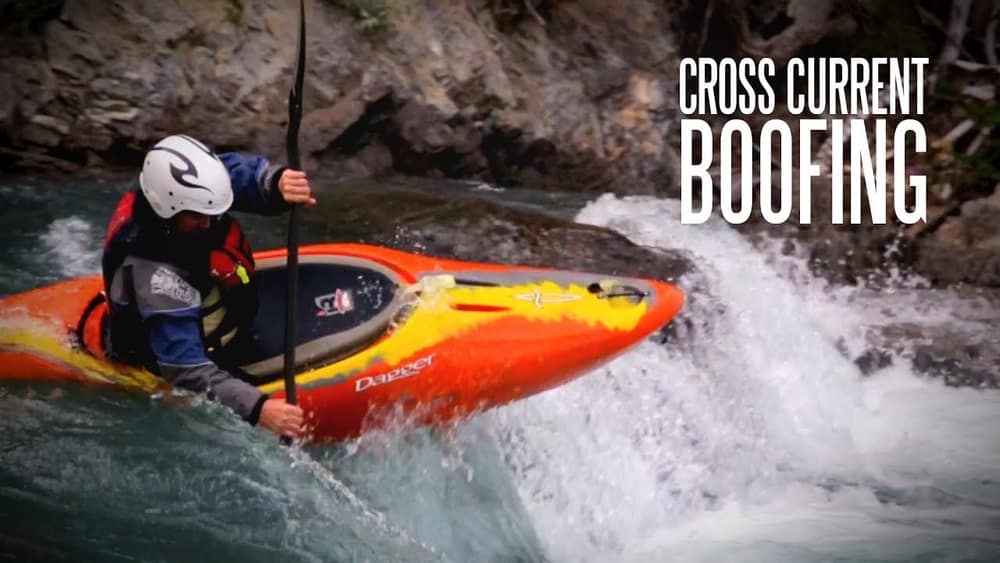
Kayaking is more than just floating down a river—it’s about mastering the water, reading rapids, and using special techniques for safety and fun. One of the most important skills every whitewater kayaker must learn is boofing. This word might sound funny, but in the world of kayaking, it can mean the difference between gliding smoothly over a drop and taking a dunk in the swirling water below. Let’s explore what boofing really means, why it matters, and how you can master it.
What Does “boofing” Mean In Kayaking?
Boofing is a paddle stroke and body movement used to help a kayak stay on top of the water when going over a drop, ledge, or small waterfall. The main goal is to keep the kayak’s bow (front) from diving into the water below. When done right, the kayak lands flat, reducing the risk of getting stuck, flipping, or being sucked back into dangerous water features.
The word “boof” is believed to come from the sound a kayak makes when it lands flat on the water after a good boof stroke. It’s a core technique in whitewater kayaking, especially on rivers with lots of drops, ledges, or steep rapids.
Why Is Boofing Important?
Boofing is not just for advanced kayakers. Even beginners face situations where a well-timed boof can prevent accidents. Here’s why this skill is so critical:
- Safety: Avoiding the bow of the kayak from diving means you are less likely to flip over or get stuck in dangerous spots.
- Control: Boofing gives you more control when moving through rapids, helping you land where you want.
- Energy Saving: A clean boof uses less energy than fighting to recover from bad landings or getting out of “holes” (strong recirculating currents).
- Fun: Boofing feels great and gives you confidence to try harder rivers and bigger drops.
Many new kayakers think boofing is only for big waterfalls, but it’s useful in many common river situations.
The Mechanics Of A Boof Stroke
Let’s break down the main steps of a classic boof:
- Approach: Paddle toward the drop with enough speed and a clear plan. Look where you want to land.
- Edge Control: Keep your kayak flat (not leaning to one side) as you reach the lip of the drop.
- Boof Stroke: Just before the edge, do a strong, short paddle stroke near your hips. This lifts the bow.
- Body Movement: As you pull the paddle, lean back slightly. This shifts your weight, helping the bow lift.
- Landing: Try to land flat or with a slight forward angle. Keep your paddle ready to brace if needed.
A common mistake is leaning back too much, which can make you lose balance. The right mix of paddle power and body motion is key.
Types Of Boofing Techniques
Not all drops or river features are the same. Kayakers use different boofing styles depending on the situation:
| Boofing Style | Best For | Key Movement |
|---|---|---|
| Straight Boof | Wide, straight drops | Strong stroke, slight lean back |
| Rock Boof | Drops with rocks at the lip | Push off rock with paddle or boat |
| Wave Boof | Boofing over river waves | Quick stroke at wave peak |
| Boof with Turn | Drops with an angled landing | Combine boof with turning paddle stroke |
Knowing which style to use can help you respond to different river features with confidence.
When And Where Do You Boof?
Boofing isn’t just for big, scary rapids. You’ll find chances to use this skill in many places:
- Ledges: Small, wide drops that can trap a kayak’s bow.
- Waterfalls: Any vertical drop, big or small, where you want to land safely.
- Holes and Stoppers: Places where water recirculates back upstream and can “hold” a kayak.
- Rocks and Boulders: To avoid getting pinned or stuck.
- Steep Creeking: Rivers with lots of quick drops and obstacles.
For example, if you paddle a river with a two-foot ledge, a good boof can keep you moving forward and out of danger. On steeper creeks, boofing is almost a constant skill.
Step-by-step: How To Boof In Kayaking
Let’s walk through each stage of a classic straight boof. These steps are for right-handed paddlers but work for everyone with small adjustments.
1. Line Up Your Approach
Aim straight at the spot where you want to land. Build up speed—momentum helps the kayak “skip” over the water below the drop.
2. Paddle To The Lip
Keep paddling with even strokes until you are about half a boat length from the edge. Avoid slowing down.
3. Plant The Boof Stroke
As you reach the lip, plant your paddle blade near your hips or even behind you. This position gives maximum lift.
4. Pull And Lean
Pull hard on the paddle while leaning back slightly. Do not lean too far or you’ll lose control.
5. Tuck Your Knees
Push your knees up inside the kayak. This action helps lift the bow even more.
6. Land Flat
As you fly off the drop, try to keep your kayak level. A flat landing is safer and spreads out the impact.
7. Recover And Paddle Away
After landing, be ready to take a quick paddle stroke to keep your balance and move away from hazards.
Common Mistakes To Avoid
- Leaning back too much: Can lead to flipping or losing balance.
- Not enough speed: Makes it harder to clear the drop.
- Late boof stroke: Missing the right moment can cause the bow to dive.
Practicing these steps on small drops before trying bigger ones is very important.

Credit: madgoats.no
Boofing Vs. Plugging: What’s The Difference?
Some kayakers wonder when to boof and when to “plug. ” Plugging means pointing the bow down and punching through the water at the bottom of the drop. It can be useful on deep, safe drops, but it’s risky if there are rocks, shallow water, or strong currents.
Here’s a simple comparison:
| Technique | When to Use | Risks |
|---|---|---|
| Boofing | Shallow drops, ledges, rocky landings | Requires timing and practice |
| Plugging | Deep, clean waterfalls | Risk of going too deep, getting stuck, hitting rocks |
Most new kayakers are safer if they boof on unfamiliar rivers, unless a guide suggests otherwise.
Essential Boofing Practice Drills
Improving your boofing skills takes practice. Here are some drills and exercises to try:
- Find Small Drops: Practice on easy, low ledges or drops before moving to bigger ones.
- Repeat Boof Strokes: Try 10–15 boof strokes in a row on flat water. This builds muscle memory.
- Edge Control Drills: Practice paddling flat and with good balance before and after small drops.
- Land and Recover: After each boof, take a recovery stroke right away. This helps with fast, safe exits.
A tip that many beginners miss: film yourself or ask a friend to watch. You’ll catch mistakes you didn’t feel in the moment.
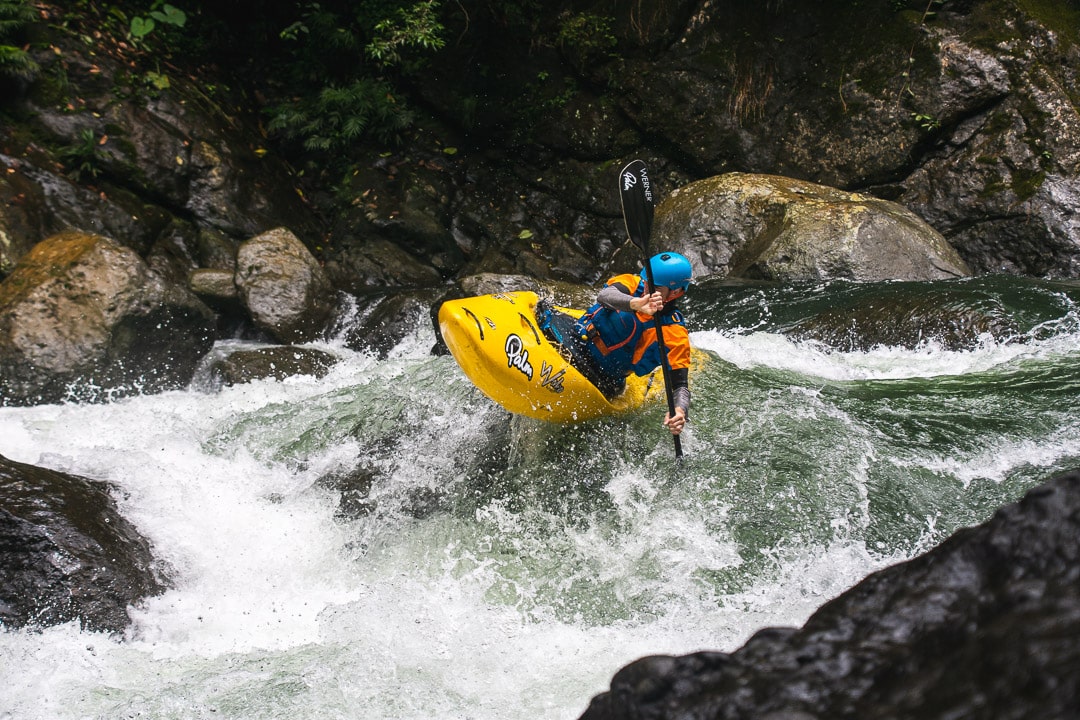
Credit: whitewaterkayakinghub.com
Safety Tips And Common Hazards
Boofing can help you avoid many dangers, but there are risks if you get it wrong. Here are some key safety points:
- Scout Drops First: Always look at the drop from shore if you’re unsure.
- Check Water Depth: Avoid boofing into shallow water—flat landings can hurt your back.
- Wear a Good PFD: A snug, high-quality personal flotation device is a must.
- Keep Your Paddle Ready: Be ready to brace after landing in case you tip.
- Boof with Friends: Never paddle new rivers or big drops alone.
One thing many beginners forget is to check the landing zone for hidden rocks or logs. Even a small rock can damage your kayak or injure you if you land flat.
Real-world Examples: Boofing On Famous Rivers
Some rivers are famous for their boof-friendly drops. For example, the Green River Narrows in North Carolina has several spots where boofing is the best way to stay safe. On the Lochsa River in Idaho, boofing helps paddlers avoid sticky holes and rocks.
Many top kayakers say that learning to boof well gave them the confidence to paddle harder rivers, travel to new places, and push their skills much further.
Boofing Equipment: Does Your Kayak Matter?
While boofing is mainly about technique, the kayak you use does make a difference. Modern whitewater kayaks are designed with:
- Planing hulls: Flat bottoms for easy skipping over water.
- Rockered bows: The front of the kayak curves up, making boofing easier.
- Strong construction: To absorb hard landings.
Paddles with a strong, stiff blade help you get a powerful boof stroke. A short kayak (7–9 feet) is usually easier to boof than longer boats.
Here’s a comparison of kayak types for boofing:
| Kayak Type | Boofing Ease | Typical Use |
|---|---|---|
| Creek Boat | Very easy | Steep, technical rivers |
| Playboat | Moderate | Waves, holes, tricks |
| River Runner | Easy | General rivers, mixed rapids |
If you’re buying a kayak and plan to paddle lots of drops, a creek boat is usually the best choice.
Two Non-obvious Boofing Insights
- Boof Timing Is River Dependent: The exact moment for your boof stroke changes with water level, current speed, and drop shape. Practicing in different conditions is key.
- Boat Trim Matters: How you sit in the kayak affects how well you boof. If your weight is too far back, you might spin out or lose control on landing. Adjust your seat and test in calm water.
Many beginners overlook these details, but they make a big difference as you progress.
Resources For Learning Boofing
To really master boofing, watch videos of expert kayakers and, if possible, take a class with a certified instructor. Practicing with experienced paddlers can help you improve faster and avoid bad habits.
You can find more information and safety tips from the Wikipedia Kayaking page, which covers the basics and more.
Frequently Asked Questions
What Is Boofing In Kayaking?
Boofing is a technique where you lift the front of your kayak as you go over a drop, ledge, or waterfall. This helps the kayak land flat and avoid diving underwater or getting stuck.
Is Boofing Only For Advanced Kayakers?
No, boofing is useful for all skill levels. Beginners can practice on small drops to build confidence and safety before trying harder rivers.
What Kind Of Kayak Is Best For Boofing?
Creek boats, with their flat hulls and rockered bows, are easiest for boofing. River runners also work well. Playboats are less ideal but can still boof on smaller features.
Can You Boof In Low Water Conditions?
Boofing is possible in low water, but you must be careful about shallow landings. Always check for rocks or other hazards before attempting a boof in low water.
How Do I Know If I Should Boof Or Plug A Drop?
Boof drops that are shallow, rocky, or have strong recirculating currents. Plug only in deep, clean waterfalls where diving the bow is safe and there are no hidden hazards.
Boofing is a skill that takes time and practice, but it’s one of the most rewarding parts of kayaking. With patience and the right technique, you’ll find yourself gliding over drops with more confidence—and having more fun—every time you hit the river.

Credit: paddling.com