
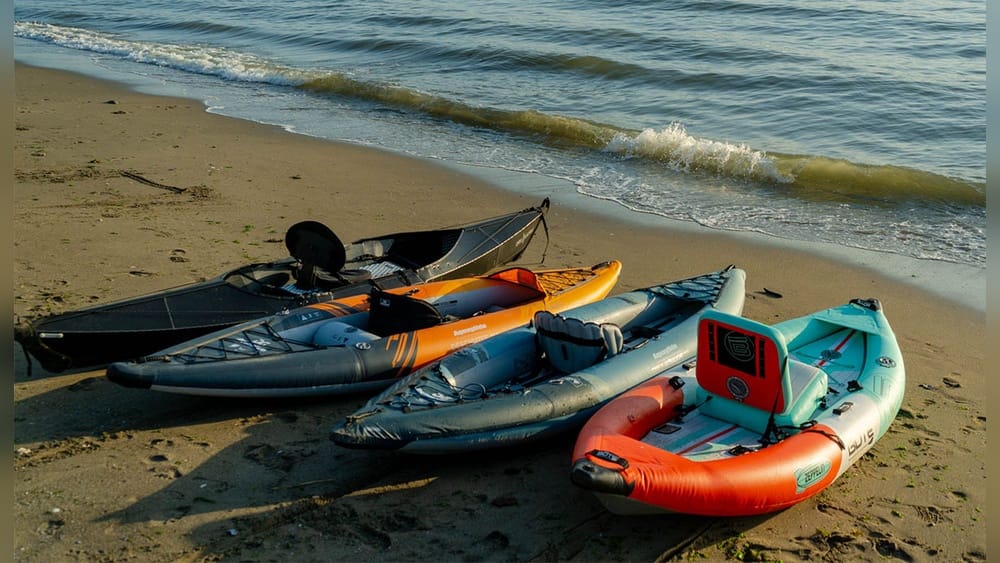
Choosing the best inflatable kayak can feel overwhelming. With so many brands, shapes, and features, it’s easy to get confused. But don’t worry. Whether you want to paddle on calm lakes, fast rivers, or even the sea, the right inflatable kayak can make your adventures safer and more fun.
This article will help you understand what makes a kayak the best for you, how to compare models, and which ones truly stand out.
Why Inflatable Kayaks Are Popular
Inflatable kayaks have changed the way people enjoy water sports. Unlike traditional kayaks, they are light, easy to carry, and quick to set up. You can pack one in your car, carry it to a lake, and start paddling in minutes.
Many people also like them because they take up less storage space at home.
Modern inflatable kayaks are made from strong materials such as PVC or drop-stitch fabrics. They can handle rough conditions and last for years if cared for properly. Some even perform almost as well as hard-shell kayaks, thanks to improved design and technology.
What Makes An Inflatable Kayak “the Best”?
Finding the best inflatable kayak depends on several factors:
- Durability: How strong is the material? Can it resist punctures and UV rays?
- Performance: Does it move well in water? Is it stable and easy to steer?
- Comfort: Are the seats padded? Is there enough legroom?
- Capacity: How many people can it carry? What is the weight limit?
- Portability: How easy is it to carry, inflate, and deflate?
- Price: Is it good value for the money?
You should also consider where you plan to use the kayak. For example, a river kayak needs to be more stable and tough than a kayak for calm lakes.
Comparing Top Inflatable Kayak Models
To make your choice easier, here is a comparison of some of the most popular inflatable kayaks available today:
| Model | Type | Weight | Max Capacity | Price Range |
|---|---|---|---|---|
| Intex Explorer K2 | Recreational | 30 lbs | 400 lbs | $120–$200 |
| Advanced Elements AdvancedFrame | Touring | 52 lbs | 550 lbs | $550–$650 |
| Sea Eagle 370 | Multi-use | 32 lbs | 650 lbs | $320–$400 |
| Aquaglide Chelan 120 | Performance | 28 lbs | 300 lbs | $700–$800 |
| Airhead Montana | Whitewater | 36 lbs | 400 lbs | $400–$500 |
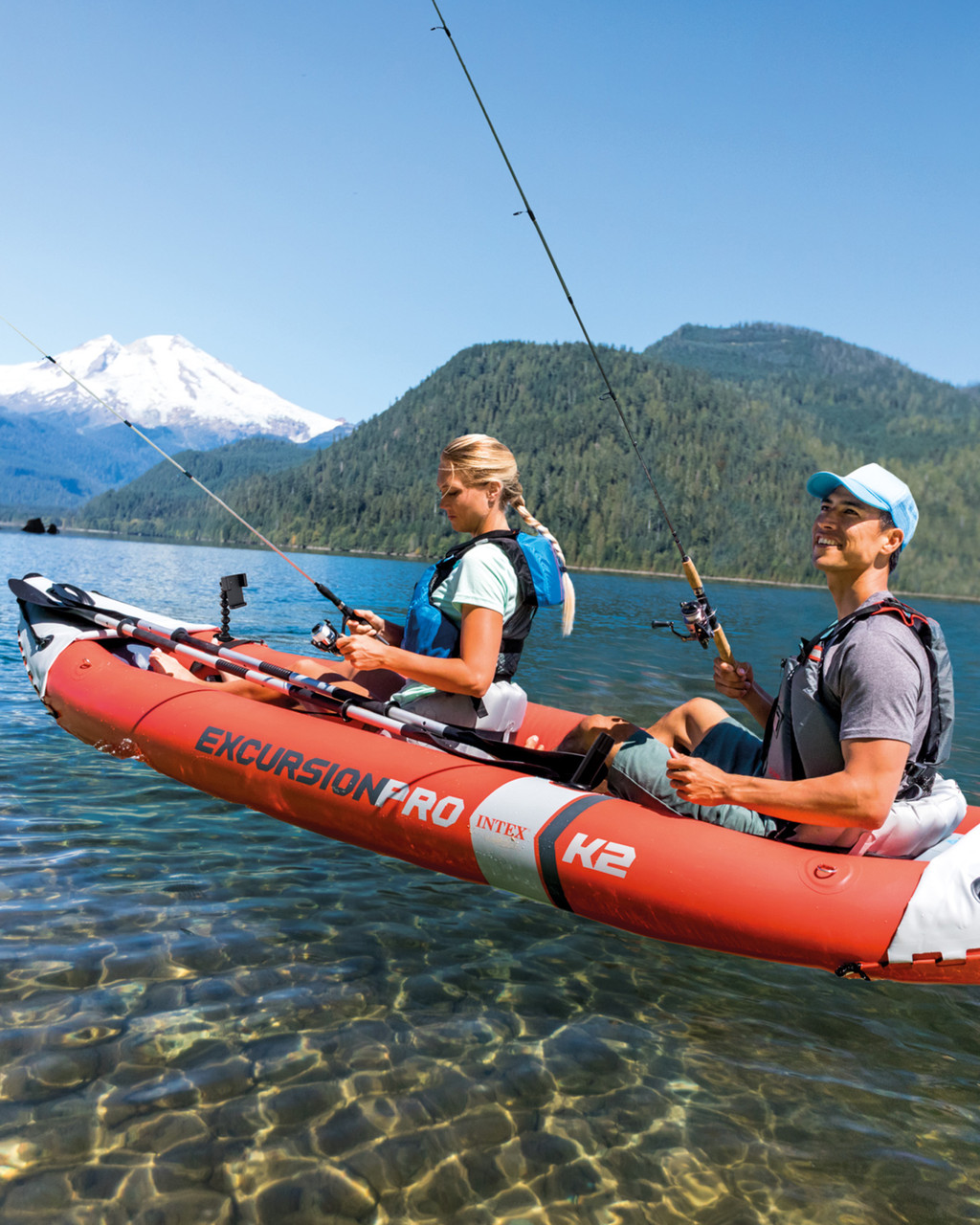
Each of these models fits a different need. For example, the Intex Explorer K2 is affordable and great for beginners. The AdvancedFrame is more expensive but offers better speed and tracking.
Detailed Features To Look For
Durability And Material
A good inflatable kayak must be tough. Look for multiple air chambers and reinforced hulls. PVC is common, but drop-stitch technology is stronger and gives a hard-shell feel. Kayaks with thick floors and side walls resist punctures better.
Performance And Stability
A kayak with a V-shaped hull or tracking fins moves straighter and faster. Wider kayaks are stable but slower. Narrow kayaks are faster but can tip easily. If you want to paddle in rivers with rocks, choose a model with a high-pressure floor for stability.
Comfort And Accessories
Check for adjustable seats, footrests, and back support. Some kayaks include paddles, pumps, and carry bags. The best models offer removable seats and extra storage space.
Capacity And Weight Limit
Think about who will use the kayak. Will you paddle alone or with a friend? Look for models with a high weight limit. A two-person kayak is often more flexible.
Portability
Inflatable kayaks should fold small and be light enough to carry. Some come with backpack-style bags. Quick inflation and deflation is important, especially if you travel often.
Credit: intexcorp.com
Top 5 Inflatable Kayaks In 2024
After checking reviews, testing, and user feedback, these five kayaks stand out in different categories:
1. Intex Explorer K2
This kayak is ideal for beginners and families. It is very affordable, easy to set up, and stable on calm water. The bright yellow color increases visibility. However, it’s not suitable for rough water or long trips.
2. Advanced Elements Advancedframe
Designed for serious paddlers, this kayak combines inflatable and hard-shell features. The aluminum frame improves tracking and speed. The material is thick and resists damage. It is heavier and costs more, but the performance is excellent.
3. Sea Eagle 370
Known for its versatility, the Sea Eagle 370 can handle up to three people. It works well on lakes, rivers, and even mild whitewater. The kayak is tough, easy to inflate, and offers a good balance between price and quality.
4. Aquaglide Chelan 120
This model is built for speed and comfort. The drop-stitch floor gives a rigid feel. Seats are adjustable, and the kayak tracks well. The price is higher, but serious paddlers love its performance.
5. Airhead Montana
Designed for whitewater, the Montana is rugged and flexible. It is shorter for better control and has strong seams and thick material. It is best for fast rivers and rough conditions.
Data Comparison For Features
Let’s look at how some features compare for these models:
| Model | Air Chambers | Inflation Time | Accessories Included |
|---|---|---|---|
| Intex Explorer K2 | 2 | 8 min | Paddles, pump, bag |
| AdvancedFrame | 3 | 10 min | Pump, bag |
| Sea Eagle 370 | 3 | 7 min | Paddles, pump, bag |
| Chelan 120 | 3 | 8 min | Bag, repair kit |
| Montana | 3 | 9 min | Pump, bag |
Choosing The Right Kayak For You
Ask yourself these questions before you buy:
- Where will you paddle most often? Calm water or rivers?
- Will you paddle alone or with others?
- Do you need extra storage for gear?
- How much weight can you carry when traveling?
- What is your budget?
People often make mistakes, like buying a kayak that is too small or doesn’t fit their needs. Always check the weight capacity and dimensions before ordering.
Two Insights Beginners Often Miss
- Inflation Pressure Matters: Many beginners don’t realize that correct air pressure changes kayak performance. Too little pressure makes the kayak floppy and hard to steer. Too much pressure can damage the seams. Always use a pressure gauge when inflating.
- Water Type Compatibility: Not all kayaks work well everywhere. For example, a kayak made for lakes won’t handle rapids safely. Look for models certified for specific water conditions. This can prevent accidents and help your kayak last longer.
Credit: gearjunkie.com
Maintenance And Safety Tips
To keep your inflatable kayak in top shape:
- Wash it after each use to remove dirt and salt.
- Dry completely before packing to prevent mold.
- Store in a cool, dry place away from sunlight.
- Check for leaks and patch small holes quickly.
- Use a life jacket and follow local water safety rules.
If you want more safety information, visit U.S. Coast Guard Boating Safety.
Most Common Buyer Mistakes
Many people rush to buy the cheapest kayak. This can lead to disappointment. Here are mistakes to avoid:
- Ignoring weight limits and buying too small.
- Choosing a kayak without enough air chambers.
- Forgetting about accessories like paddles and pumps.
- Not checking customer reviews or warranty details.
- Buying from unknown brands with poor safety records.
How Inflatable Kayaks Have Improved
Today’s inflatable kayaks are much better than older models. Many use drop-stitch floors for extra strength. Some have removable tracking fins for better control. Advanced valves make inflation easier and faster.
Professional tests show that newer kayaks can handle up to 650 pounds and last over five years with proper care. Performance is closer to hard-shell kayaks, especially on calm water.
Is An Inflatable Kayak Right For You?
Inflatable kayaks are great if you want something light, easy to carry, and fast to set up. They suit people who have limited storage or who travel often. However, if you need the best speed or plan to paddle in rough sea conditions, a hard-shell kayak may be better.
Most users are happy with inflatable kayaks for fishing, touring, and family trips. They also save money compared to renting or buying traditional kayaks.

Credit: www.theinertia.com
Frequently Asked Questions
What Is The Average Lifespan Of An Inflatable Kayak?
With proper care, most inflatable kayaks last 4–7 years. High-quality models using drop-stitch technology can last even longer. Avoid dragging your kayak on rocks and always dry it before storage.
Can Inflatable Kayaks Handle Rough Water?
Some models are designed for whitewater and can handle rapids. Look for kayaks with strong seams, multiple air chambers, and thick material. Never use a basic lake kayak in rough water.
How Long Does It Take To Inflate An Inflatable Kayak?
Most kayaks take 7–10 minutes to inflate with a manual pump. Electric pumps can speed this up. Always check the recommended air pressure and use a pressure gauge.
Are Inflatable Kayaks Safe For Children?
Yes, many inflatable kayaks are safe for kids when used in calm water. Always use life jackets and supervise children closely. Choose a stable, wide kayak for family trips.
Do Inflatable Kayaks Perform As Well As Hard-shell Kayaks?
Performance is improving. Inflatable kayaks now offer good speed and stability on lakes and rivers. However, hard-shell kayaks are still better for very rough water and professional racing.
Finding the best inflatable kayak depends on your needs and preferences. If you use the advice in this article, you’ll enjoy safer, more enjoyable trips on the water. Remember to check for durability, performance, and the right features. Happy paddling!