
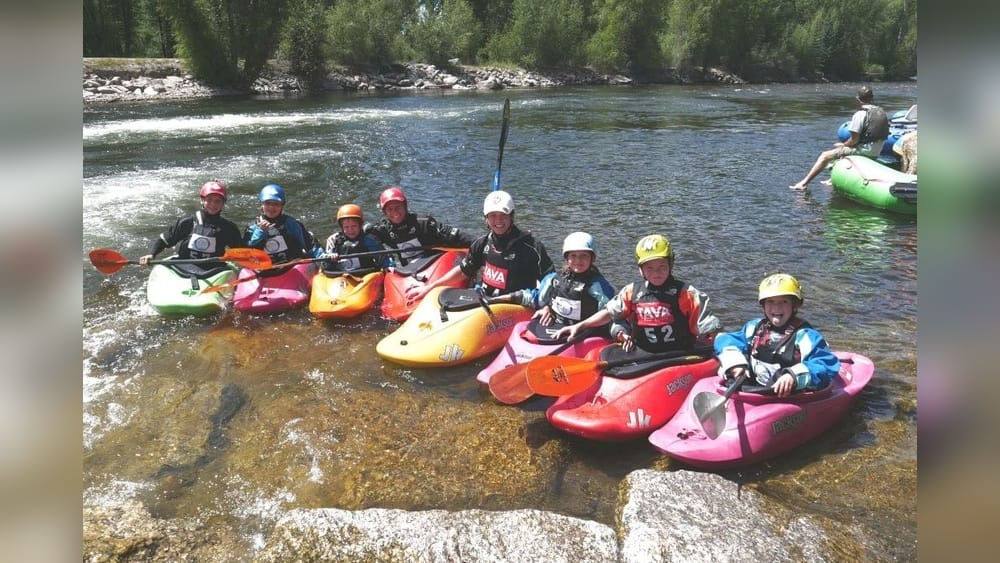
Kayaking is one of those activities people often see in travel magazines or adventure blogs and wonder, “Is it really as fun as it looks? ” The image of gliding over water, surrounded by nature, does attract many, but some hesitate, unsure if it’s worth the effort.
If you’re asking yourself, “Is kayaking fun? ”—you’re not alone. This article dives into what makes kayaking enjoyable for so many, who it suits best, what you can expect on your first trip, and the hidden joys beginners often miss.
Whether you’re thinking about your first paddle or simply curious, you’ll find everything you need here to decide if kayaking is your kind of fun.
What Makes Kayaking Fun?
Kayaking combines adventure, exercise, and nature in a way few other activities can. At its core, kayaking is about moving across water in a small, human-powered boat. But the experience is much more than that simple definition.
For many, the main fun comes from the sense of freedom. You can explore lakes, rivers, or even the sea at your own pace. Every trip feels unique because water conditions, weather, and wildlife always change. Some people love the peacefulness of kayaking on a calm lake, while others seek the adrenaline rush of paddling through whitewater rapids.
Another part of the enjoyment is the connection with nature. Kayaking brings you close to animals, birds, and plants that you can’t see from land. It’s common to spot turtles sunbathing, fish jumping, or birds flying low over the water. This feeling of being “in the middle of it all” is hard to match.
Finally, kayaking is a social activity. You can kayak alone or with friends. Some people join local clubs or group tours. Sharing laughs, stories, and even small challenges makes the trip memorable. Many lifelong friendships start with a shared kayaking adventure.
Different Types Of Kayaking And The Fun Factor
Not all kayaking is the same. The type of kayaking you choose changes the kind of fun you’ll have. Here’s a look at some popular styles:
Recreational Kayaking
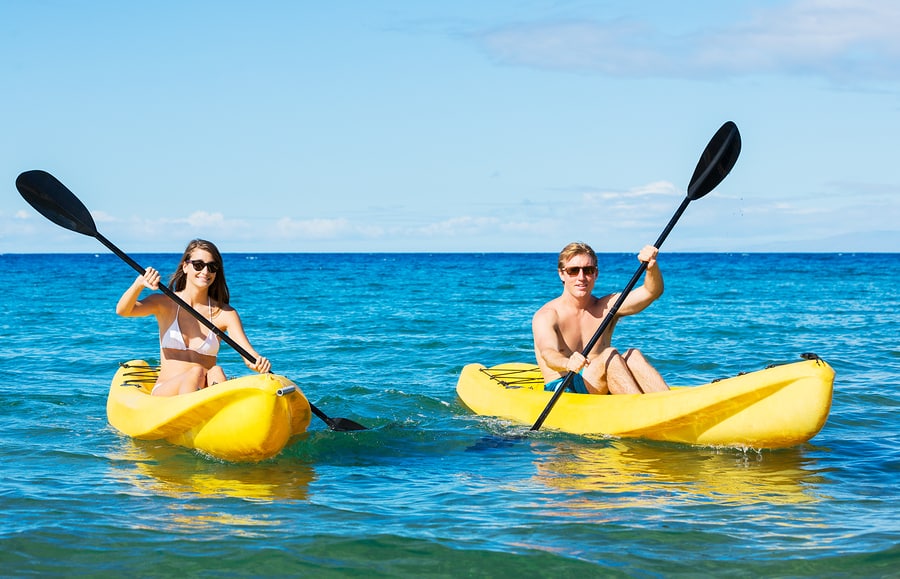
This is the most common and beginner-friendly type. Recreational kayaks are stable and easy to control. People use them on calm lakes, slow rivers, or sheltered bays. The focus is on relaxation, gentle exercise, and enjoying the scenery.
Sea Kayaking
Sea kayaking is for those who want to explore coastal areas, islands, or open water. These kayaks are longer and designed to handle waves and wind. The fun comes from adventure, discovering hidden beaches, and sometimes watching dolphins or seals.
Whitewater Kayaking
For thrill-seekers, whitewater kayaking is the ultimate challenge. It involves paddling on rivers with rapids, rocks, and drops. The fun here is pure adrenaline, testing your skills and reacting quickly. It’s not for beginners, but for those who learn it, it’s deeply exciting.
Kayak Fishing
Some people use kayaks to fish in spots unreachable from land. Kayak fishing is peaceful and lets you get close to fish without scaring them away. The fun is in the patience, skill, and surprise of catching something in a unique location.
Touring And Expedition Kayaking
Touring kayaks are made for long distances. Expeditions can last days or even weeks. The fun here is the sense of achievement—covering miles, camping by the water, and discovering new places.
Credit: www.americanwatersports.net
What Beginners Usually Miss About Kayaking
Many first-timers focus only on whether they’ll tip over or get wet. But kayaking has hidden joys and practical benefits that beginners often miss:
- Mindfulness and Stress Relief: The gentle sound of the paddle, the rhythm of movement, and the closeness to water all help you relax. Even a short trip can clear your mind.
- Wildlife Encounters: Animals are less afraid of kayaks than of people on foot. You’ll often see birds, fish, and even mammals up close.
- Physical Benefits: Kayaking is a low-impact workout. It helps build arm, shoulder, and core strength without stressing your joints.
- Confidence Boost: Every time you paddle further or learn a new skill, you feel more capable. This confidence often carries into other parts of life.
- Unique Perspective: You see the world from water level. Sunsets, forests, and cliffs look different—and often more beautiful—when viewed from a kayak.
Is Kayaking Fun For Everyone?
While kayaking is fun for most people, it’s not always the perfect fit for everyone. Here are some points to consider:
- Physical Requirements: You don’t need to be an athlete, but basic fitness helps. If you can walk a few miles, you can likely handle kayaking.
- Fear of Water: If you’re very afraid of water, kayaking may feel stressful at first. But with a good life jacket and calm conditions, many people overcome this.
- Age Range: Kayaking is popular with children, adults, and seniors. Many rental places offer tandem kayaks, so you can paddle together.
- Accessibility: Some locations offer special kayaks or assistance for people with disabilities.
The key is to start with easy conditions and build up confidence. Most people, once they try, discover that kayaking is more fun and less scary than they expected.
Comparing Kayaking To Other Outdoor Activities
How does kayaking stack up against other popular outdoor hobbies? This comparison may help you decide:
| Activity | Physical Effort | Scenery | Skill Needed | Social Factor |
|---|---|---|---|---|
| Kayaking | Moderate | Excellent | Low to High | Flexible |
| Hiking | Moderate | Good | Low | Flexible |
| Biking | High | Varied | Moderate | Flexible |
| Swimming | High | Limited | Low | Low |
Kayaking stands out for scenic views and flexible social options. You can paddle solo for quiet time or with a group for fun and laughter.
What You Need To Start Kayaking
Getting started with kayaking is easier than most people think. Here’s what you’ll need:
- A kayak: Choose a recreational kayak for your first time. These are stable and forgiving.
- Paddle: A lightweight paddle sized for your height. Rental shops can help you choose.
- Personal Flotation Device (PFD): Always wear a life jacket made for paddling.
- Appropriate clothing: Quick-dry clothes and water shoes are best. Avoid cotton, which stays wet.
- Safety gear: A whistle, sunscreen, hat, and water bottle.
- Basic instruction: Many rental shops or clubs offer short lessons.
You don’t need to buy everything right away. Try renting equipment at first. This lets you see what you enjoy before making a big investment.
The Real Experience: What A Day Kayaking Feels Like
Imagine arriving at a quiet lake on a sunny morning. You slip your kayak into the water, feeling it rock gently beneath you. The paddle dips in, and you push off from shore. At first, every movement feels new, but soon you find a rhythm—stroke, glide, stroke, glide.
The world feels different on water. Sounds are softer. Birds seem closer. The air is fresh. You notice ripples, reflections, and the splash of a fish. Time slows down.
If you go with friends, you chat and laugh, sometimes racing, sometimes drifting side by side. If you go alone, it’s peaceful—a chance to think, or simply enjoy the silence.
After a couple of hours, you return to shore. Muscles are pleasantly tired, but you feel refreshed. Many people say they feel happier and more relaxed after kayaking than after most other sports.
Safety Considerations That Add To The Fun
Some people worry that safety concerns will ruin the fun. In reality, understanding basic safety makes kayaking more enjoyable, not less. Here’s why:
- Preparation builds confidence: When you know how to handle your kayak, you worry less and enjoy more.
- Good equipment matters: A proper life jacket, a stable kayak, and checking the weather mean you can focus on the experience.
- Learning new skills: Practice self-rescue, reading currents, and paddling techniques. These skills make each trip safer and more fun.
Most accidents happen when people skip basic safety steps. If you paddle within your ability and respect nature, kayaking remains one of the safest water sports.
Surprising Benefits That Make Kayaking Extra Fun
Besides the obvious joys, kayaking brings some unexpected benefits:
- New friendships: Kayaking groups are welcoming. You’ll meet people from all walks of life.
- Travel opportunities: Kayaking opens up places you can’t reach by car or foot—hidden coves, remote lakes, and untouched beaches.
- Skill development: As you improve, you can try new styles—like whitewater or sea kayaking.
- Mental clarity: The combination of fresh air, water, and gentle movement helps with focus and creativity.
Cost Comparison: Is Kayaking An Affordable Hobby?
Many people worry about the cost. The good news is that kayaking can be as affordable or as luxurious as you want. Here’s a cost comparison with other common hobbies:
| Activity | Start-up Cost (USD) | Ongoing Cost (per trip) |
|---|---|---|
| Kayaking (renting) | 20–50 | 20–40 |
| Kayaking (buying gear) | 400–1,500 | Low |
| Golf | 300–2,000 | 30–100 |
| Gym membership | 50–200 | 30–60 (monthly) |
| Fishing | 50–500 | 10–30 |
Renting a kayak is a low-cost way to try the sport. If you decide to buy your own gear, the investment pays off over time.

Credit: aldercreek.com
Tips For Making Kayaking More Fun
To get the most out of kayaking, keep these tips in mind:
- Start small: Choose calm water and short trips until you’re comfortable.
- Bring a friend: Sharing the experience doubles the fun and adds safety.
- Pack snacks and water: A break with a good view makes any trip better.
- Try new places: Explore different lakes, rivers, or coastal areas.
- Take a lesson: Even experienced paddlers learn new skills from a guide.
- Respect nature: Leave no trace and enjoy the wildlife without disturbing it.
- Join a club: Local clubs organize group trips and offer advice to newcomers.
Remember, every kayaker was a beginner once. The more you paddle, the more enjoyable it becomes.
Frequently Asked Questions
Is Kayaking Difficult For Beginners?
Most beginners find kayaking easier than they expect, especially on calm water. With a short lesson and the right equipment, almost anyone can learn the basics in less than an hour.
Can Non-swimmers Go Kayaking?
Yes, non-swimmers can kayak safely as long as they wear a life jacket and stay in calm, shallow water. It’s wise to tell your instructor or guide about your swimming ability for extra support.
Is Kayaking Safe For Children?
Kayaking is safe for children when using child-sized life jackets and staying close to shore. Tandem kayaks allow an adult and child to paddle together, making it a fun family activity.
What Should I Wear When Kayaking?
Wear quick-drying clothes, a hat, and water shoes. Avoid cotton, as it holds water and can make you cold. Bring a waterproof jacket if the weather is cool or windy.
Where Can I Learn More About Kayaking Safety And Best Practices?
You can find detailed safety tips and paddling techniques from organizations like the American Canoe Association, which offers resources for all skill levels.
Kayaking offers fun, adventure, and relaxation for people of almost any age or experience. With a little preparation, you’ll discover why so many people return to the water again and again. If you’re looking for a new way to enjoy nature, meet people, or simply unwind, kayaking might just be your next favorite activity.

Credit: yak-works.com