
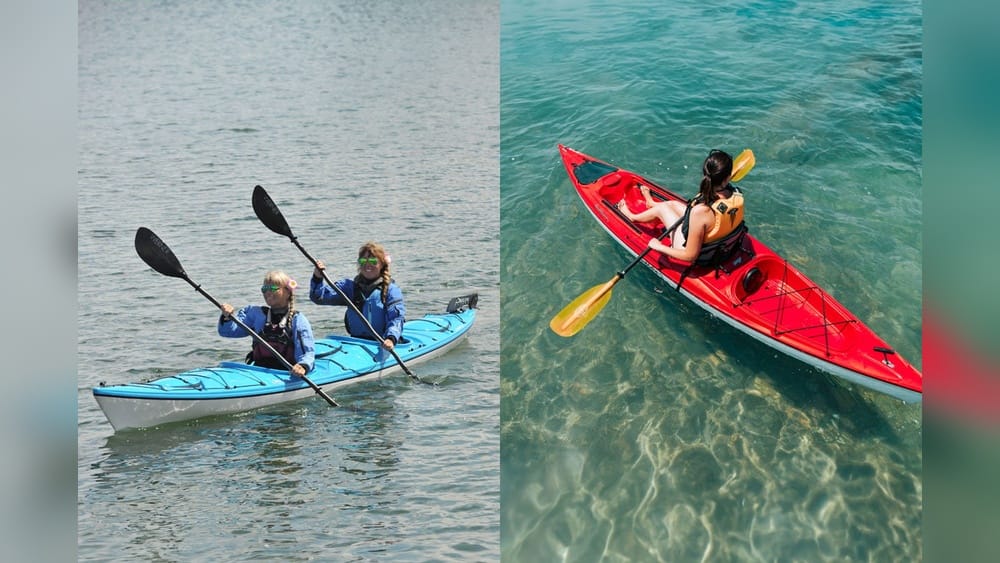
Kayak Sit on Vs Sit in: A Complete Comparison for Every Paddler
Choosing the right kayak can turn a simple day on the water into a fantastic experience—or a frustrating one. If you’re new to kayaking, you might not know if a sit-on-top kayak or a sit-in kayak is better for you. Even experienced paddlers sometimes wonder if they’re missing out by sticking with one style. The truth is, both types of kayaks have strong points and weak spots. This guide will help you understand the real differences, benefits, and limits of each. You’ll also see how they perform in different situations, what mistakes to avoid, and which one might suit your personal paddling style.
Let’s dive into the world of sit-on and sit-in kayaks. We’ll look at everything from comfort and safety to speed, cost, and even how easy they are to get in and out of. By the end, you’ll feel confident about picking the right kayak for your next adventure.
What Are Sit-on-top Kayaks?
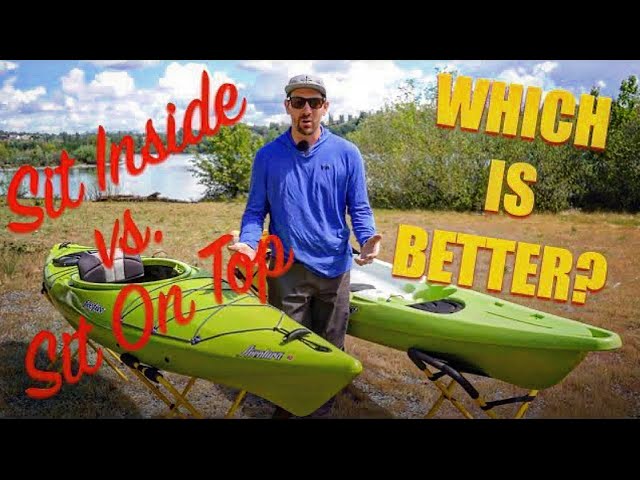
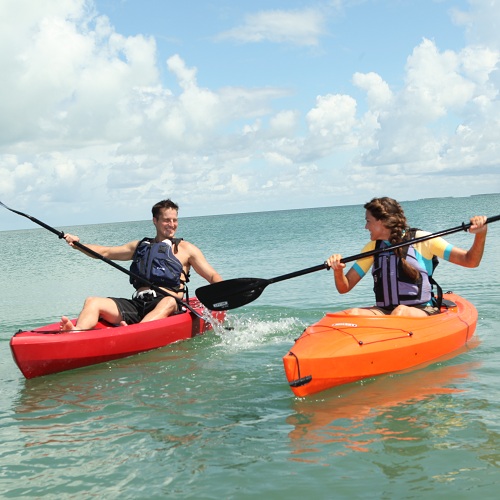
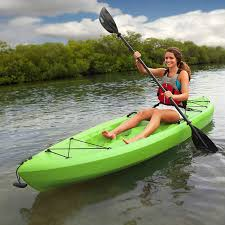
Sit-on-top kayaks are easy to recognize. You sit on a molded seat on top of the kayak, instead of inside a cockpit. Your legs and body are exposed, and there are usually small holes called scupper holes that let water drain out.
These kayaks are popular for:
- Recreational paddling in warm weather
- Fishing because of their open deck
- Beginners who want something simple and stable
Sit-on-top kayaks are often made from strong, heavy-duty plastic. They are built to handle bumps, rocks, and even rough handling at the shore. Many models have spaces for gear, fishing rods, or coolers.
Key Features
- Open deck: Easy to get on and off, good for swimming breaks.
- Self-draining: Water drains out on its own through scupper holes.
- Stability: Usually wide and hard to tip over.
- Storage: Often have spots for gear, though usually not waterproof.
Who Buys Them?
People who paddle in warm climates, families, and those who want a kayak that’s hard to tip over often choose sit-on-top models. They’re also a favorite for anglers and people who like to snorkel or swim from their kayak.
What Are Sit-in Kayaks?
Sit-in kayaks are what most people picture when they think of classic kayaking. You sit inside a cockpit with your legs under the deck. Some models have a spray skirt that keeps water out.
These kayaks are used for:
- Touring and long-distance paddling
- Racing and fitness paddling
- Cold-weather or rough-water paddling
Sit-in kayaks come in many shapes and lengths. Some are short and stable, while others are long and narrow for speed.
Key Features
- Cockpit: You sit inside, with your legs under the deck.
- Protection: The deck protects your lower body from wind, sun, and splashes.
- Spray skirt option: Keeps water out in rough or cold conditions.
- Efficient paddling: Often faster and easier to keep straight.
Who Buys Them?
People who paddle in colder weather, want more speed, or plan to travel longer distances usually pick sit-in kayaks. They’re also common in kayaking clubs and among those who like practicing advanced skills.
Main Differences Between Sit-on-top And Sit-in Kayaks
It’s not just about where you sit. Let’s compare the two styles in ways that matter most to paddlers.
| Feature | Sit-On-Top | Sit-In |
|---|---|---|
| Seating position | On top, open to air | Inside cockpit, legs covered |
| Water drainage | Self-draining (scupper holes) | Water stays inside, must be emptied |
| Entry/Exit | Very easy, just step on/off | Can be tricky, especially in deep water |
| Weather protection | Low, you’re exposed | High, legs and lower body covered |
| Storage | Open, often not waterproof | Inside hull, often dry and secure |
Stability And Safety
Stability
One big reason beginners love sit-on-top kayaks is their excellent stability. They’re usually wider and have a flat bottom. This makes them hard to tip by accident. Even if you do fall off, you can climb back on easily.
Sit-in kayaks can also be stable, but some are narrow and “tippy. ” This is true for racing or touring models that are built for speed. Recreational sit-in kayaks are wider and more stable.
Safety
Both kayak types are safe when used as designed, but the risks are different:
- If you flip a sit-on-top kayak, you end up in the water but the kayak won’t fill up or sink. Climbing back on is easy.
- If you flip a sit-in kayak, water can fill the cockpit. You need to know how to empty it or do a “wet exit.”
Non-obvious insight: In cold water, a sit-in kayak can be much safer because it keeps your lower body out of the wind and water. Hypothermia is a real risk if you’re wet and exposed for long.
Comfort For Short And Long Trips
Short Trips
For an afternoon paddle, comfort is about freedom. Sit-on-top kayaks give you more room to move your legs, stretch, or even jump off for a swim. You don’t feel cramped, and getting back on is easy.
Long Trips
On a long trip, comfort means support. Sit-in kayaks often have better back support and let you brace your knees against the inside for control. Your legs stay dry and warm. However, if you’re tall or dislike tight spaces, some sit-in cockpits can feel cramped.
Pro tip: Try sitting in both types before buying. Some sit-on-tops now have adjustable seats and footrests for better comfort on long paddles.
How They Handle In The Water
Speed
Sit-in kayaks are generally faster. They sit lower in the water, which means less wind slows you down. They’re also easier to paddle straight over long distances.
Sit-on-top kayaks are wider and heavier, so they’re usually slower. For fishing or fun on a lake, speed may not matter. But if you want to cover distance, a sit-in will feel much quicker.
Control
Sit-in kayaks often have more precise control. You can “edge” the kayak (lean it for turning) by bracing your knees inside. This makes it easier to handle in wind or currents.
Sit-on-top kayaks turn well but are harder to control in rough conditions. The higher seating position means you catch more wind.
Non-obvious insight: In strong wind, sit-on-top kayaks can drift faster because you sit higher above the water. This can surprise paddlers used to calm conditions.
Getting In And Out
If you have knee or mobility problems, the way you get into a kayak matters.
- Sit-on-top kayaks: Step on, sit down, and go. If you fall off, just climb back up from the water.
- Sit-in kayaks: You need to slide legs in, which can be hard for some. If you tip over, getting back in on the water is more difficult.
This is why sit-on-tops are popular for families, kids, and anyone who wants a “no-fuss” experience.
Storage And Transport
On The Water
Sit-in kayaks often have dry storage inside the hull. You can keep things like phones, food, or cameras safe from water. Sit-on-top kayaks have bungee straps and open wells, which are easy to reach but not waterproof.
Off The Water
Sit-on-top kayaks are often heavier and bulkier. They can be hard to carry or load on a car by yourself. Sit-in kayaks are sometimes lighter and easier to transport, especially the smaller models.
Packing For Trips
If you want to go camping or on a long trip, sit-in kayaks let you store gear inside. This keeps the kayak balanced and your stuff dry. Sit-on-tops have less protected storage, so gear can get wet.
Weather And Water Conditions
Warm Weather
Sit-on-top kayaks are perfect for hot days. If you get wet, it doesn’t matter. You can jump in the water to cool off. Many people use them at the beach or for snorkeling trips.
Cold Weather
Sit-in kayaks are better in cold water or wind. The deck blocks spray and wind, keeping you warmer. You can even add a spray skirt for extra protection.
Rough Water
For ocean paddling, many experts prefer sit-in kayaks. They handle waves and wind better, and you’re less likely to get tossed out. Some sit-on-tops are made for surf, but most are best in calm water.
Important: If you plan to paddle where there are strong currents or waves, learn basic rescue skills. This applies to both types but is essential for sit-in kayaks.
Fishing, Diving, And Other Activities
Fishing
Most fishing kayaks are sit-on-top. The open deck is easier for casting, reeling in fish, and keeping gear handy. You can even stand up in some models. There’s less worry about tipping over when you move.
Sit-in kayaks for fishing exist, but they’re less common. You may feel cramped, and it’s harder to reach gear.
Diving And Swimming
Sit-on-tops are the best choice. You can slide off to swim or dive, and getting back on is simple. Sit-in kayaks make this almost impossible unless you return to shore.
Photography And Birdwatching
Sit-on-top kayaks offer more freedom to turn, reach for cameras, or move around. But if you want to sneak up on wildlife in cold weather, a sit-in kayak keeps you warm and quiet.
Cost And Value
Kayak prices cover a wide range. Here’s a quick breakdown:
| Kayak Type | Entry-level Price (USD) | Mid-range Price (USD) | High-end Price (USD) |
|---|---|---|---|
| Sit-On-Top | $250 – $400 | $500 – $900 | $1,000+ |
| Sit-In | $300 – $500 | $600 – $1,200 | $1,500+ |
Note: Fishing-specific or specialty kayaks can cost more. Always compare the quality of seats, storage, and materials.
Durability And Maintenance
Both kayak types are tough, but there are a few differences:
- Sit-on-top kayaks: Usually made of thick plastic. They resist bumps and scrapes. If water gets inside the hull (rare), draining can be hard.
- Sit-in kayaks: Also tough, but thinner models may crack if dropped on rocks. Watch for leaks around the cockpit rim.
Cleaning both types is simple—just rinse with fresh water after use. Check for cracks or leaks each season.
Pro tip: For saltwater use, rinse thoroughly. Salt can damage any kayak over time.
Credit: www.youtube.com
Customization And Accessories
Modern kayaks come with many options:
- Sit-on-tops: Easy to add rod holders, fish finders, or coolers. Many have tracks or mounts for gear.
- Sit-in kayaks: More limited, but you can add spray skirts, dry bags, or deck lines.
Check if the model you want has the right mounts or space for the accessories you need.
Learning Curve And Skill Level
Sit-on-top kayaks are easy for beginners. You don’t need special skills to get started. If you tip over, you just climb back on.
Sit-in kayaks require some learning, especially if you paddle in rough water. Practicing a “wet exit” (getting out if you flip) is important. Advanced paddlers can learn to roll the kayak back up, but this takes practice.
Non-obvious insight: Many paddlers start with a sit-on-top and move to a sit-in kayak as they gain confidence and want to paddle longer or in harder conditions.
Common Buyer Mistakes
- Choosing by looks only: Pick a kayak that fits your body and your main activities, not just one that looks cool.
- Ignoring local conditions: Warm, calm lakes are perfect for sit-on-tops. Cold, windy places are better for sit-ins.
- Forgetting about transport: Some sit-on-tops are very heavy. Make sure you can carry and load your kayak.
- Not testing first: Sit in both types if possible. Comfort matters!
- Skipping safety gear: Always wear a personal flotation device (PFD) and bring a whistle or signaling device.
Real-life Examples
Example 1: Family At The Lake
A family with kids buys two sit-on-top kayaks for summer fun. The kids jump off for a swim, and the parents like the stability. Even when one kayak flips, getting back on is easy.
Example 2: Touring Enthusiast
A solo paddler wants to explore long river routes. He chooses a sit-in touring kayak. His legs stay dry, he moves faster, and he can pack camping gear inside the hull. In rough water, the spray skirt keeps him warm.
Example 3: Fisherman’s Choice
An angler picks a wide, stable sit-on-top kayak with rod holders. He can stand up to cast and keep his gear within reach. Getting wet isn’t a problem in the summer.
Credit: www.lifetime.com
Which Kayak Should You Choose?
Think about these questions:
- Where will you paddle most often? (Warm lakes, cold rivers, ocean?)
- Will you paddle alone or with friends/family?
- Do you plan to fish, camp, or just explore?
- Are you comfortable getting in and out of a cockpit?
- Will you paddle in cold weather?
If you want a kayak that’s easy, safe, and fun for all ages, a sit-on-top kayak is a smart choice. If you want speed, protection from the elements, or plan longer trips, a sit-in kayak is likely better.
Quick Reference Comparison
Here’s a summary to help you decide at a glance:
| Situation | Best Choice | Why |
|---|---|---|
| Warm, calm water | Sit-On-Top | Easy to use, safe, fun for swimming |
| Cold or rough water | Sit-In | Stay dry, better control, safer in bad weather |
| Fishing/diving | Sit-On-Top | Open deck, easy access to gear |
| Long-distance touring | Sit-In | Speed, dry storage, comfort |
| Family fun | Sit-On-Top | Stable, simple, safe for beginners |
Credit: dockcraft.com
Final Thoughts
The choice between a sit-on-top and sit-in kayak isn’t about which is “best.” It’s about which is best for you, your local conditions, and your paddling plans. Try both if you can. Remember, your skills will grow over time, and you might switch styles as your confidence builds.
For more details about kayak types and safety, check out this resource: Wikipedia: Kayak.
Frequently Asked Questions
What Is The Main Difference Between A Sit-on-top And Sit-in Kayak?
The main difference is where you sit. On a sit-on-top, you sit on top of the kayak, exposed to the air. On a sit-in, you sit inside a cockpit with your legs under the deck. This affects how dry you stay, how easy it is to get in and out, and how the kayak handles in different conditions.
Are Sit-on-top Kayaks Safer Than Sit-in Kayaks?
Both types are safe if used correctly. Sit-on-tops are easier to climb back onto if you fall off, and they don’t fill with water. Sit-in kayaks are safer in cold or rough water because they protect you from the elements, but you need to know how to get out if you tip over.
Which Type Is Better For Fishing?
Sit-on-top kayaks are usually better for fishing. They have open decks, are stable enough to stand on, and make it easy to reach gear. Most fishing kayaks are sit-on-top designs.
Can You Use A Sit-in Kayak In The Ocean?
Yes, many sit-in kayaks are designed for ocean paddling. They handle waves and wind well, especially with a spray skirt. But you should learn rescue skills before paddling in rough conditions.
Which Kayak Is Better For Beginners?
Most beginners find sit-on-top kayaks easier and more forgiving. They’re stable, simple to use, and make getting in and out easy. Sit-in kayaks are great too, but require a little more practice, especially if you want to paddle in rough water.