
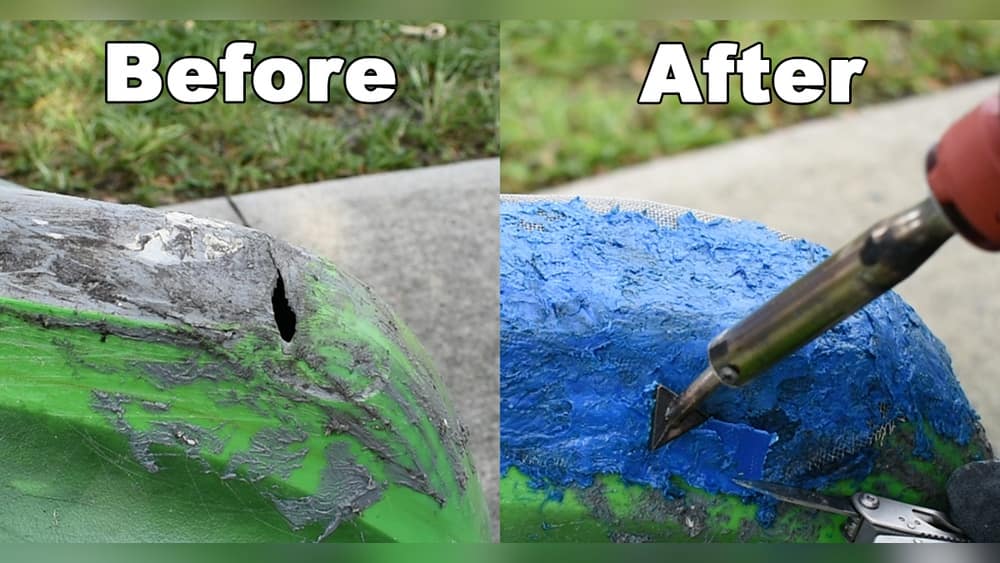
Every kayaker knows that accidents can happen on the water. One moment you’re gliding across a calm lake, the next you hear a sharp scrape or feel a strange wobble. You pull your kayak out, turn it over, and find a hole.
It might look small, but even a tiny breach can let in water and ruin your day. If you don’t fix it the right way, it could also damage your kayak permanently. The good news is, repairing a hole in a kayak is something most people can do themselves with the right tools, materials, and guidance.
This guide will take you through every step you need to fix a hole in a kayak—whether it’s plastic, fiberglass, or inflatable. You’ll also learn how to pick the right repair method, which materials to use, and what mistakes to avoid.
Even if you’re new to kayak repairs, you’ll finish this article ready to tackle the problem with confidence.
Understanding The Damage
Before you start the repair, it’s important to know what kind of kayak material you’re dealing with. The repair method and materials you choose depend on whether your kayak is made from polyethylene (plastic), fiberglass, or inflatable PVC/TPU.
Common Kayak Materials
- Polyethylene (Plastic): Most recreational and fishing kayaks are made from this tough, flexible plastic. It’s durable but can be tricky to glue, so heat-welding is often needed.
- Fiberglass: Lightweight and rigid, often used in touring and sea kayaks. Repairs are usually done with resin and fiberglass cloth.
- Inflatable (PVC or TPU): Portable kayaks made from flexible plastic. Repairs use adhesives and patches.
Assessing The Hole
- Small cracks (<1 inch):Can often be patched or welded quickly.
- Medium holes (1–3 inches): Require more support and careful sealing.
- Large holes (>3 inches): May need extra reinforcement, possibly with backing material.
Look for any stress fractures, multiple cracks, or soft spots around the damage, as these might need to be reinforced during your repair.
Tools And Materials You’ll Need
Gather these basic tools and materials before you begin. Having everything ready will make the repair smoother.
- Protective gloves and goggles
- Clean, dry cloths
- Sandpaper (80–120 grit)
- Utility knife or razor blade
- Heat gun (for plastic kayaks)
- Fiberglass cloth and resin (for fiberglass kayaks)
- Repair patches (for inflatables)
- Waterproof epoxy or marine adhesive
- Denatured alcohol or acetone for cleaning
- Painter’s tape or masking tape
- Flat scraper or putty knife
Some kayak brands also sell repair kits specific to their models. These can be handy, but you don’t need them to do a good repair.

Credit: www.youtube.com
How To Fix A Hole In A Plastic Kayak
Plastic kayaks are the most common type. Fixing a hole in one usually means plastic welding—essentially melting plastic into the hole so it bonds with the kayak body.
Step 1: Clean And Prep The Area
Dry the kayak completely. Use a clean cloth and denatured alcohol to remove dirt, oil, or wax from around the hole. Sand the edges gently with 80–120 grit sandpaper to give the repair material something to grip.
Step 2: Shape The Hole
Use a utility knife to trim any rough edges or loose plastic around the hole. A clean edge helps the new material bond better.
Step 3: Heat-weld The Patch
You’ll need a heat gun (or a specialized plastic welding tool) and a plastic welding rod or scrap polyethylene.
- Turn the heat gun to medium-high and warm the area around the hole until it’s slightly soft.
- Hold the welding rod against the hole, heating both the rod and kayak so they melt together.
- Use a flat scraper to spread the melted plastic smoothly across the hole.
- Work slowly to avoid burning the plastic.
Let it cool for 30–60 minutes. If the hole is large, weld a patch (cut from a similar kayak, if possible) over the hole for extra strength.
Step 4: Sand And Finish
Once the plastic is cool and hard, sand it smooth to remove any sharp edges. Test the repair by gently pressing around the area.
Non-obvious tip: Use a colored plastic rod that matches your kayak for a cleaner look. Also, always heat from the outside in—overheating the center can cause weak spots.
How To Fix A Hole In A Fiberglass Kayak
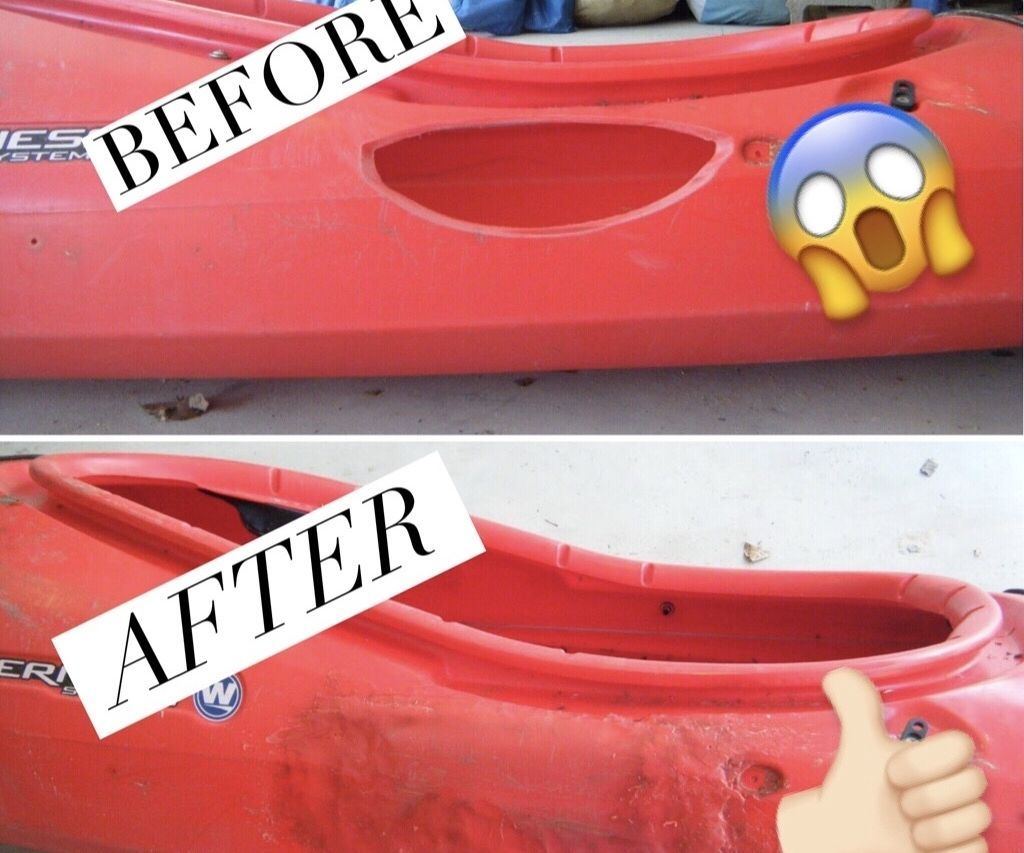
Fiberglass repairs use resin and cloth to rebuild the damaged area.
Step 1: Clean And Sand
Wipe the area with alcohol or acetone. Sand a 2-inch area around the hole to remove gloss and help the resin stick.
Step 2: Prepare The Patch
Cut one or more layers of fiberglass cloth so they cover the hole with at least a 1-inch margin. For bigger holes, cut several patches, each slightly larger than the last.
Step 3: Mix And Apply Resin
Mix marine epoxy resin according to the package instructions. Wear gloves and work in a ventilated area.
- Brush resin onto the sanded area.
- Lay the smallest patch over the hole and press it into the resin.
- Brush more resin over the patch.
- Lay the next largest patch and repeat until all layers are applied.
Step 4: Cure And Sand
Let the repair cure fully (usually 8–24 hours). Sand it smooth, then wipe clean. For best results, spray with matching paint or apply a UV-protective finish.
Non-obvious tip: Apply the smallest patch first, then layer larger ones over it. This creates a stronger, smoother repair.
Credit: www.instructables.com
How To Fix A Hole In An Inflatable Kayak
Inflatable kayaks need special care because the material is flexible and air-tight.
Step 1: Dry And Mark The Area
Deflate the kayak and dry the damaged area. Mark a circle around the hole with a pen.
Step 2: Clean And Roughen
Clean with soap and water, then wipe with alcohol. Lightly sand the area around the hole to help the glue stick.
Step 3: Prepare And Apply The Patch
Cut a PVC or TPU patch at least 1 inch larger than the hole. Round the corners to prevent peeling. Apply a thin layer of adhesive to both the patch and kayak.
Wait 2–3 minutes for the glue to become tacky, then press the patch firmly onto the hole. Roll out any air bubbles with a spoon or roller.
Step 4: Cure And Test
Let the patch cure for at least 12 hours before inflating. Test for leaks by spraying soapy water and watching for bubbles.
Non-obvious tip: If the patch lifts at the edges, add a bead of adhesive around the patch for extra sealing.
Choosing The Right Repair Method
Not sure which method is best for your kayak? Here’s a quick reference:
| Kayak Material | Best Repair Method | Common Mistakes |
|---|---|---|
| Polyethylene (Plastic) | Plastic welding | Using glue (it rarely holds) |
| Fiberglass | Resin & fiberglass cloth | Insufficient sanding/prep |
| Inflatable (PVC/TPU) | Patch with adhesive | Patching when damp or dirty |
If you’re unsure, check your kayak’s manual or the manufacturer’s website for material info.
Testing Your Repair
After the repair, always check for leaks before heading back to the water.
Water Test
Fill the kayak with a small amount of water and look for drips around the repair. For inflatables, spray soapy water and watch for bubbles.
Strength Test
Press around the repaired area. It should feel firm, not soft or spongy. If it flexes too much, add another layer of patch or resin.
Extra Insight: Even if the repair looks good, UV rays can weaken some materials. Store your kayak out of direct sunlight to make repairs last longer.
When To Seek Professional Help
Some damage is too severe for DIY repair. If you notice:
- Cracks longer than 8 inches
- Multiple holes close together
- Large sections that feel soft or deformed
Take your kayak to a professional repair shop. They have tools and materials to handle complex jobs and can often make the repair look almost invisible.
Preventing Future Holes
Repairing a hole is good, but preventing one is even better. Try these tips to keep your kayak in top shape:
- Transport with care: Use proper racks and avoid dragging your kayak.
- Store indoors: Sunlight and extreme heat can weaken the plastic.
- Check before use: Inspect for cracks or worn spots before every trip.
- Avoid sharp rocks: Enter and exit from smooth areas when possible.
- Apply a UV protectant: This can add years to your kayak’s life.
Real-world Example
Emma, a beginner kayaker, found a 2-inch hole in her plastic kayak after running over a submerged branch. She tried to fix it with glue, but it leaked again on her next trip. She then used a plastic welding kit and followed the steps in this guide.
After sanding and testing, her kayak was watertight and ready for the river.
Lesson: Using the right method for your kayak material is crucial. Glue rarely holds on plastic, but heat welding does.
Cost Comparison: Diy Vs. Professional Repair
Wondering if you should fix the kayak yourself or pay a pro? Here’s a simple comparison:
| Repair Type | DIY Cost (USD) | Pro Repair Cost (USD) | Time Required |
|---|---|---|---|
| Small plastic hole | $20–40 | $75–150 | 1–2 hours |
| Fiberglass crack | $30–50 | $100–200 | 2–4 hours (+ curing) |
| Inflatable patch | $10–25 | $40–80 | 1 hour (+ curing) |
DIY repair saves money and time, but for big or complicated holes, a pro may be worth it.
Frequently Asked Questions
How Long Does A Kayak Repair Last?
A properly done repair can last for many years. The key is using the right materials and making sure the area is clean and prepared well. Regular checks and good storage will help your repair last even longer.
Can I Use Regular Super Glue Or Duct Tape To Fix A Hole?
Super glue and duct tape are only short-term fixes. They might hold for a few hours, but water and movement will quickly break the seal. Use plastic welding, marine epoxy, or the right patch kit for a lasting repair.
Is It Safe To Paddle After Fixing A Hole?
If you followed the repair steps, let the patch cure fully, and tested for leaks, your kayak is usually safe. For large holes or repairs near high-stress areas (like the seat or hull bottom), test more carefully or consult a pro before paddling far.
Can I Repair A Kayak In Cold Or Wet Conditions?
Repairs work best in dry, warm conditions. Cold or wet weather slows curing and can weaken the bond. Always dry the area completely and, if possible, work indoors or on a warm, sunny day.
Where Can I Find More Information About Kayak Repair Materials?
You can learn more about kayak materials and repair methods by visiting trusted resources like Wikipedia.
Fixing a hole in your kayak might seem challenging at first, but with the right approach, you’ll be back on the water in no time. Use this guide as your reference, take your time, and enjoy safe paddling ahead!

Credit: vibekayaks.com