
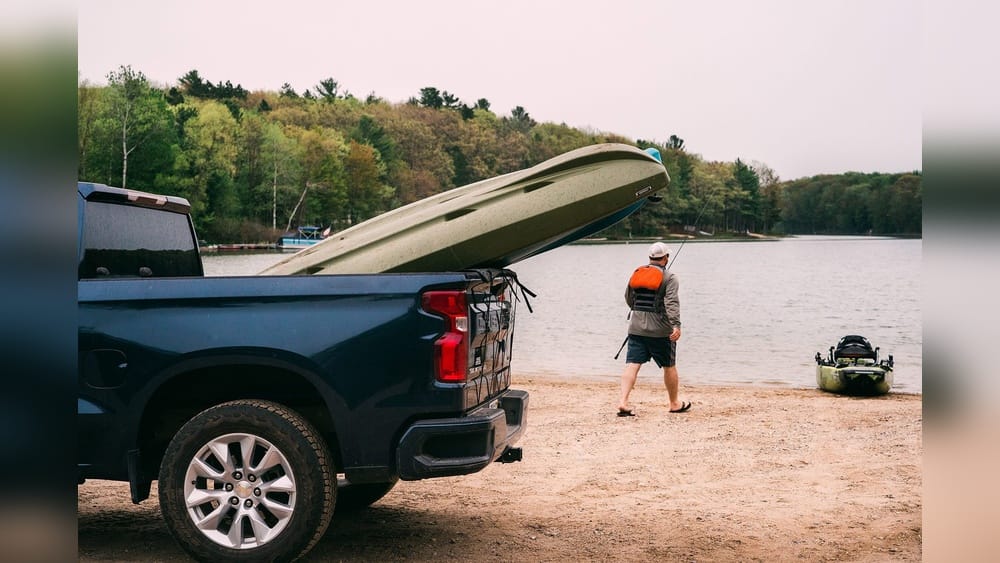
Tying down a kayak in a truck bed is something many outdoor lovers need to do, but not everyone gets it right the first time. If you don’t secure your kayak properly, it can slide, bounce, or even fly out of your truck—damaging your gear or causing a safety hazard on the road.
The good news is, with the right method and a little patience, you can transport your kayak safely every time.
Most people know they need straps, but few understand where to place them or how to prevent the kayak from moving. This guide will walk you through the entire process, from choosing the best equipment to common mistakes people make.
By the end, you’ll be able to tie down your kayak confidently, even if you’ve never done it before.
Understanding The Basics Of Kayak Transport
Before you start, it’s important to know why proper tie-down matters. Kayaks are long, often lightweight, and have a smooth surface. This means they can easily shift during transport. Even at slow speeds, a loose kayak can damage your truck, or worse, become a hazard to others.
There are two main goals when tying down a kayak:
- Stop it from sliding out the back.
- Prevent side-to-side movement.
A good tie-down will keep the kayak secure, without damaging it. This means balancing tightness (so it doesn’t move) with care (so you don’t dent or crack the kayak).
Essential Gear For Securing A Kayak
You’ll need a few basic items to do the job right. Here’s what every truck owner should have:
- Cam straps: These are straps with a buckle that you can tighten by hand. They are strong, easy to use, and don’t usually damage the kayak.
- Rope or ratchet straps: For extra security, especially for the bow or stern. Avoid cheap rope that can fray or stretch.
- Foam blocks or pads: These protect the kayak and your truck from scratches.
- Red flag or safety marker: If your kayak sticks out past the truck bed, most states require a flag.
- Rubber mats or bed liners (optional): These help stop the kayak from sliding on the truck bed’s surface.
A Quick Comparison Of Strap Types
Below, you’ll find a simple comparison of popular tie-down methods:
| Type | Strength | Ease of Use | Risk of Damage |
|---|---|---|---|
| Cam Straps | Medium-High | Easy | Low |
| Ratchet Straps | Very High | Medium | Medium-High (Overtightening) |
| Rope | Medium | Medium | Low (if used with care) |
Insight: Many beginners think ratchet straps are always better, but they can actually crush or warp a kayak if used too tightly. Cam straps are safer for most plastic kayaks.

Credit: www.reddit.com
Preparing Your Truck And Kayak
A little preparation goes a long way. Here’s what you should do before loading the kayak:
- Clean the truck bed: Dirt and sharp objects can scratch your kayak.
- Lay down foam pads: Put these where the kayak will rest. If you don’t have pads, use a folded towel.
- Check your kayak: Make sure it’s empty and dry. Water adds weight and can leak into your truck.
Non-obvious tip: If your kayak has a removable seat or any loose parts, take them out. They can shift during transport and cause damage.
Loading The Kayak Into The Truck Bed
How you load your kayak depends on its size and your truck’s bed length.
Placing The Kayak
- Centered and flat: Place the kayak with the hull (bottom) facing down. If your kayak is wide, angle it so one end sits in the corner near the cab.
- Tailgate up or down: For short kayaks (under 8 feet), you can close the tailgate. For longer kayaks, leave the tailgate down and let the kayak stick out. Just make sure you use a red flag on the end.
Example For Short Vs. Long Kayaks
| Kayak Length | Tailgate Position | Recommended Placement |
|---|---|---|
| Under 8 ft | Up | Flat, centered |
| 8-12 ft | Down | Angled, one end in corner |
| Over 12 ft | Down | As far in as possible, flag end |
Insider advice: Don’t stack other gear on top of the kayak. The shape can warp under heavy weight, especially in hot weather.
Step-by-step: How To Tie Down A Kayak In A Truck Bed
Now, let’s go through the actual process.
1. Position The Kayak Correctly
- Slide the kayak in until it touches the cab.
- Angle if needed for longer kayaks.
2. Add Padding
- Place foam blocks or towels under stress points (where the kayak rests on the truck).
3. Use Cam Straps Or Rope
- Take a cam strap and loop it through a secure point in your truck bed (like a tie-down loop or anchor point).
- Pull the strap up and over the kayak, then back down to the other side.
- Secure the strap with the buckle, and pull tight by hand.
- Repeat with a second strap at the other end.
Example: For a 10-foot kayak, one strap near the tailgate and one near the cab is usually enough.
4. Secure Bow And Stern (front And Back)
- For longer kayaks, tie the bow (front) and stern (back) to the truck’s anchor points.
- Use rope or a third strap for this, but don’t overtighten.
- The goal is to prevent forward or backward sliding.
5. Check For Movement
- Grab the kayak and shake it. If it moves more than an inch, tighten the straps.
- Make sure the buckles or knots don’t rub against the kayak’s hull.
6. Attach A Red Flag
- If the kayak sticks out more than 3-4 feet, tie a red flag or cloth to the end. This is required by law in many places.
7. Final Safety Check
- Walk around your truck. Make sure all straps are tight and nothing is loose or hanging.
- Check your rear visibility. Adjust mirrors if needed.
Non-obvious tip: After driving for about 15 minutes, stop and check the straps again. They can loosen as the kayak settles.
Key Mistakes To Avoid
Even with the right gear, some mistakes can ruin your trip:
- Overtightening ratchet straps: This can crush the kayak’s body, especially if it’s plastic.
- Using only one strap: One strap won’t stop side-to-side movement.
- Ignoring the bow and stern: Long kayaks need extra support to keep them from sliding out.
- Not using padding: Hard surfaces scratch and dent the kayak.
- Covering scupper holes: If you lay the kayak on its side, don’t block the drain holes.
- Forgetting the red flag: This can lead to fines, or worse, accidents.
Example: A common beginner error is using bungee cords. These stretch and let the kayak bounce, which is dangerous. Always use non-stretch straps or rope.
How Weather And Road Conditions Affect Tie-down
Many people overlook how wind, rain, or bumpy roads can change things.
- Strong wind: A loosely tied kayak can become airborne at highway speeds.
- Rain: Wet straps can slip if not tightened properly.
- Hot weather: Sunlight can soften plastic kayaks, making them more likely to warp if overtightened.
Tip: In hot or wet weather, check your straps more often and avoid leaving the kayak in direct sun for long periods.
Special Cases: Transporting Multiple Kayaks
If you need to move two or more kayaks, you’ll need to adjust your method:
- Stack the kayaks side-by-side, not on top of each other, if space allows.
- Use a separate set of straps for each kayak.
- Place padding between the kayaks to prevent rubbing.
- Secure each kayak at both ends, plus an extra strap around the middle for stability.
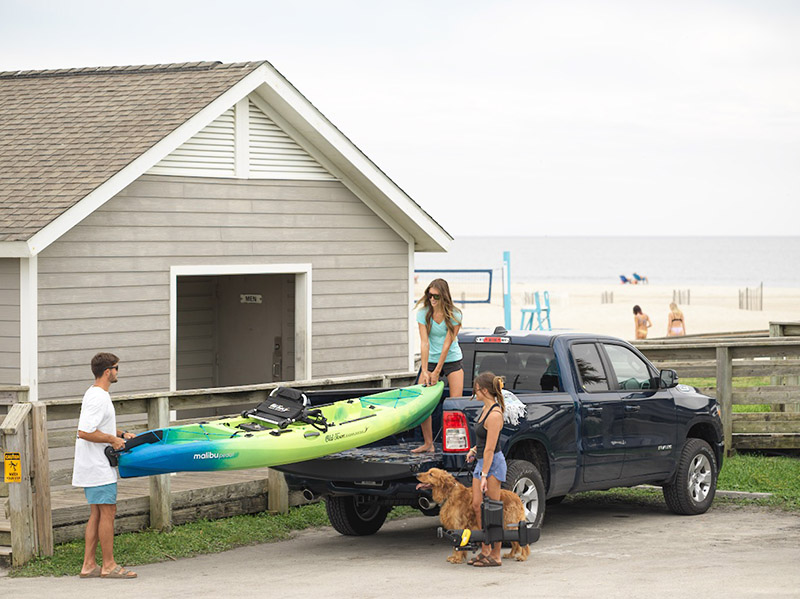
Non-obvious insight: Even if you have a bed extender, check the total weight your truck can handle. Overloading can damage your suspension and make driving unsafe.
Credit: oldtownwatercraft.johnsonoutdoors.com
Accessories That Make Transport Easier
Some products can make tying down a kayak simpler and safer:
- Truck bed extenders: These attach to your hitch and support longer kayaks.
- Dedicated tie-down anchors: Extra anchor points for more strap options.
- Locking straps: For added security if you leave the kayak unattended.
- Kayak cradles: Special foam shapes that hold the kayak steady.
Quick example: A bed extender can let you close your tailgate while carrying a long kayak, improving both support and security.
Legal Considerations And Safety
Different states have different rules about carrying long loads. Here’s what you need to know:
- Red flag: Required in most states if the kayak extends more than 3-4 feet past the tailgate.
- Maximum overhang: Most states allow up to 4 feet past the rear bumper, but always check local laws.
- Visibility: Make sure your brake lights and license plate are not blocked.
For more details, check local regulations or visit the National Park Service for outdoor safety tips.

Credit: www.dorazioford.com
Simple Maintenance For Straps And Gear
Your tie-downs are only as strong as their weakest part. Here’s how to keep them in good shape:
- Check straps for fraying or cuts before each trip.
- Clean off dirt and salt after use, especially if you’ve been near the ocean.
- Store straps out of sunlight to prevent weakening.
If a buckle is rusty or a strap is damaged, replace it right away. Don’t risk your kayak (or other drivers) to save a few dollars.
Frequently Asked Questions
How Many Straps Do I Need To Secure A Kayak In A Truck Bed?
For most kayaks, two cam straps are enough—one near the cab and one near the tailgate. For longer kayaks, add rope or a third strap on the bow and stern.
Can I Use Bungee Cords Instead Of Straps?
No. Bungee cords stretch and can let the kayak bounce or slip out. Always use non-stretch straps or rope for safety.
How Far Can My Kayak Stick Out Of The Truck Bed Legally?
In most states, up to 4 feet past the rear bumper is allowed, but you must use a red flag on the end. Always check your state’s rules.
Should The Kayak Be Upside Down Or Right Side Up In The Truck Bed?
Right side up (hull down) is safest for most plastic kayaks. This distributes weight evenly and avoids warping. Use padding under stress points.
What If My Kayak Is Very Long And Heavy?
Consider a truck bed extender for extra support, and always have a second person help you load and tie down the kayak to avoid injury or damage.
Transporting your kayak safely is not just about following a checklist. It’s about understanding how your equipment works and adapting to your kayak, your truck, and the road ahead. When you take the time to tie down your kayak properly, you protect your gear, your vehicle, and everyone else on the road.
With these steps and tips, you’ll be ready for worry-free travel to your next water adventure.