
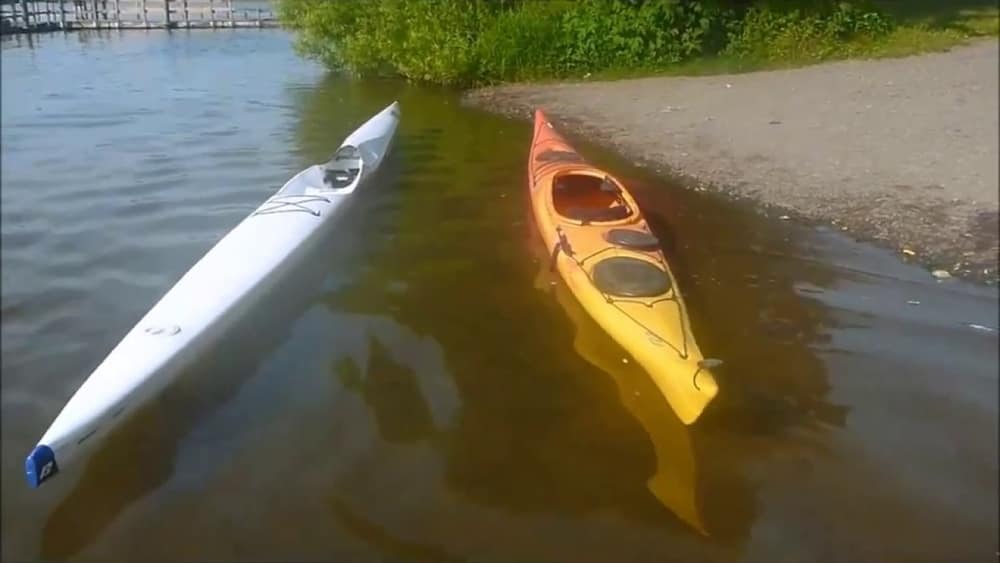
Surfski Vs Kayak: The Complete Guide For Paddlers
When you see long, narrow boats slicing through the water, you may wonder: is that a surfski or a kayak? They look similar, but these crafts offer very different experiences on the water. Understanding the differences between a surfski and a kayak can help you choose the right craft for fitness, adventure, or competition. This guide explains everything you need to know about surfski vs kayak, so you can paddle with confidence and enjoy the sport that fits you best.
What Is A Surfski?
A surfski is a long, slim, sit-on-top paddle craft designed for speed and performance, mainly on open water. Originally developed in South Africa and Australia for lifesaving and racing in the ocean, surfskis are now used worldwide for fitness, adventure paddling, and competitive racing.
Surfski paddlers sit on top of the boat, rather than inside it. Most surfskis are 5 to 6.5 meters (16 to 21 feet) long and just 40 to 50 centimeters (16 to 20 inches) wide. This makes them fast, but also less stable for beginners. Surfskis are built to handle waves, wind, and surf, making them ideal for ocean conditions. The self-bailing cockpit means water drains out automatically, so you never need to stop paddling to bail out.
What Is A Kayak?
A kayak is a paddle craft with a closed cockpit, where the paddler sits inside the hull. Kayaks come in many shapes and designs: sea kayaks, recreational kayaks, whitewater kayaks, and racing kayaks. Most kayaks are shorter and wider than surfskis, which gives them more stability and makes them easier to control for beginners.
Traditional sea kayaks are about 4 to 5.5 meters (13 to 18 feet) long and 50 to 65 centimeters (20 to 25 inches) wide. The cockpit can be closed with a spray skirt to keep water out. Kayaks are popular for touring, exploring lakes and rivers, fishing, and even whitewater adventures.
Key Differences: Surfski Vs Kayak
Understanding the main differences helps you decide which craft matches your goals.
| Feature | Surfski | Kayak |
|---|---|---|
| Sitting Position | Sit-on-top | Sit-inside |
| Typical Length | 16–21 feet (5–6.5 m) | 13–18 feet (4–5.5 m) |
| Width | 16–20 in (40–50 cm) | 20–25 in (50–65 cm) |
| Stability | Low (tippy) | High to medium |
| Water Use | Best in ocean/open water | Versatile: lakes, rivers, ocean |
| Self-Bailing | Yes | No (except sit-on-top kayaks) |
| Entry/Exit | Very easy | Can be tricky |
| Weight | Lighter | Heavier |
Surfski: Pros And Cons
Surfski paddling is growing fast, especially among athletes and ocean lovers. But is it right for you? Here’s what you need to know.
Advantages Of Surfski
- Speed: Surfskis are built for speed. Their long, narrow shape lets you paddle quickly and efficiently, covering more distance with less energy.
- Self-bailing: The cockpit drains itself, so water from waves or rain flows right out. You never need to stop and empty the boat.
- Easy remount: If you fall off, getting back on is simple, even in deep water. This is a big safety feature.
- Great for ocean conditions: Surfskis are made to ride waves and surf downwind. They perform best in rough, open water.
- Fitness: Paddling a surfski gives a strong full-body workout. Many athletes use surfskis for cross-training.
- Low risk of entrapment: Since you sit on top, there’s almost no chance of getting trapped under the boat if you capsize.
Disadvantages Of Surfski
- Stability: Beginner surfskis are more stable, but most models are tippy, especially for new paddlers. It takes practice to balance.
- Cold exposure: You sit above the water, so your lower body is exposed to wind and spray. This can be uncomfortable in cold weather.
- Less storage: There’s limited space for gear compared to most sea kayaks.
- Not ideal for fishing or long expeditions: The open design and lack of storage make fishing or overnight trips difficult.
Who Should Choose A Surfski?
Surfski is a great choice if you want to paddle fast, love ocean conditions, or want a boat for fitness. It’s also a smart option if you like the idea of easy remounts and self-draining. If you’re serious about racing or downwind paddling, a surfski is hard to beat.
Kayak: Pros And Cons
Kayaks are classic for a reason: they’re flexible, safe, and fun for all skill levels. But they’re not perfect for every use.
Advantages Of Kayak
- Stability: Kayaks are much more stable, especially wider recreational or touring models. Beginners feel more comfortable and secure.
- Weather protection: Sitting inside gives shelter from wind, spray, and cold water. With a spray skirt, you can paddle in almost any weather.
- Storage space: Sea kayaks have hatches and deck lines, so you can bring gear, food, or even camping equipment.
- Versatility: Kayaks can handle lakes, rivers, oceans, and even whitewater (with specialized designs).
- Fishing and long trips: The stability and storage make kayaks ideal for fishing, day trips, and overnight expeditions.
Disadvantages Of Kayak
- Weight: Kayaks are usually heavier, making them harder to carry and load on a car.
- Difficult to re-enter in deep water: If you tip over, getting back inside a sit-in kayak can be tough without special training.
- Not self-bailing: Water that gets inside must be removed with a pump or sponge.
- Less speed: Most kayaks are slower than surfskis, especially over long distances.
Who Should Choose A Kayak?
Choose a kayak if you want a stable, versatile boat for exploring, fishing, or camping. Kayaks are also the best choice if you paddle in colder climates, want to bring gear, or value comfort and safety over speed.
Types Of Surfskis And Kayaks
Not all surfskis or kayaks are the same. The type you choose affects your experience.
Surfski Varieties
- Beginner surfskis: Wider, shorter, more stable. Easy to learn on but slower.
- Intermediate surfskis: Narrower, faster, but still manageable for most paddlers.
- Elite/racing surfskis: Very narrow, very fast, but require excellent balance and skill.
Kayak Varieties
- Recreational kayaks: Short, wide, very stable. Best for calm water and beginners.
- Touring/sea kayaks: Longer, more streamlined, with storage hatches for gear. Good for ocean, lakes, and long trips.
- Whitewater kayaks: Short, maneuverable. Built for rivers and rapids, not for speed or distance.
- Sit-on-top kayaks: Open cockpit, easy to use. Great for warm water, fishing, or casual paddling.
Performance And Handling: Surfski Vs Kayak
Performance on the water is a big difference between these two crafts.
Speed And Efficiency
Surfskis are designed for maximum speed. Their slender shape and low weight mean less drag, so every paddle stroke moves you farther. Experienced surfski paddlers can easily maintain speeds over 10 km/h (6 mph) in flat water, and much faster when surfing downwind waves.
Sea kayaks are slower, usually 6–8 km/h (3. 7–5 mph) over a long distance. Wide recreational kayaks are even slower. However, kayaks use less energy to stay upright, which is helpful for long trips.
Stability And Safety
Kayaks offer more primary stability, so they feel steady when you get in and paddle slowly. Surfskis have less primary stability but more secondary stability, which means they feel steadier when the boat is tilted. In rough water, skilled surfski paddlers can stay upright even in challenging conditions.
One non-obvious insight: many paddlers overestimate how “tippy” surfskis are. Modern beginner surfskis have much better stability than racing models from the past. If you’re new, choose a wider, stable surfski and your confidence will grow quickly.
Handling Waves And Wind
Surfskis shine in waves and wind. Their long shape lets them surf downwind, catching wave after wave for high speeds and excitement. This is called “downwind paddling” and is one of the sport’s biggest thrills.
Kayaks handle waves well too—especially sea kayaks, which are designed for ocean use. But they can fill with water and are harder to empty if you capsize. Whitewater kayaks are made for rough rivers, not open water.
Comfort And Ergonomics
Comfort can make or break your paddling experience.
Surfski Comfort
Surfski cockpits are open and self-draining. The bucket seat supports your hips and back, and your legs are slightly bent, which is more ergonomic for most people. Adjustable footrests let you find the perfect fit. This position is also good for power.
But, you’re exposed to the elements. In cold weather, you’ll need a wetsuit or drysuit to stay warm. Some paddlers find the bucket seat uncomfortable at first, but padding or different models can help.
Kayak Comfort
Sitting inside a kayak protects you from wind and water. The seat is often padded and the cockpit shields your legs. Adjustable thigh braces and foot pegs let you control the boat and stay comfortable.
The downside: some people feel cramped in a kayak, especially if they have long legs or wide hips. Getting in and out of the cockpit can be tricky for some.

Credit: www.joshuaforester.com
Safety Considerations
Both crafts are safe when used correctly, but there are important differences.
- Remounting: If you capsize a surfski, you can climb back on, even in deep water. Kayaks require a “wet exit,” then either a self-rescue or help from another paddler.
- Entrapment risk: Sit-in kayaks have a small risk of your legs getting stuck, especially in rough water or with a spray skirt. This is rare but possible.
- Flooding: Surfskis self-bail, so you don’t need to worry about water collecting inside. Kayaks can fill with water if you don’t have a spray skirt or if you capsize.
A second non-obvious tip: Most surfski paddlers use a leg leash that connects them to the boat. This prevents you from being separated from your craft in wind or waves. Many kayakers overlook this safety trick, but it’s a smart idea for both types of boats.
Transport And Storage
Moving your boat from home to water, and storing it safely, is part of the paddling experience.
- Weight: Most surfskis are lighter than sea kayaks. A 21-foot surfski may weigh just 12–15 kg (26–33 lbs), while a 17-foot sea kayak might be 22–28 kg (48–62 lbs). This makes surfskis easier to lift onto a car roof or carry to the water.
- Length: Surfskis are longer, which can make transport and storage tricky. You’ll need space in your garage or yard, and a long roof rack or trailer.
- Durability: Both types are usually made from fiberglass, carbon fiber, or plastic. Fiberglass and carbon are light but can crack if dropped. Plastic is heavier but tougher.
Skill Development And Learning Curve
Learning to paddle a surfski or kayak is rewarding, but the process is different.
- Kayak: Most people can paddle a recreational kayak right away. Sea kayaks take more practice, especially if you want to learn rolling or self-rescue.
- Surfski: The learning curve is steeper at first. You may fall in several times when starting out, but remounting is part of the fun. With practice, your balance improves quickly.
One common mistake: beginners often buy a boat that’s too advanced. Start with a stable surfski or kayak and focus on technique. You’ll enjoy paddling more and improve faster.
Cost Comparison
How Much Does It Cost To Get Started?
| Type | Entry-level Price (USD) | High-end Price (USD) |
|---|---|---|
| Recreational Kayak | $300–$800 | $1,500+ |
| Sea Kayak | $1,000–$2,500 | $4,000+ |
| Beginner Surfski | $1,500–$2,500 | $3,000+ |
| Racing Surfski | $3,000+ | $5,000+ |
Don’t forget to budget for a paddle, life jacket (PFD), and clothing. Carbon fiber paddles are lighter and more efficient but more expensive.

Credit: kelownapaddlecentre.ca
Accessories And Gear
Both sports use similar gear, but there are a few key differences.
- Paddles: Both use double-bladed paddles, but surfski paddles often have a wing shape for extra power.
- PFD: A comfortable, non-bulky PFD is essential for both.
- Clothing: Surfskis expose you to the weather, so wetsuits or drysuits are common. Kayak paddlers may use spray skirts and waterproof jackets.
- Leash: Surfskis almost always use a leg leash. Kayakers should consider one for open water.
- Bilge pump or sponge: Needed for kayaks but not for surfskis.
Competition And Community
If you want to race, join group paddles, or meet other paddlers, both sports have active communities.
- Surfski racing is a fast-growing sport, with major events in Australia, South Africa, Europe, and the Americas. Races often cover long distances and include exciting downwind legs.
- Kayak racing includes everything from short sprints on flat water, to long-distance marathons, to wild whitewater. Sea kayaking clubs organize tours, safety courses, and expeditions.
- Community: Both sports are welcoming. Many cities have clubs for social paddling, training, and gear advice.
Environmental Considerations
Both types of boats have a low environmental impact if used responsibly. Avoid disturbing wildlife, follow “leave no trace” rules, and use established launch sites. Modern composite boats have a bigger carbon footprint than plastic, but last longer if cared for.
How To Choose: Surfski Or Kayak?
Here’s a quick guide if you’re still unsure.
- If you want speed, fitness, and love the ocean: Choose a surfski.
- If you want stability, storage, and all-weather comfort: Choose a kayak.
- For long trips or fishing, a kayak is often better.
- For racing or downwind surfing, nothing beats a surfski.
- If you paddle mostly in rivers or calm lakes, a recreational kayak is easy and fun.
- If you live near the sea and want to learn new skills, surfskis open up a new world of adventure.
Try both if you can. Many shops or clubs offer demo days, so you can see which feels right.

Credit: www.joshuaforester.com
Frequently Asked Questions
What Is The Main Difference Between A Surfski And A Kayak?
The biggest difference is the sitting position. In a surfski, you sit on top, and in a kayak, you sit inside. Surfskis are faster and self-draining, while kayaks are more stable and protect you from the elements.
Are Surfskis Harder To Paddle Than Kayaks?
For beginners, surfskis can feel less stable and require more balance. However, with practice and the right model, most people can learn quickly. Kayaks are generally easier for new paddlers, especially wide recreational designs.
Can I Use A Surfski For Fishing Or Camping Trips?
Surfskis are not ideal for fishing or camping because they have little storage and you sit exposed to the weather. Kayaks are better for carrying gear, fishing, and overnight trips.
Is A Surfski Safe For Beginners?
Yes, as long as you choose a beginner surfski with good stability and learn basic safety. Practice remounting your surfski, wear a PFD, and paddle with others when you start out.
Where Can I Learn More About Surfski And Kayak Sports?
Many paddling clubs and shops offer lessons, group paddles, and gear demos. For detailed information, visit sites like Wikipedia for a deeper look at the sport’s history and design.
Paddling is an adventure that opens up rivers, lakes, and oceans. Whether you choose a surfski or a kayak, you’ll join a community of people who love the water, the outdoors, and exploring under your own power. Take the time to try both, consider your needs, and get ready for a journey that’s as exciting as the destination.