
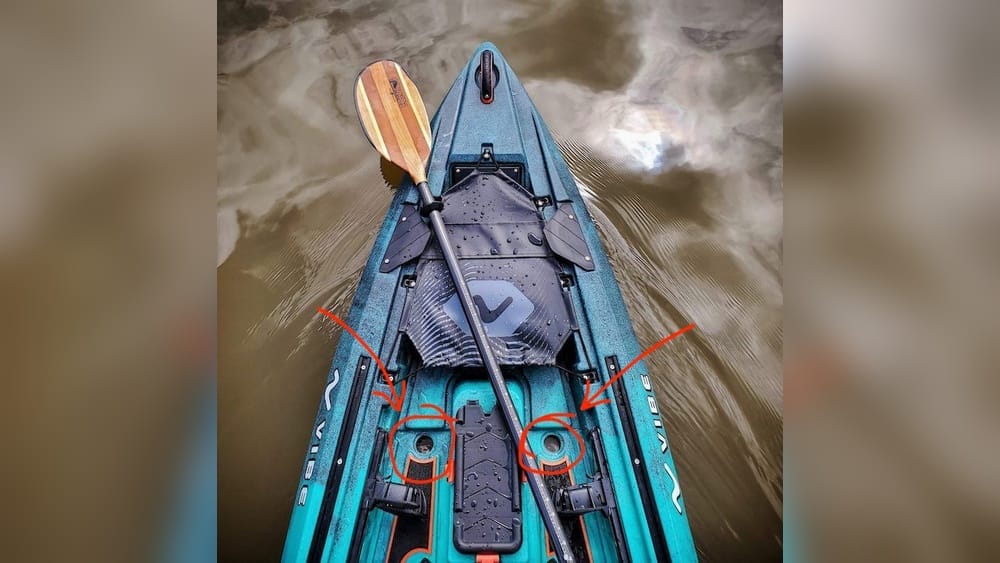
Kayaking is an adventure that brings you close to nature, but even on calm water, you notice something: water often finds its way into your kayak. If you own a sit-on-top kayak, you’ll see small holes in the bottom called scupper holes. Now, a common question from new paddlers is: Do you need scupper plugs in a kayak? The answer depends on several factors, from kayak design to where you paddle. If you want to paddle comfortably and safely, it’s important to understand what scupper plugs do, when to use them, and what happens if you don’t.
What Are Scupper Plugs?
Scupper plugs are small, rubber or plastic stoppers. They fit snugly into the scupper holes of sit-on-top kayaks. These holes are not a design flaw—they’re a safety feature. Scupper holes allow water that splashes into the kayak to drain out, keeping you from sitting in a puddle.
Without scupper plugs, water can flow freely in and out. With scupper plugs in place, you block the holes, so water can’t easily enter. But the water that does get in will also stay inside until you remove the plugs.
Why Do Kayaks Have Scupper Holes?
Sit-on-top kayaks are designed for stability and self-draining. Unlike sit-in kayaks, where your legs are inside the hull, sit-on-tops have an open deck. When water splashes in, it needs to escape. Scupper holes let gravity do the work. Water drains out through the bottom, so even if you get hit by a wave or rain, you won’t be sitting in water for long.
If your kayak is loaded with gear or you have extra weight, the kayak sits lower in the water, and some water may come in through the scupper holes. This is normal and part of the design.
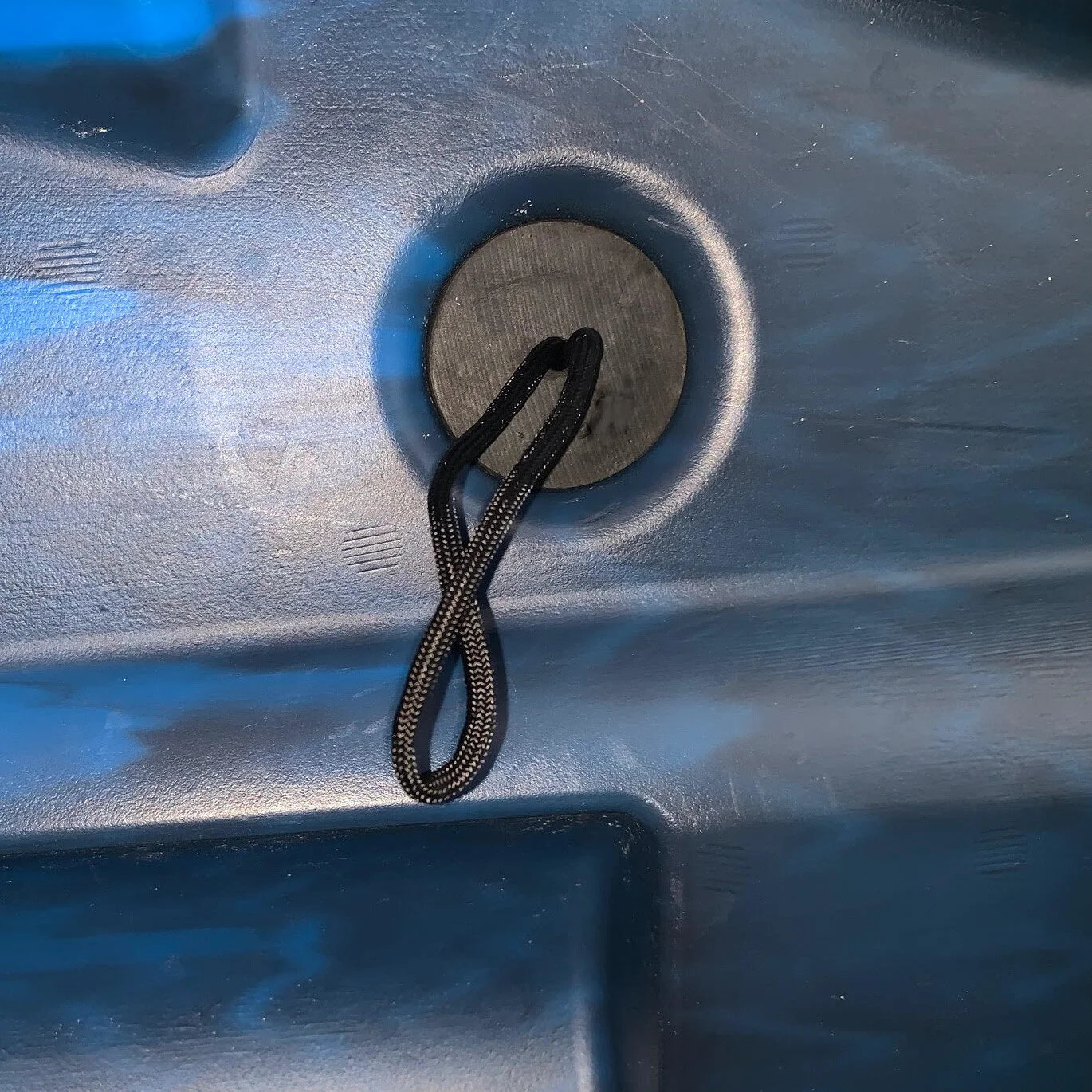
Credit: www.kayakscupperplugs.com
What Do Scupper Plugs Do?
Scupper plugs are used to block the scupper holes. The main reason people use them is to keep their kayak seat and feet dry. On a calm lake, with little splash, you may not need the self-draining feature. By plugging the holes, you make your kayak feel dryer and more comfortable. This is especially useful in cold weather or when you want to avoid getting wet.
But if you get a lot of water on deck, plugs can trap water inside, making your kayak heavier and less safe. So, knowing when and why to use scupper plugs is important.
Do You Need Scupper Plugs In A Kayak?
The short answer: it depends. Here are some key factors to help you decide:
1. Type Of Kayak
- Sit-on-top kayaks: These are the only types that use scupper plugs. Sit-in kayaks do not have scupper holes.
- Fishing kayaks: Often have more scupper holes to handle gear weight. Plugs can help keep your seat dry on calm days.
2. Where Are You Kayaking?
- Calm lakes or slow rivers: You can safely use scupper plugs. Less water comes in, and you stay dry.
- Ocean, surf, or rough rivers: Leave scupper holes open. Water will splash in often, and you need it to drain out quickly.
3. Weather And Water Temperature
- Cold days: Plugs help keep you warm and comfortable.
- Hot weather: A little water in the kayak can actually help cool you down.
4. Kayak Load
- Heavier load: The kayak sits lower, and more water can come in through scupper holes. If you use plugs, check often and remove water as needed.
5. Personal Comfort
Some paddlers simply prefer to stay as dry as possible. Others don’t mind getting wet. Try paddling both ways to see what feels best.

Credit: www.reddit.com
Pros And Cons Of Using Scupper Plugs
To help you decide, here’s a quick comparison:
| With Scupper Plugs | Without Scupper Plugs |
|---|---|
| Seat stays dry | Self-draining, less risk of flooding |
| Better for cold conditions | Better in rough water |
| Comfortable for long trips | No need to remove water manually |
| Risk of water build-up if water enters | Seat and feet may get wet |
Insight: Many beginners think plugging all holes is safest, but it can actually make your kayak less safe if you take on water and it has nowhere to go.
How To Use Scupper Plugs
Using scupper plugs is simple, but there are a few tips to do it right:
- Choose the right size: Not all scupper holes are the same. Measure your holes and buy plugs that fit tightly.
- Install before launch: Insert the plugs before you enter the water.
- Check during your trip: If you notice water building up, remove a plug to drain it.
- Carry a sponge or bilge pump: Even with plugs, it’s smart to have a way to remove water.
Common Mistakes With Scupper Plugs
- Leaving all plugs in all the time: This is risky if you paddle in rough or unpredictable water.
- Forgetting to check for water: Even with plugs, some water can get in. Always check under your seat and around your feet.
- Using the wrong size plug: Loose plugs can fall out, and water will still get in.
- Not bringing a way to bail water: Always carry a sponge or small pump.
- Assuming plugs make a kayak waterproof: Plugs help, but your kayak is not sealed. Water can get in from your paddle, rain, or waves.
When Should You Use Scupper Plugs?
Let’s look at different situations:
| Condition | Use Plugs? | Why? |
|---|---|---|
| Calm lake | Yes | Stays dry, little water enters |
| Fishing, light waves | Optional | Depends on personal comfort |
| Ocean, surf | No | Waves will fill kayak, need drainage |
| Rainy weather | Partial/No | Drainage needed for extra water |
| Cold water | Yes | Helps stay warm |
Practical tip: Some paddlers use plugs only in the seat area and leave the rest open. This keeps you drier but still allows drainage.

Credit: brooklynkayakcompany.com
Scupper Plug Materials And Types
Scupper plugs come in different materials:
- Rubber plugs: Flexible, create a tight seal, easy to remove.
- Foam plugs: Lightweight, fit a range of sizes, but can pop out.
- Plastic plugs: Durable, but may not fit as tightly.
You may also find universal plugs that fit many kayaks, but they may not seal as well as custom-fit plugs.
Diy Scupper Plugs
Some paddlers make their own plugs from pool noodles or rubber stoppers. This can save money, but always test your homemade plugs for a good fit before using them on the water.
Scupper Plugs And Kayak Safety
The biggest mistake is thinking scupper plugs are always a safety device. In fact, blocking all scupper holes in rough conditions can increase the risk of swamping—when your kayak fills with water. The self-bailing design is there for a reason. In emergencies, always remove plugs to let water escape.
Expert advice: If you’re unsure, start your trip with plugs in the holes under your seat, and keep the rest open. If you feel water building up, pull one plug and let the water drain.
How Many Scupper Plugs Does Your Kayak Need?
Most kayaks have 4 to 8 scupper holes. You do not need to plug them all. Many paddlers only plug the holes under the seat or in the foot wells. Try different combinations to find what feels best for you.
Maintenance And Care For Scupper Plugs
To keep your plugs working well:
- Rinse after use: Saltwater can damage rubber or foam.
- Check for cracks: Replace plugs that are worn or loose.
- Store dry: Leaving plugs wet can cause mold or odor.
Real-life Examples And Insights
- Kayak fishing: Many anglers use plugs under the seat but leave the rest open for safety.
- Touring: On long trips, paddlers often start with plugs and remove them if rain or waves increase.
- Beginners: Some people remove all plugs, get wet, and are surprised how cold it feels. Others plug everything and have to bail water out manually.
Non-obvious insight: The best setup can change in the middle of your trip. If you paddle out in calm water but the wind picks up, consider removing plugs to stay safe.
Scupper Plugs Vs. Other Kayak Accessories
You might see other products that claim to keep you dry, like kayak skirts or drain valves. These work differently. Skirts are for sit-in kayaks, and valves are rare on sit-on-tops. For sit-on-top kayaks, scupper plugs are the main way to control water on deck.
Where To Buy Scupper Plugs
You can find scupper plugs at most outdoor or sporting goods stores. Check your kayak’s brand for custom plugs, or buy universal plugs if your holes are a common size. If you’re unsure, bring your kayak measurements to the store.
For more detailed information about kayak safety and design, you can visit Wikipedia’s Kayak page.
Frequently Asked Questions
What Happens If I Paddle Without Scupper Plugs?
You may get wet, especially in rough water. But your kayak will self-drain, which is safer if you expect splashing or waves.
Can I Leave Scupper Plugs In All The Time?
It’s not recommended. If water enters your kayak, it will stay inside until you remove the plugs. Always check and remove water as needed.
How Do I Know Which Scupper Plugs Fit My Kayak?
Measure the diameter of your scupper holes and buy plugs made for that size. Universal plugs work for many kayaks, but a snug fit is best.
Are Scupper Plugs Necessary For All Kayaks?
No. Only sit-on-top kayaks have scupper holes. Sit-in kayaks do not use scupper plugs.
Do Scupper Plugs Affect Kayak Stability?
No, scupper plugs do not change your kayak’s stability. They only affect how water enters or drains from the deck area.
Paddling should be fun and safe. With the right use of scupper plugs, you can enjoy both comfort and peace of mind every time you launch your kayak. Always test what works best for your paddling style and water conditions, and never hesitate to make adjustments during your trip.