
Steering a kayak might look simple from the shore, but once you’re on the water, things can quickly get confusing. Many beginners struggle to keep their kayak straight or turn efficiently. With the right techniques, anyone can learn to steer a kayak smoothly—even in windy conditions or moving water.
Understanding these skills is the key to an enjoyable and safe kayaking experience, whether you’re exploring a calm lake or navigating a winding river.
This guide will walk you through everything you need to know about steering a kayak, from the basics of paddle strokes to advanced tips for different water conditions. You’ll also find helpful comparisons, common mistakes, and clear answers to frequent questions.
By the end, you’ll feel confident and ready to steer your kayak with control and precision.
Understanding How A Kayak Moves
Before you try to steer, it helps to know how a kayak responds to movement. A kayak moves forward, backward, and turns based on how you use your paddle.
- Forward movement happens when both sides of the paddle push water from front to back.
- Turning comes from uneven strokes or special paddle techniques.
- Tracking is the kayak’s ability to move in a straight line.
Some kayaks are designed for speed and straight lines, while others are made for sharp turns. Shorter kayaks turn more easily, but longer ones are better for tracking. Weight, wind, and water current also affect how your kayak steers.
Essential Paddle Strokes For Steering
Learning the main paddle strokes is the foundation of steering a kayak. Each stroke helps you move or turn in a specific way.
1. Forward Stroke
This is the basic stroke for moving straight ahead. Place the paddle blade near your toes, push it back alongside the kayak, and exit near your hip. Keep your arms and torso working together for the most power and control.
2. Reverse Stroke
To move backward or slow down, use the reverse stroke. Place the paddle behind your hip, sweep it forward along the kayak, and exit near your feet.
3. Sweep Stroke
The sweep stroke is your main tool for turning. Start with the paddle blade near your toes and sweep it in a wide arc away from the kayak. The bigger the arc, the sharper the turn.
4. Draw Stroke
When you need to move sideways—closer to a dock or another kayak—use the draw stroke. Reach out to the side, place the blade in the water, and pull it toward the kayak.
5. Rudder Stroke
The rudder stroke helps keep your kayak on course, especially in wind or current. Place the paddle blade in the water behind you, then angle it to steer left or right. This stroke is often used when you’re already moving forward.
Comparing Kayak Steering Methods
Different situations call for different steering techniques. Here’s how the main strokes compare:
| Stroke | Main Use | Best For | Difficulty |
|---|---|---|---|
| Forward | Move straight | All kayaks | Easy |
| Reverse | Move backward/slow | Stopping or backing up | Easy |
| Sweep | Turn kayak | Tight corners | Medium |
| Draw | Move sideways | Docking, close spaces | Medium |
| Rudder | Fine steering | Tracking straight | Medium |
Hand Position And Body Movement
Your hands and body play a big role in steering. Place your hands a little more than shoulder-width apart on the paddle. Relax your grip—holding too tight makes you tired quickly.
Use your core muscles, not just your arms. Twist your upper body as you paddle. This gives you more power and better control. For example, when doing a sweep stroke, turn your torso and follow through with your whole body.
This small change can make steering much easier and less tiring.
Using Your Feet And Legs
Many beginners focus only on their arms, but your feet and legs help with balance and control. Press your feet gently against the foot braces inside the kayak. This steady pressure keeps you stable and helps transfer power from your body to the kayak.
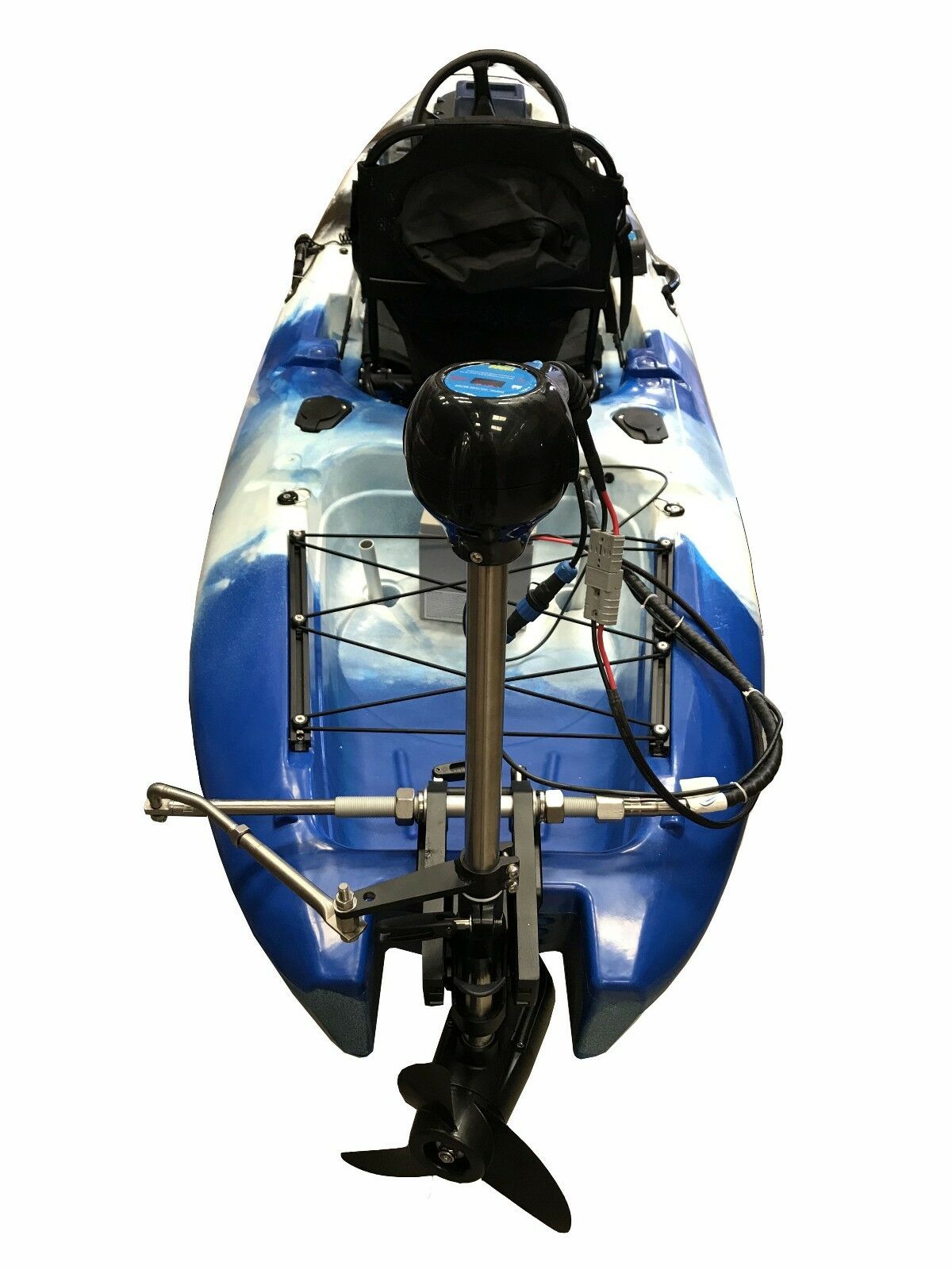
Some kayaks have foot pedals that control a rudder at the back. When you press one pedal, the rudder turns, helping you steer with your feet. This is especially useful in windy or choppy water.
How Kayak Design Affects Steering
Not all kayaks steer the same way. Here’s a quick look at how design features change your experience:
| Feature | Effect on Steering | Best For |
|---|---|---|
| Short length | Turns easily, less straight | Rivers, tight spaces |
| Long length | Tracks straight, turns slowly | Lakes, open water |
| Flat bottom | Stable, easy to turn | Beginners, calm water |
| Rounded/V-shaped hull | Faster, tracks straight | Experienced paddlers |
| With rudder/skeg | Better control in wind | Sea kayaking |
Steering In Different Water Conditions
The water around you can make steering easier or harder. Here’s how to adapt:
Calm Water
On a quiet lake or slow river, basic strokes work well. Focus on smooth, even paddling. Practice keeping the kayak straight using gentle forward strokes and small corrections with the rudder stroke.
Windy Conditions
Wind can push your kayak off course. To fight this, use more sweep strokes on the side the wind is pushing toward. If your kayak has a rudder or skeg, lower it to help with tracking. Lean your body slightly into the wind for better balance.
Fast-moving Water
In current or rapids, quick and strong strokes are important. Use sweep strokes to turn quickly, and keep your paddle in the water for stability. Look ahead and plan your moves early—don’t wait until the last second to steer.
Tidal Or Coastal Waters
Waves and tides add another challenge. Keep your kayak moving at a steady pace—stopping can make you unstable. Use the rudder or skeg if you have one. In surf, aim the kayak directly into or away from waves, not sideways.
Common Steering Mistakes (and How To Fix Them)
Even experienced paddlers make mistakes. Here are some common problems and how to solve them:
- Paddling only with arms: This quickly leads to tired muscles and poor control. Fix this by twisting your torso and using your core.
- Holding the paddle too tight: A death grip wastes energy and makes steering harder. Relax your hands and let the paddle do the work.
- Uneven strokes: If you paddle harder on one side, you’ll turn that way. Practice even, balanced strokes.
- Ignoring wind or current: These forces can push you off course fast. Always watch for changes and adjust your strokes early.
- Not looking ahead: Focus far enough ahead to plan your turns and avoid obstacles.
One insight many beginners miss: small, frequent corrections are better than big, sudden ones. If you steer early and gently, you stay in control and save energy.
Credit: www.budtrol.com
Advanced Steering Techniques
Once you’re comfortable with the basics, try these advanced moves for better control:
Edging
Tilting your kayak (called “edging”) can make turning sharper. Lean the kayak to one side while keeping your balance. This reduces the resistance and lets you turn more quickly.
Bow And Stern Rudder
These strokes use your paddle as a lever at the front (bow) or back (stern) of the kayak. Place the blade in the water near the end of the boat and angle it to steer. These strokes are useful for fine adjustments and in tight spots.
Bracing
Bracing keeps you upright if you feel like tipping. Use the paddle flat against the water’s surface to stop a fall, then recover your balance. Good bracing skills help you stay confident when steering in rough water.
Kayak Steering For Tandem (two-person) Kayaks
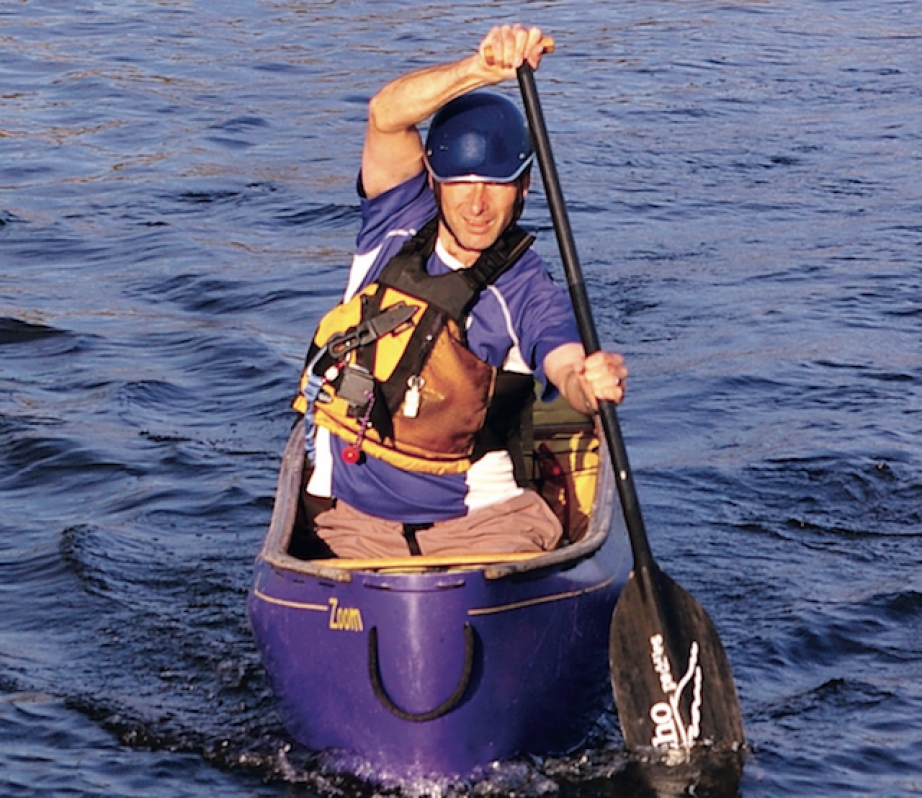
If you’re paddling with a partner, teamwork is key. The person in the back (stern) usually steers, while the front (bow) paddler focuses on power and rhythm.
Tips for tandem steering:
- Communicate clearly—call out when you want to turn or change speed.
- The stern paddler uses sweep and rudder strokes for steering.
- Bow paddler can help with draw strokes or by leaning the kayak.
A common mistake is fighting each other—paddle together for smooth, easy steering.
Credit: paddlingmag.com
Practice Drills To Improve Steering
Practice is the fastest way to get better. Try these drills on your next outing:
- Straight line paddling: Pick a point on shore and try to paddle straight toward it, making small corrections as needed.
- Figure-eight turns: Paddle in a figure-eight pattern to practice turning both left and right.
- Sideways movement: Use draw strokes to move sideways next to a dock or another kayak.
- Quick turns: Practice sweep strokes to spin your kayak quickly in place.
- Edging practice: Tilt your kayak gently from side to side while paddling straight.
Record your progress and notice how much less effort you need as your technique improves.
Safety Tips When Steering A Kayak
Safety always comes first on the water. Steering mistakes can lead to capsizing or collisions. Here are some safety basics:
- Always wear a life jacket, even if you’re a strong swimmer.
- Check the weather before you go—wind and storms can make steering dangerous.
- Don’t paddle alone in challenging conditions.
- Watch for other boats and obstacles—steer clear early.
- Learn basic rescue techniques in case you tip over.
For more kayaking safety advice, check the American Canoe Association.
Kayak Steering: Solo Vs. Group
Steering alone is different from paddling in a group. In a group, you need to watch your spacing and match your speed with others.
- Stay alert for sudden turns by group members.
- Communicate before changing direction.
- If you’re leading, set a steady pace and signal clearly.
In solo kayaking, you have more freedom, but you’re fully responsible for steering and safety.
Weather And Environmental Factors
Temperature, sunlight, and water clarity also affect your experience. Cold weather means you’ll tire faster, so use efficient strokes. In bright sun, wear polarized sunglasses to see obstacles below the surface.
Some lakes and rivers have strong underwater plants or debris. If your paddle catches, stop and free it gently—never yank hard, as this can make you lose balance.

Credit: www.youtube.com
Frequently Asked Questions
What Is The Easiest Way To Turn A Kayak?
The sweep stroke is the simplest way for most beginners to turn a kayak. Make a wide arc with your paddle on one side; the kayak will turn in the opposite direction. Practice this stroke on calm water until it feels natural.
Why Does My Kayak Keep Turning To One Side?
This usually happens because of uneven paddle strokes, wind, or current. Make sure your strokes are equal on both sides. If the problem continues, check if your kayak is loaded evenly—extra weight on one side can affect steering.
Do I Need A Rudder Or Skeg To Steer My Kayak?
No, you can steer any kayak with just your paddle. However, a rudder or skeg helps maintain a straight course in wind or waves, making it easier for long trips or open water. Many recreational kayaks do not have these features.
How Can I Practice Steering Without Flipping Over?
Start in calm, shallow water. Practice each stroke slowly, and keep your movements smooth. Use your paddle for support if you feel off balance, and always wear a life jacket for safety.
What Should I Do If I Lose Control In Strong Current?
Stay calm and keep your paddle in the water for stability. Use strong, steady strokes to point the kayak downstream, and avoid turning sideways to the current. Look for calm spots to recover, and don’t panic—control comes back with practice.
Steering a kayak is a skill that grows with time and experience. Start with the basics, practice regularly, and you’ll soon find yourself gliding smoothly wherever you want to go. Remember, every paddler faced the same early challenges—confidence and good technique are your best tools on the water.