
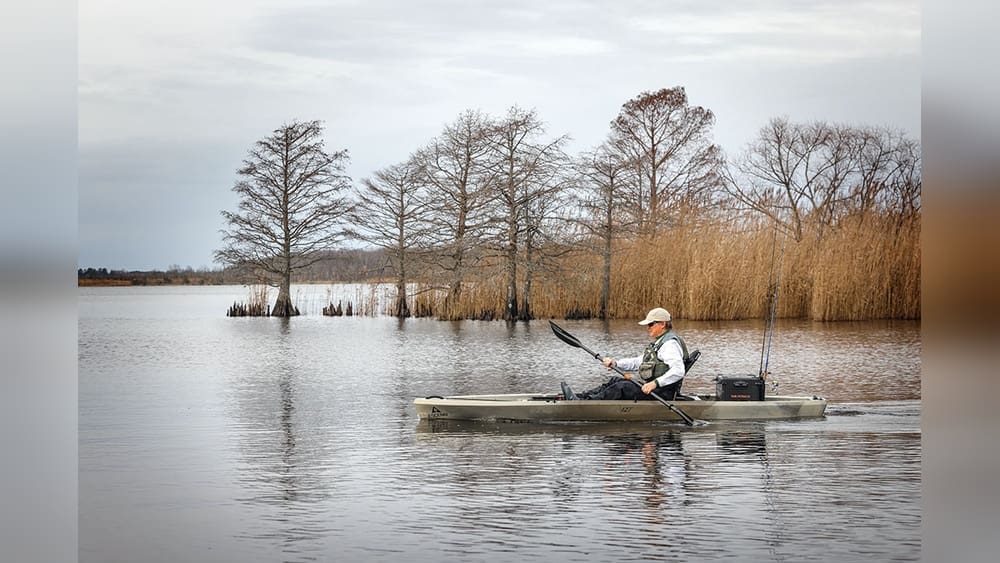
When you are searching for a new kayak, two brands often stand out: Ascend and Pelican. Both have built strong reputations among paddlers, from beginners to seasoned anglers. But which one fits your needs best? Making the right choice can shape your kayaking experience for years. Whether you want a stable fishing platform, a nimble recreational kayak, or something easy to transport, it’s important to look at the differences, similarities, and unique features these brands offer. This guide will dive deep into Ascend vs Pelican Kayaks, helping you decide which brand is the better match for your adventures.
Brand Overview: Ascend And Pelican
Ascend: Built For Anglers
Ascend kayaks are known for their focus on fishing and outdoor adventure. Owned by Bass Pro Shops, Ascend specializes in sit-on-top kayaks with wide, stable hulls. Many Ascend models are designed with anglers in mind, offering features like rod holders, gear tracks, and roomy storage. Most Ascend kayaks are made from high-density polyethylene, making them tough enough for lakes, slow-moving rivers, and even some coastal waters. Their boats are heavier but feel solid on the water.
Pelican: Lightweight And Versatile
Pelican International is a Canadian brand with over 50 years of experience. Pelican’s kayaks cover a wide range: recreational, fishing, touring, tandem, and youth models. They are known for their RAM-X™ multi-layer material, which is impact-resistant yet lightweight. Pelican kayaks are easier to transport and store, appealing to families and beginners. Their product line includes both sit-on-top and sit-inside models, so there’s something for every type of paddler.
Head-to-head: Design And Construction
Materials And Durability
Ascend kayaks use high-density polyethylene (HDPE), which is thick and durable. This material stands up well to rocks, docks, and rough handling. It adds weight but helps the kayak last longer.
Pelican’s signature material is RAM-X™, a patented multi-layer polyethylene. RAM-X™ is lighter, flexible, and bounces back from impacts. While less thick than Ascend’s HDPE, it’s still tough and ideal for people who need to carry or car-top their kayak.
Hull Shape And Stability
Ascend kayaks usually have wide, flat hulls for maximum stability. This makes them excellent for standing while fishing and for beginners who want to avoid tipping. The trade-off is a slower top speed and less agility.
Pelican kayaks favor a sharper, V-shaped hull in many models. This helps them track straighter and move faster. Some Pelican models are narrower, which means they may feel less steady to absolute beginners but handle better in the water.
Weight And Portability
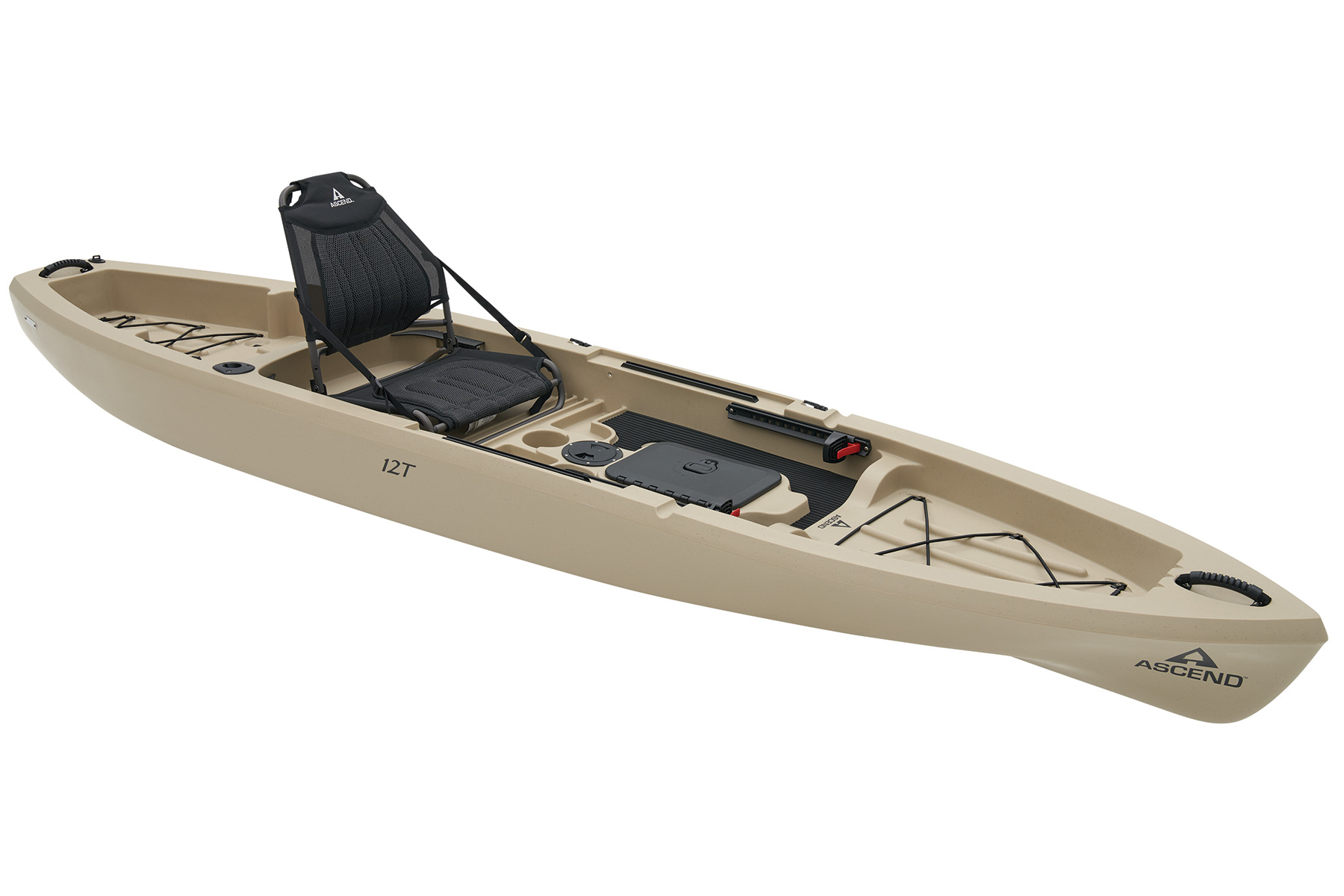
Ascend kayaks are heavier than Pelican kayaks. For example, the popular Ascend 12T weighs about 77 lbs (35 kg), while a similar Pelican model might weigh 50–55 lbs (23–25 kg). This makes Pelican kayaks easier to lift, load on cars, and carry to the water.
Seating And Comfort
Ascend often uses framed, adjustable seats with high backs. These seats are comfortable for long fishing trips. Some even have mesh for breathability.
Pelican kayaks use Ergoform™ or Ergofit™ padded seats. They are softer and lighter, but less adjustable. While comfortable for shorter trips, some paddlers find them less supportive on all-day outings.

Credit: erlassjahr.de
Model Range Comparison
Both brands offer a variety of kayaks. Here’s a look at the main types and how Ascend and Pelican compare:
Recreational Kayaks
Pelican leads in this category. Their models like the Argo 100X and Trailblazer 100 NXT are lightweight, affordable, and easy to paddle. They’re perfect for lakes, ponds, and calm rivers.
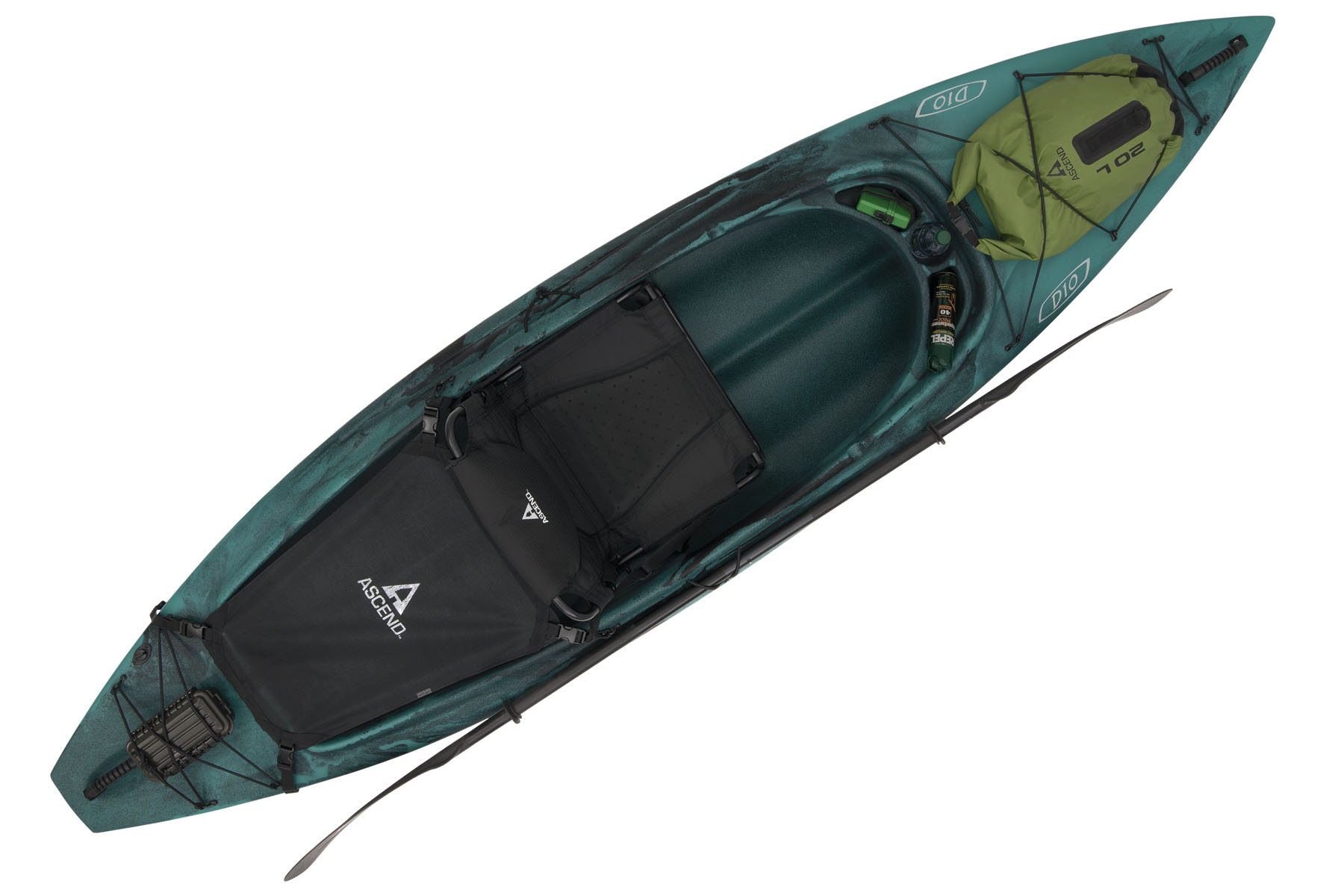
Ascend’s recreational options are fewer, often larger and heavier. The Ascend D10 is a good sit-in choice, but it’s bulkier than Pelican models.
Fishing Kayaks
Ascend shines here. Models like the Ascend 12T and Ascend 133X are packed with features for anglers: rod holders, gear rails, large open decks, and plenty of storage. They’re stable enough for standing casts.
Pelican offers fishing kayaks like the Catch 100 and Catch 120. These are lighter and easier to move, but may have fewer premium features compared to Ascend.
Sit-inside Vs Sit-on-top
Pelican offers both sit-inside and sit-on-top models in many sizes. Sit-insides keep you drier and warmer, ideal for cooler climates. Ascend’s main focus is on sit-on-top kayaks, which are easier to get on and off and better for fishing.
Tandem And Youth Models
Pelican makes several tandem kayaks and small youth kayaks, making them a popular choice for families. Ascend has fewer tandem options and almost no youth-specific models.
Comparing Popular Models
To make things clearer, here’s a direct comparison of popular models from each brand.
| Model | Type | Length | Weight | Max Capacity | Best For |
|---|---|---|---|---|---|
| Ascend 12T | Sit-on-top | 12 ft | 77 lbs | 350 lbs | Fishing |
| Pelican Catch 120 | Sit-on-top | 11 ft 8 in | 69 lbs | 400 lbs | Fishing |
| Ascend D10 | Sit-inside | 9 ft 10 in | 50 lbs | 300 lbs | Recreation |
| Pelican Argo 100X | Sit-inside | 10 ft | 36 lbs | 275 lbs | Recreation |
Credit: www.ascendkayaks.com
Price And Value
Entry-level Pricing
Pelican kayaks are very affordable. Many recreational models start under $400. Their fishing kayaks often cost less than $800, making them great for budget buyers.
Ascend kayaks are usually more expensive. Entry-level prices start around $500–$600, and their fishing models can reach $1,000 or more, especially with advanced features.
What You Get For The Money
With Ascend, you pay more for stability, fishing features, and durability. Pelican offers lighter weight and easier transport for a lower price.
Resale Value
Ascend kayaks tend to hold value better on the used market, especially if they’re well cared for. Pelican kayaks are popular, so they’re also easy to sell, but may fetch a lower price due to their lower original cost.
Performance On The Water
Stability
Ascend’s wide hulls offer superior stability. Anglers who want to stand while fishing find Ascend kayaks hard to beat. This stability, however, can make the kayak slower and less responsive.
Pelican kayaks, especially the recreational models, are quick to paddle and easy to turn. They track straight and can handle a bit of chop, but very narrow models might feel “tippy” to new paddlers.
Speed And Tracking
Pelican’s sharper hulls and lighter weight help them move faster with less effort. They’re great for covering longer distances or keeping up with friends.
Ascend kayaks, while stable, are slower and may require more paddling effort. They are best suited for fishing spots where you don’t need to move quickly.
Maneuverability
Pelican kayaks shine in tight rivers and small lakes. Their shorter, lighter designs make them easy to turn and handle.
Ascend kayaks are larger and heavier, so they can feel sluggish in small streams. But on open water, they stay steady and handle wind and waves well.
Comfort Over Time
Ascend’s seating is designed for all-day comfort. If you plan long trips or hours of fishing, the extra support can make a big difference.
Pelican’s seats are soft but less supportive. For short trips, you’ll be fine. For longer paddles, consider bringing a cushion or upgrading the seat if possible.
Storage, Features, And Customization
Storage Space
Ascend kayaks typically offer large open decks, dry hatches, and plenty of room for coolers or tackle boxes. This is a big plus for anglers or anyone carrying gear.
Pelican kayaks have smaller hatches and rear wells. They’re fine for day trips but less suited for multi-day adventures or lots of fishing gear.
Built-in Features
Ascend includes features like rod holders, gear tracks, and paddle keepers on many models. Some high-end Ascend models even have power pole mounts or space for a trolling motor battery.
Pelican kayaks may have basic rod holders and bungee cords for gear. Their fishing models add more features, but you might need to add accessories yourself.
Customization Potential
Ascend kayaks are easy to modify. Many owners add extra rod holders, fish finders, or anchor systems. The hulls can handle added weight and drilling for mounts.
Pelican kayaks can be customized, but their thinner material requires care when drilling or mounting. Stick-on accessories are safer for most users.
Transport And Storage
Moving Your Kayak
Pelican’s lightweight designs mean almost anyone can carry their kayak solo. Even their 12-foot models are manageable.
Ascend kayaks, especially fishing models, may need two people to lift and load. You’ll want a kayak cart or trailer for longer walks.
Storing At Home
Both brands are made from polyethylene, so indoor storage is best to avoid UV damage. Pelican’s kayaks can be hung on a wall or stored on a rack easily because of their lighter weight. Ascend’s bigger boats need more space.
Transport On Vehicles
Pelican kayaks fit easily on most car roof racks. Ascend kayaks, due to their weight, may require extra tie-downs, padding, or even a trailer for larger models.
Credit: www.ascendkayaks.com
Who Should Choose Ascend?
- Anglers who want stability for standing casts.
- Paddlers looking for advanced fishing features and easy customization.
- Larger paddlers or those carrying lots of gear.
- People who paddle mostly on lakes, slow rivers, or calm coastal waters.
- Anyone planning longer trips who needs comfort for all-day outings.
Who Should Choose Pelican?
- Beginners who want a lightweight, easy-to-carry kayak.
- Families who need tandem or youth kayaks.
- People on a budget looking for reliable quality.
- Paddlers who value speed, maneuverability, and easy transport.
- Those who paddle on calm lakes, small rivers, or need to frequently car-top their kayak.
User Reviews And Real-world Feedback
Ascend Owners
Many Ascend owners praise the stable platform and comfort. Anglers love the standing room and storage. Some mention that weight is the biggest downside, especially if you paddle alone. Others highlight that the kayaks hold up well for years, even with frequent use.
Pelican Owners
Pelican users often mention easy handling and lightweight design as their favorite points. Families appreciate the affordable price and variety of models. Some note that seats could use more padding for longer trips, and that the thinner material can dent if dropped on rocks.
Warranty And Customer Support
Ascend offers a limited lifetime warranty on the hull for the original owner. Accessories and seats usually get one year of coverage. Service is handled through Bass Pro Shops, making it convenient if you live near a store.
Pelican gives a limited lifetime warranty on their RAM-X™ hulls and a 1-year warranty on parts. Pelican’s customer support is known for being responsive, and replacement parts are easy to order.
Environmental Impact
Both brands use recyclable polyethylene, but Pelican’s RAM-X™ manufacturing process is designed to reduce waste. Pelican also uses recycled materials in some kayaks. If sustainability is important, this is a point to consider.
Two Overlooked Insights For Buyers
- Transport matters more than you think. Many new paddlers focus on features and stability, but forget how much work it is to move a heavy kayak. If you paddle alone, a lighter Pelican could save your back—even if it has fewer fishing extras.
- Customization can affect durability. Ascend’s thick hull lets you drill and mount accessories with less worry, while Pelican’s lighter hull is best left as-is or modified with non-permanent solutions. This is a key point for anglers who want to build the perfect fishing setup.
Direct Feature Comparison Table
Here is a quick summary comparing key features side by side:
| Feature | Ascend | Pelican |
|---|---|---|
| Stability | Excellent | Good |
| Weight | Heavy | Light |
| Fishing Features | Advanced | Basic to Moderate |
| Transport | Challenging | Easy |
| Price | Mid to High | Low to Mid |
| Durability | Very Durable | Durable |
| Customization | Easy | Possible but Limited |
| Family Options | Few | Many |
Where To Buy And Availability
Ascend kayaks are sold mainly at Bass Pro Shops and Cabela’s, both in-store and online. This can limit your ability to see and try different models in person if you do not live near a store.
Pelican kayaks are available at many outdoor retailers: Dick’s Sporting Goods, Walmart, and specialty paddling shops. You can also buy them directly from Pelican’s website.
Final Thoughts
Choosing between Ascend vs Pelican kayaks depends on your paddling style, where you will use the kayak, and what matters most to you. If you want a stable, feature-rich fishing kayak and don’t mind extra weight, Ascend is a top choice. If you prefer something lightweight, affordable, and easy to carry, Pelican offers unbeatable value and versatility. Always consider your transport options, storage space, and whether you want to customize your kayak for fishing or other activities. Whichever you choose, both brands offer years of reliable performance and fun on the water.
For more in-depth information on kayak types and materials, you can visit the Wikipedia page on kayaks.
Frequently Asked Questions
What Is The Main Difference Between Ascend And Pelican Kayaks?
The biggest difference is in weight and focus. Ascend kayaks are heavier, more stable, and designed mainly for fishing. Pelican kayaks are lighter, easier to carry, and offer more recreational and family options.
Are Ascend Kayaks Worth The Higher Price?
If you want advanced fishing features and extra stability for standing, Ascend’s higher price is justified. For casual paddling or short trips, a less expensive Pelican may be a better fit.
Which Brand Is Better For Beginners?
Pelican is often better for beginners due to its lightweight design and easier handling. Their wide variety of models helps new paddlers find the right fit.
Can You Customize Both Ascend And Pelican Kayaks?
Yes, but Ascend kayaks handle custom mounts and drilling better because of their thicker hulls. Pelican kayaks should be modified with care, using stick-on mounts or non-permanent accessories when possible.
What Is The Warranty For Ascend And Pelican Kayaks?
Both brands offer a limited lifetime warranty on the hull for the original owner. Accessories and parts usually get one year of coverage. Always check the brand’s website for full details.