
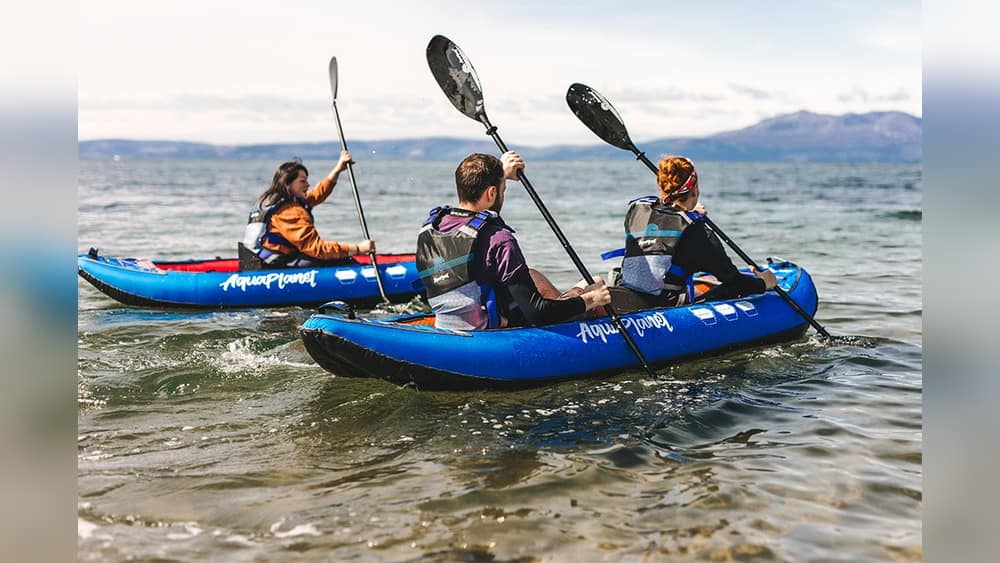
If you love spending time on the water, you’ve probably thought about getting your own gear. Two popular choices for beginners and experienced water lovers are inflatable kayaks and paddle boards. Both options promise adventure, exercise, and fun. But which one really suits your lifestyle, skills, and goals? Making the right choice can be tricky—especially with so many options and opinions out there.
This guide will help you compare inflatable kayaks and paddle boards in detail. You’ll learn how they differ in design, performance, safety, ease of use, transport, storage, and cost. We’ll cover who each option is best for, real-life examples, and a few common mistakes people make when choosing.
Whether you want to explore quiet lakes, paddle down rivers, or just relax in the sun, you’ll find clear answers here.
What Are Inflatable Kayaks And Paddle Boards?
Both inflatable kayaks and paddle boards are made from strong, flexible materials that can be filled with air. This makes them lightweight, portable, and easy to store compared to their hard-shell versions. But their shapes, uses, and features are quite different.
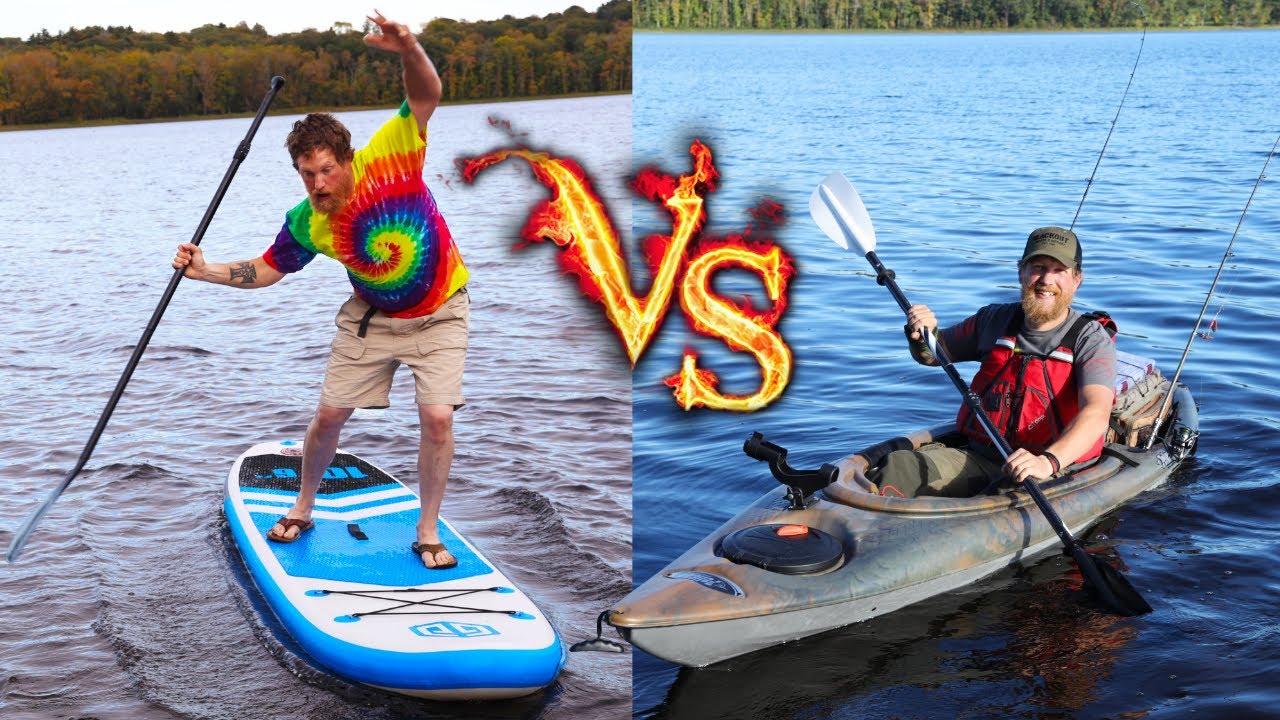
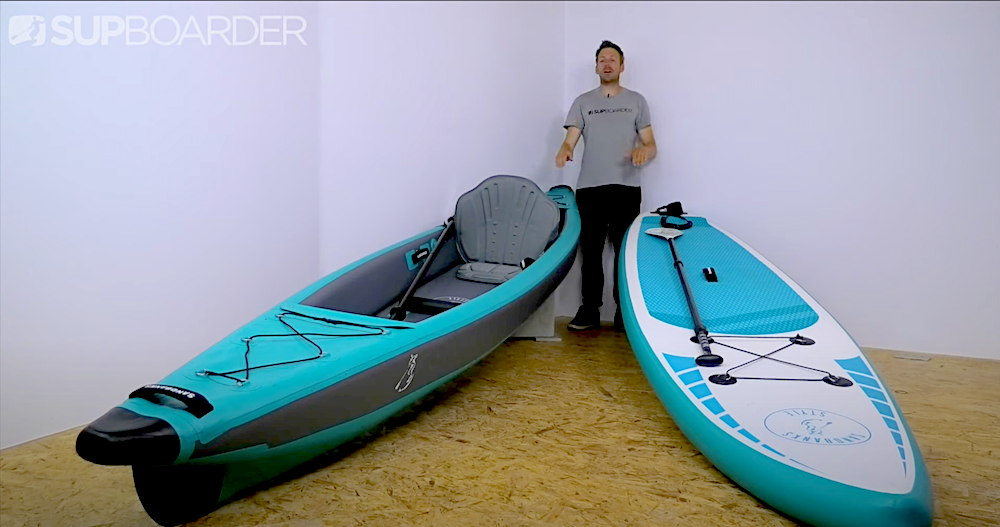
An inflatable kayak is shaped like a small boat, with a seat inside for one or two paddlers. You sit down, usually with your legs stretched out in front of you. Kayaks are usually paddled with a double-bladed paddle.
An inflatable paddle board (often called an iSUP—inflatable stand-up paddle board) looks like a thick surfboard. You stand or kneel on the board and use a single long paddle. Paddle boards work well for flat water, small waves, and even some yoga or fitness routines on the water.
Design And Construction
Inflatable Kayaks
Inflatable kayaks are usually made from PVC, Hypalon, or Nitrylon. These materials are tough and resistant to punctures and UV rays. Most inflatable kayaks have multiple air chambers, so if one section gets damaged, the boat still floats. Kayaks come in different sizes—single or tandem.
Many have extra features like adjustable seats, footrests, and storage areas for gear.
Inflatable Paddle Boards
Inflatable paddle boards use drop-stitch technology. Thousands of tiny threads connect the top and bottom of the board, helping it keep a rigid shape when inflated. Boards are usually 4-6 inches thick for stability. Some boards have soft traction pads for comfort, removable fins for tracking, and bungee cords for carrying small items.
Key Differences In Design
- Seating: Kayaks have seats; paddle boards are designed for standing or kneeling.
- Shape: Kayaks have a closed or open cockpit; paddle boards are flat and wide.
- Paddles: Kayaks use double-bladed paddles; paddle boards use single-bladed paddles.
Performance And Handling
Stability
Inflatable kayaks are generally more stable for beginners. The lower seating position and wider base make it harder to tip over. Paddle boards require more balance because you stand up, but wider boards are easier to manage.
Speed And Tracking
Kayaks are usually faster, especially over long distances. The pointed bow and stern help cut through water, and the double-bladed paddle allows for quick, efficient strokes. Paddle boards are slower and can drift off course if you don’t paddle evenly, though longer boards with a large fin track better.
Maneuverability
Paddle boards are easy to turn with quick paddle strokes or by shifting your weight. Kayaks can also turn well, especially shorter models, but require a bit more paddle technique.
Wind And Waves
Kayaks sit lower in the water, so wind has less effect on them. Paddle boards, with their higher profile, can be pushed around by strong winds. In choppy water or small waves, kayaks offer more protection. Paddle boards are better for calm lakes, slow rivers, and gentle ocean conditions.
Safety And Comfort
Comfort Features
Inflatable kayaks usually have backrests, padded seats, and sometimes adjustable footrests. This makes them comfortable for longer trips. Some even have spray skirts to keep water out.
Paddle boards have soft, non-slip decks. You can sit, kneel, or lie down if you get tired, but there’s no back support. For longer outings, some people attach a kayak-style seat to their paddle board.
Safety
Both types are safe if used correctly, but there are differences:
- Kayaks: Less likely to fall out, easier to stay dry, and you’re more protected from the sun and wind. It’s harder to climb back in if you do fall out, especially in deep water.
- Paddle boards: Easier to get back onto if you fall off. You’re more exposed to the sun and wind, and falling is more common, especially for beginners.
Always wear a personal flotation device (PFD) and use a leash (for paddle boards) for extra safety.
Transport And Storage
One of the biggest advantages of inflatable kayaks and paddle boards is portability.
- Inflatable kayaks: Deflate and fold into a large backpack or duffel bag. Most weigh 20–40 pounds (9–18 kg).
- Inflatable paddle boards: Roll up into a compact bag, usually weighing 15–30 pounds (7–14 kg).
Both can fit in a car trunk or closet, making them perfect for people with limited space. You won’t need a roof rack or a big garage.
Set-up And Packing Away
Setting up inflatable kayaks and paddle boards is simple, but there are differences in time and effort.
- Kayaks: Take 5–15 minutes to inflate, depending on the size and pump. Some have extra parts to attach, like seats and footrests. Deflating and drying can take a bit longer, especially if the kayak is wet or muddy.
- Paddle boards: Usually inflate in 5–10 minutes. There are fewer parts to attach—just the fin and maybe a leash. Drying and packing away is usually quicker than with kayaks.
Cost Comparison
Prices for both options vary depending on quality, size, and features.
- Inflatable kayaks: Entry-level models start around $100–$250, while high-end versions with better materials and features can cost $600–$1,500.
- Inflatable paddle boards: Budget boards start at $200–$400, with premium models ranging from $800–$1,200.
Don’t forget to budget for accessories, such as paddles, PFDs, pumps, and repair kits.
Real-world Examples
Let’s look at a few scenarios to see how each type performs:
- Family day at the lake: Inflatable kayaks are great for kids and adults who want to stay dry and feel secure. Tandem models can carry two people or a parent and child. Paddle boards are fun if you want to jump in and out of the water, paddle with a pet, or try some yoga.
- Solo river adventure: A kayak offers better control and speed, especially in moving water. Paddle boards can handle gentle rivers but are harder to control in strong currents.
- Travel and hiking: If you want to hike to a remote lake, a lightweight inflatable paddle board is easier to carry. They pack down smaller and weigh less than most kayaks.
- Fitness and full-body workout: Paddle boarding uses your legs, core, and arms for balance and paddling. Kayaking focuses more on the arms and upper body.
Detailed Comparison: Inflatable Kayak Vs Paddle Board
Here’s a side-by-side look at the main features:
| Feature | Inflatable Kayak | Inflatable Paddle Board |
|---|---|---|
| Seating | Sitting (with backrest) | Standing/Kneeling |
| Learning Curve | Easy for beginners | Requires balance |
| Stability | Very stable | Good (wider boards better) |
| Speed | Faster | Slower |
| Wind Resistance | Less affected | More affected |
| Portability | Easy (heavier) | Very easy (lighter) |
| Storage | Compact | Very compact |
| Cost | $100–$1,500 | $200–$1,200 |
Pros And Cons
Inflatable Kayak Pros
- Easy to paddle and stable for beginners
- More protection from wind, sun, and water
- Suitable for rivers, lakes, and mild whitewater
- Comfortable seating for longer trips
Inflatable Kayak Cons
- Heavier and bulkier than paddle boards
- Slower to pack away (must dry thoroughly)
- Harder to get back in if you fall out
Inflatable Paddle Board Pros
- Lightweight and very portable
- Quick set-up and pack-down
- Versatile—can stand, kneel, or sit
- Great for fitness, yoga, and fun
Inflatable Paddle Board Cons
- Requires more balance—can be tricky for beginners
- More affected by wind
- Less protection from water and sun
Credit: www.youtube.com
Suitability For Different Activities
Not every water sport is the same. Your choice depends on what you love to do.
Lake Cruising
Both kayaks and paddle boards work well for calm lakes. If you want to sunbathe, swim, or do yoga, paddle boards are better. For longer trips or fishing, kayaks are more comfortable.
Fishing
Inflatable kayaks are usually better for fishing. They have space for gear, rod holders, and you can stay seated for hours. Some paddle boards are built for fishing, but you’ll need good balance.
Whitewater
Some inflatable kayaks are rated for mild whitewater (class I–III). They are more secure in rough water. Paddle boards are not usually recommended for whitewater unless you have special training and equipment.
Ocean Use
Both can be used in calm ocean bays or near the shore. Kayaks are better for longer coastal trips. Paddle boards are fun for surfing small waves and exploring coves.
Maintenance And Durability
Both inflatables are tough, but they need some care.
- Rinse after use in salt water to prevent corrosion.
- Dry thoroughly before packing to avoid mold.
- Check for leaks regularly and repair small punctures promptly.
- Store in a cool, dry place out of the sun.
Well-made inflatable kayaks and paddle boards can last 5–10 years or more with good care.
Common Mistakes When Choosing
Many beginners overlook important factors when choosing between an inflatable kayak and a paddle board. Here are two non-obvious tips:
- Ignoring transportation limits: Some people buy a large kayak or paddle board, then realize it’s too heavy to carry alone. Always check the packed weight and try lifting a demo model if possible.
- Choosing the wrong size: A board or kayak that’s too small will be unstable or uncomfortable. Consider your height, weight, and any gear you plan to carry.
Other common mistakes include forgetting about local water conditions (wind, waves, current), not budgeting for essential gear, and underestimating the time needed for set-up and drying.
Which One Is Right For You?
There’s no one-size-fits-all answer. Think about:
- Where will you paddle most often? Calm lakes, rivers, ocean?
- Do you want to sit or stand?
- Will you carry gear, kids, or pets?
- How much space do you have for storage?
- How far will you need to carry your gear?
If possible, rent or borrow both types before buying. This way, you’ll discover what feels best for your body and your adventures.
Environmental Impact
Both inflatable kayaks and paddle boards are more eco-friendly than gas-powered boats. However, they are made from plastics and synthetic materials, which have their own environmental footprint. Some brands use recycled materials or eco-friendly coatings, so consider this if sustainability is important to you.
Also, remember to clean your gear between trips to prevent spreading invasive plants or animals between waterways.
Accessories You’ll Need
No matter which you choose, you’ll need a few key accessories:
- Paddle (double-bladed for kayak, single-bladed for paddle board)
- Personal flotation device (PFD)
- Pump (manual or electric)
- Leash (for paddle boards)
- Repair kit
- Dry bag (for valuables)
Optional extras include waterproof phone cases, sun protection, and storage bags.
Paddle Board Vs Inflatable Kayak: Quick Facts
To help you decide at a glance, here’s a quick comparison:
| Aspect | Inflatable Kayak | Paddle Board |
|---|---|---|
| Best For | Long trips, fishing, rivers | Fitness, yoga, fun, easy travel |
| Skill Level | Beginner-friendly | Beginner to advanced |
| Water Conditions | Calm to moderate | Calm, small waves |
| Setup Time | Medium | Quick |
| Storage Needs | Medium | Low |
How To Choose: Step-by-step Guide
If you’re still unsure, follow these steps:
- List your main activities: Fishing? Fitness? Exploring? Choose the gear that matches your top activities.
- Try before you buy: Rent or test both options. Many shops offer demo days.
- Check local conditions: Talk to local paddlers about what works best on your favorite lake, river, or beach.
- Consider your body type: Heavier or taller paddlers may need larger kayaks or wider boards.
- Think about storage and transport: Measure your car trunk and storage space at home.
- Set a realistic budget: Remember to include accessories and safety gear.
Credit: www.paddlerguide.com
Non-obvious Insights
- Skill Progression: Many people think paddle boards are harder, but balance skills improve quickly with practice. After a few sessions, most beginners feel confident standing and paddling.
- Water Access: If you need to launch from a rocky or steep shoreline, a paddle board is easier to carry and launch than a bulky kayak.
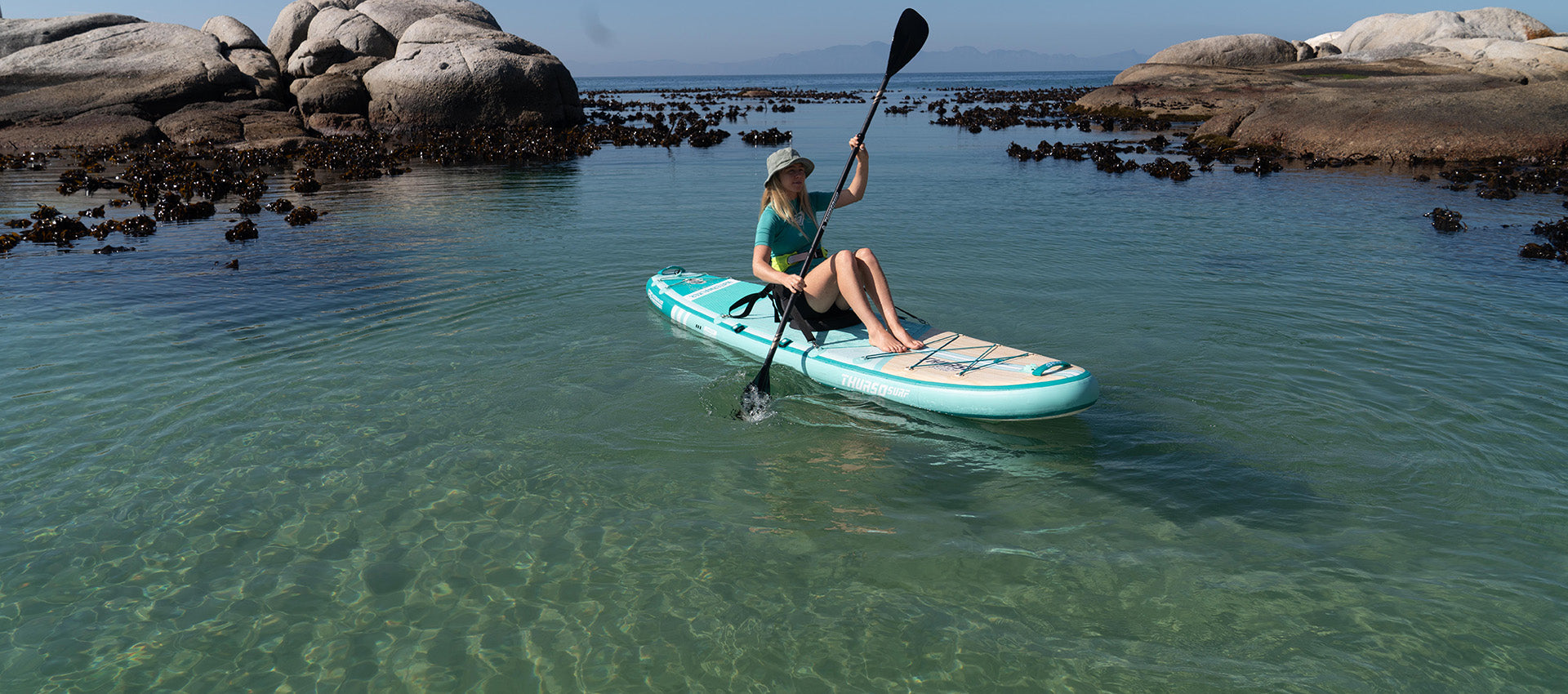
- Versatility: Some paddle boards can convert to a kayak by adding a seat and a double-bladed paddle, offering the best of both worlds for some users.
Where To Learn More
If you want more in-depth advice or want to see top-rated models, the American Canoe Association provides helpful resources and safety tips: American Canoe Association.
Credit: thursosurf.com
Frequently Asked Questions
What Is Easier For Beginners: Inflatable Kayak Or Paddle Board?
For most beginners, an inflatable kayak feels easier at first. The sitting position and wide base make it stable and simple to control. Paddle boards require more balance but are easy to learn with a bit of practice.
Can You Use An Inflatable Kayak Or Paddle Board On The Ocean?
Yes, both can be used on the ocean in calm conditions. Inflatable kayaks are better for longer ocean trips and provide more protection from waves. Paddle boards are fun for calm coastal areas and small surf but are affected more by wind and waves.
How Long Do Inflatable Kayaks And Paddle Boards Last?
With good care, both can last 5–10 years or longer. Make sure to rinse off salt water, dry before storage, and repair any small punctures quickly.
Are Inflatable Kayaks Or Paddle Boards Safe For Children?
Both are safe when used properly. Always have children wear a life jacket and supervise them closely. Inflatable kayaks are more stable for very young children, while paddle boards are great for older kids who want to try standing and paddling.
What Accessories Do I Need To Start?
At minimum, you’ll need a paddle, personal flotation device, and a pump. Paddle boards need a leash; kayaks may need a spray skirt. A repair kit and dry bag are also recommended for safety and convenience.
Whether you choose an inflatable kayak or a paddle board, you’re opening the door to new adventures on the water. With the right information, you can make a choice that fits your lifestyle, skill level, and dreams. Enjoy your time out there—every paddle stroke is a step closer to nature and to yourself.