
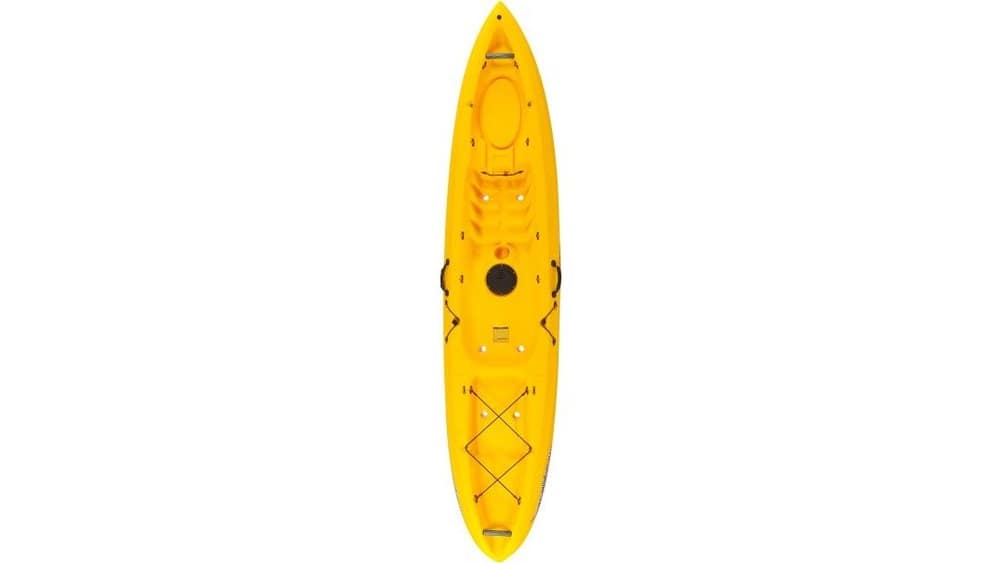
When you start searching for a fun, stable, and reliable sit-on-top kayak, two names pop up again and again: Ocean Kayak Caper and Ocean Kayak Scrambler. These two models have become favorites for casual paddlers, anglers, and even small families. But which one is truly right for you? Picking the wrong kayak can mean less comfort, poor tracking, and even missed adventures. That’s why a detailed, real-world comparison is essential before making your decision.
This guide takes a close look at both kayaks, comparing them on design, performance, comfort, stability, storage, and more. Along the way, you’ll find practical advice, honest pros and cons, and insights that most beginners often miss. By the end, you’ll be ready to choose the best kayak for your style, needs, and local waters.
The Brands Behind The Kayaks
Both the Caper and the Scrambler come from Ocean Kayak, a brand known worldwide for durable, user-friendly sit-on-top kayaks. They’re famous for building boats that last for years, even with regular use in saltwater. Ocean Kayak has a reputation for innovation, especially in hull design and safety features, which shows in both the Caper and Scrambler.
Side-by-side Specs Comparison
Before going deep, it helps to see how the Caper and Scrambler stack up on paper. Here’s a quick look at the key specs:
| Feature | Ocean Kayak Caper | Ocean Kayak Scrambler |
|---|---|---|
| Length | 11 ft 0 in (3.35 m) | 11 ft 6 in (3.5 m) |
| Width | 31 in (78.7 cm) | 29.5 in (74.9 cm) |
| Weight | 47 lbs (21.3 kg) | 47 lbs (21.3 kg) |
| Capacity | 325 lbs (147 kg) | 300 lbs (136 kg) |
| Hull Design | Tri-form | Tri-form |
| Best Use | Recreation, light fishing | Surf, light touring, fishing |
At first glance, the numbers look quite similar, but these small differences make a big impact on the water.
Design And Build Quality
The first thing you’ll notice about both the Caper and Scrambler is their tri-form hull. This design is unique to Ocean Kayak and is shaped for a mix of stability and tracking. The hull features a center keel for straight paddling, with wider sides for stability.
Ocean Kayak Caper: Compact And Versatile
The Caper is slightly shorter and a bit wider. This makes it easier to turn and more stable for beginners. The extra width gives you more room to move and makes it less likely to tip, even if you’re reaching for gear or shifting your weight.
For families, the wide cockpit offers space for a child or a small dog to ride along.
Ocean Kayak Scrambler: Sleek And Fast
The Scrambler is longer and a bit narrower, which makes it better for covering distance. It tracks straight, which helps if you’re paddling on open water or in the surf. The narrower hull cuts through waves more smoothly, but it’s still wide enough for good stability.
Build Quality: Both Are Tough
Both kayaks are made from rotomolded polyethylene, a material that resists dings, UV rays, and saltwater corrosion. You can drag them over sand, bounce off rocks, and leave them in the sun—these kayaks are built to take abuse. The grab handles, bungees, and hardware all feel solid.
Comfort And Seating
A kayak’s comfort is not obvious from the outside. But after an hour on the water, you’ll really feel the difference.
Caper Comfort Features
The Caper comes with a large, molded seat well. It fits most body shapes and offers plenty of space for long legs. The seat is usually a Comfort Plus seat back, which can be adjusted for better support. There are molded-in foot wells at different positions, so both short and tall paddlers can find a good fit. Even after hours, most users report minimal fatigue.
Scrambler Comfort Features
The Scrambler also uses a Comfort Plus seat back, and the seat well is slightly narrower but still generous. The foot wells are similar, providing several positions. Some taller paddlers say the Scrambler feels a bit more “snug” than the Caper, but that helps with control in surf or choppy water.
Extra Comfort Details
Both kayaks have molded cup holders and paddle holders. You can rest your paddle without fear of it slipping away. The deck is designed to drain water quickly, so you don’t end up sitting in a puddle. If you want more comfort, both models can accept upgraded seat backs or extra padding.
Stability And Performance On Water
This is where the small design differences really matter.
Primary Stability: Feeling Steady
Primary stability is how steady the kayak feels when you first sit down or move around. The Caper, with its extra width, feels rock-solid. Beginners and nervous paddlers will notice this right away. You can shift side-to-side without feeling like you’ll tip over.
The Scrambler is also stable, but you feel a tiny bit more “tippy” at first. This is normal for narrower kayaks. After a few minutes, your body adjusts and the kayak feels steady.
Secondary Stability: Handling Waves
Secondary stability is how the kayak handles when it leans to one side, like in waves or turns. Here, the Scrambler shines. Its hull shape lets you lean into turns or ride over waves without rolling. Surfers and coastal paddlers love this.
The Caper does well, but feels a bit more “flat” on edge.
Tracking And Speed
Tracking is how straight the kayak goes when you paddle. The Scrambler, being longer and narrower, tracks better. This means less zig-zagging and fewer correction strokes. If you paddle longer distances or in windy conditions, the Scrambler’s tracking saves energy.
For speed, the Scrambler is slightly faster, but the difference is small—maybe 0. 2–0. 3 mph in real-world use. The Caper’s width creates more drag, but it’s still quick enough for most day trips.
Maneuverability
If you paddle on small lakes, slow rivers, or need to turn quickly, the Caper is better. Its shorter length and wider hull let you spin in tight spaces. For exploring coves, creeks, or crowded marinas, this is a real advantage.
Storage And Weight Capacity
Both kayaks offer plenty of storage for their size, but the layout is different.
Caper Storage Solutions
The Caper features a large, oval-shaped front hatch. This hatch is big enough for dry bags, camping gear, or even a small cooler. The hatch uses a secure click-seal cover, so water stays out. Behind the seat, there’s a big open tank well with bungee cords—perfect for a crate, tackle box, or extra gear.
Scrambler Storage Features
The Scrambler has a round bow hatch, which is smaller than the Caper’s. It’s fine for dry bags or a change of clothes but won’t fit bigger items. The rear tank well is slightly smaller, but still holds a crate or cooler.
Some users add extra bungees or gear tracks to customize the space.
Weight Capacity
The Caper can handle up to 325 lbs, while the Scrambler is rated for 300 lbs. If you are a larger paddler or plan to carry a lot of gear, the Caper gives you more wiggle room. Remember, a kayak performs best when loaded at about 75% of its max capacity.

Credit: m.yelp.com
On-water Use Cases
How do these kayaks work in real situations? Here’s where their strengths show.
Caper: Perfect For Lakes, Bays, And Families
The Caper’s combination of stability, easy turning, and big storage makes it a favorite for:
- Calm lakes and slow rivers
- Bays and coastal inlets
- Short fishing trips
- Paddlers who want to bring a child or pet
It’s also a great choice if you’re new to kayaking, or if you want a kayak that anyone in the family can use.
Scrambler: Surf, Open Water, And Touring
The Scrambler is built for:
- Surf launches and landing on beaches
- Choppy coastal waters
- Light touring along shorelines
- Paddlers who want more speed and better tracking
If you plan to paddle in the ocean, or if you want to learn surfing with a kayak, the Scrambler is a classic choice.
Fishing Setup And Customization
Both kayaks can be rigged for fishing, but there are some differences to consider.
Caper Fishing Potential
The Caper’s wide hull and big tank well make it easy to add rod holders, a crate, or a small cooler. There’s room for an anchor trolley system, and the front hatch can store rods up to 7 feet if you angle them right.
Many anglers say the Caper is more stable when reaching for gear or fighting a fish.
Scrambler For Fishing
The Scrambler’s narrower tank well is a bit less flexible, but you can still add rod holders and a crate. The kayak’s speed helps you reach distant fishing spots faster. However, the bow hatch won’t fit long rods, so you may need to keep them on deck.
Non-obvious Insight: Deck Layout Matters
Many beginners forget to check deck layout. The Caper’s extra space in front of the seat gives you more room to move, handle fish, or stretch your legs. The Scrambler has a tighter cockpit, which helps in surf but can feel cramped when rigging rods or landing big fish.
Transport And Storage At Home
Getting your kayak to the water and storing it at home are often overlooked but important factors.
Carrying Weight
Both kayaks weigh about 47 lbs. This is light enough for most adults to lift onto a car roof rack or into a pickup bed. If you paddle solo, the molded side handles make a big difference—both boats are easy to carry short distances.
Storage Size
The Caper is a bit shorter, so it fits better in garages or on small racks. If space is tight, the Caper’s compact size is a plus. The Scrambler’s extra length means it may stick out from standard racks or require more space.
Non-obvious Insight: Hull Shape And Storage
The tri-form hulls are stable on flat ground, so you can store either kayak upside-down on two padded bars. Avoid storing kayaks on their sides for long periods, as it can warp the hull.
Durability And Maintenance
Both the Caper and Scrambler are famous for being nearly indestructible. But a few habits will help yours last even longer.
- Rinse with fresh water after saltwater use
- Store out of direct sunlight when possible
- Check hardware and bungees for wear once a season
- Repair deep scratches with a plastic welder or patch kit
The rotomolded polyethylene construction means you can drag these kayaks over sand and rocks with little worry. They’re tough enough for years of adventures.
Value For Money
When you invest in a kayak, you want it to last and do many things well.
Caper Pricing And Value
The Caper is usually priced between $650–$800 (depending on seat and accessories). You get a stable, versatile kayak that can handle fishing, family paddling, and even light touring. Its storage and comfort features are hard to beat in this price range.
Scrambler Pricing And Value
The Scrambler is often a bit cheaper, around $600–$750. You get a kayak that’s fast, tracks well, and is built for the ocean. If you want to learn surf launches or paddle longer distances, it’s a good investment.
Comparing Value
Both kayaks hold their resale value well. The Caper appeals to a wider group (families, anglers, beginners), so it often sells faster used. The Scrambler is a classic for surf and ocean paddling, so it’s always in demand near the coast.
Pros And Cons
Breaking things down into strengths and weaknesses helps clarify your decision.
| Feature | Caper Pros | Caper Cons | Scrambler Pros | Scrambler Cons |
|---|---|---|---|---|
| Stability | Extremely stable | Less agile in surf | Good in waves | Slightly tippier for beginners |
| Speed | Quick for its size | Not as fast as Scrambler | Faster, tracks better | Not as easy to turn |
| Storage | Large front hatch | Bulkier for small spaces | Fine for essentials | Smaller hatch |
| Weight | Light, easy to lift | Wide, awkward for some | Light, sleek | Longer, needs more storage space |
| Comfort | Spacious seat well | None significant | Good support | Tighter fit for large paddlers |

Credit: www.stripersonline.com
Who Should Choose Each Kayak?
Making the right choice often comes down to how, where, and with whom you’ll paddle.
Choose The Caper If:
- You want maximum stability (great for kids, pets, or beginners)
- You often paddle in calm water, bays, or small lakes
- You need lots of storage for gear or fishing
- You prefer a roomy cockpit
Choose The Scrambler If:
- You paddle in surf, open water, or windy conditions
- You want better tracking and speed for longer trips
- You like a snug fit and plan to surf or tour
- Storage space at home is not an issue
Real-world Feedback And Reviews
Over the years, thousands of paddlers have shared their experiences with these kayaks. Here are some highlights and trends:
- Many beginners say the Caper gave them confidence on day one, with no fear of tipping.
- Anglers praise the Caper’s tank well and stability for standing to cast or landing fish.
- Surfers and coastal paddlers love the Scrambler’s ability to punch through waves and ride surf back to shore.
- Some tall paddlers feel cramped in the Scrambler after a few hours.
- Both kayaks get high marks for durability and ease of use.
It’s rare to find major complaints about either model, except from advanced paddlers who want much faster, sleeker kayaks.

Credit: paddling.com
Where To Buy And What To Watch For
Both kayaks are sold by big outdoor chains and specialty paddle shops. You can sometimes find used models in good condition for $400–$600. When buying used, check for:
- Deep hull gouges or cracks
- Missing hardware or hatches
- Warped hulls (look down the length for bends)
- Faded plastic (a sign of sun damage)
Ocean Kayak’s official website and REI are good places to start your search, and you can often test models at local paddle events.
Frequently Asked Questions
What Makes The Tri-form Hull Special?
The tri-form hull design combines a center keel for straight paddling with wide outer sections for stability. This shape helps both the Caper and Scrambler feel steady, even in waves, and makes them easier to control than flat-bottomed kayaks.
Can Both Kayaks Be Used For Fishing?
Yes, both the Caper and Scrambler can be customized for fishing. The Caper is often preferred because of its wider tank well and extra stability, but the Scrambler’s speed is helpful for reaching distant fishing spots.
Are These Kayaks Good For Beginners?
Absolutely. The Caper is especially beginner-friendly due to its extra width and stability. The Scrambler is also good, but may feel a bit more “tippy” at first. Most beginners adjust quickly to either model.
How Do I Transport These Kayaks?
Both kayaks are light enough for one person to lift onto a car roof rack. Molded handles make it easier to carry. If you have a small car, the Caper’s shorter length may fit better.
Can I Fit A Child Or Pet In These Kayaks?
Yes, the Caper’s wide cockpit is ideal for bringing a child or small dog. The Scrambler is narrower, so it’s better for solo paddling or with a small pet only.
Final Thoughts
Choosing between the Ocean Kayak Caper and Scrambler is about more than just numbers. Think about where you paddle, who joins you, and what gear you bring. The Caper is an all-around star for stability and storage, perfect for families and anglers. The Scrambler shines in surf and open water, where speed and tracking matter most. Both are tough, comfortable, and ready for years of adventure. With the right choice, you’ll spend less time worrying and more time exploring the water—exactly as kayaking should be.